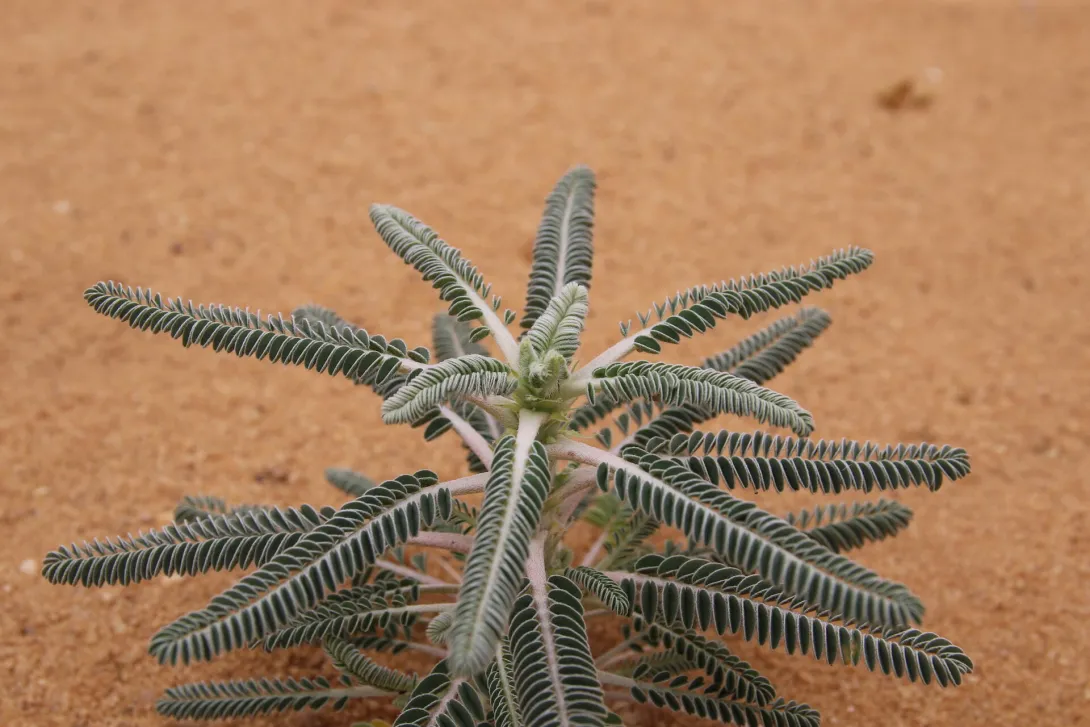
Astragalus sieberi DC.
قتاد – كثاد- مشط الديب
Syn. Tragacantha sieberi (DC.) Kuntze
Sieber's Milk-vetch
Fabaceae
1 / 7

-
Morphological Description
-
Description
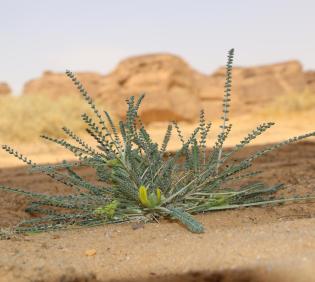
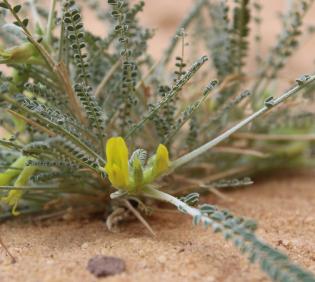
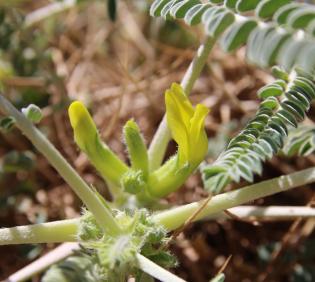
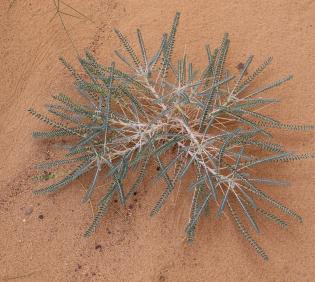
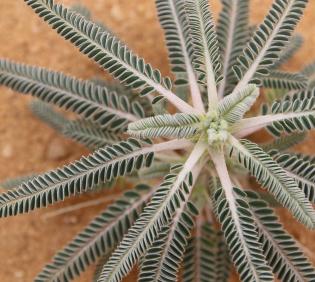
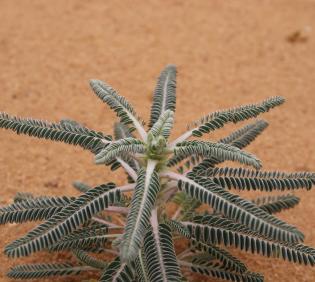
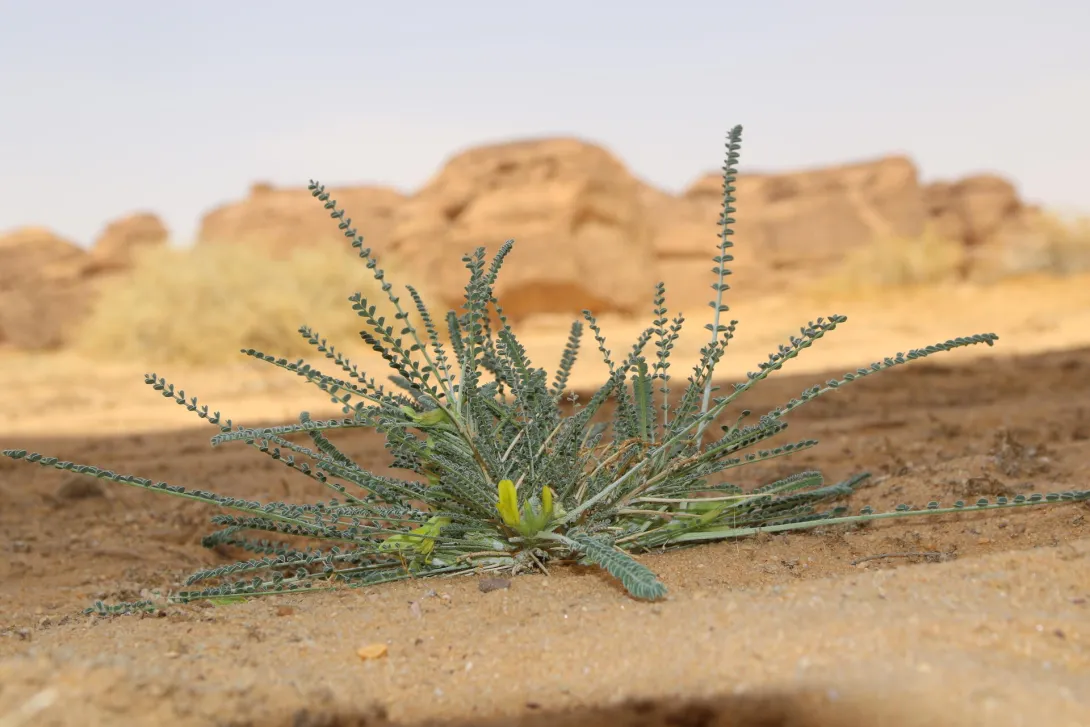
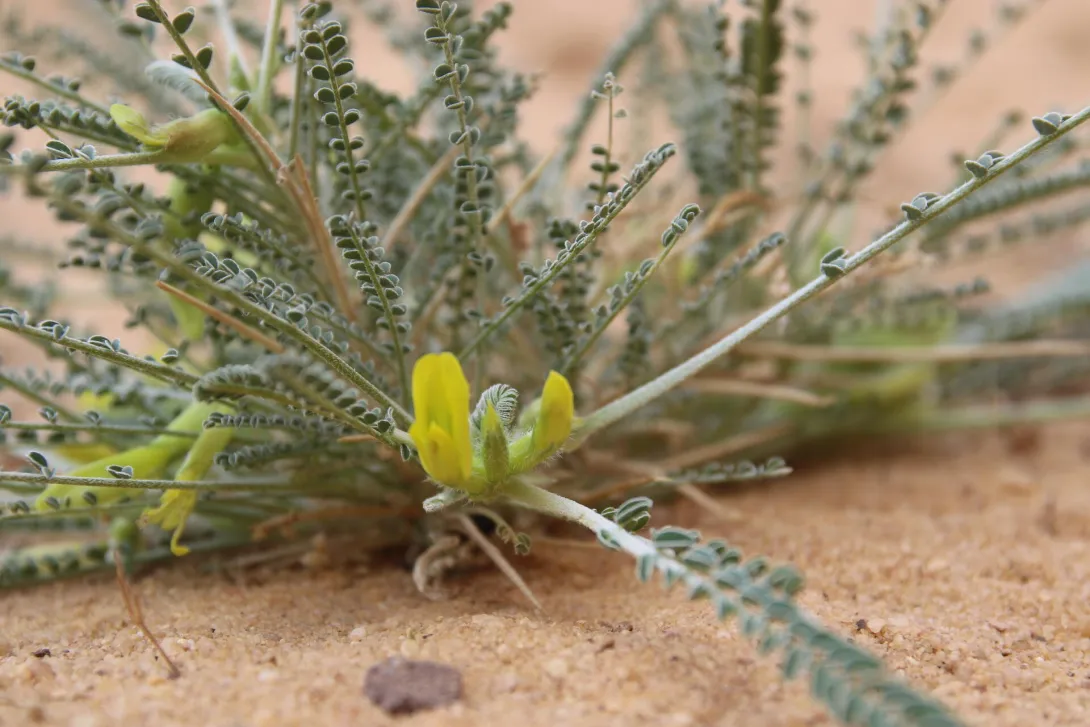
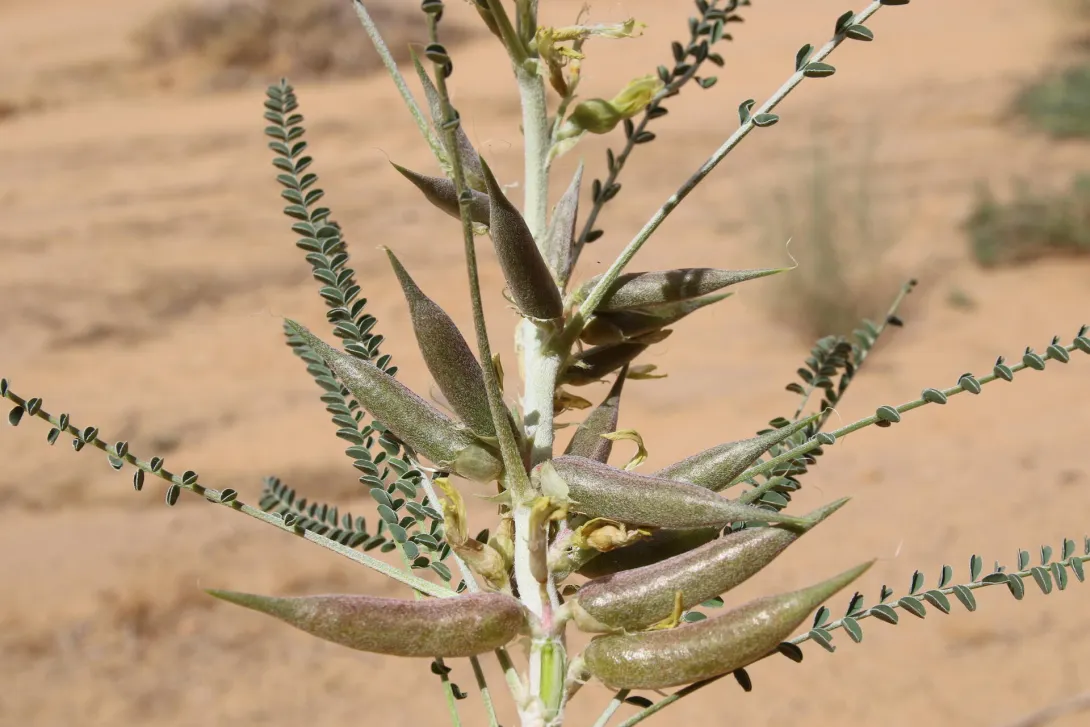
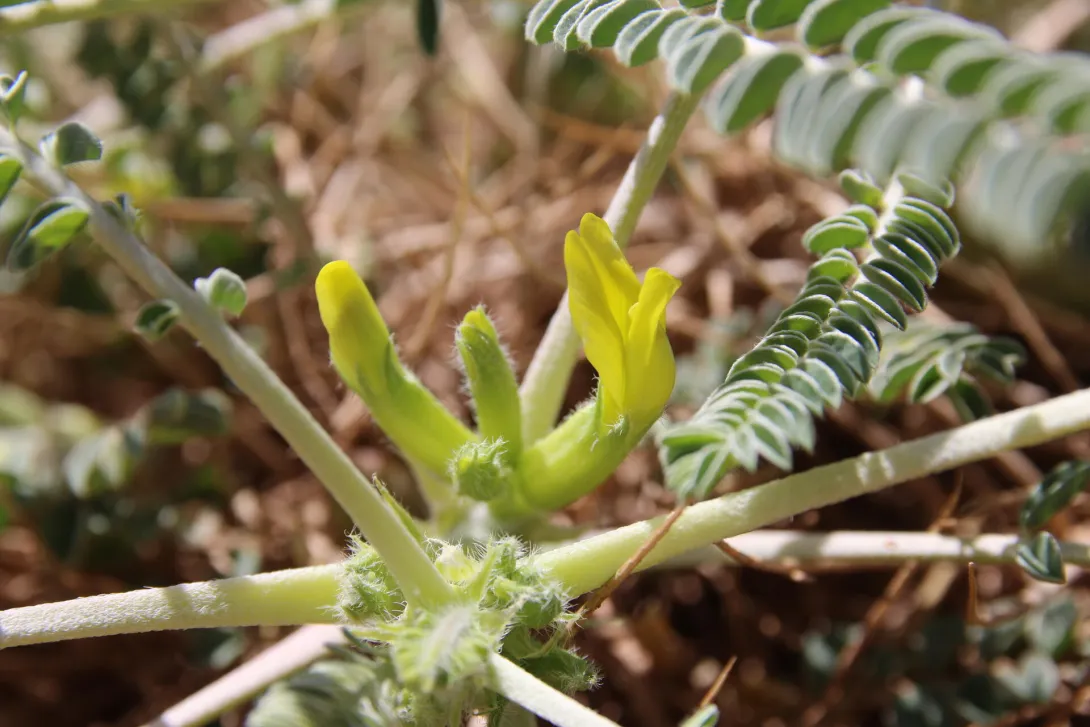
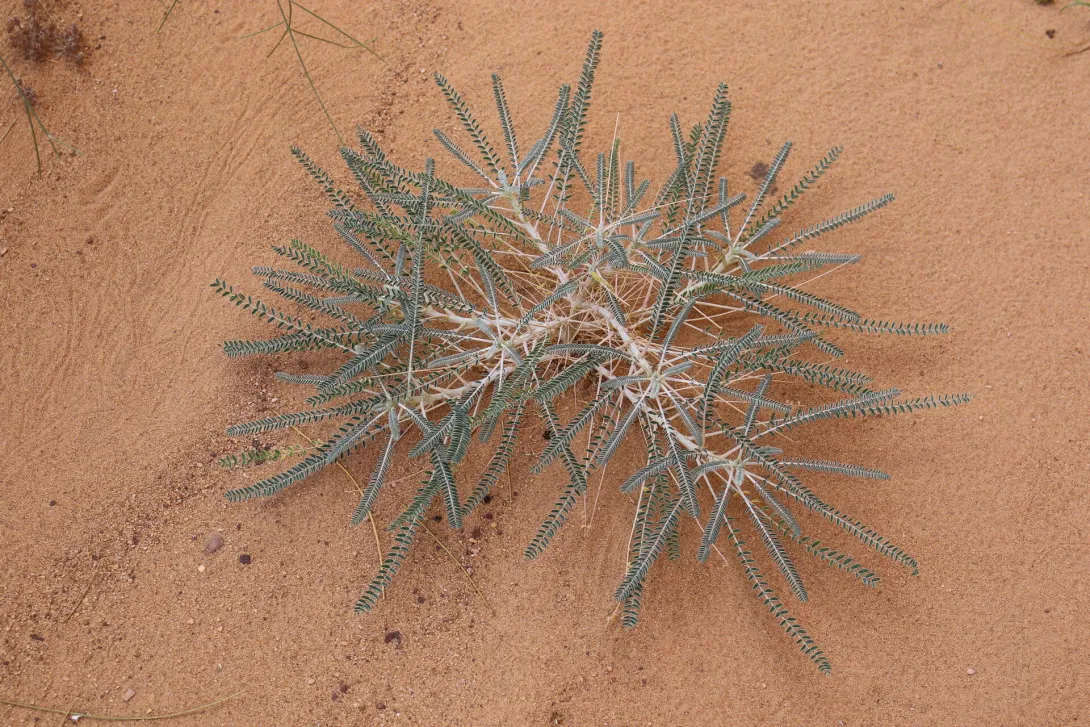
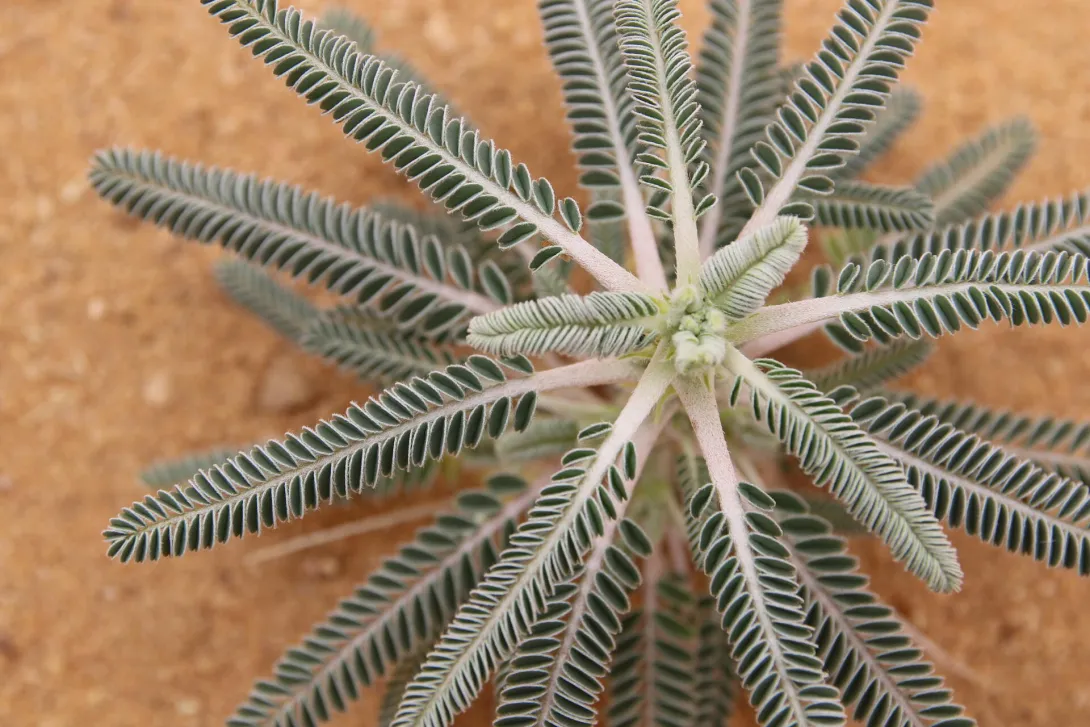
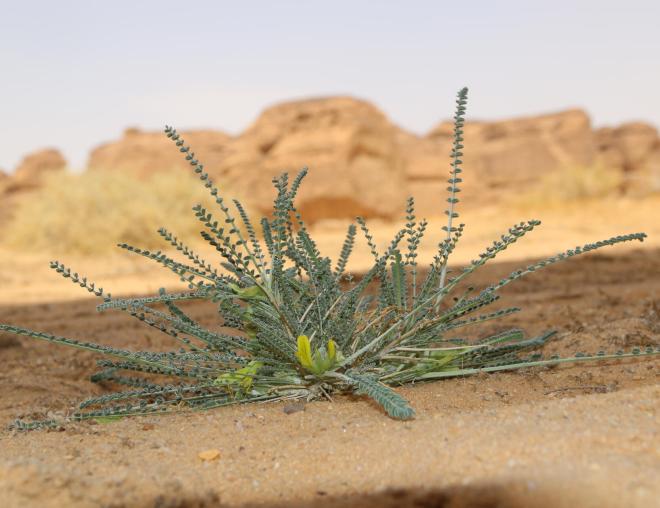
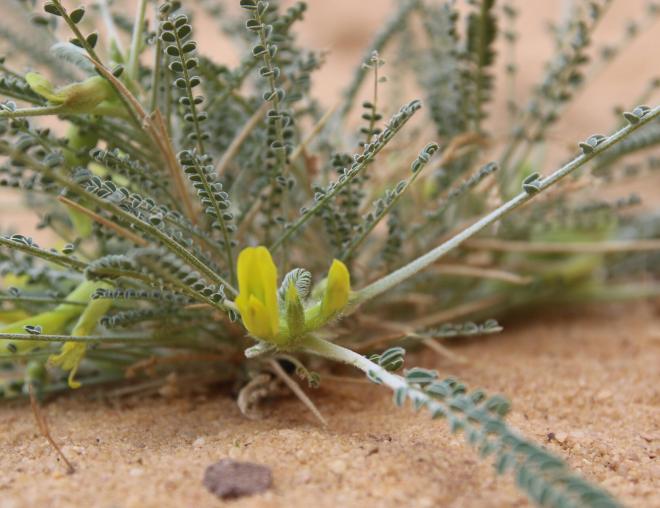
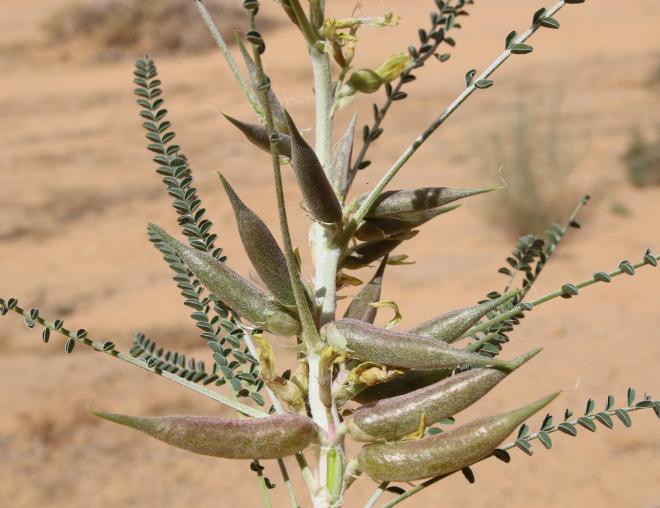
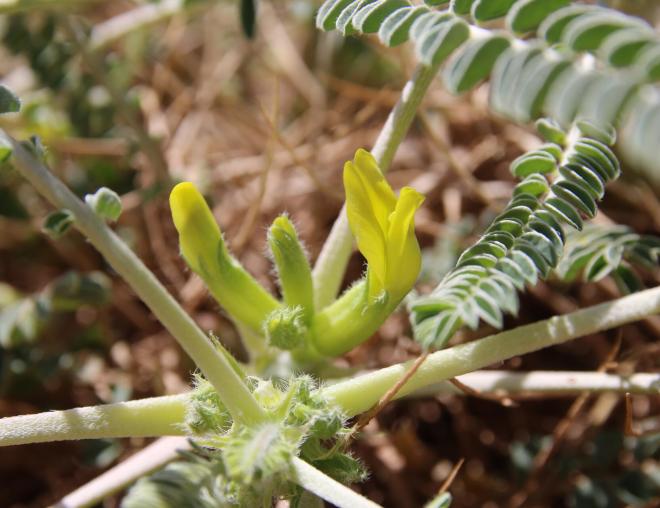
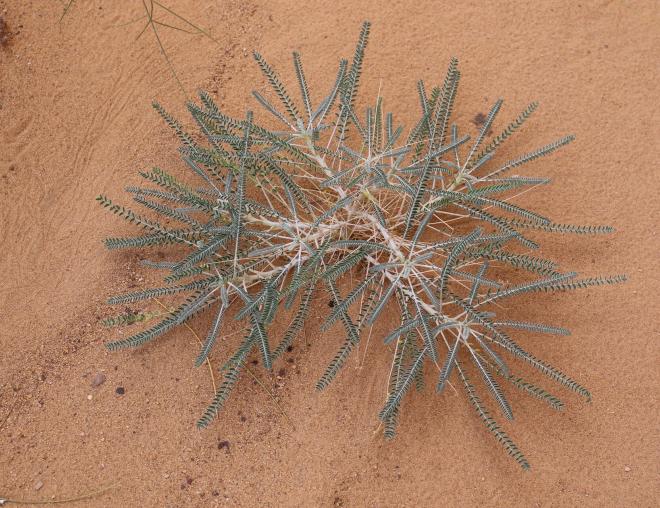
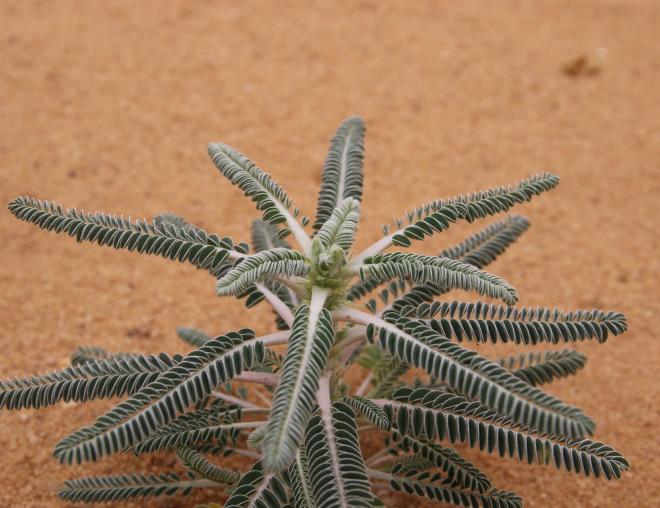
Perennial herb, cushion-forming, 10–20 cm high. Stems short, densely pubescent. Leaves with numerous small, obovate leaflets, covered with fine hairs. Flowers purple to violet, borne in dense clusters on short peduncles. Calyx tubular, hairy; corolla typical papilionaceous. Pod oblong, somewhat inflated, hairy, containing 2–6 seeds.
- Growth Form
-
Description
-
Habitat and Distribution
- Habitat
-
Geographical Distribution Range
This Saharo-Arabian species is distributed in Sahara and Middle east from Egypt to Iraq. Within the Arabian Peninsula, it is native to Jordan, Saudi Arabia, Kuwait and Yemen.
-
Ecology
-
Phenology
JanFebMarAprMayJunJulAugSepOctNovDecFloweringFructification
- Origin
-
IUCN Red List Category
 Not Evaluated
-
Phenology
-
Uses and Values
-
Aromatic and Medicinal Use
Medicinal use
-
Description of Traditional Uses
Astragalus sieberi is documented in ethnobotanical surveys as a plant utilized within traditional and folk medicine systems. Specifically, some traditional inventories indicate that the whole plant has been used for the purpose of lowering blood pressure.
-
Aromatic and Medicinal Use
Gallery