Farsetia aegyptia Turra
الحمأة
Syn. Hesperis farsetia Poir.
Egyptian Farsetia
Brassicaceae
1 / 7

-
Morphological Description
-
Description
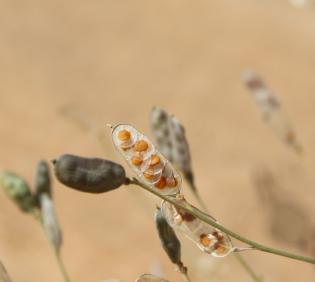
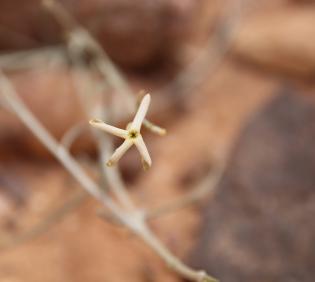
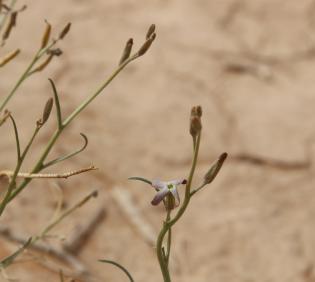
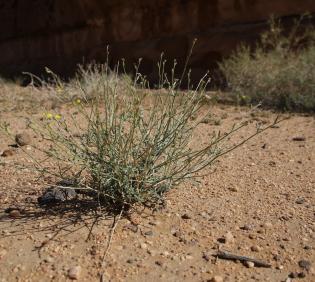
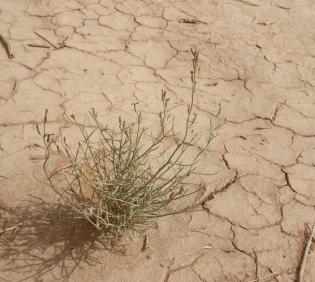
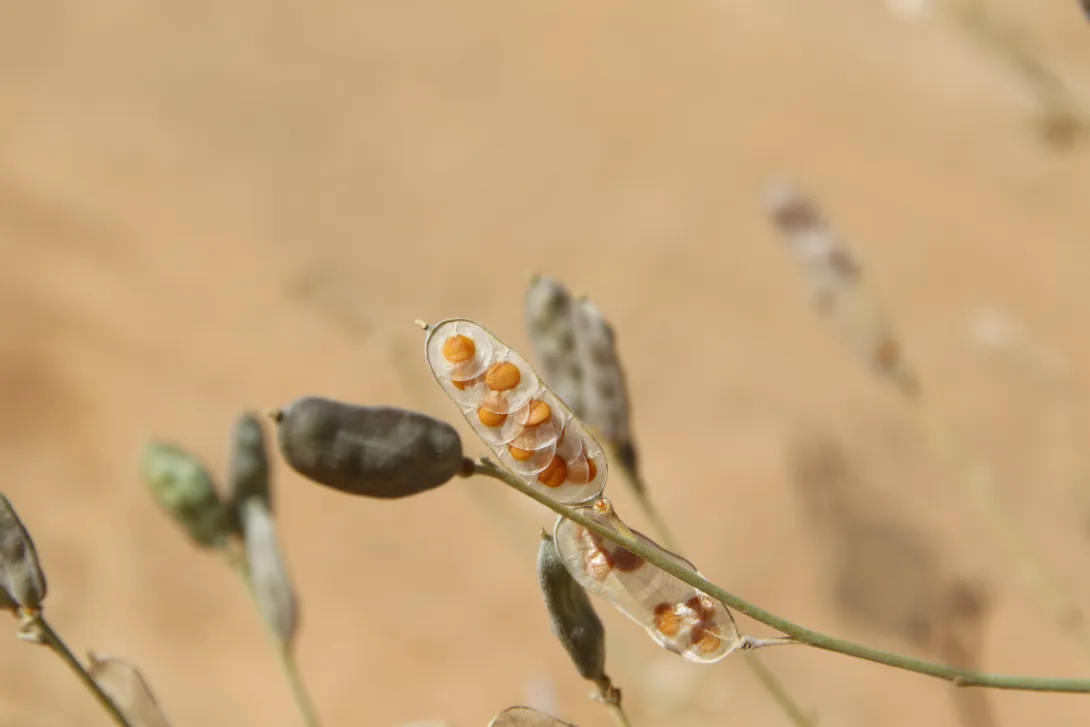
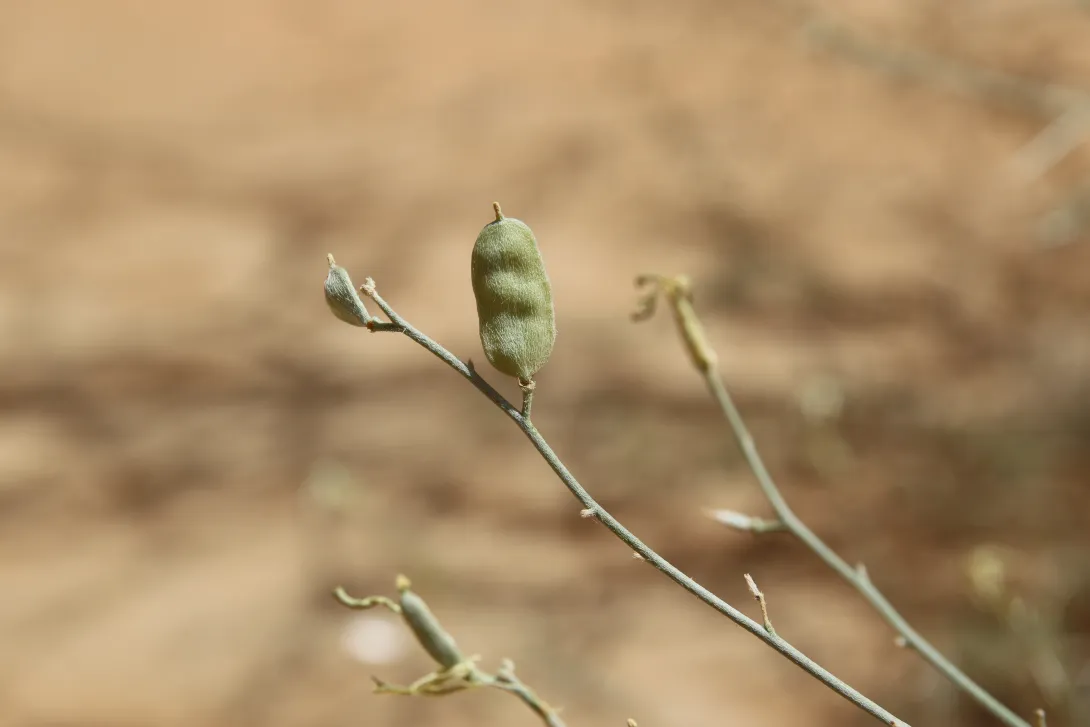
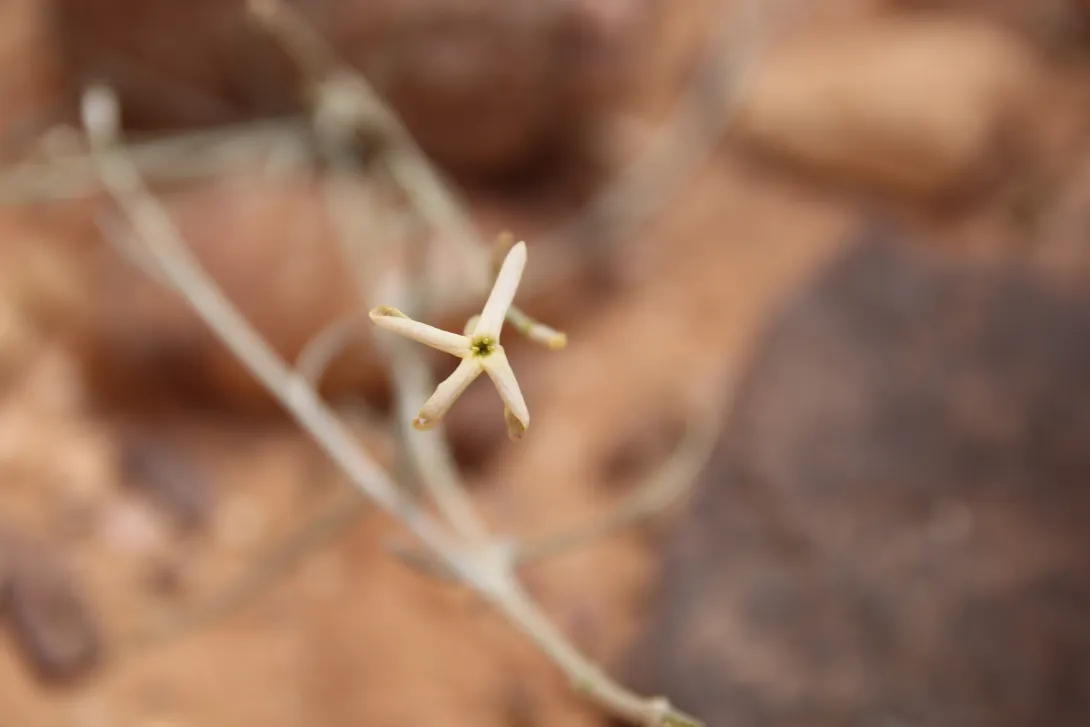
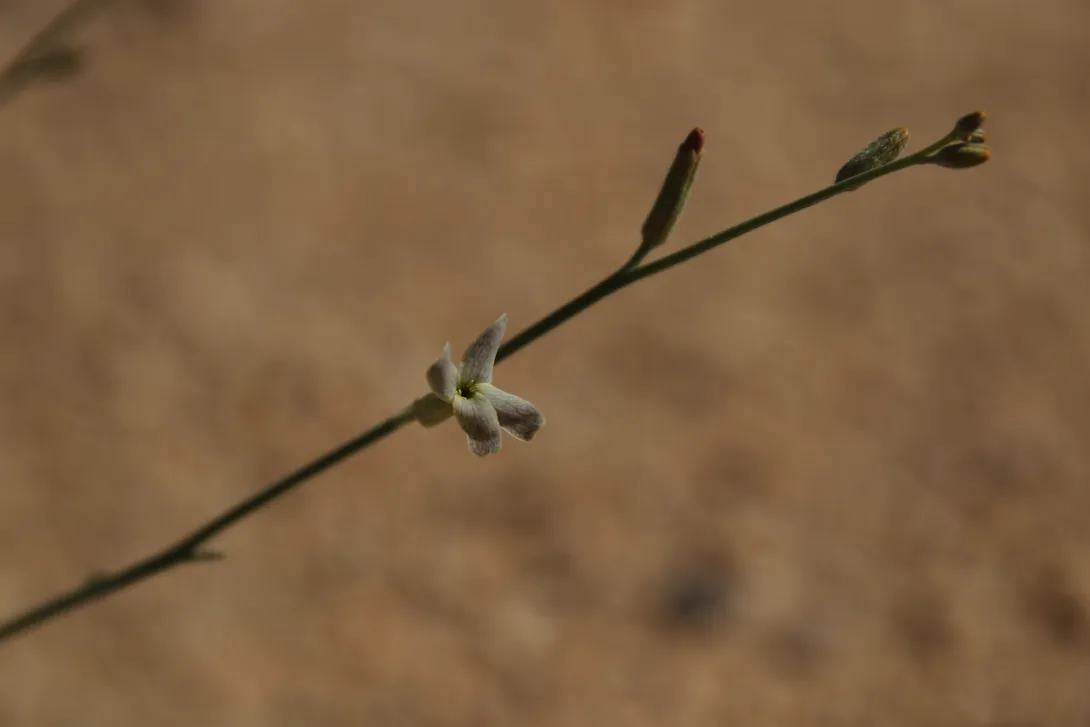
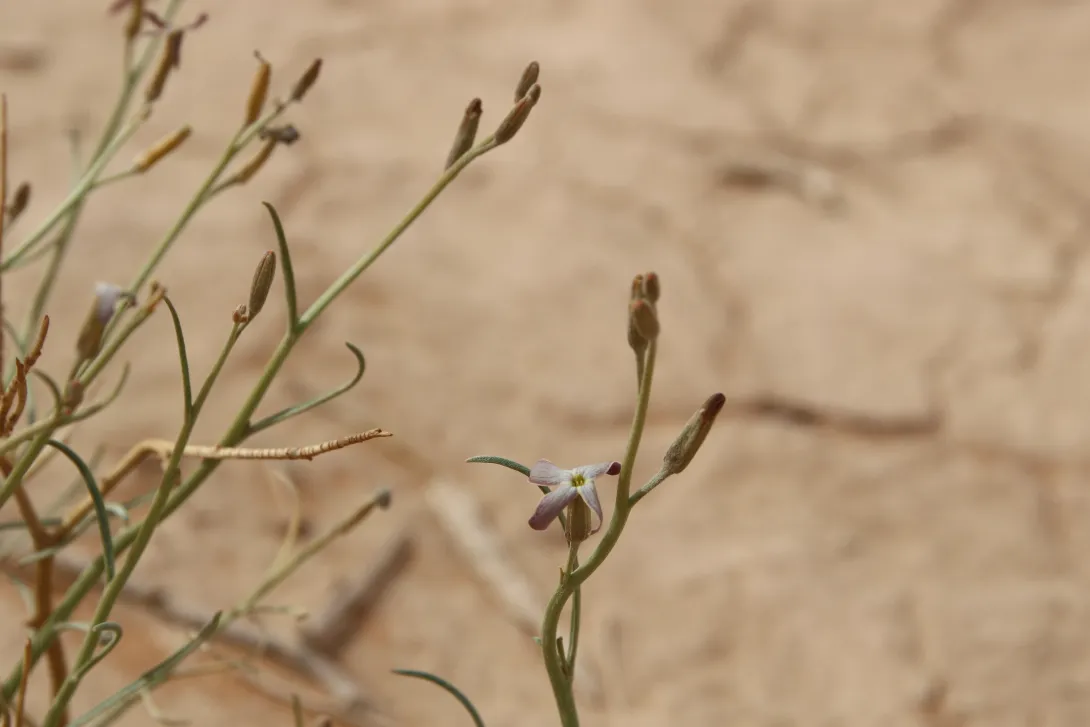
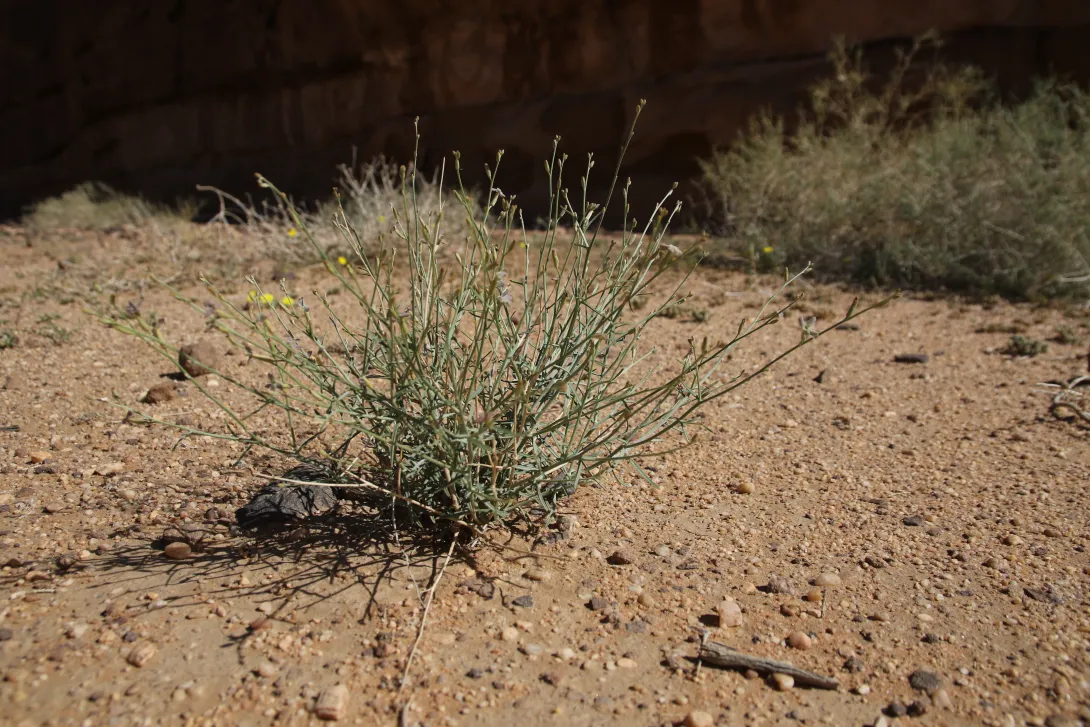
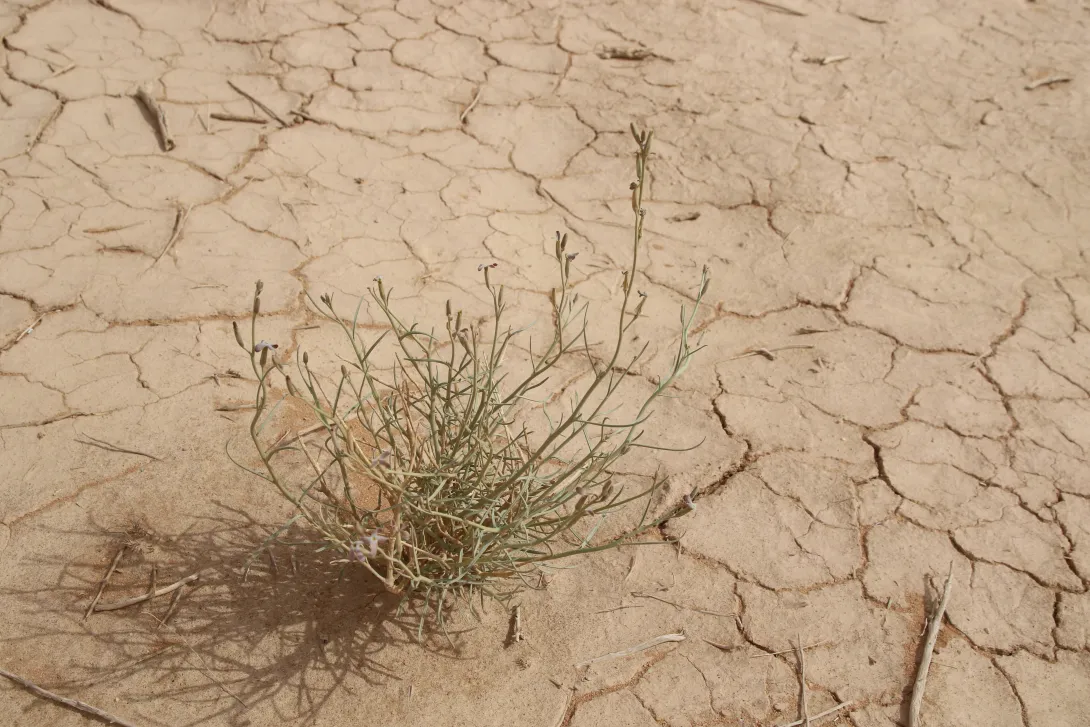
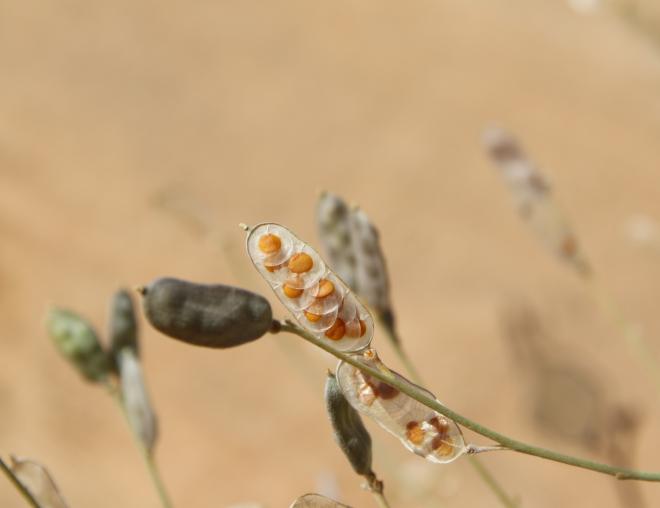
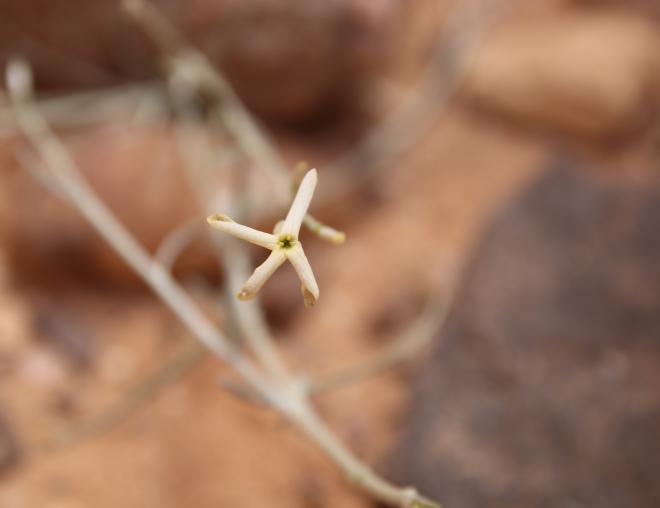
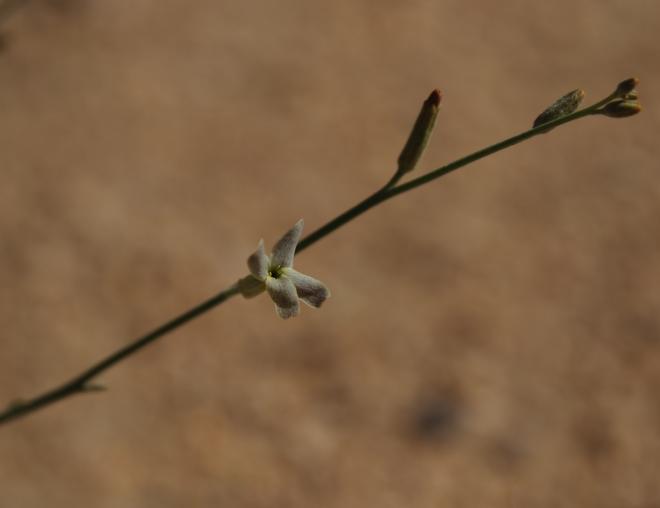
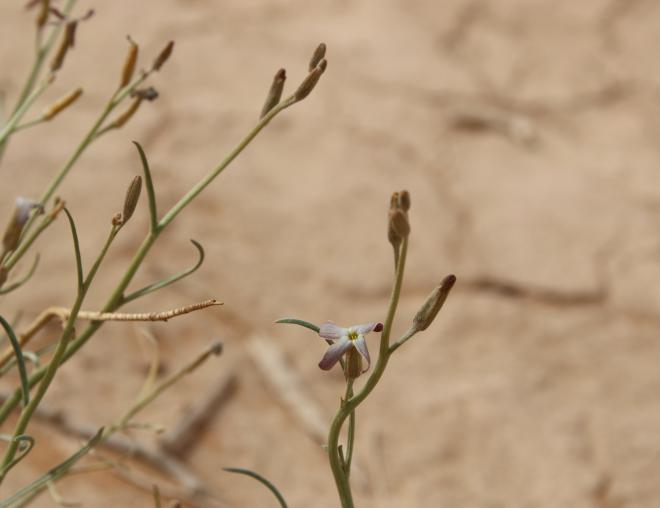
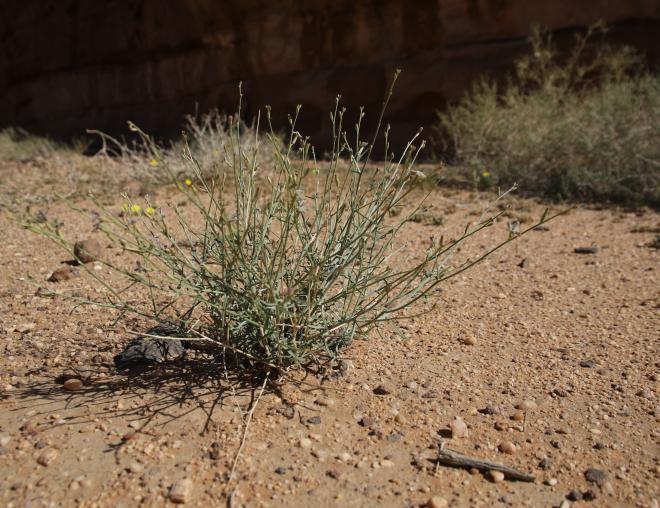
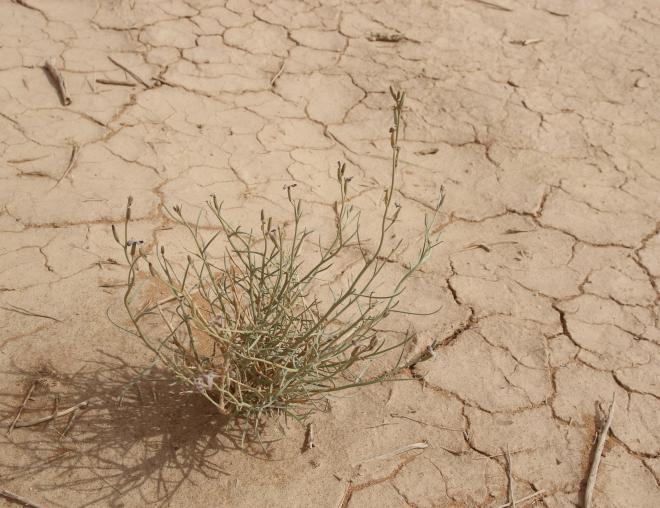
Perennial shrub up to 1 m tall. Leaves narrow, linear, up to 6 cm x 3 mm, acute or obtuse. Flowers in several-flowered racemes which become much elongated in fruit. Sepals up to 12 mm long. Petals livid to white, up to 20 mm long, clawed. Siliquas oblong, up to 25 mm x 10 mm; septum almost clear transparent.
- Growth Form
-
Description
-
Habitat and Distribution
- Habitat
-
Geographical Distribution Range
This Sudanian species is distributed in Sahara and Middle East to Indian subcontinent from Mauritania to India. Within the Arabian Peninsula, it is native to Jordan, Saudi Arabia, Gulf States, Kuwait and Oman.
-
Ecology
-
Phenology
JanFebMarAprMayJunJulAugSepOctNovDecFloweringFructification
- Origin
-
IUCN Red List Category
 Not Evaluated
-
Remarks
The plant is densely hairy with stiff hairs that can cause skin irritation. This species includes two accepted subspecies, but only one present in Saudi Arabia: Farsetia aegyptia subsp. aegyptia Turra.
-
Phenology
-
Uses and Values
-
Description of Traditional Uses
No specific documented uses were identified in accessible literature.
-
Description of Traditional Uses
Gallery