Plantago amplexicaulis Cav.
الرِّبلة / الحَسار/خنانة النعجة / موسباك
Amplexicaul plantain
Plantaginaceae
1 / 5

-
Morphological Description
-
Description
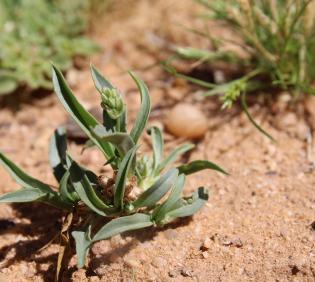
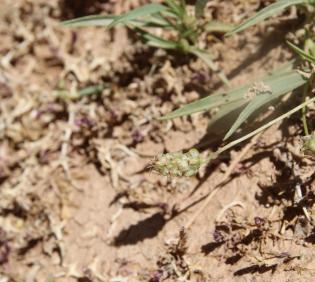
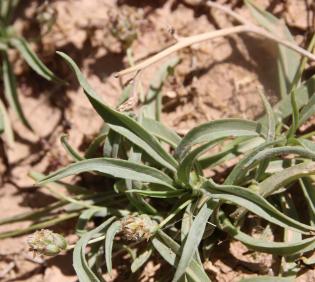
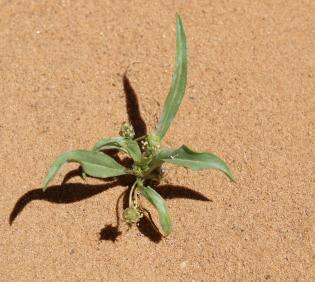
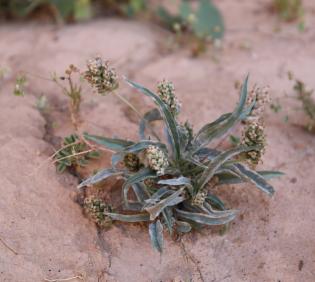
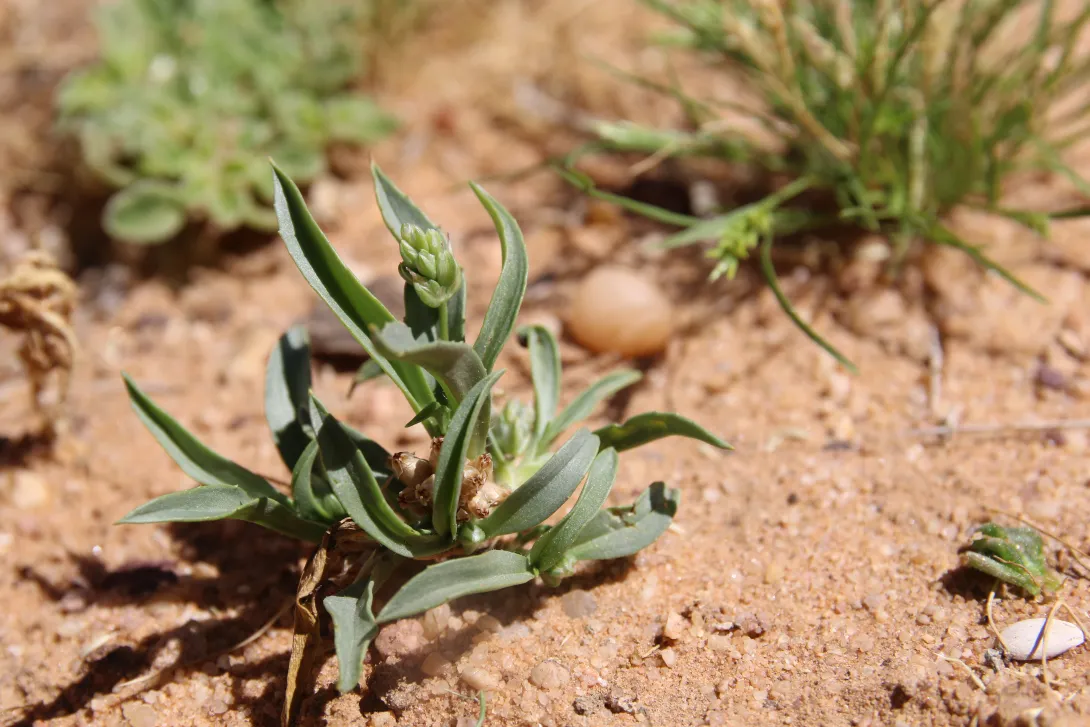
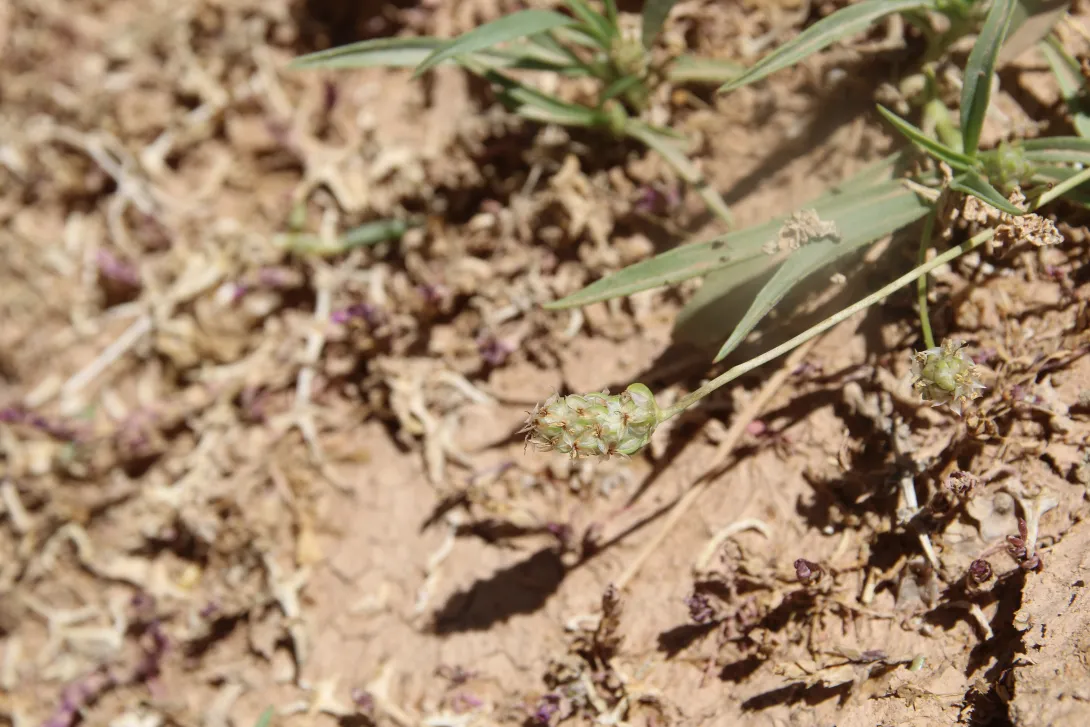
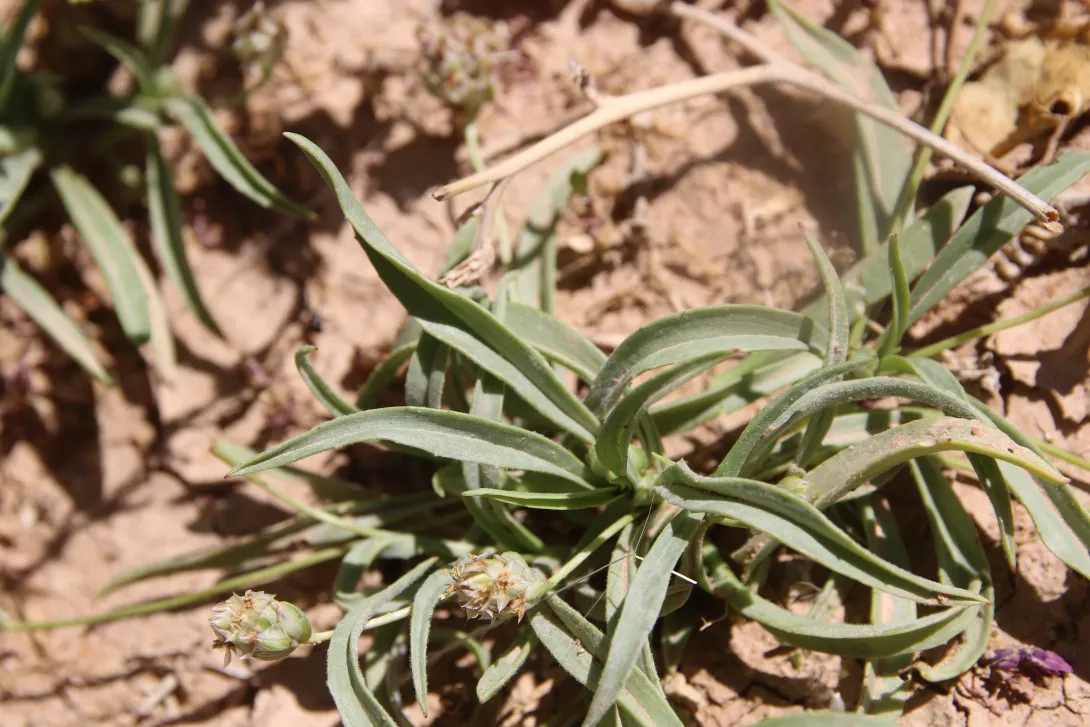
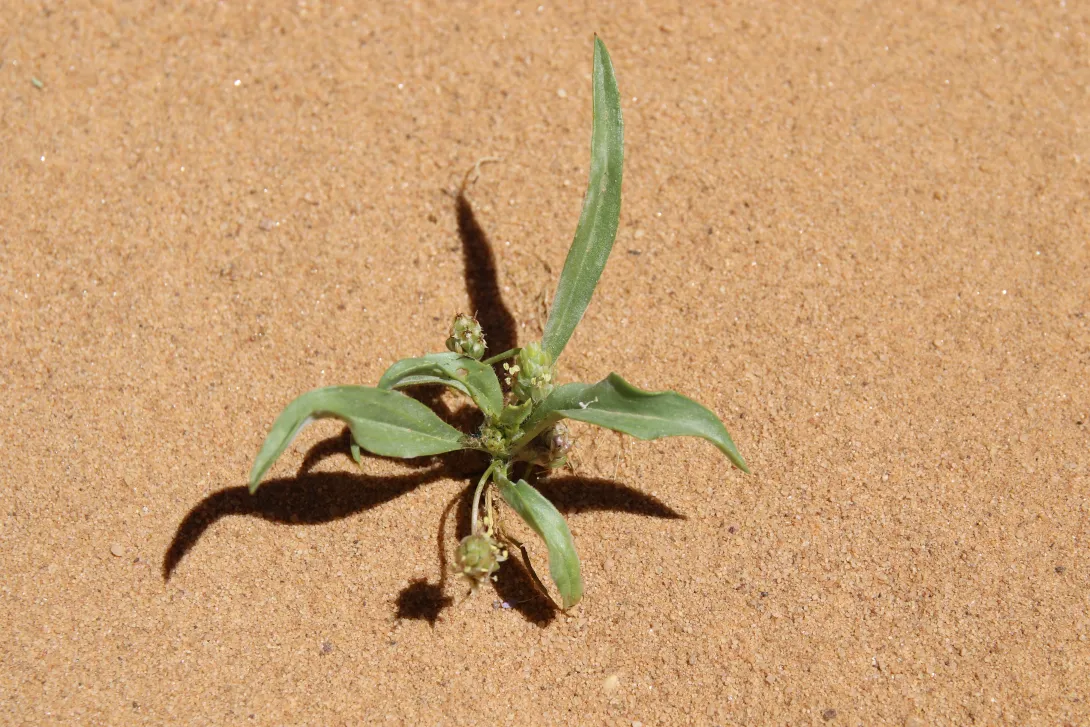
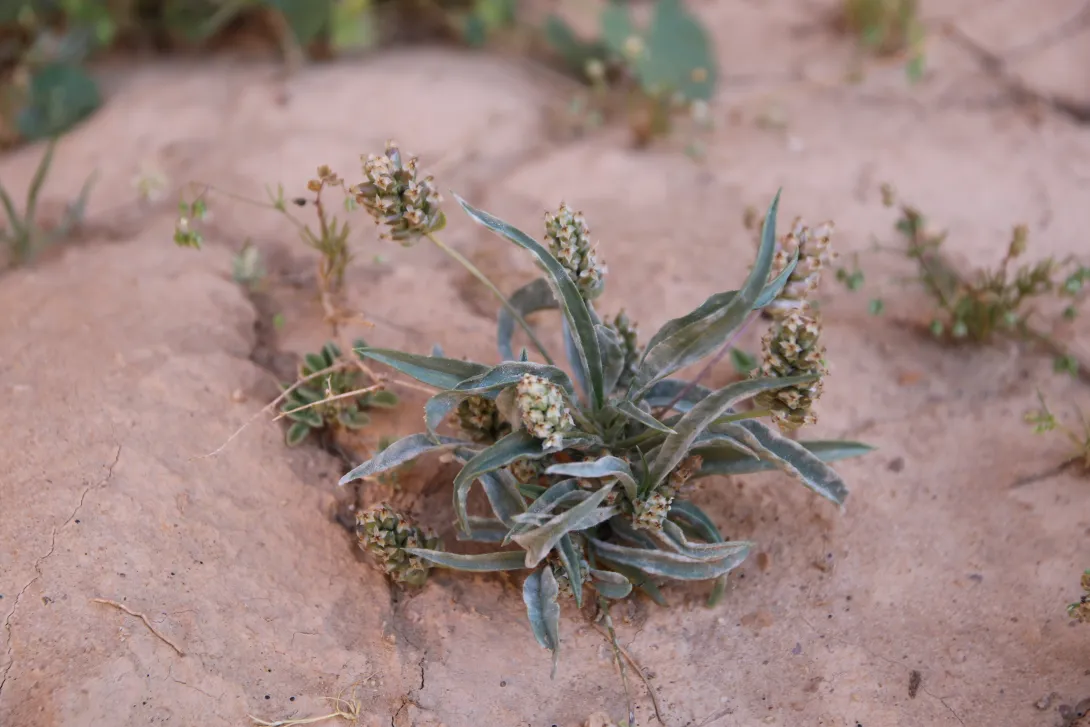
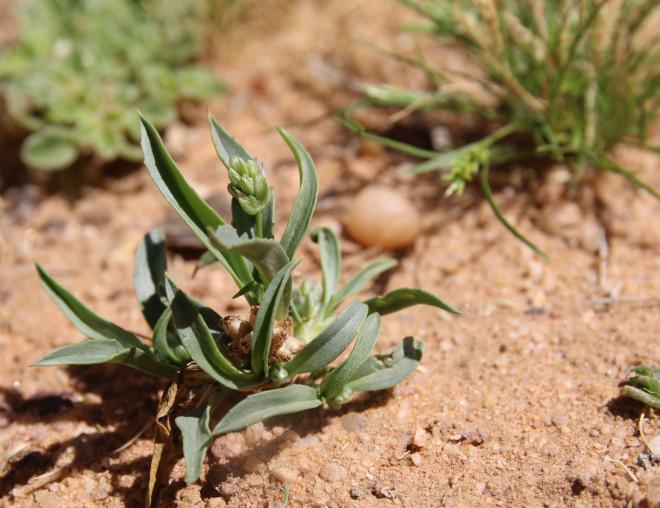
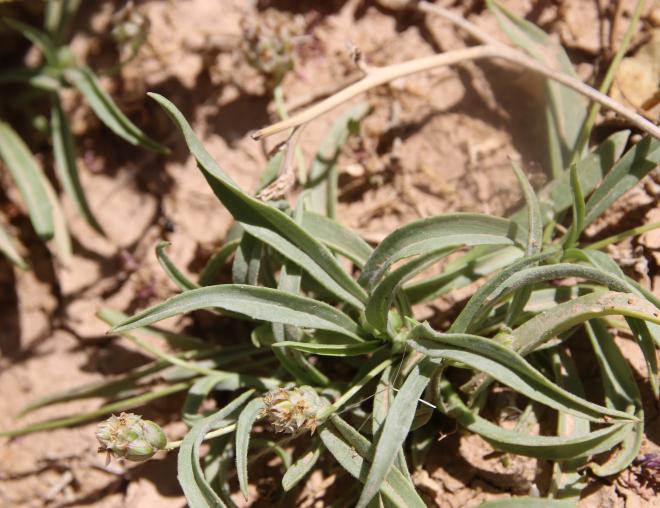
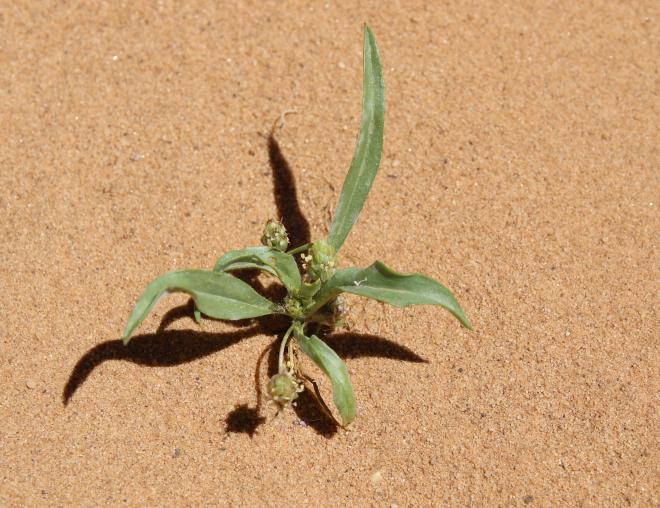
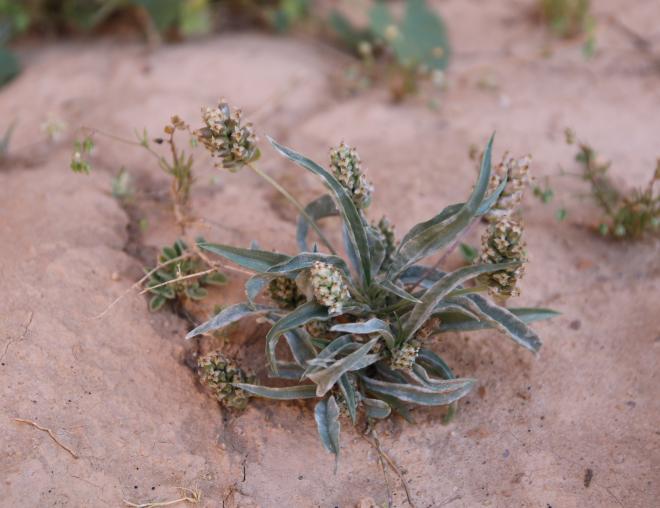
Annual herb, usually branched from the base, glabrous to sparsely pilose, up to 15 cm tall. Leaves are entire or with few remote teeth, alternate and amplexicaul, lanceolate in shape, gradually narrowing into a vaginate, multicostate petiole, up to 14 cm long and 17 mm wide. Scapes are axillary and up to 20 cm long. Spikes are dense and ovoid, 0.5–3 cm long. Bracts are ovate-oblong, glabrous, with a green median band and wide scarious margins, up to 6 mm long and wide. Sepals are broadly ovate, also with a green median band and wide scarious margins. Corolla tube is glabrous and enclosed by the bracts and calyx; the corolla lobes are lanceolate, white and membranous, with a prominent brown triangular patch at the base. Fruits are ellipsoid capsules, about 6 mm long and 4 mm wide, with a brown, membranous base and a greenish-white lid. Seeds are borne in pairs, dark greenish-brown, strongly concave, 6 mm long and 3 mm wide.
- Growth Form
-
Description
-
Habitat and Distribution
- Habitat
-
Geographical Distribution Range
This Saharo-Arabian species is widely distributed, occuring from Morocco, Mauritania and Spain to Sinai, extending across the whole Arabian Peninsula to Pakistan and India. It has also been intorduced to Germany.
-
Ecology
-
Phenology
JanFebMarAprMayJunJulAugSepOctNovDecFloweringFructification
- Origin
-
IUCN Red List Category
 Not Evaluated
-
Phenology
-
Uses and Values
-
Aromatic and Medicinal Use
Medicinal use
-
Description of Traditional Uses
Used similarly to other Plantago species in folk medicine, often as a soothing agent.
-
Aromatic and Medicinal Use
Gallery