Ephedra alata Decne.
علند
Ephedraceae
1 / 7
-
Morphological Description
-
Description
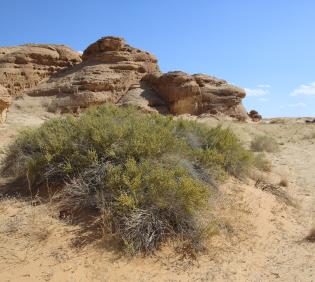
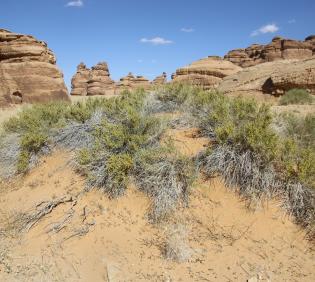
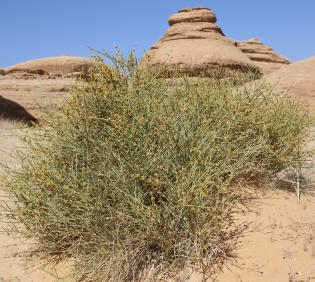
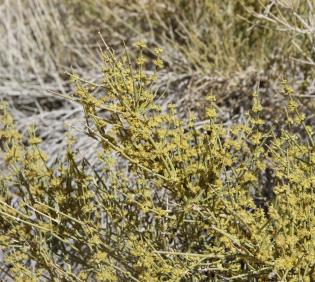
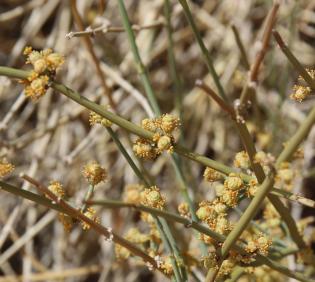
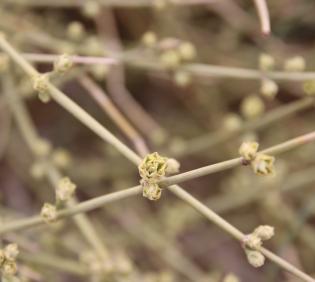
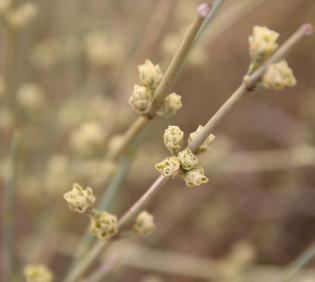
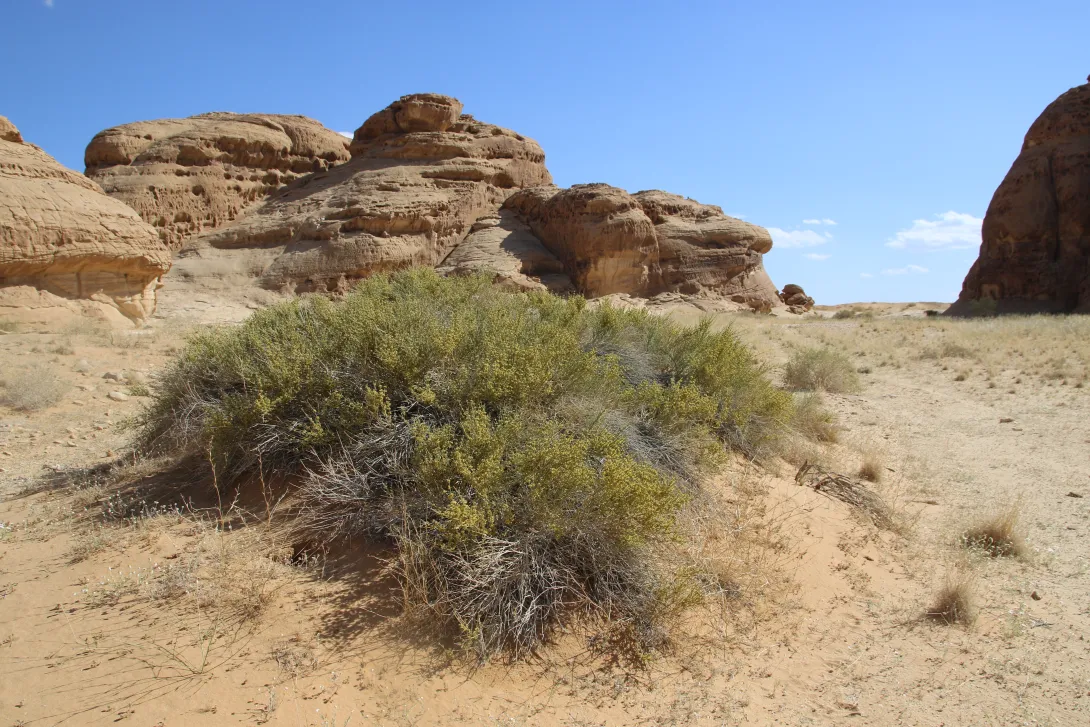
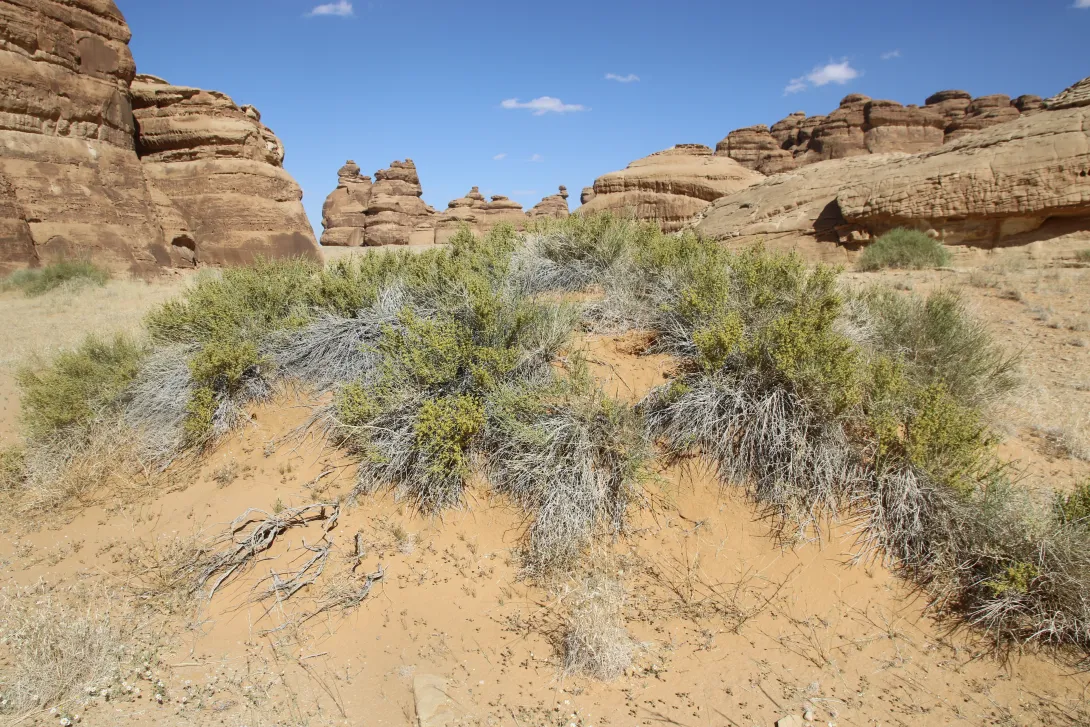
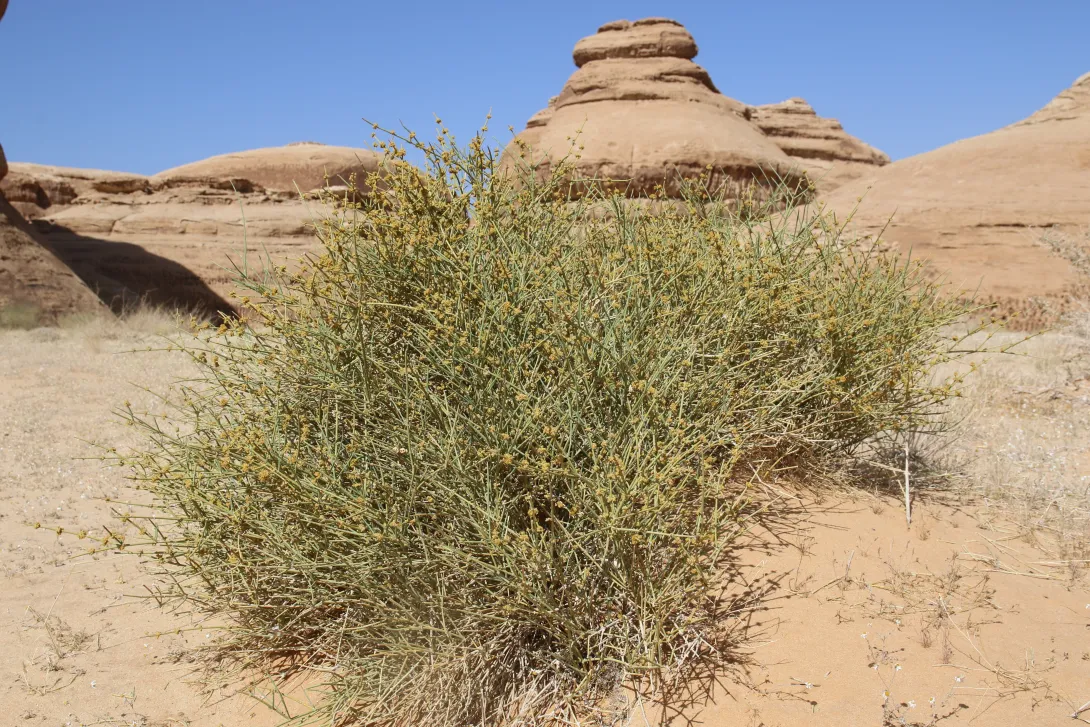
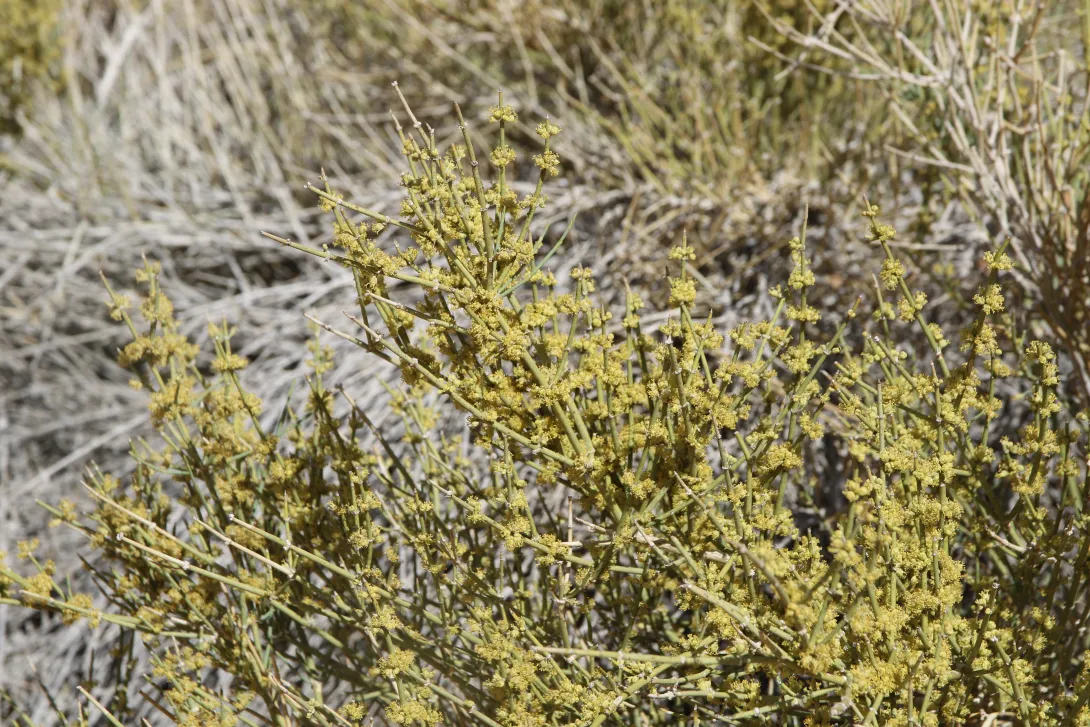
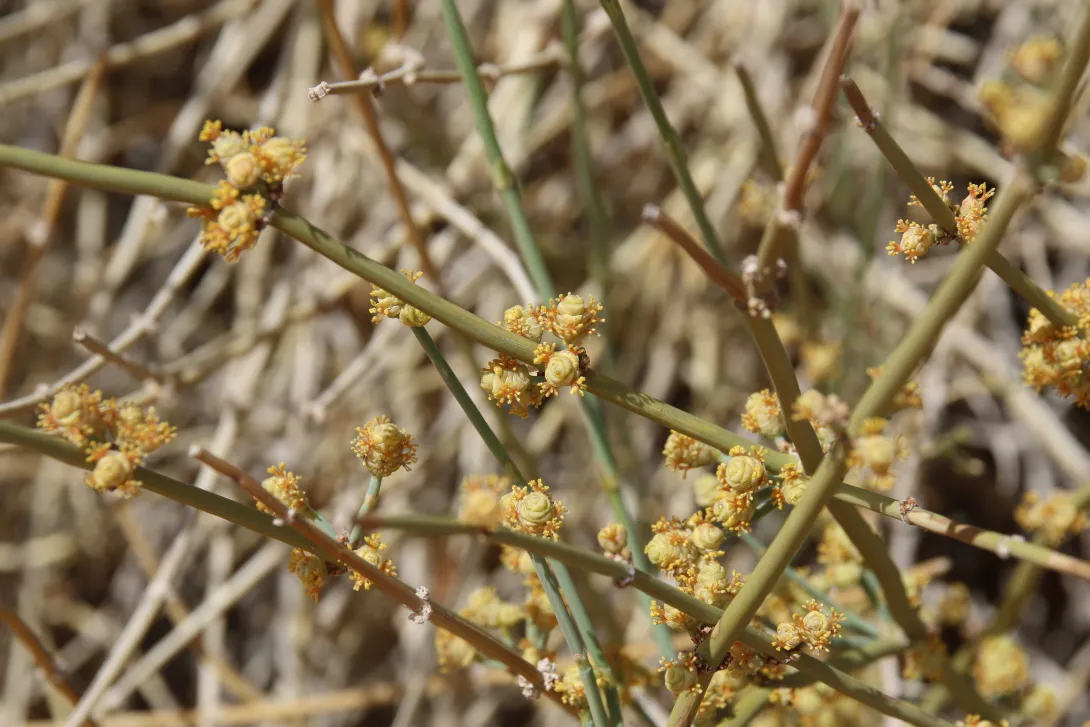
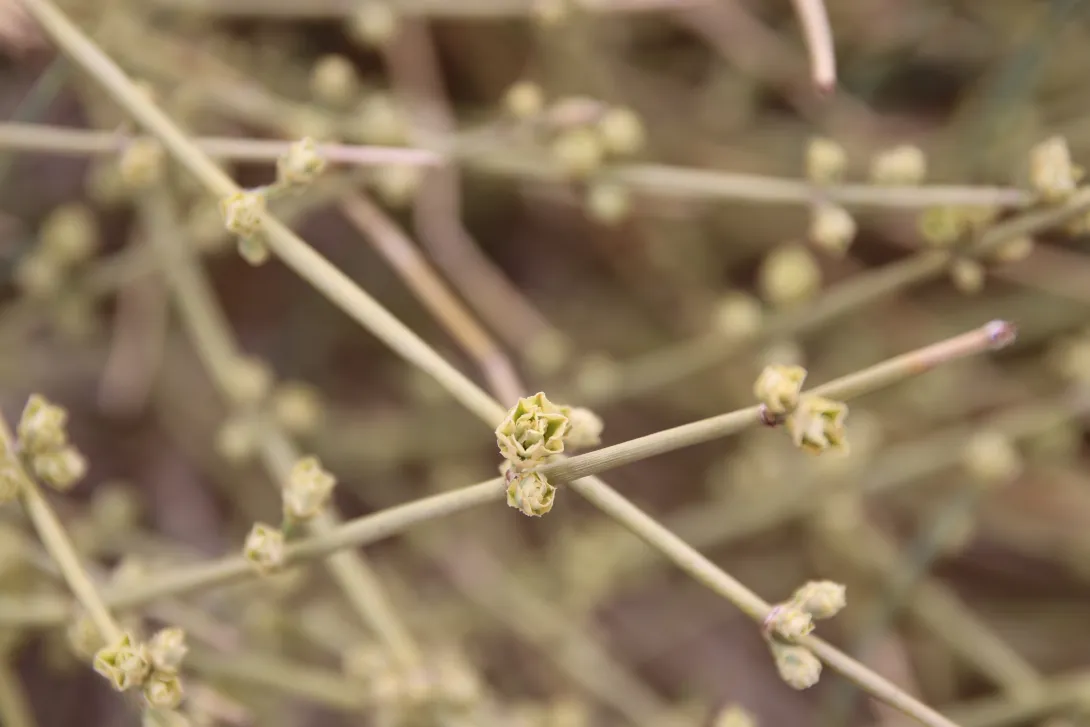
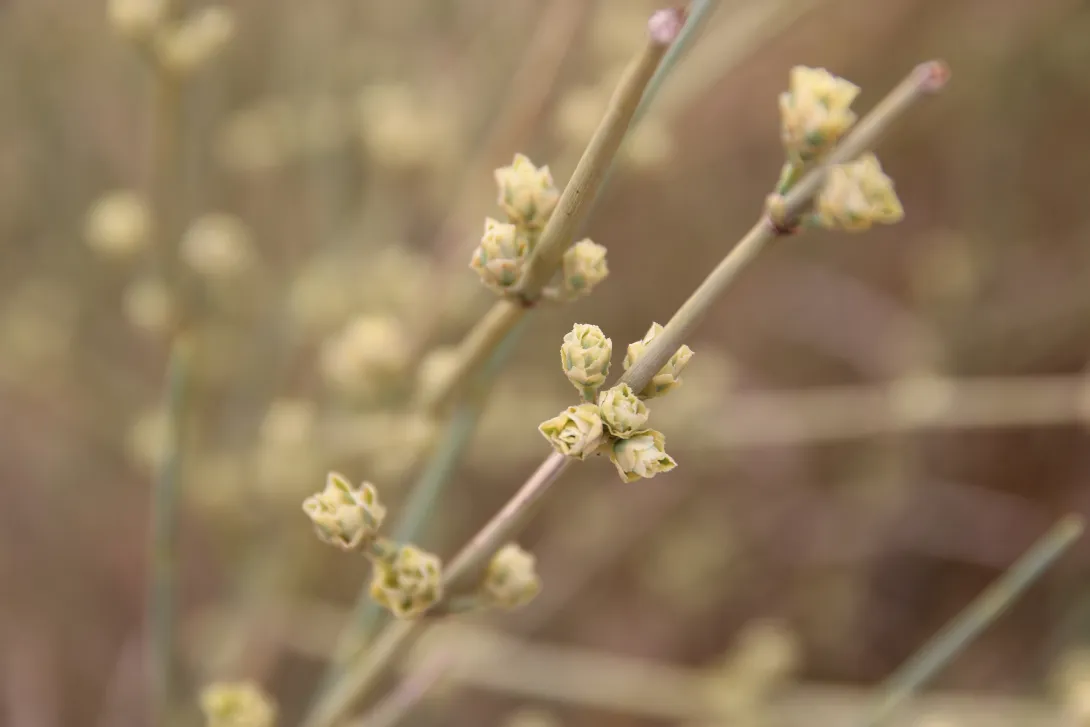
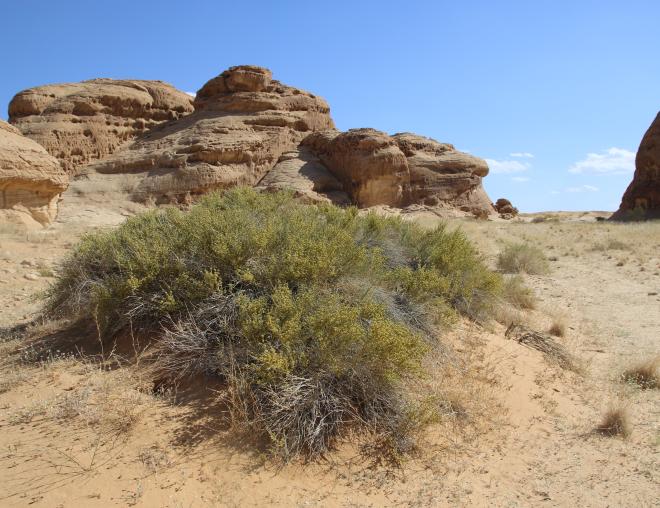
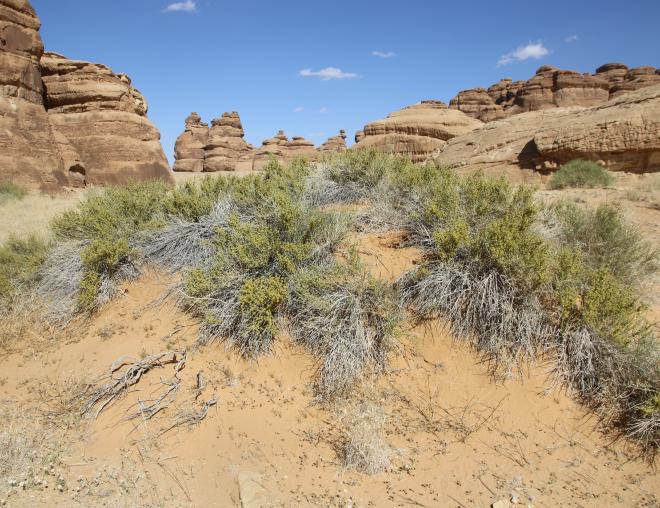
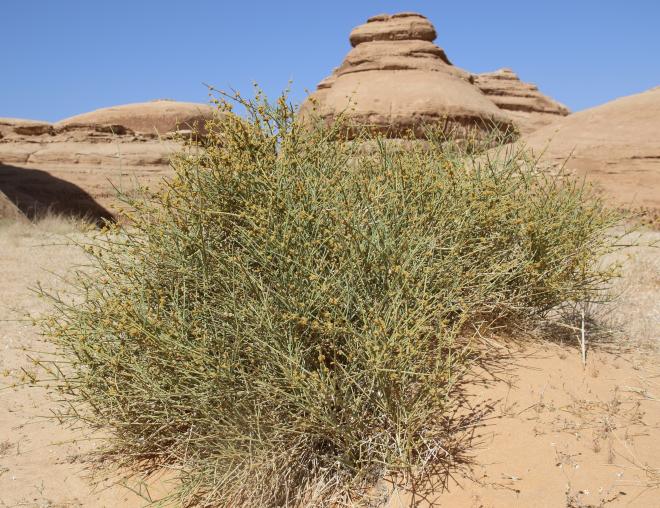
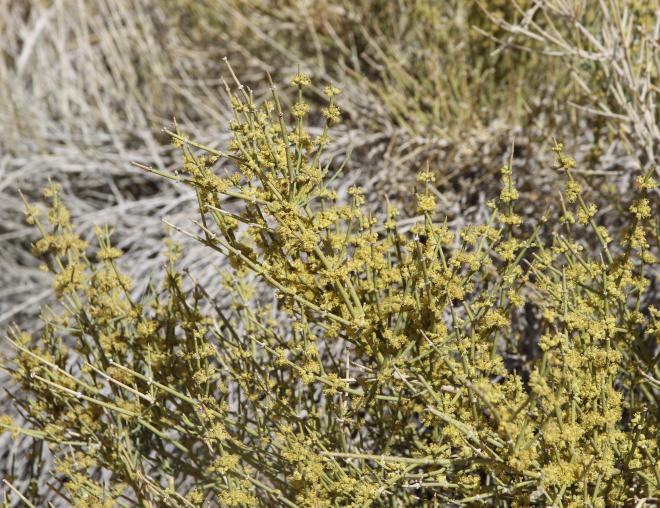
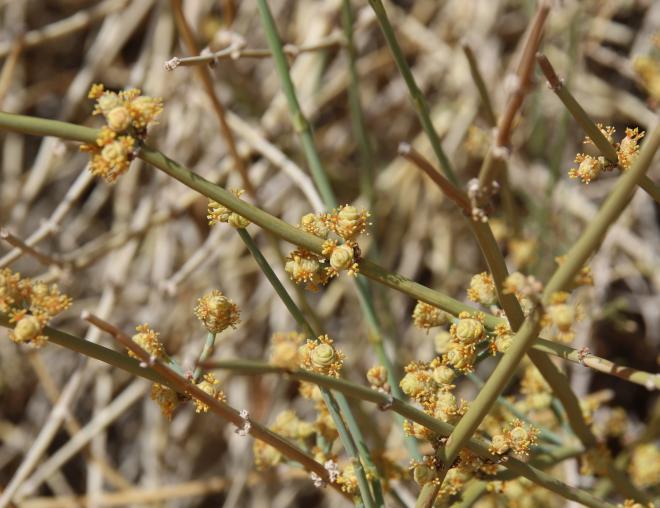
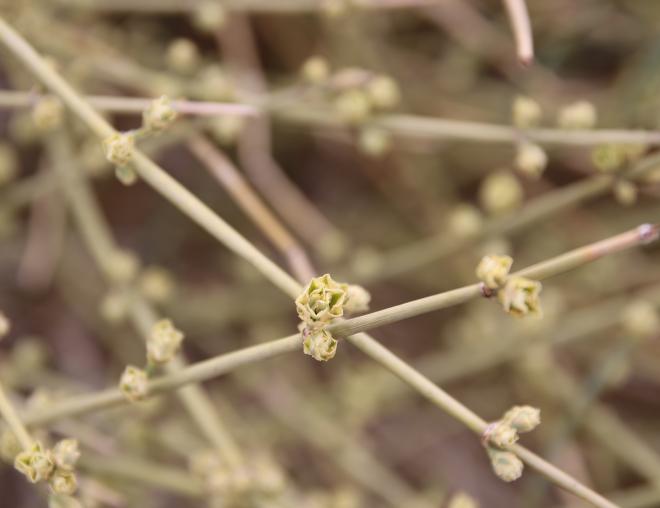
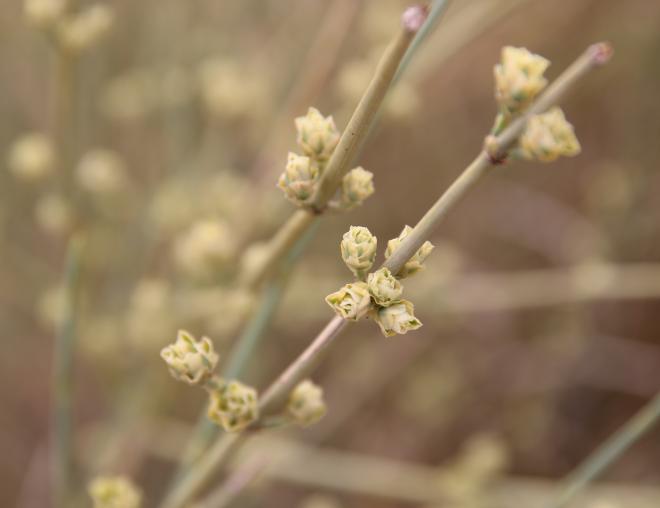
Divaricately branched shrub, clumps forming through creeping rhizomes. Branches yellowish green, relatively stout and rigid, smooth or scabrous. Leaves very small, up to 3 mm long, ciliolate. Male cone forming axillary clusters, sometimes more like glomerules; anthers stipicate. Female cones sessile, axillary or terminal to short lateral branches; bracts with wide, yellowish, papery, erose margins at maturity.
-
Growth Form
Phanerophyte
-
Description
-
Habitat and Distribution
- Habitat
-
Geographical Distribution Range
This species is native to the Saharo-Arabian bioregion and occurs from Mauritania and Morocco to the Arabian Peninsula.
-
Ecology
-
Phenology
JanFebMarAprMayJunJulAugSepOctNovDecFloweringFructification
- Origin
-
IUCN Red List Category
 Least Concern
-
Phenology
-
Uses and Values
-
Aromatic and Medicinal Use
Medicinal use
-
Description of Traditional Uses
The species of this genus are traditionally used to treat bronchial asthma, colds, flu, fever, nasal congestion, and allergic symptoms. Their use is predicated on the presence of alkaloid compounds, and preparations typically involve teas or infusions.
-
Aromatic and Medicinal Use
Gallery