Anastatica hierochuntica L.
كف مريم
Syn. Myagrum hierochunticum (L.) Crantz
True Rose of Jericho, Resurrection Plant, Dinosaur Plant
Brassicaceae
1 / 9
-
Morphological Description
-
Description
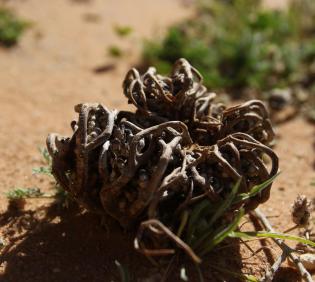
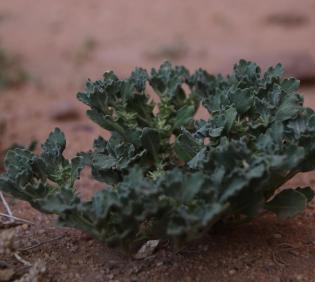
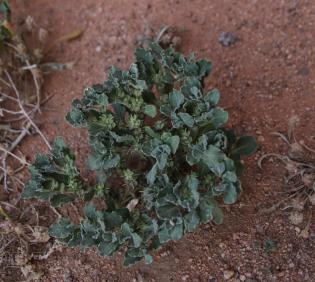
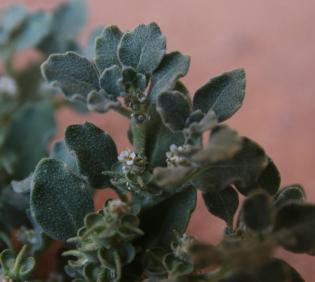
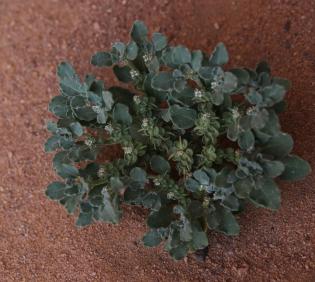
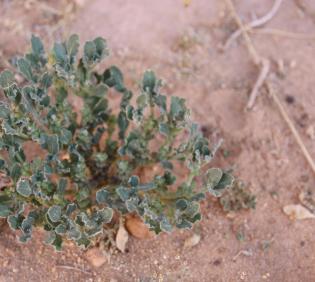
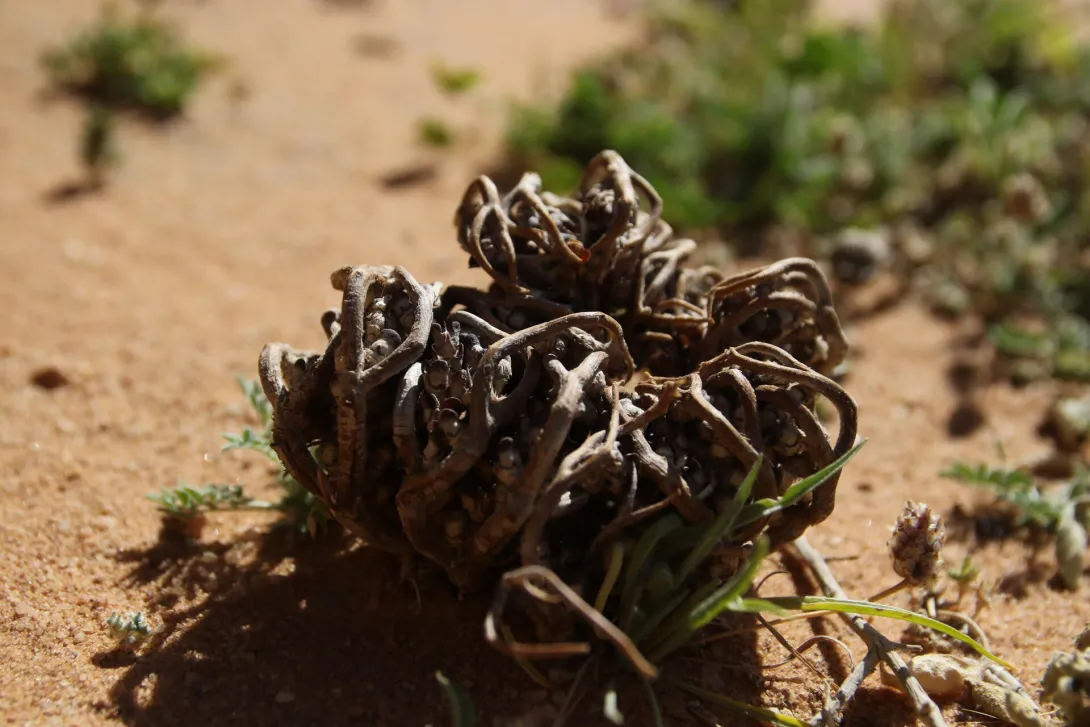
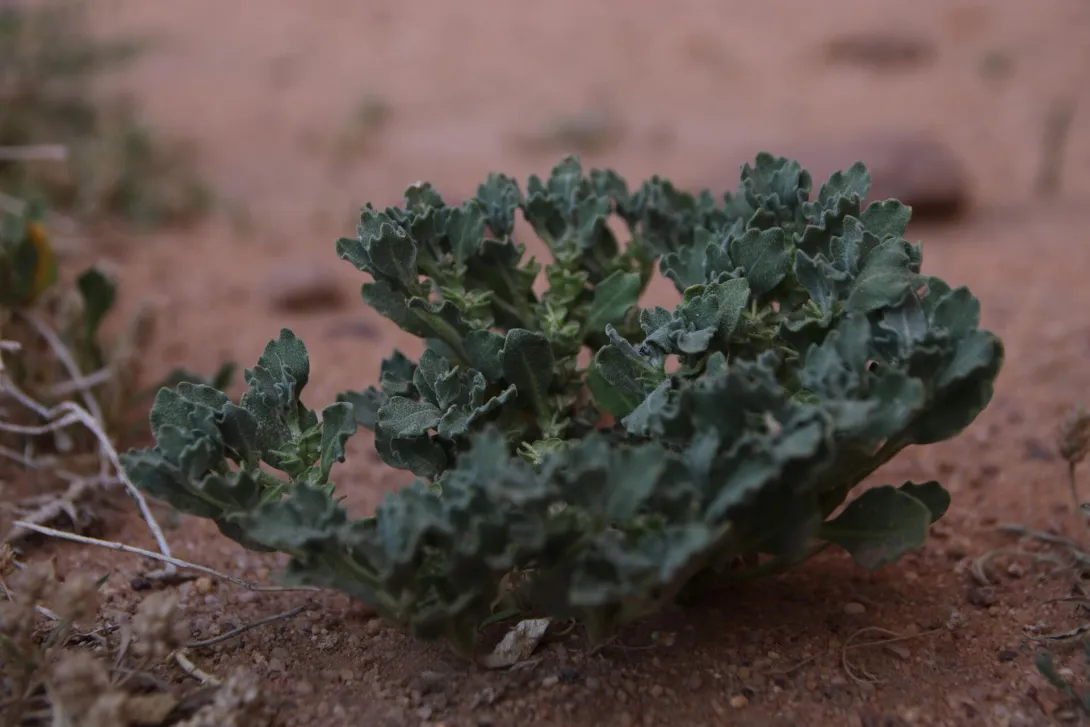
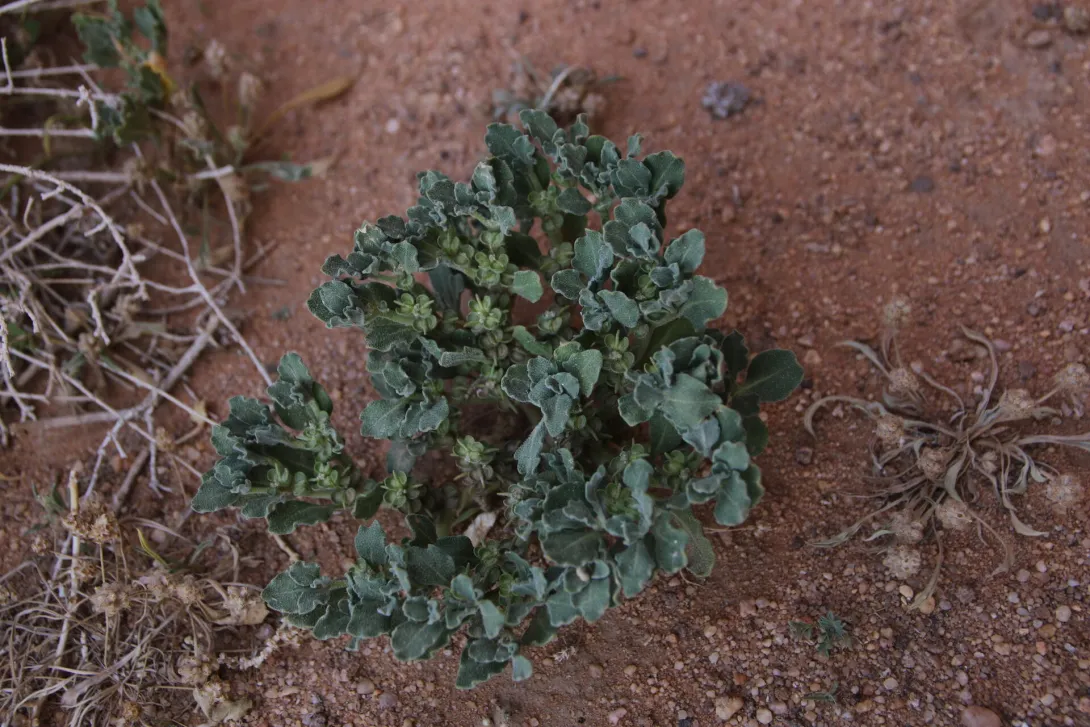
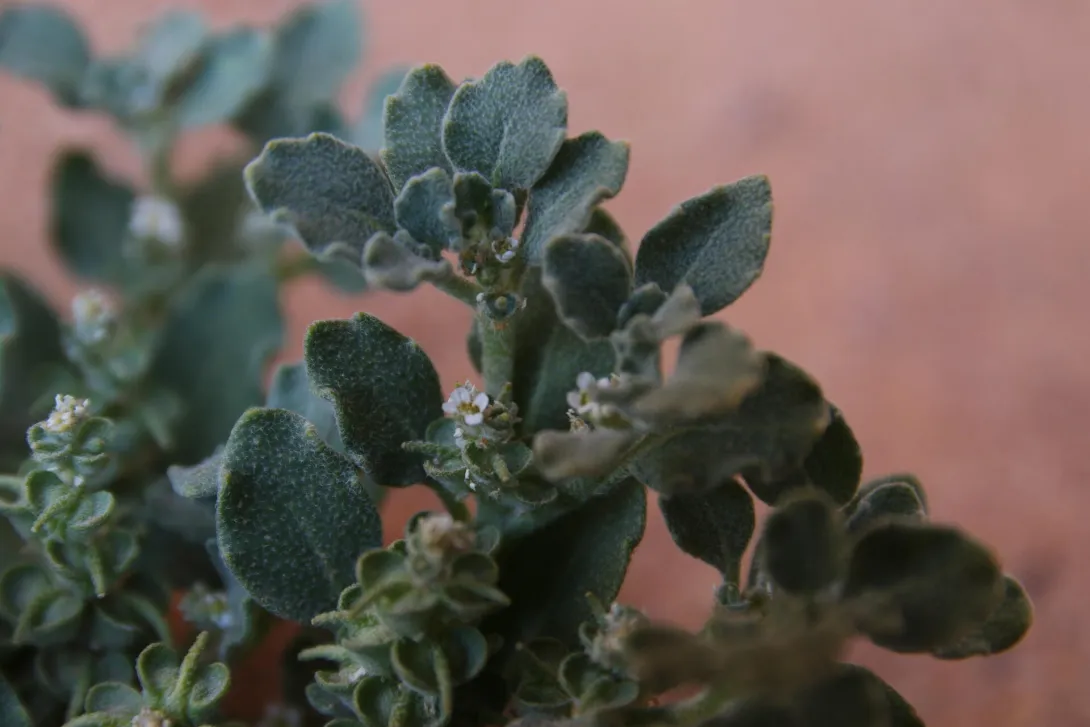
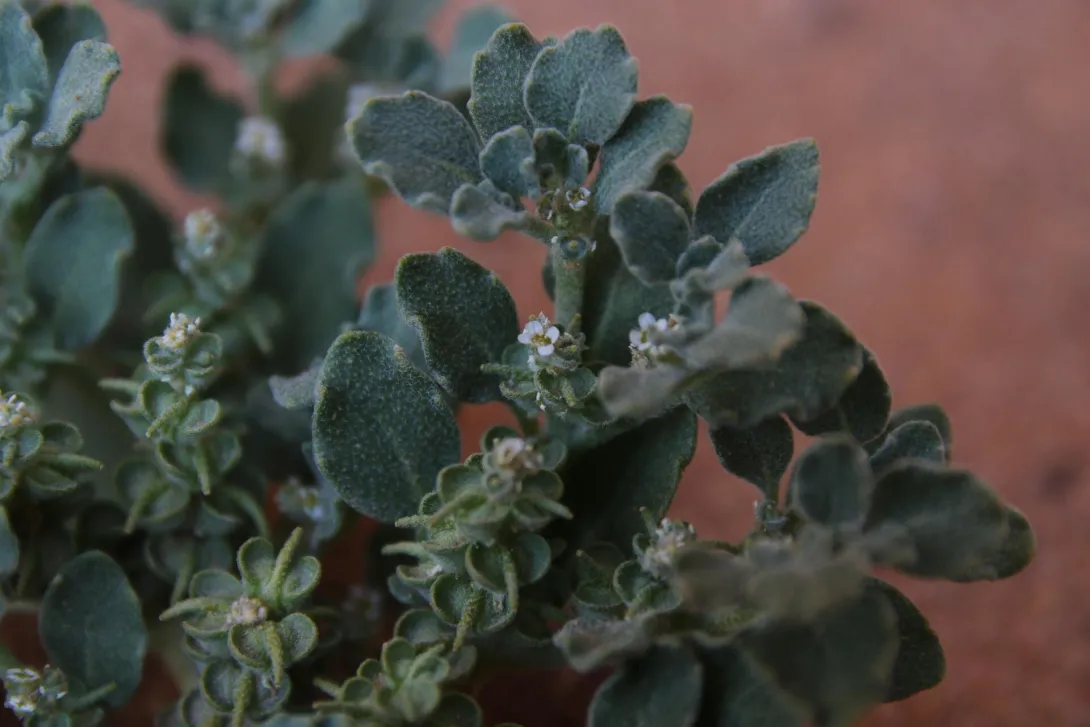
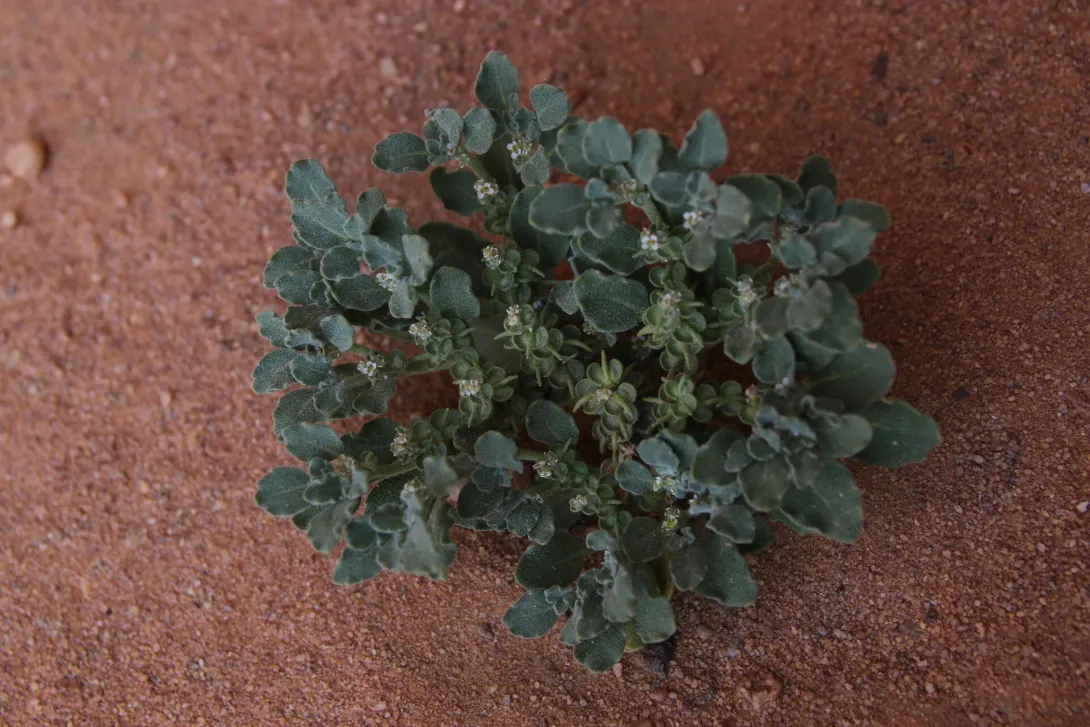
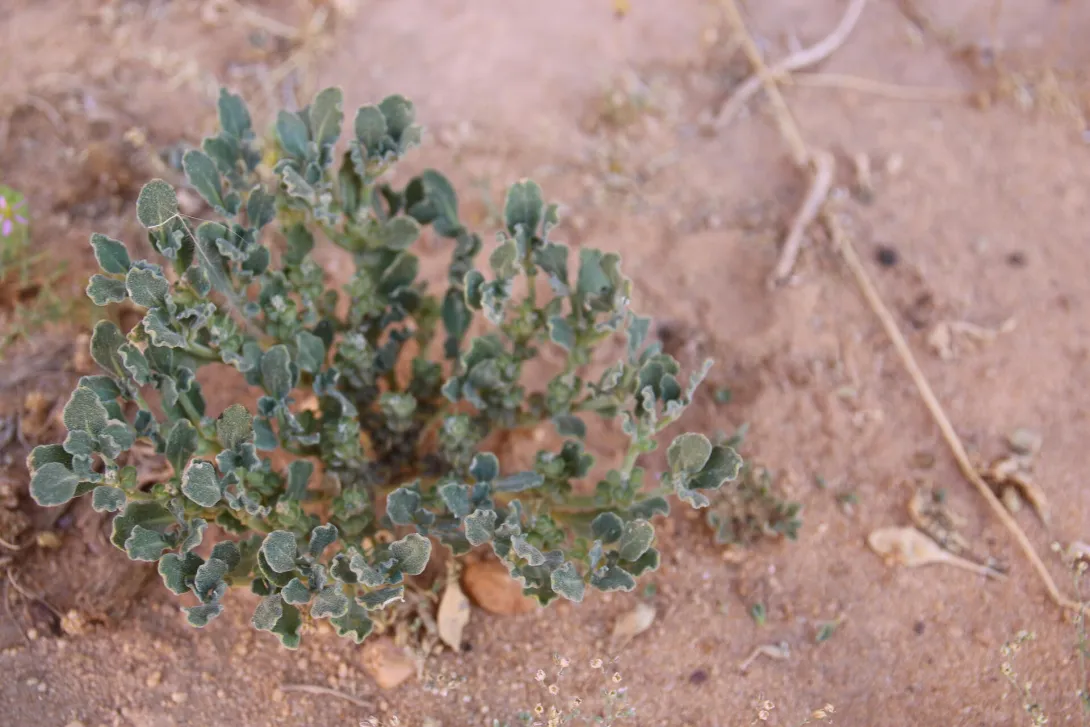
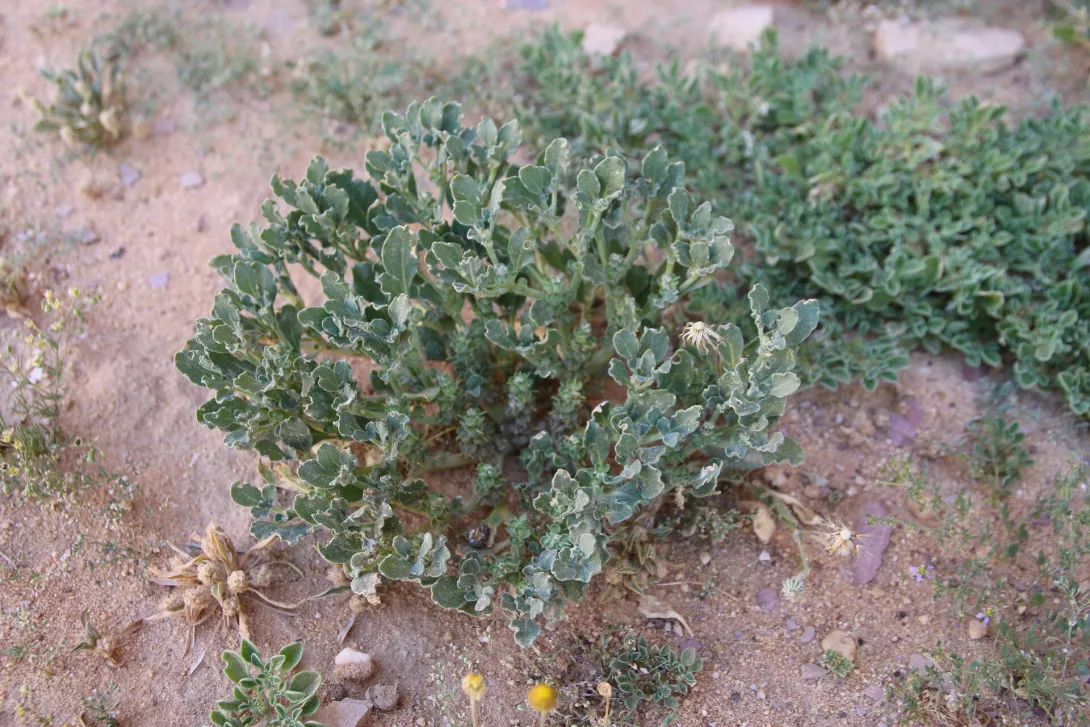
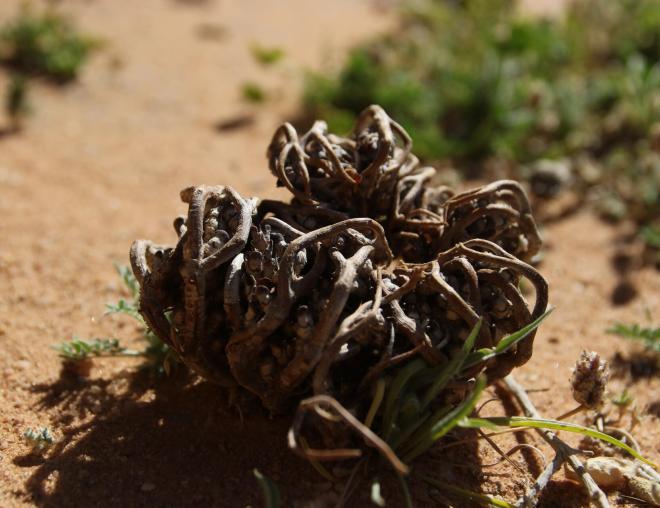
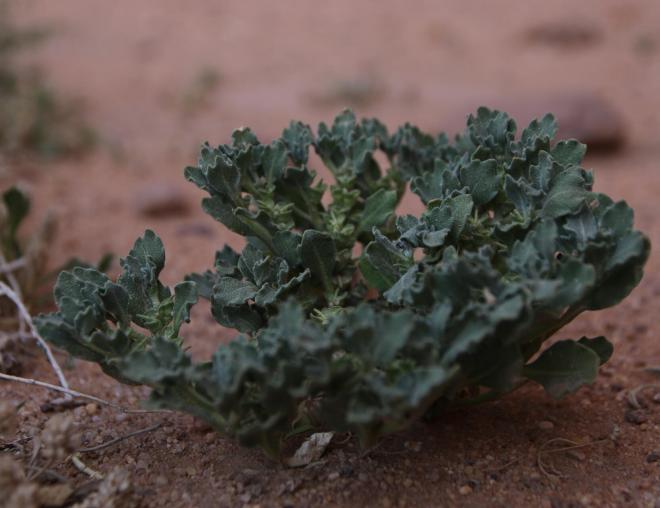
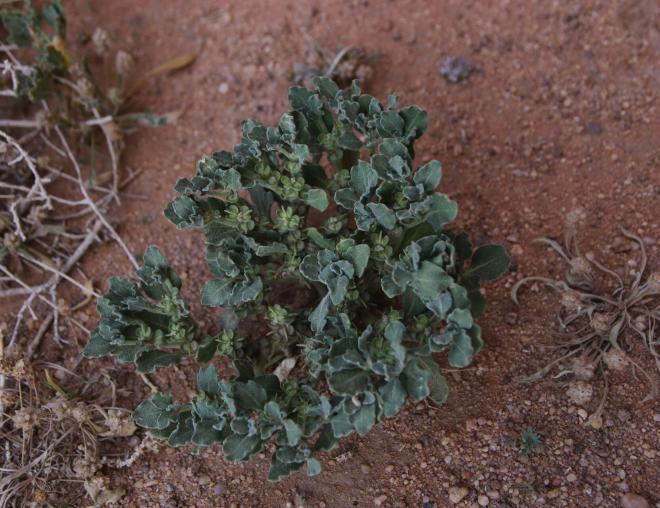
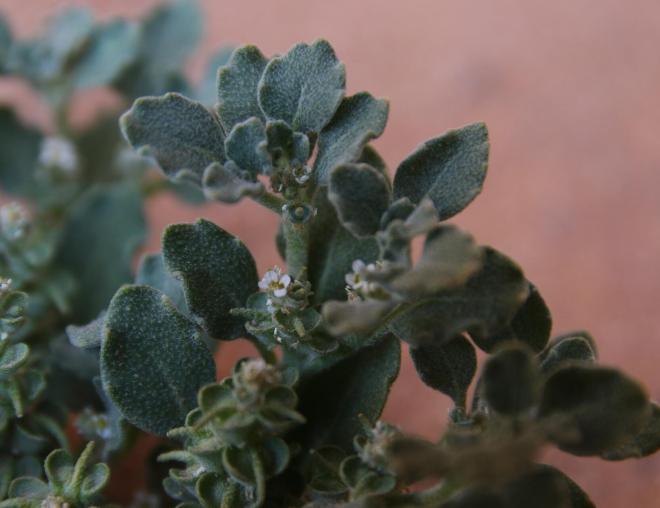
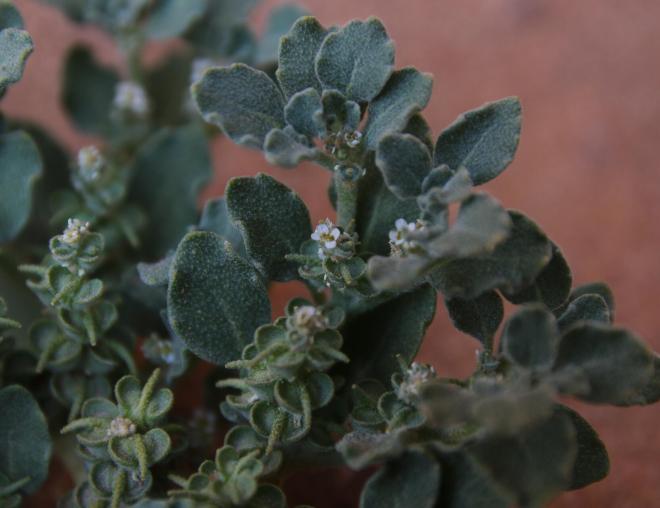
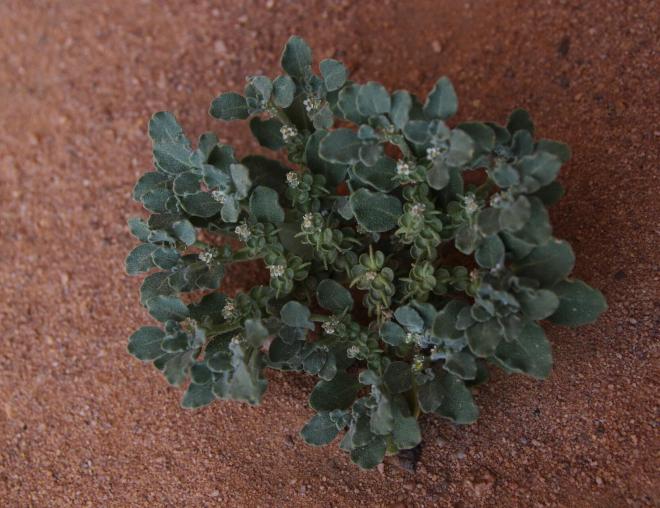
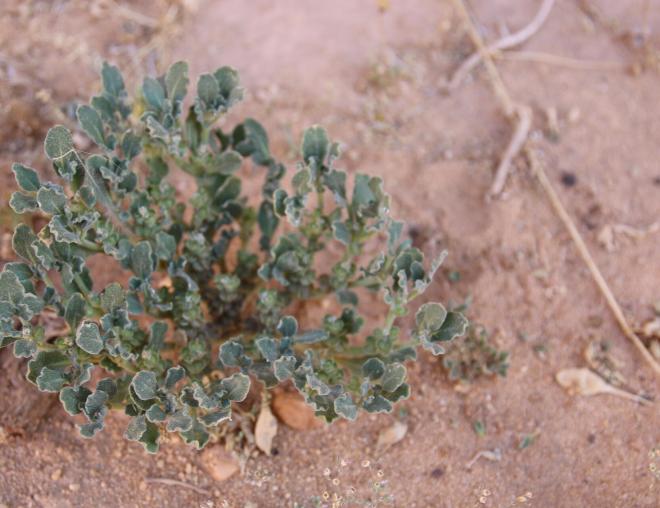
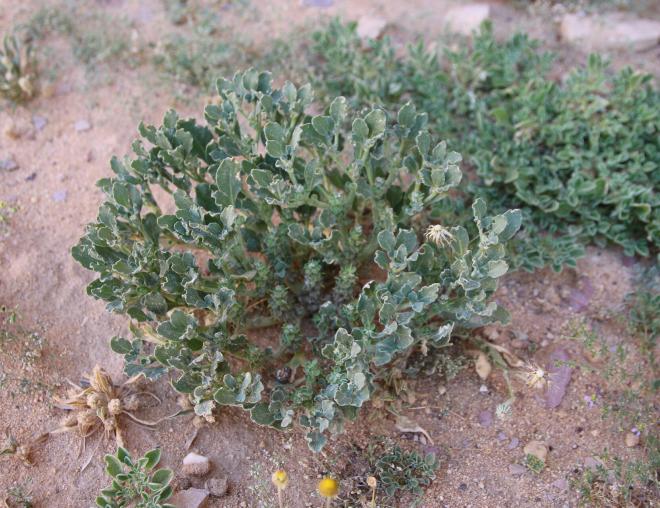
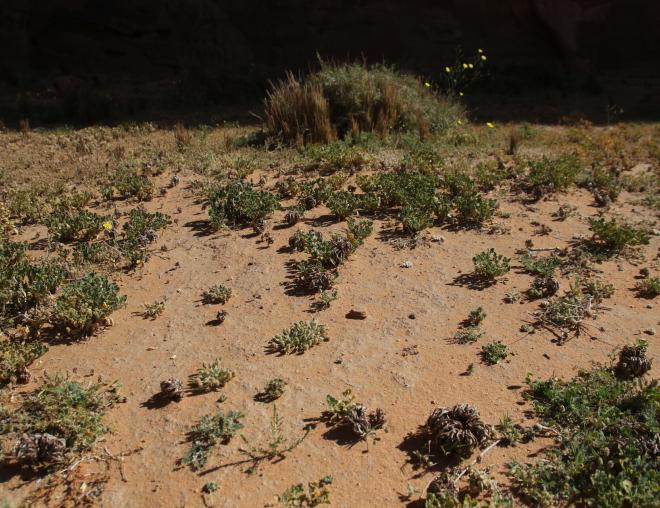
Annual, highly branched from the base, forming a rounded ball, usually 5–15 cm. Branches slender, spreading when hydrated and tightly incurved when dry, protecting the fruit. Leaves small, oblong, sessile, soon falling. Flowers solitary, axillary, small, white, with 4 petals. Silicula globose, indehiscent, enclosing seeds. Entire plant hygroscopic, opening with humidity to release seeds.
- Growth Form
-
Description
-
Habitat and Distribution
- Habitat
-
Geographical Distribution Range
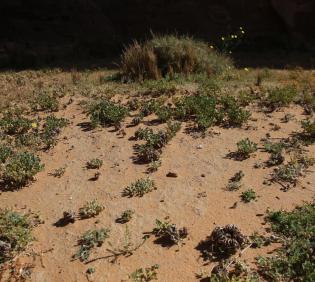
The Rose of Jericho is native to the Saharo-Arabian region, with a wide distribution from North and East Africa to the Middle East and parts of South Asia.
-
Ecology
-
Phenology
JanFebMarAprMayJunJulAugSepOctNovDecFloweringFructification
- Origin
-
IUCN Red List Category
 Not Evaluated
-
Remarks
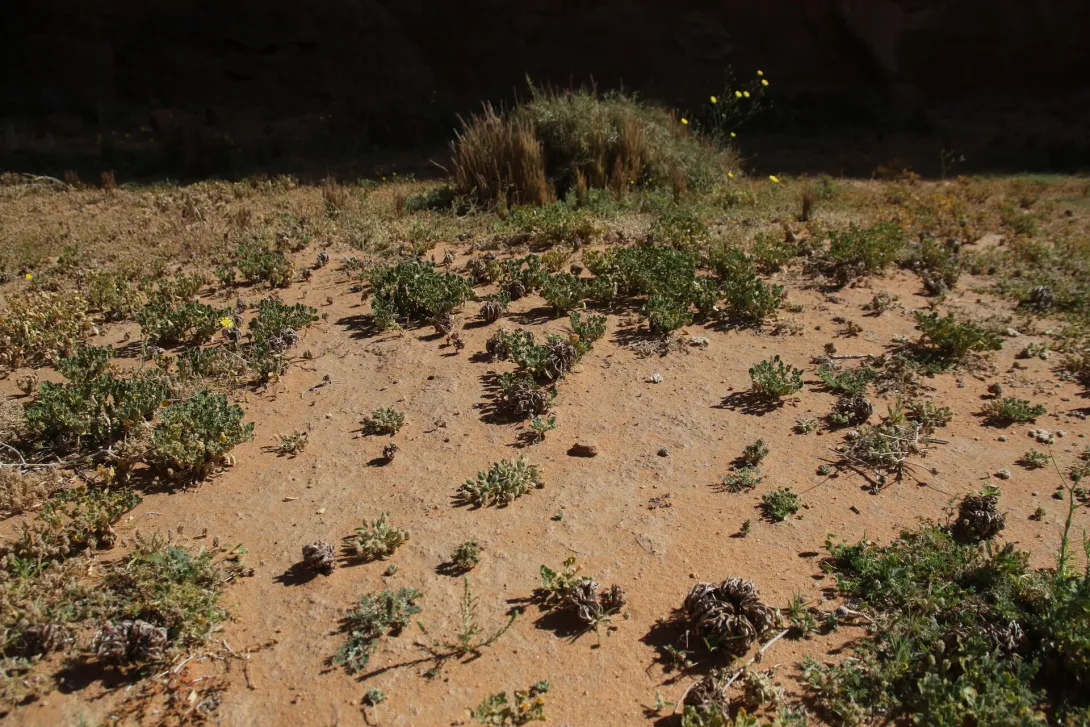
The Rose of Jericho is well known for its remarkable ability to survive desiccation. When dry, its leaves curl inward into a tight, spherical shape, allowing the plant to remain dormant in the soil for years. Upon exposure to moisture, it unfolds and appears to “come back to life.” This unique feature contributes to its popularity in traditional medicine, and the whole dried plant is widely sold in markets for its reputed healing properties. It is the only recognized species of its genus.
-
Phenology
-
Uses and Values
-
Aromatic and Medicinal Use
Medicinal use
-
Other Usages
Palatable
-
Description of Traditional Uses
Anastatica hierochuntica, commonly known as the "Rose of Jericho," is highly regarded in Middle Eastern and North African folk medicine. It is primarily valued for facilitating childbirth, treating menstrual cramps, and managing reproductive health disorders. Beyond its reproductive applications, it is utilized for gastrointestinal ailments, diabetes, and cardiovascular issues, with documented anti-inflammatory, analgesic, and antipyretic properties.
-
Aromatic and Medicinal Use
Gallery