Vachellia gerrardi (Benth.) P.J.H.Hurter
Syn. Acacia gerrardii Benth.




-
Morphological Description
-
Description
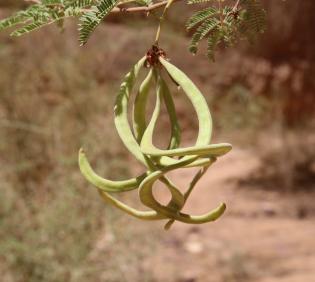
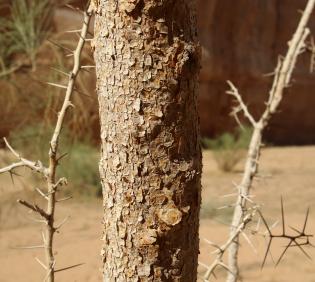
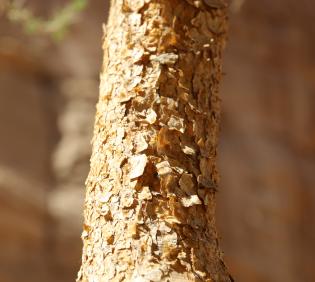
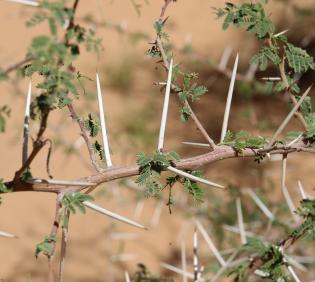
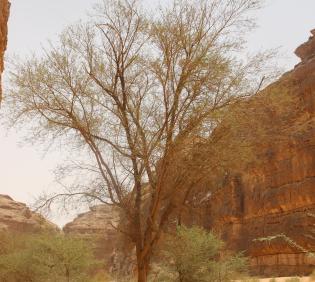
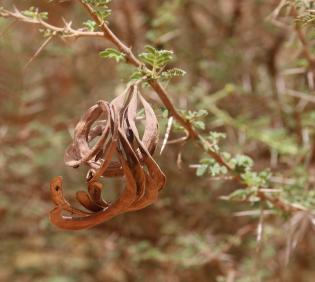
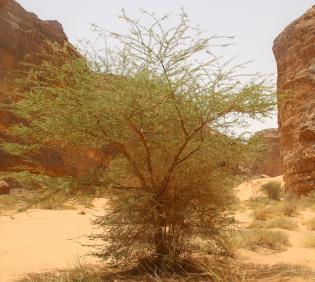
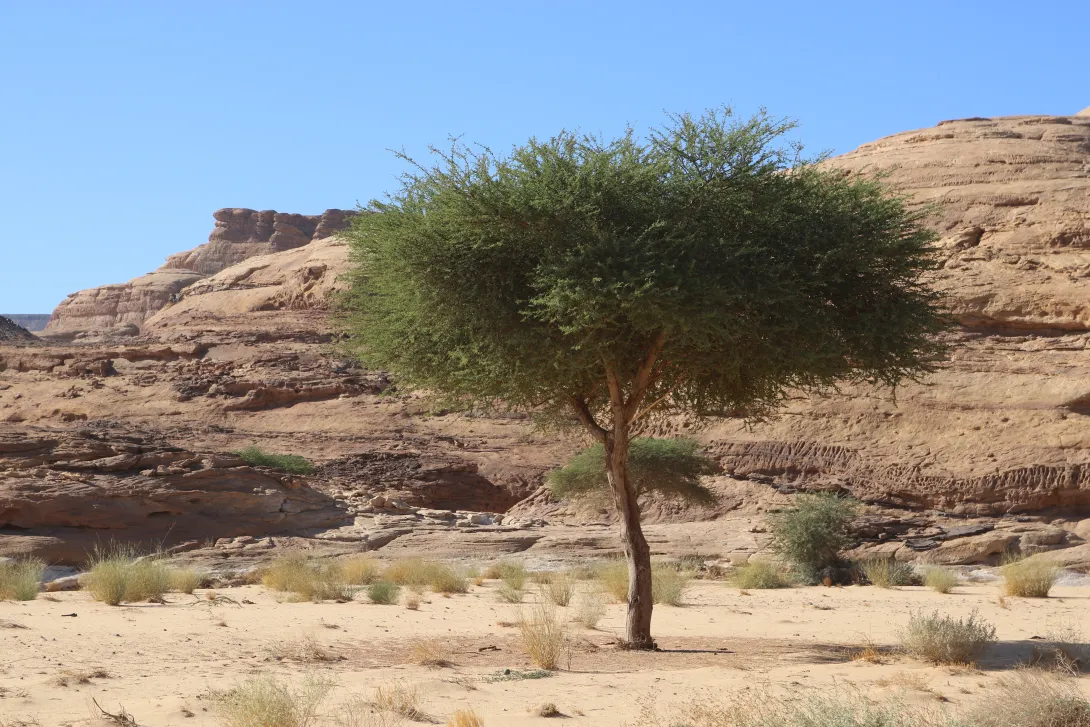
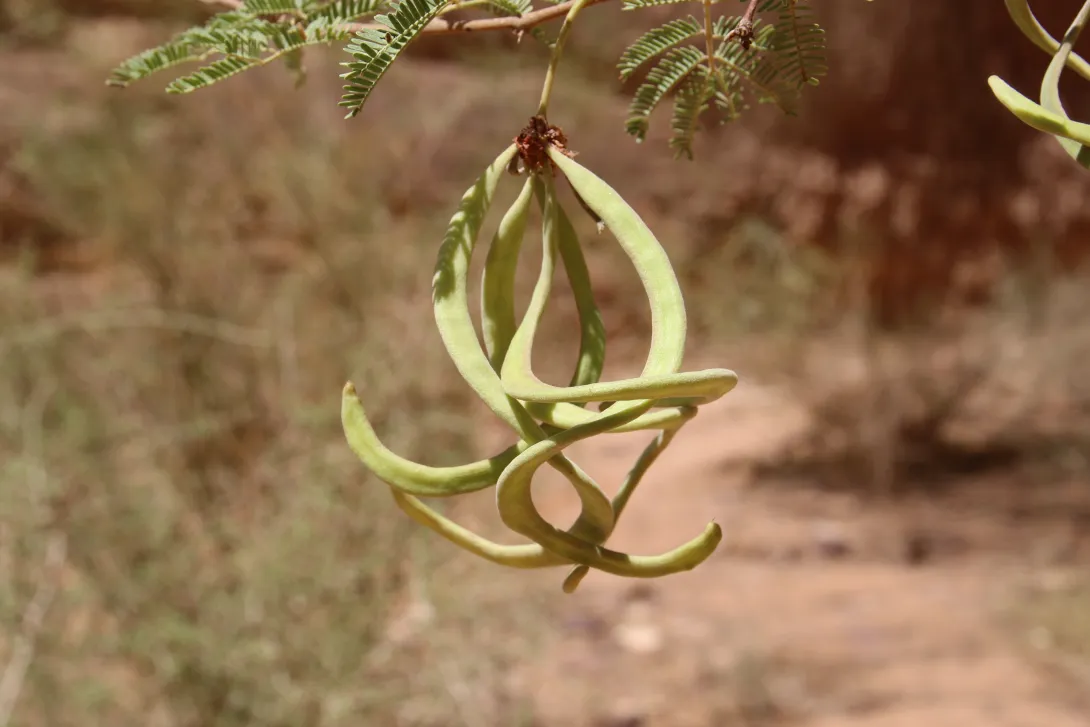
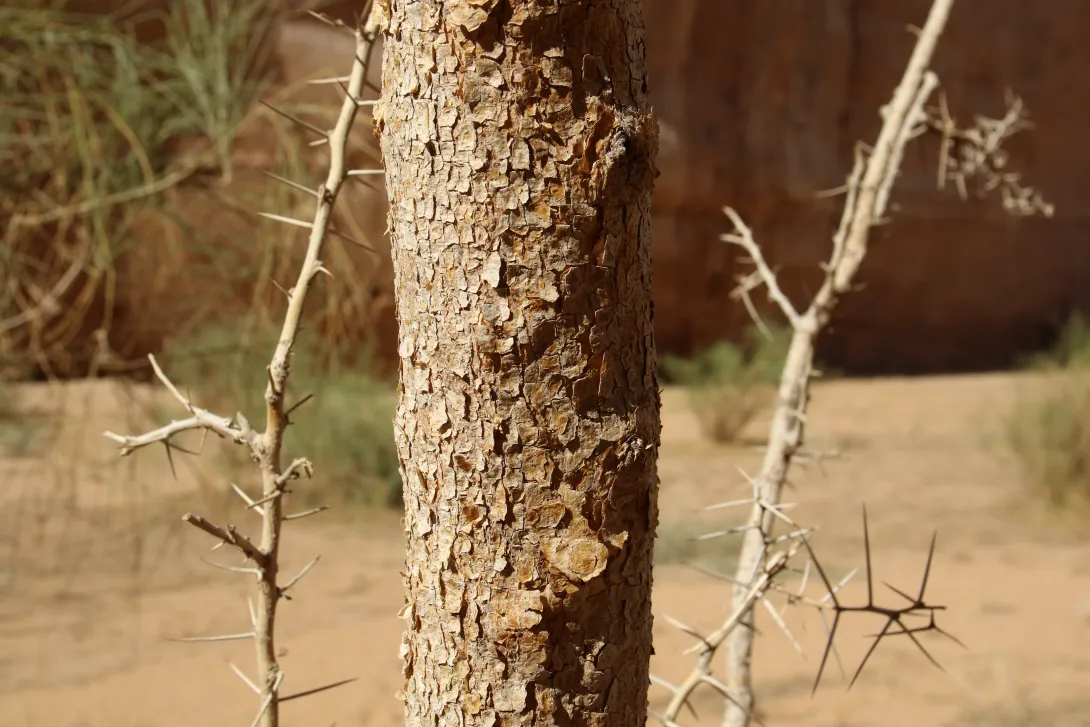
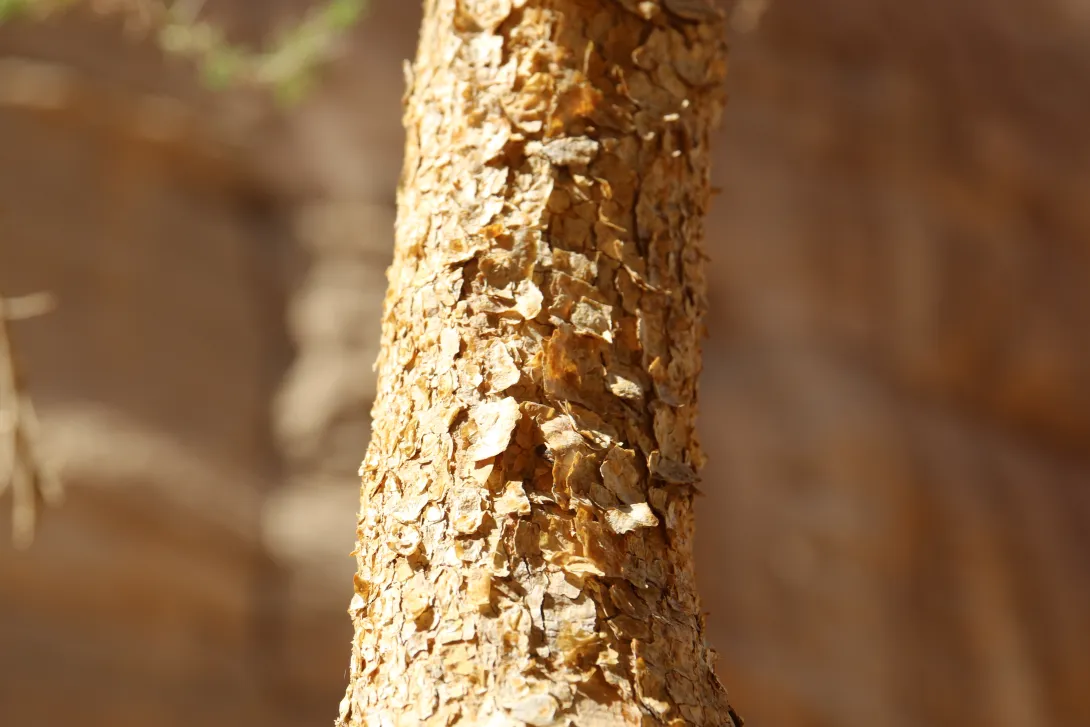
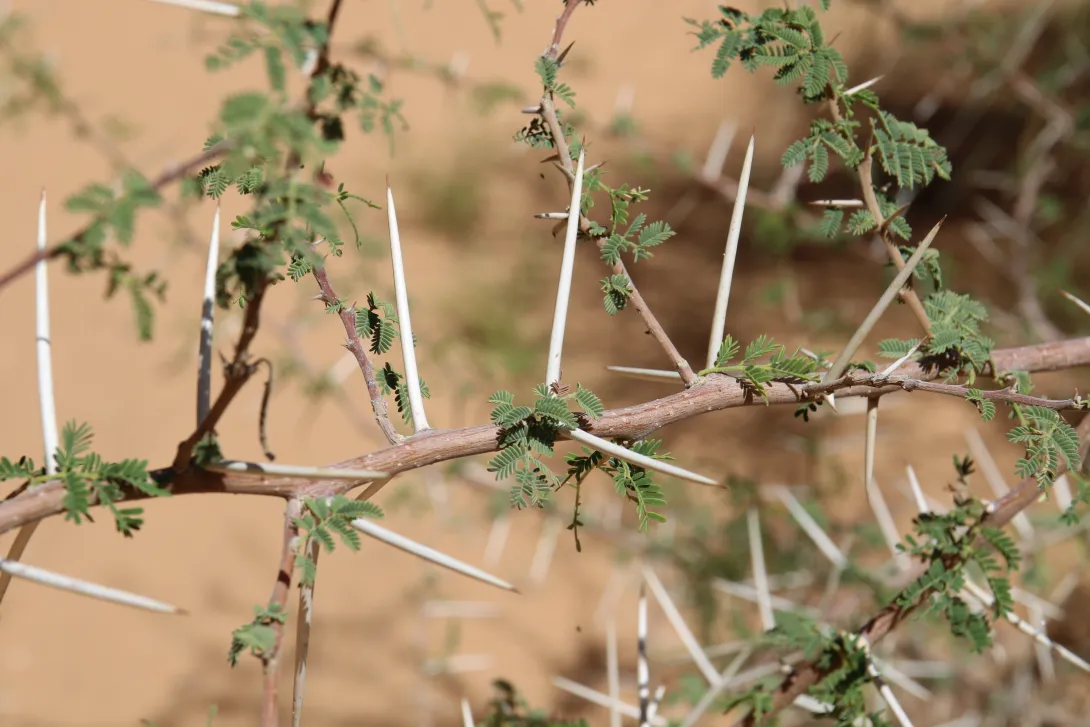
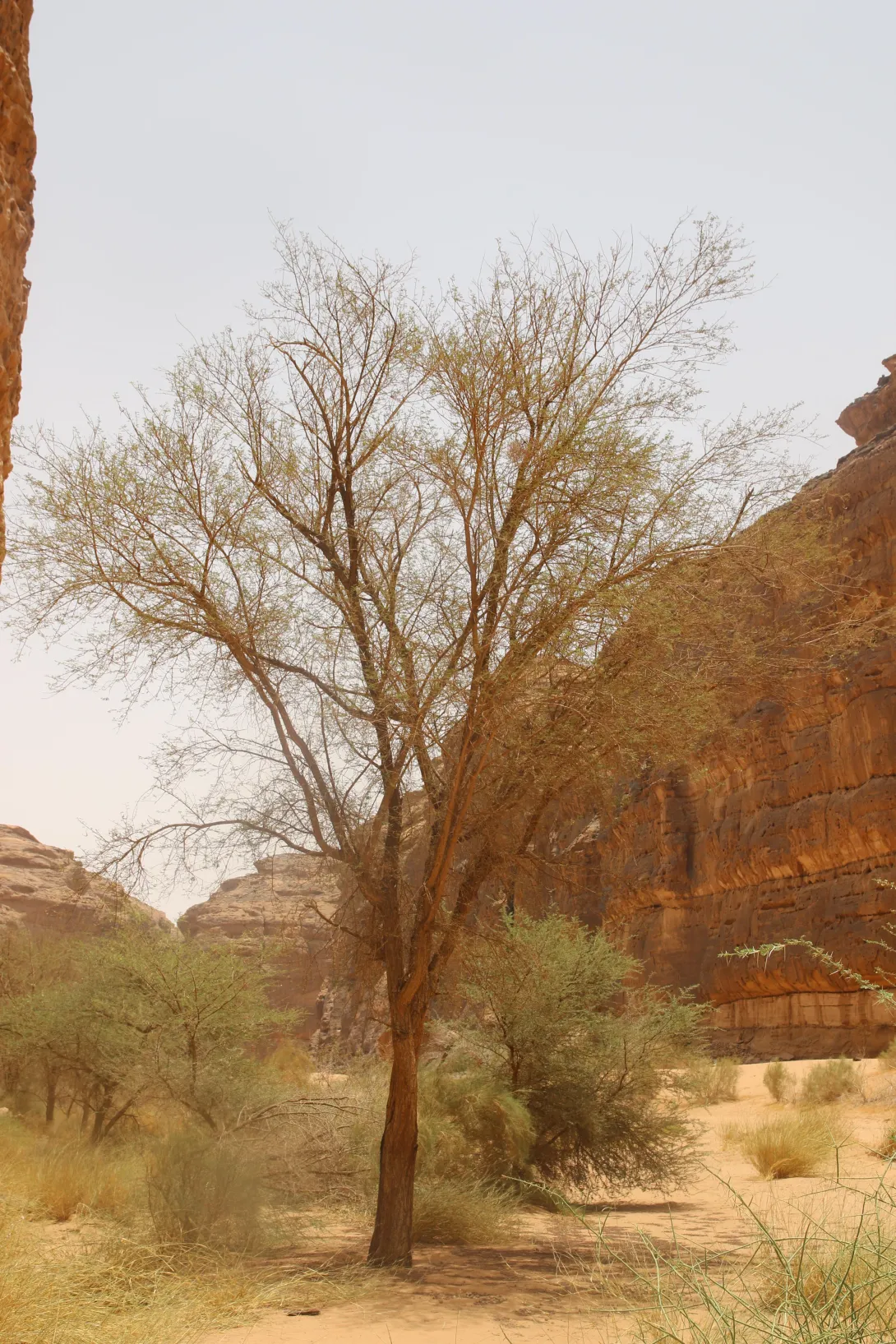
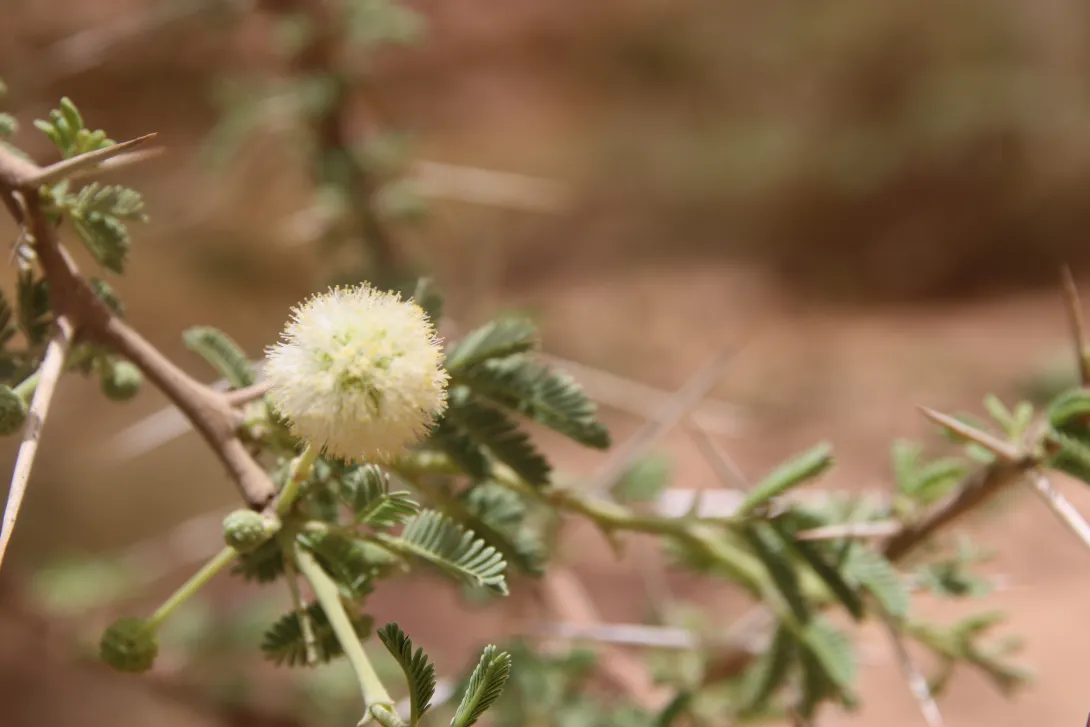
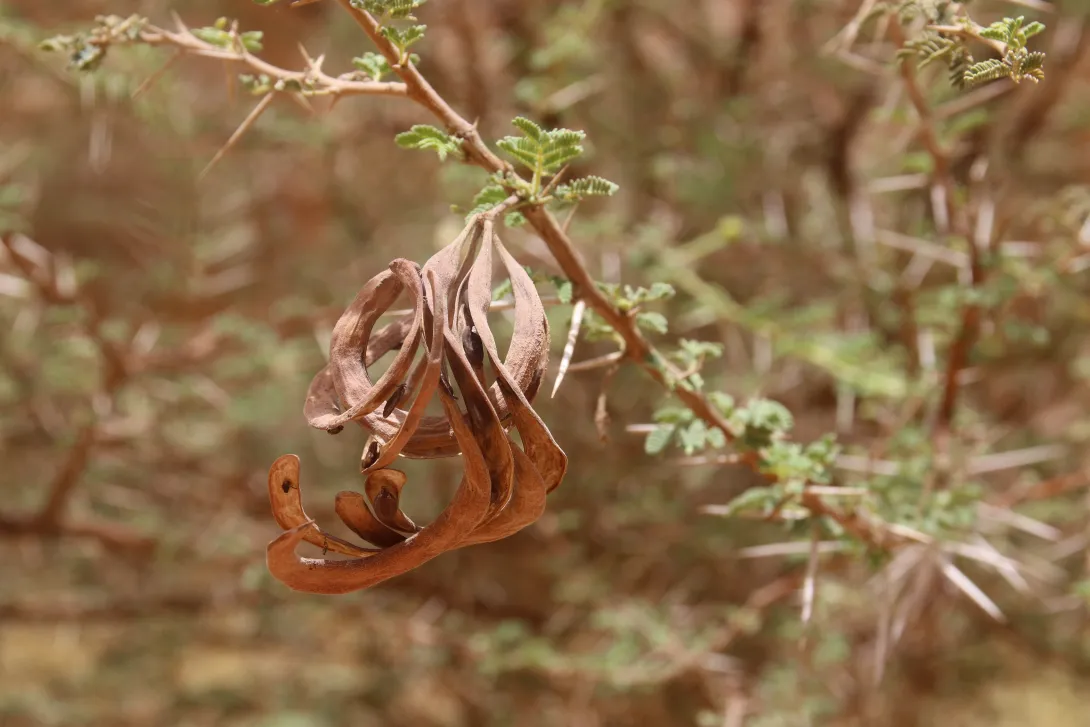
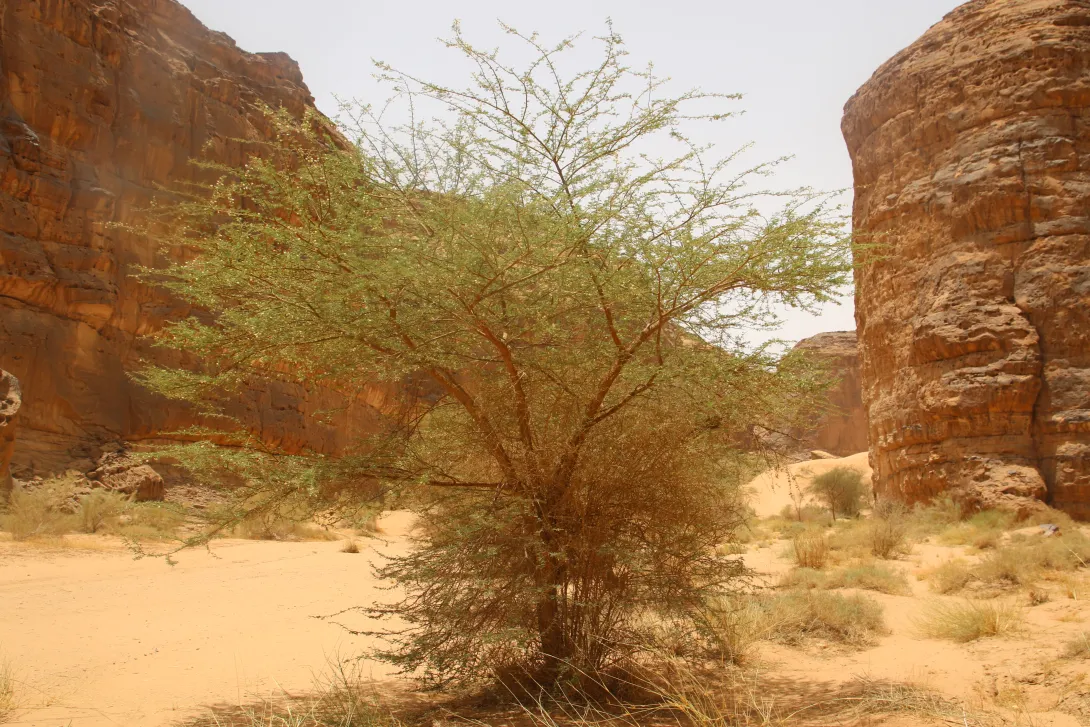
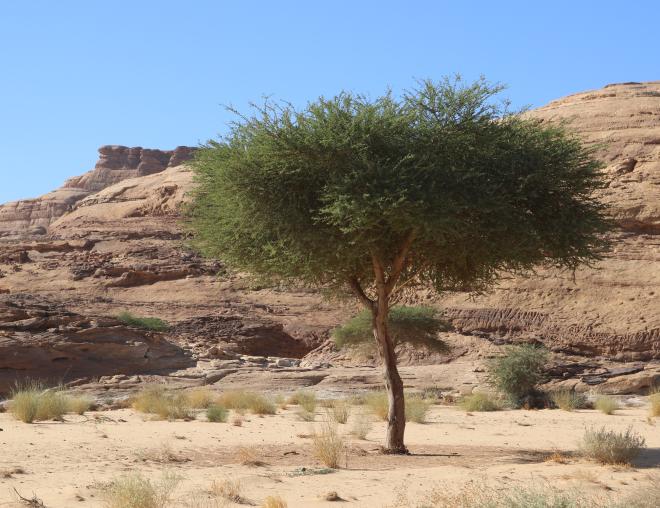
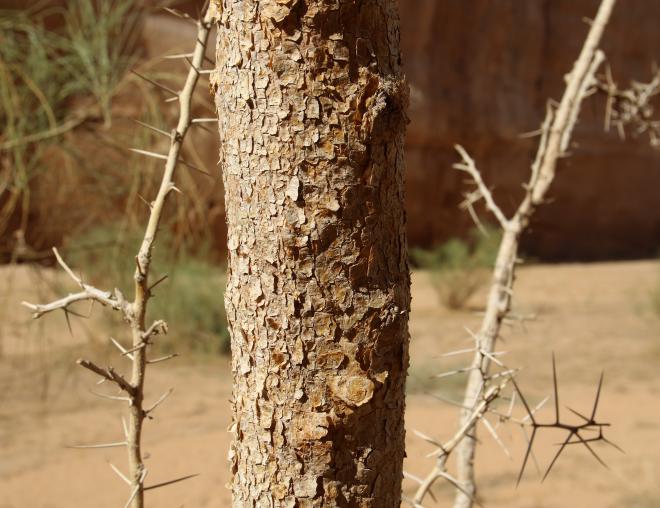
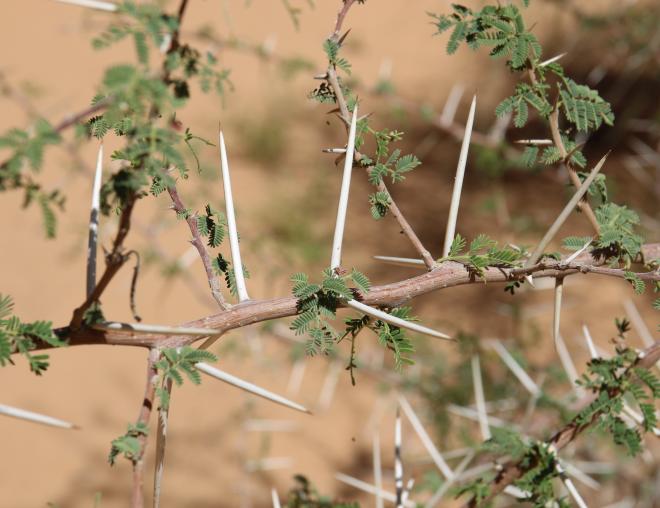
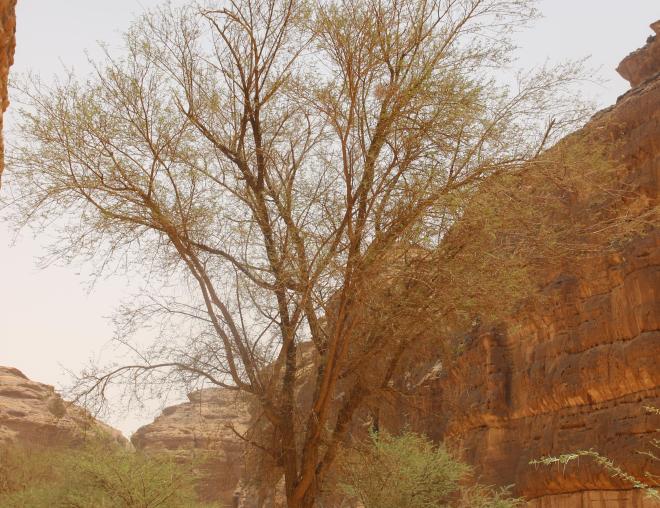
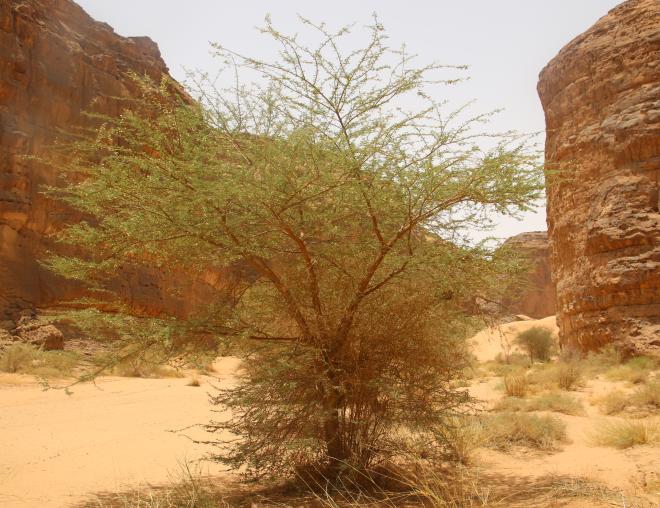
A tree with a distinctive umbrella-shaped, flat-topped canopy reaching up to 1 m in height, providing dense shade. The trunk has rough brown to dark grey bark, while young branches are yellowish-brown to reddish and densely hairy. This species is deciduous, shedding its leaves in response to climatic conditions, and often appears leafless or sparsely foliated. Paired stipular spines are stout, ivory-colored, and up to 6 cm long. Leaves are pubescent to tomentose with 2–20 pairs of pinnae; leaflets are small (under 2.5 mm), oblong, and hairy. The petiole and rachis are short (rarely exceeding 2 cm) with inconspicuous glands. Flowers are creamy-white, fragrant, and arranged in spherical heads of 1 cm ; stamens are free with caducous anther glands. Pods are thick, falcate or coiled, 7–18 cm long, pubescent when young and glabrous at maturity, turning reddish-brown; seeds are compressed, subquadrangular, and greenish-brown.
- Growth Form
-
Description
-
Habitat and Distribution
- Habitat
-
Geographical Distribution Range
This Sudanian and African species is distributed from Africa to the Middle East, occuring in Angola, Benin, Botswana, Burkina, Burundi, Central African Republic, Chad, DR Congo, Ethiopia, Kenya, Malawi, Mozambique, Namibia, Nigeria, Rwanda, Sudan, South Sudan, Tanzania, Uganda, Zambia, Zimbabwe, Sinai, Jordan and Iraq. Within the Arabian Peninsula, it is native to Saudi Arabia, Jordan, Kuwait, Yemen and Oman.
-
Ecology
-
Phenology
JanFebMarAprMayJunJulAugSepOctNovDecFloweringFructification
- Origin
-
IUCN Red List Category
 Not Evaluated
-
Remarks
Talh is an emblematic species for local communities and one of the rare tree that can grow in desert. This species is surprisingly flowering at the hottest moment in the year, becoming cover of melliferous yellow-cream flowers during August despite the harsh climate conditions. This species includes four accepted varieties, but only one present in Saudi Arabia: Vachellia gerrardi var. najdensis (Chaudhary) Ragup., Seigler, Ebinger & Maslin. Identifying the different species of Vachellia is often challenging in the field, as morphological characteristic used for identification can be variable between individuals, not always visible, and the species may be confused—especially since AlUla County lies in a contact zone where the ranges of several species overlap. Habitat characteristics and field experience can help identification, but these taxa remain difficult to distinguish (one single local species name can refer to several species). Key species, melliferous, ecological restoration
-
Phenology
-
Uses and Values
-
Aromatic and Medicinal Use
Medicinal use
-
Other Usages
Palatable; Edible for birds; Melliferous
-
Description of Traditional Uses
Provides browse, fuelwood, charcoal, fencing material, and shade. Acacia bark, gum, leaves, or pods are used traditionally for medicinal and domestic purposes; flowers are important to bees.
-
Aromatic and Medicinal Use