Paronychia arabica (L.) DC.
الرّقراقة / لباد
Syn. Illecebrum arabicum L. (1767)
Caryophyllaceae
1 / 8
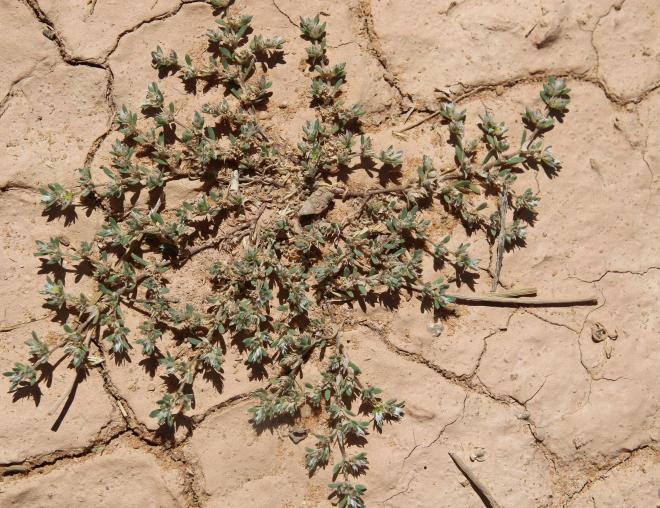
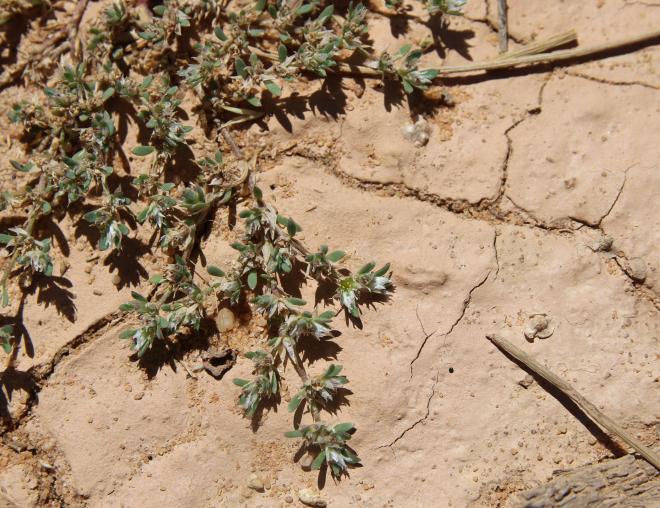
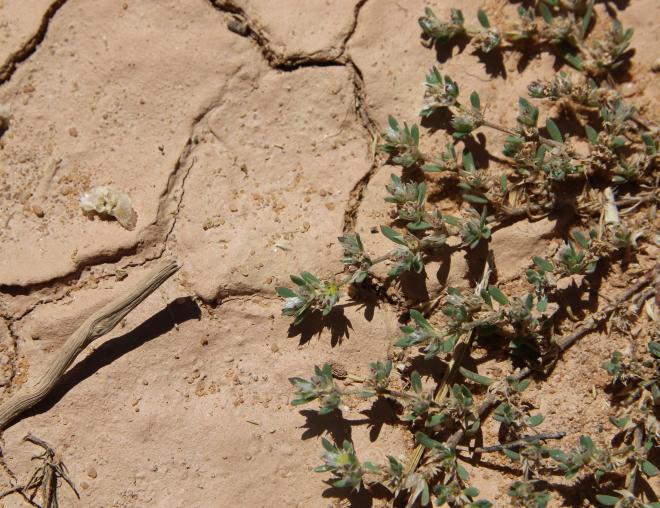
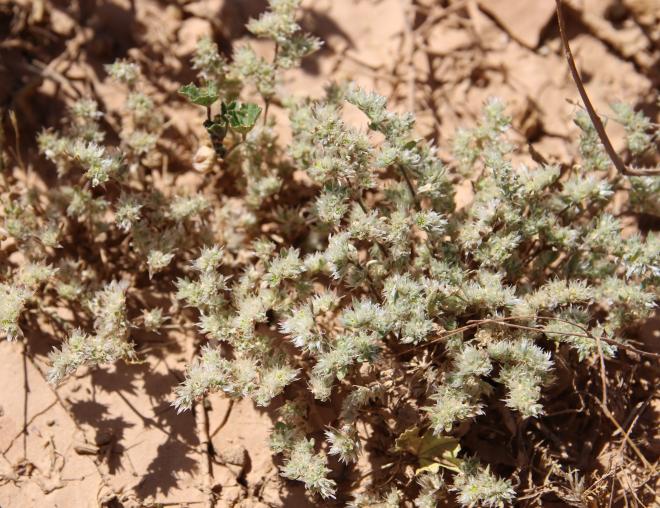

-
Morphological Description
-
Description
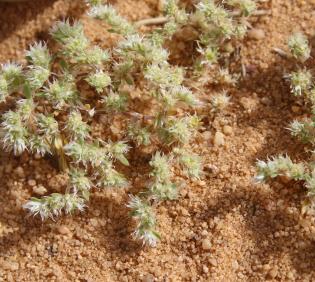
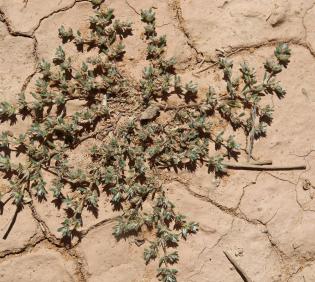
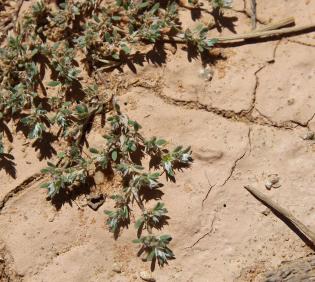
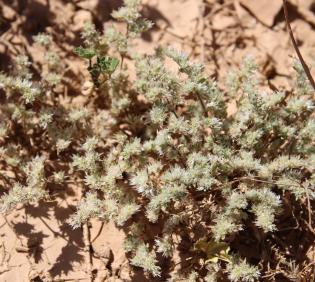
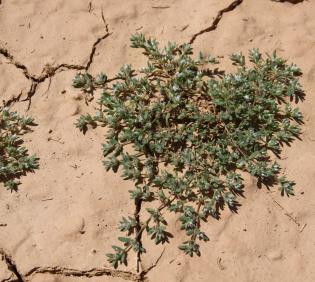
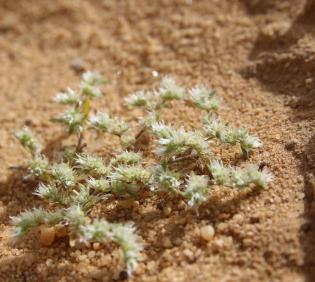
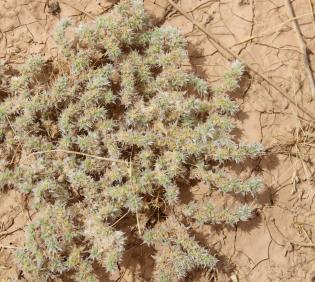
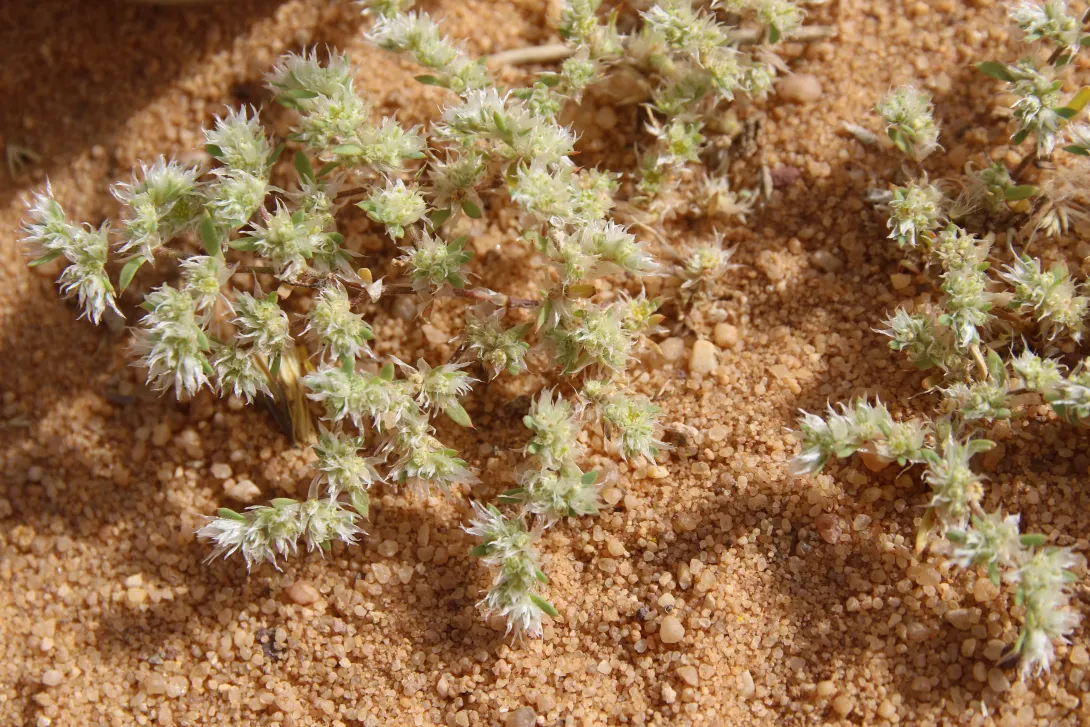
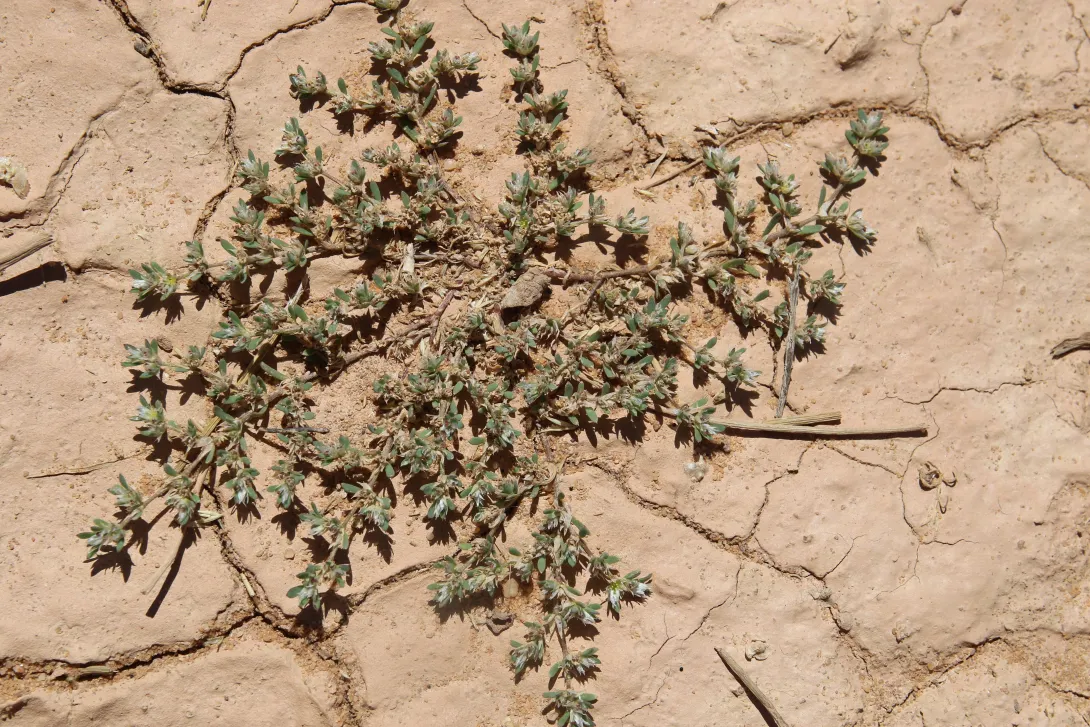
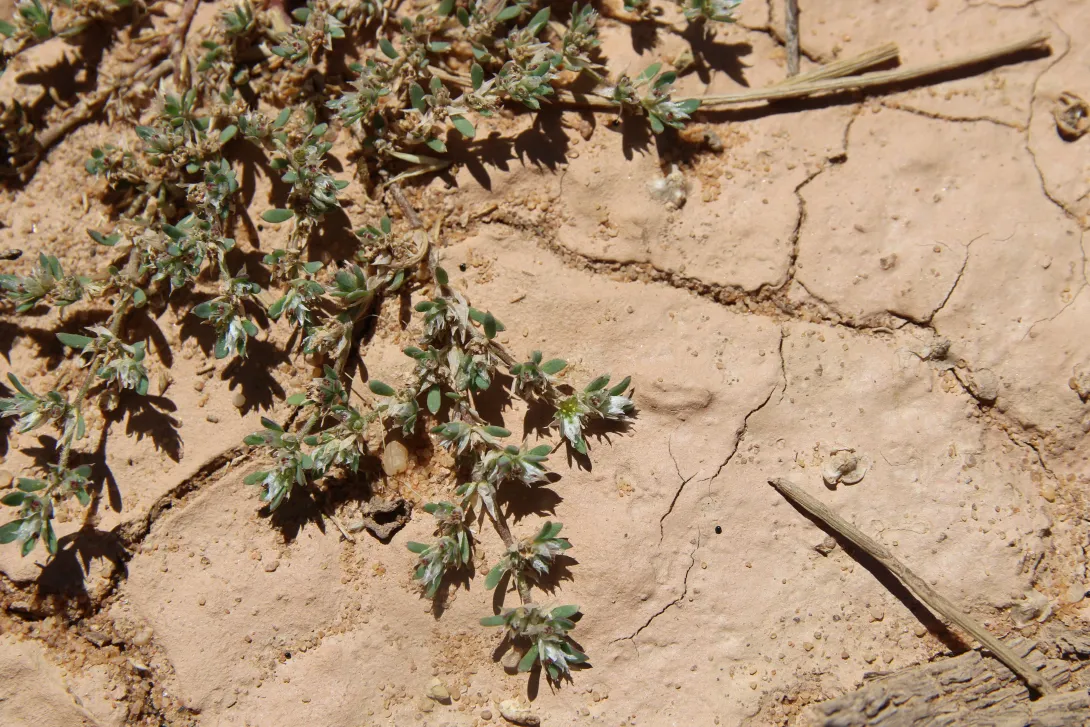
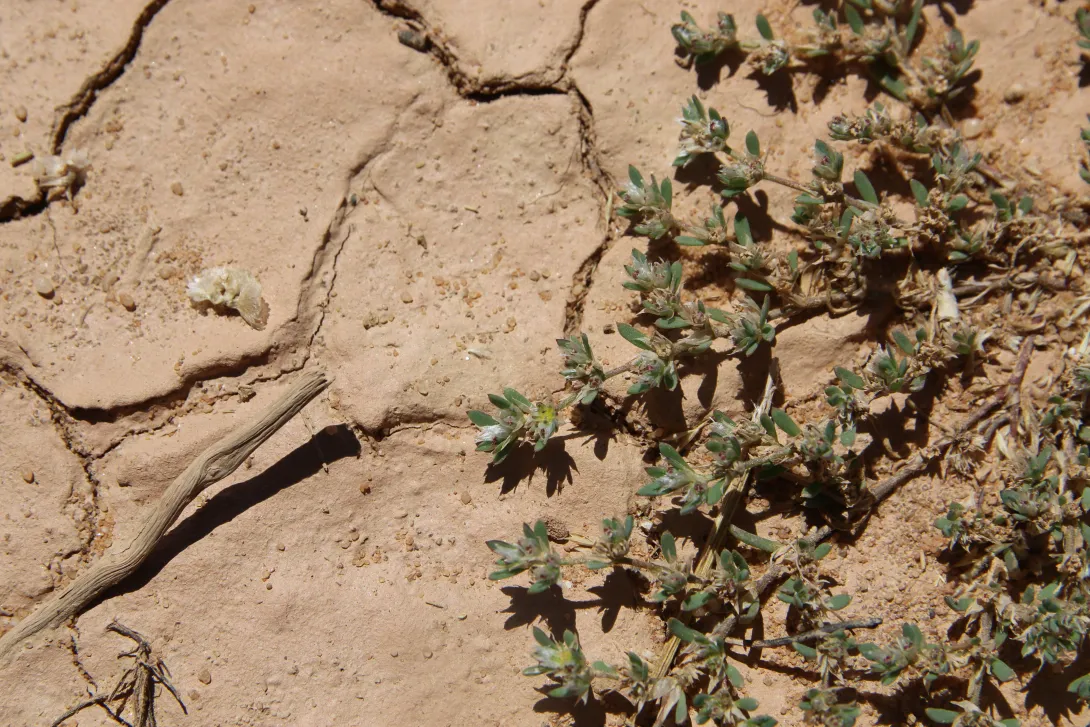
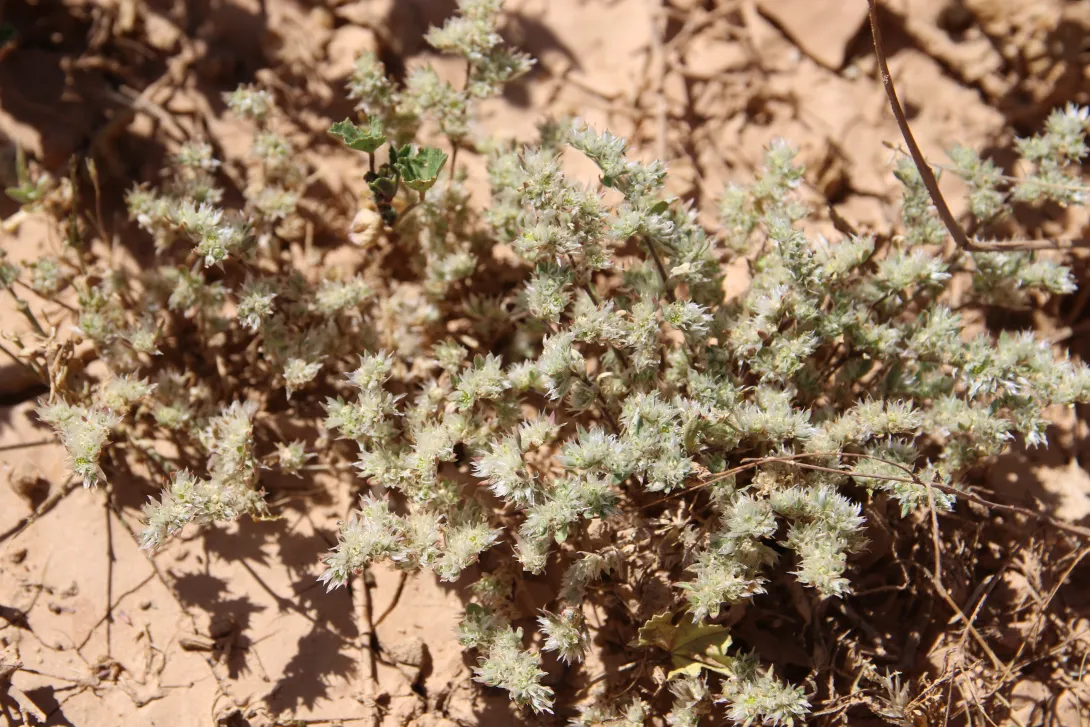
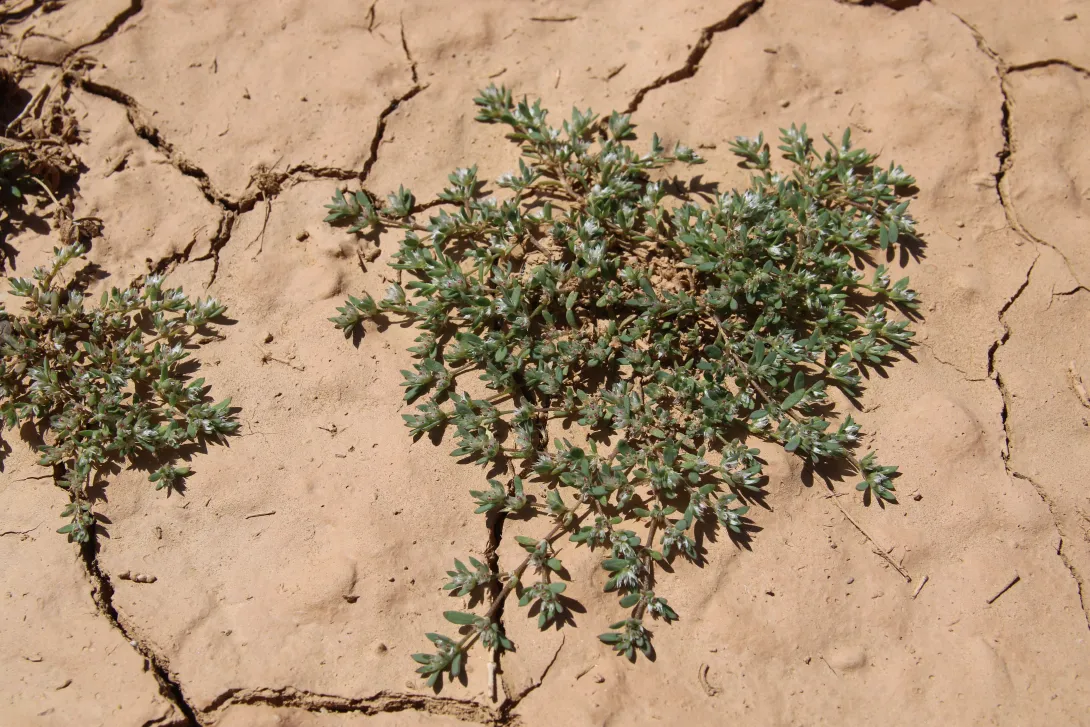
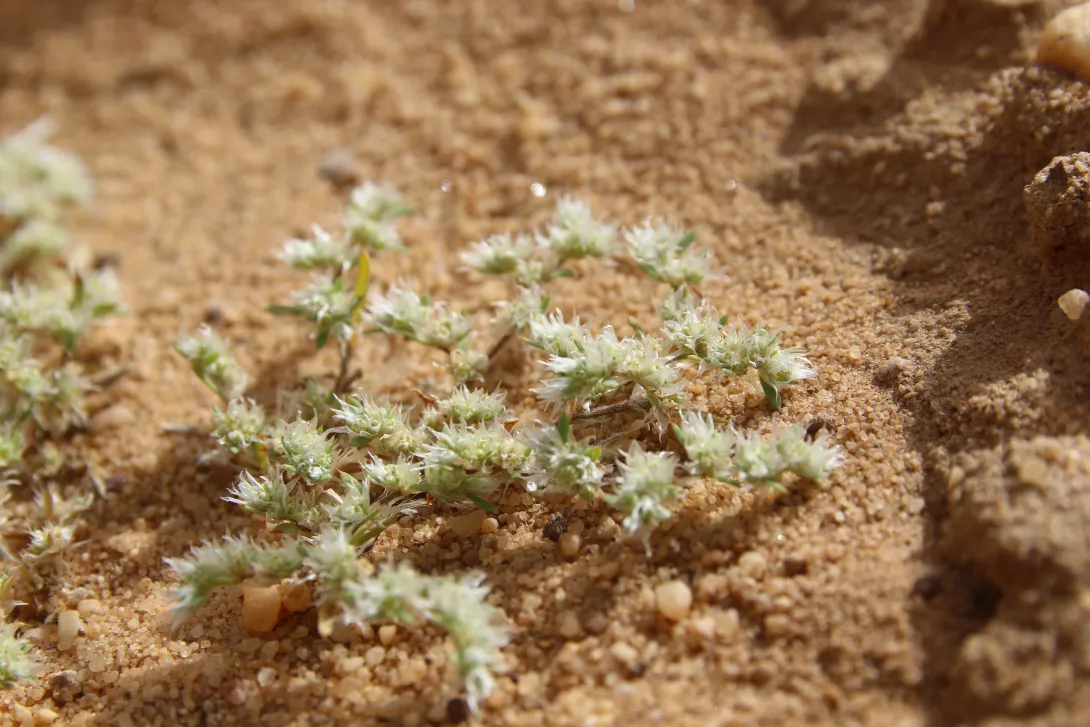
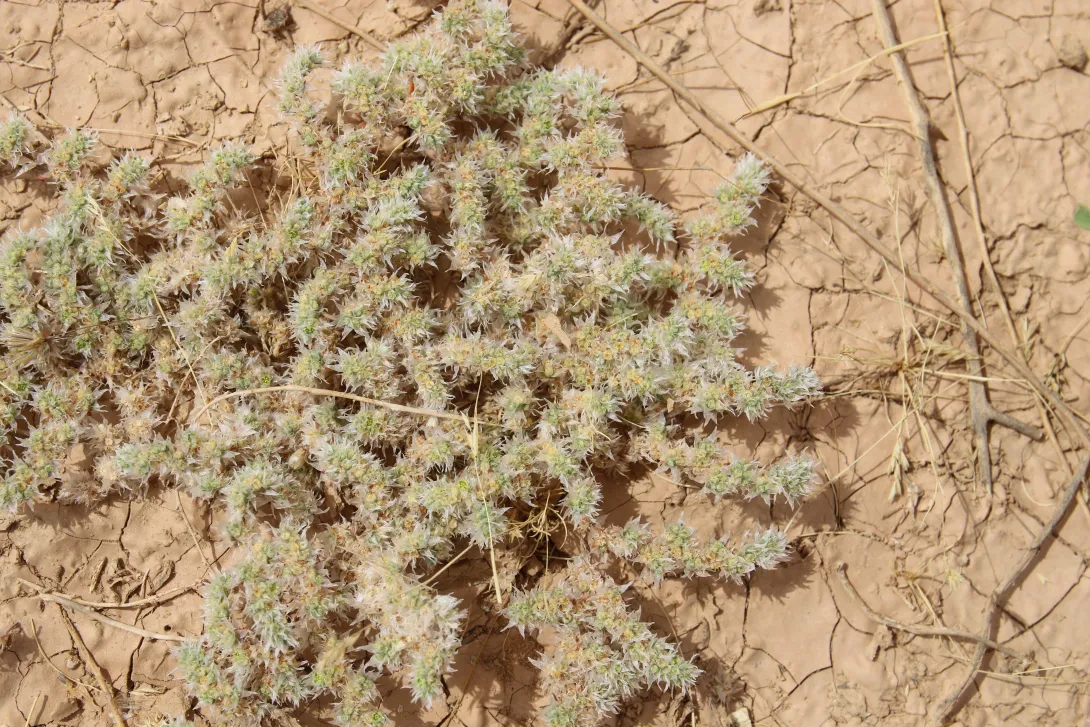
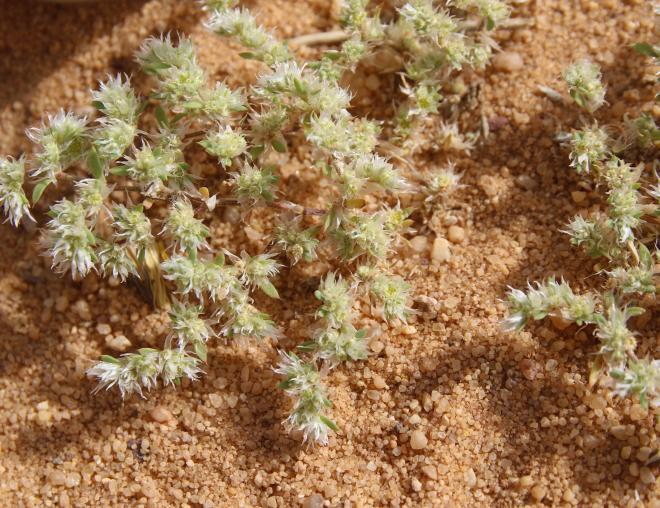
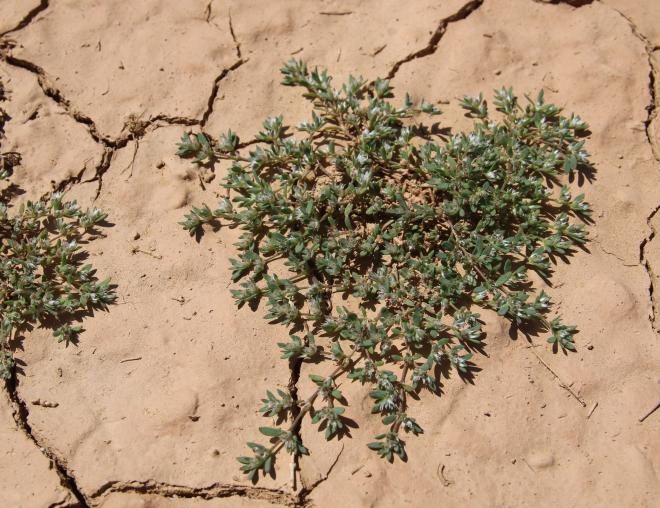
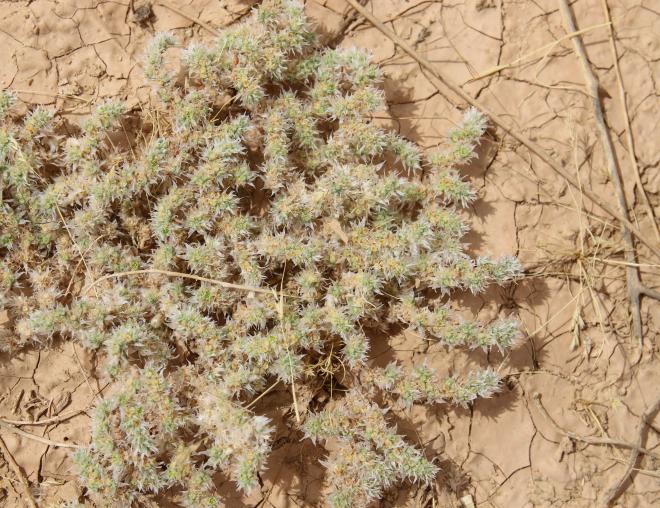
Annual or perennial, prostrate herb. Branches shortly pubescent to pilose. Leaves linear-oblong to oblong, up to 12 mm long and 2.5 mm thick, scabridly puberulous, scabridly ciliate-margined, mucronate; stipules membranous, conspicuous, ovate-lanceolate. Bracts longer than the flowers, ovate, acute, up to 3.5 mm long. Receptacle antrorsely pubescent usually with hooked hairs. Sepals about 1.5 mm long, broadly hyaline-margined, hooded, mucronate-awned at the tip. Petals staminoide, small, subulate pegs. Stamens 5. Ovary densely papillose.
- Growth Form
-
Description
-
Habitat and Distribution
- Habitat
-
Geographical Distribution Range
This Saharo-Arabian species is distributed from Morocco, Mauritania and the Canary islands to Turkey and Iran. It is native throughout the Arabian Peninsula and was introduced in Spain.
-
Ecology
-
Phenology
JanFebMarAprMayJunJulAugSepOctNovDecFloweringFructification
- Origin
-
IUCN Red List Category
 Not Evaluated
-
Phenology
-
Uses and Values
-
Aromatic and Medicinal Use
Medicinal use
-
Description of Traditional Uses
Used in traditional medicine, particularly for urinary health and kidney-related ailments.
-
Aromatic and Medicinal Use
Gallery