Aizoon canariense L.
الدعبوب، الدعاع
Syn. Glinus crystallinus Forssk. (heterotypic)
Purple-leaved Aizoon, Purslane-leaved Aizoon, Canary Iceplant
Aizoaceae
1 / 6

-
Morphological Description
-
Description
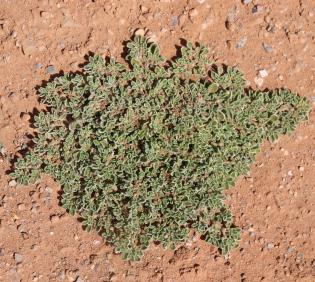
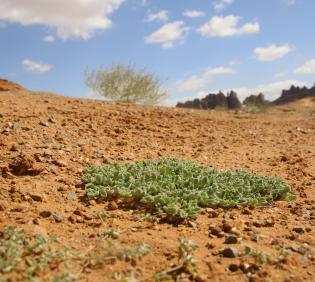
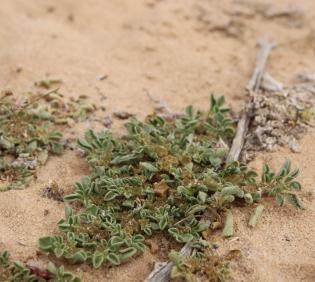
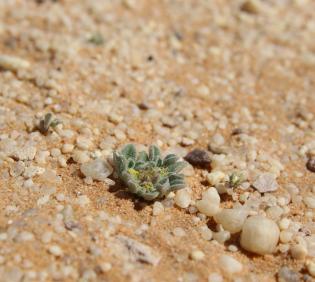
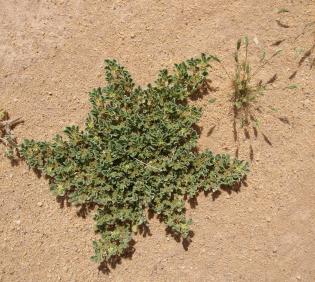
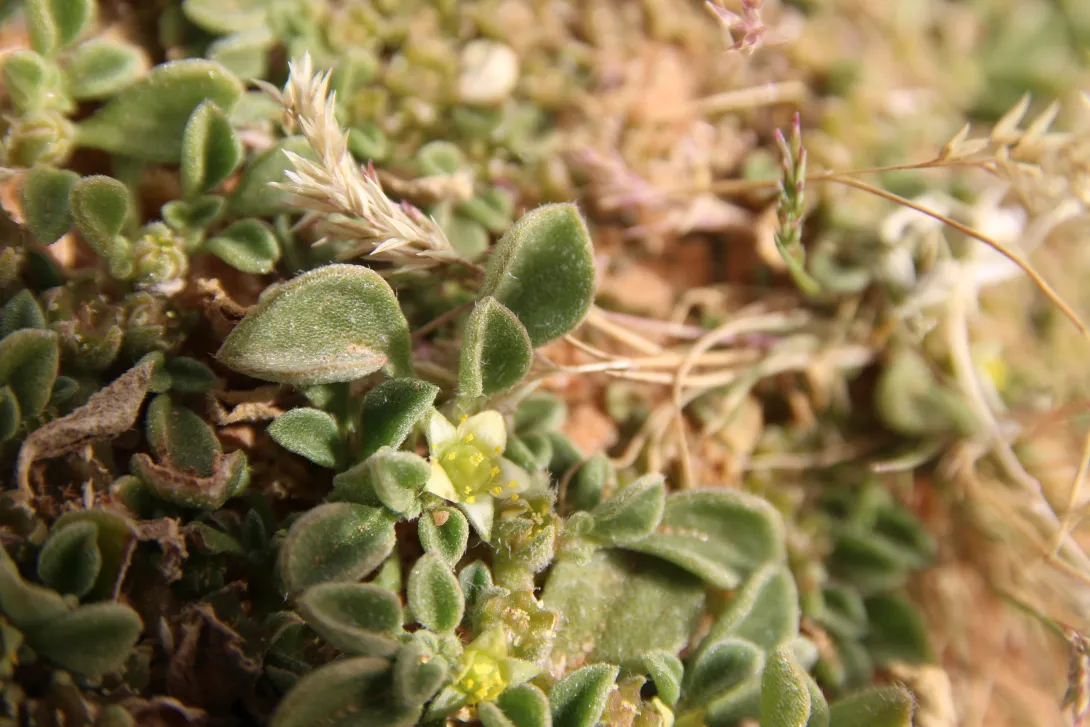
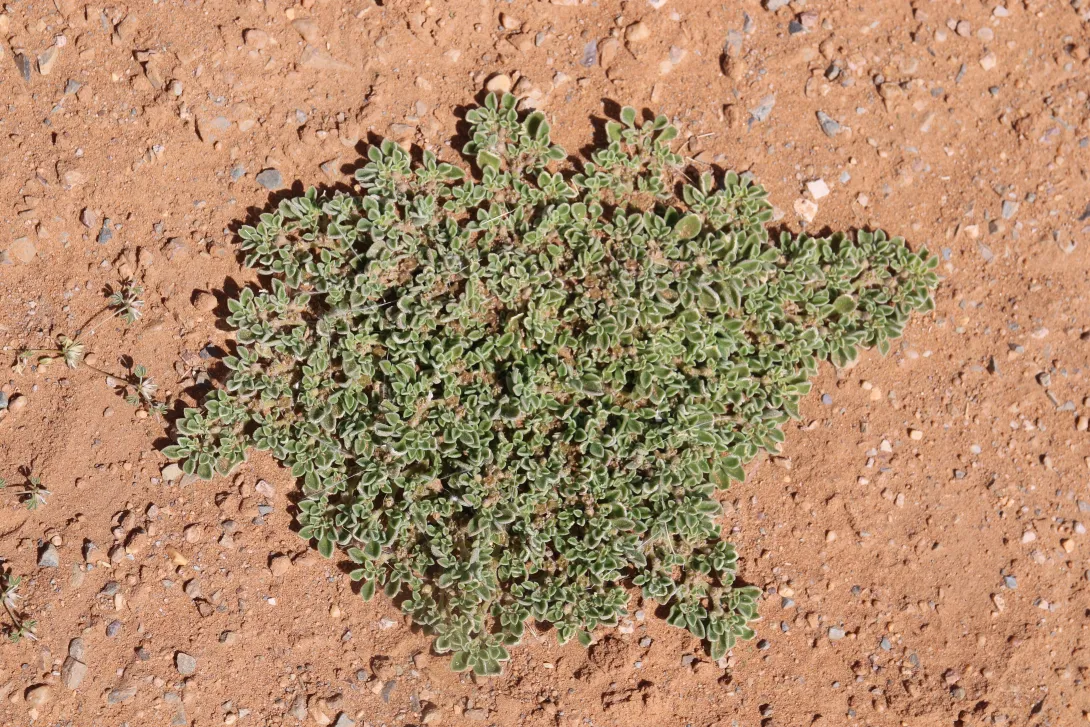
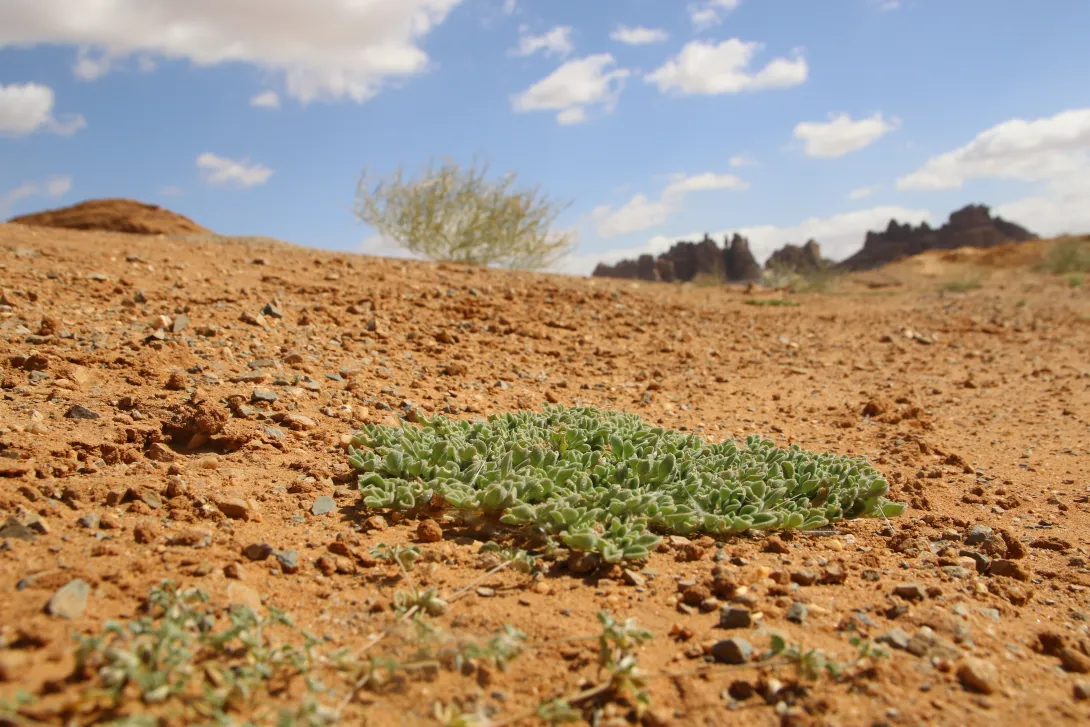
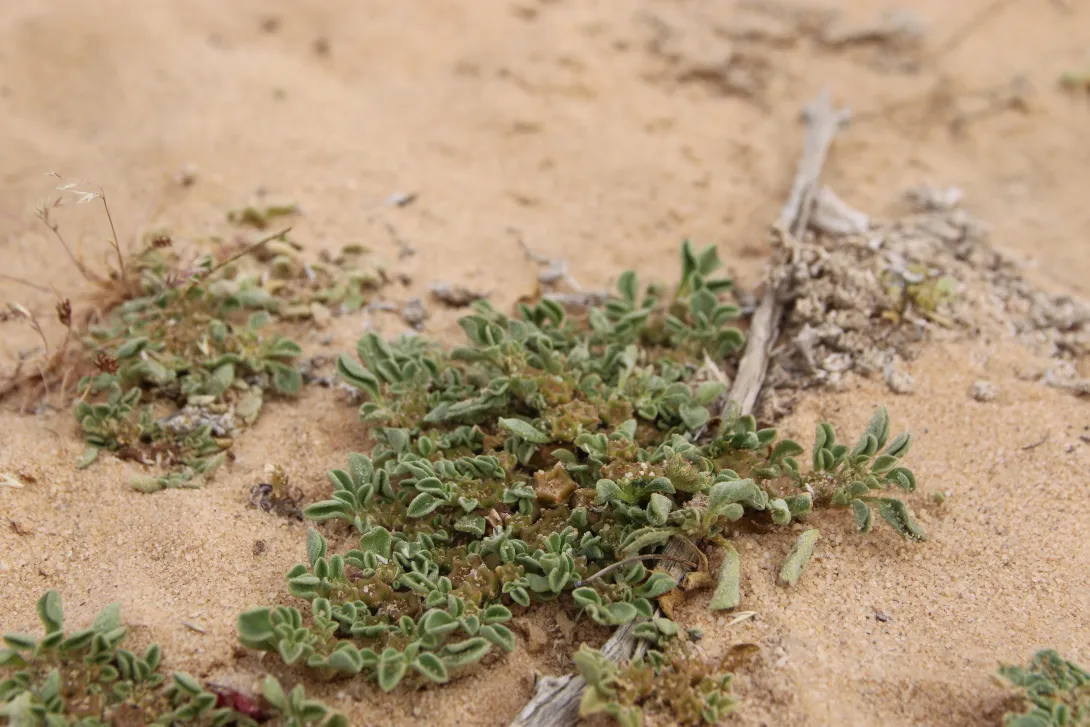
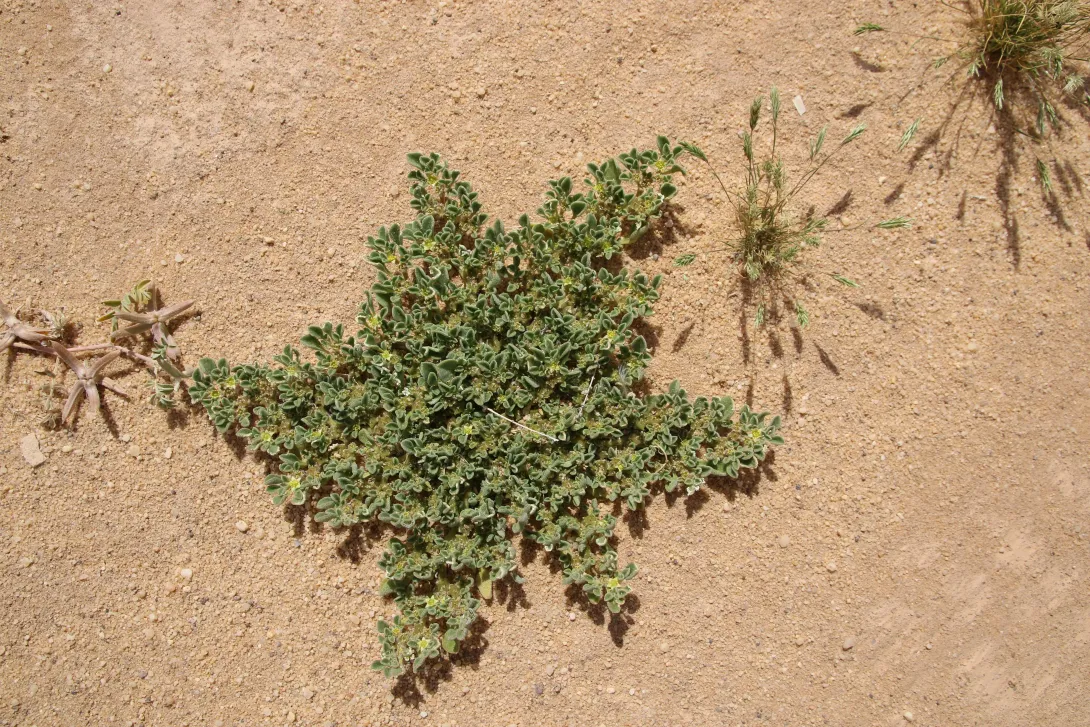
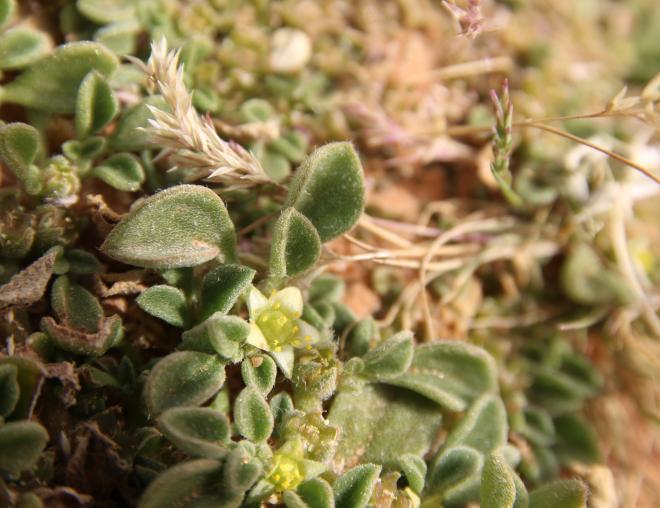
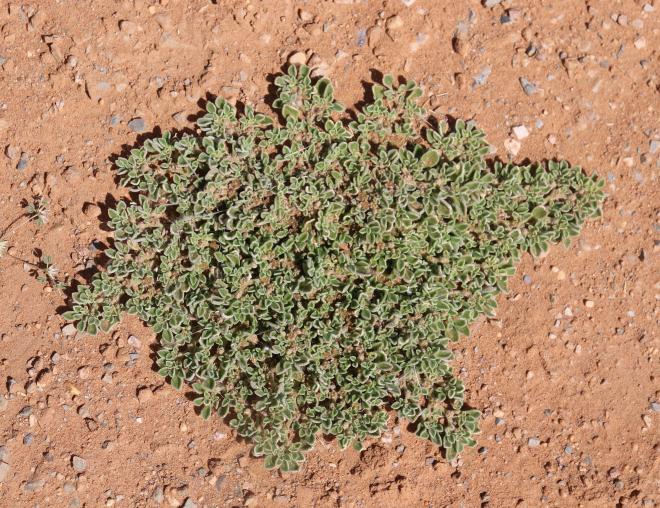
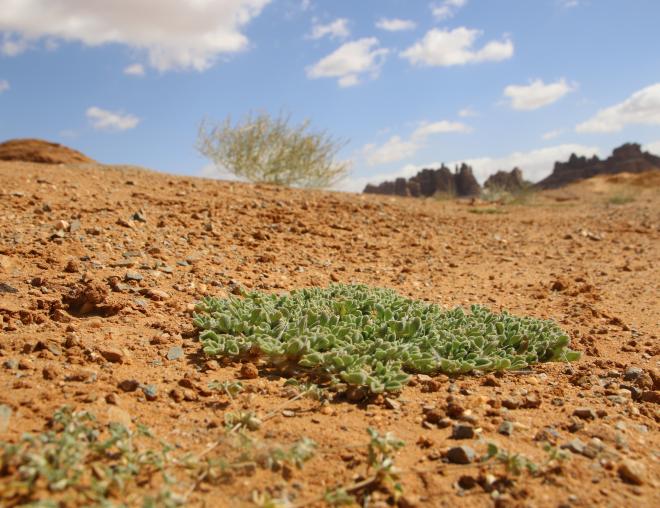
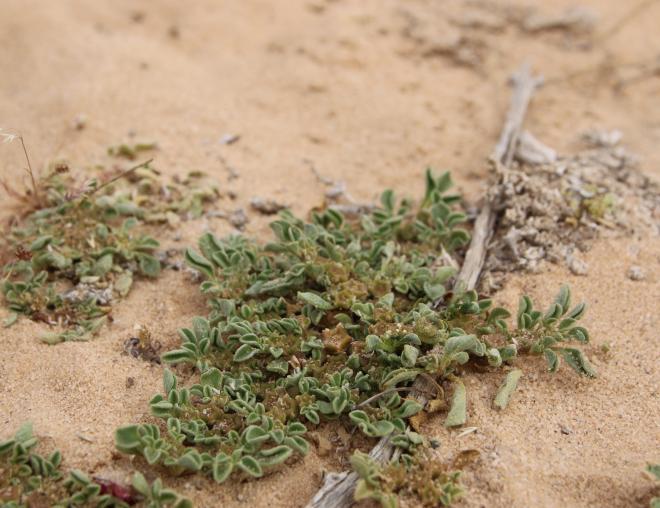
Annual succulent herb, prostrate to ascending, forming mats or spreading clumps with a star like shape. Stems fleshy, branched, often reddish. Leaves opposite, oblong to spatulate, fleshy, entire, glabrous to slightly papillose. Flowers small, yellowish to greenish, star-shaped, clustered in axillary cymes that grow directly on the stem. Perianth segments 5, petaloid, persistent in fruit. Fruit a circumscissile capsule, opening transversely, containing numerous minute, black, shiny seeds.
- Growth Form
-
Description
-
Habitat and Distribution
- Habitat
-
Geographical Distribution Range
This Sudanian species is distributed in Africa across the Middle East and neighboring regions until Pakistan. Within the Arabian Peninsula, it is native to Jordan, Saudi Arabia, Kuwait, Gulf States, Oman, Yemen, and Socotra.
-
Ecology
-
Phenology
JanFebMarAprMayJunJulAugSepOctNovDecFloweringFructification
- Origin
-
IUCN Red List Category
 Not Evaluated
-
Remarks
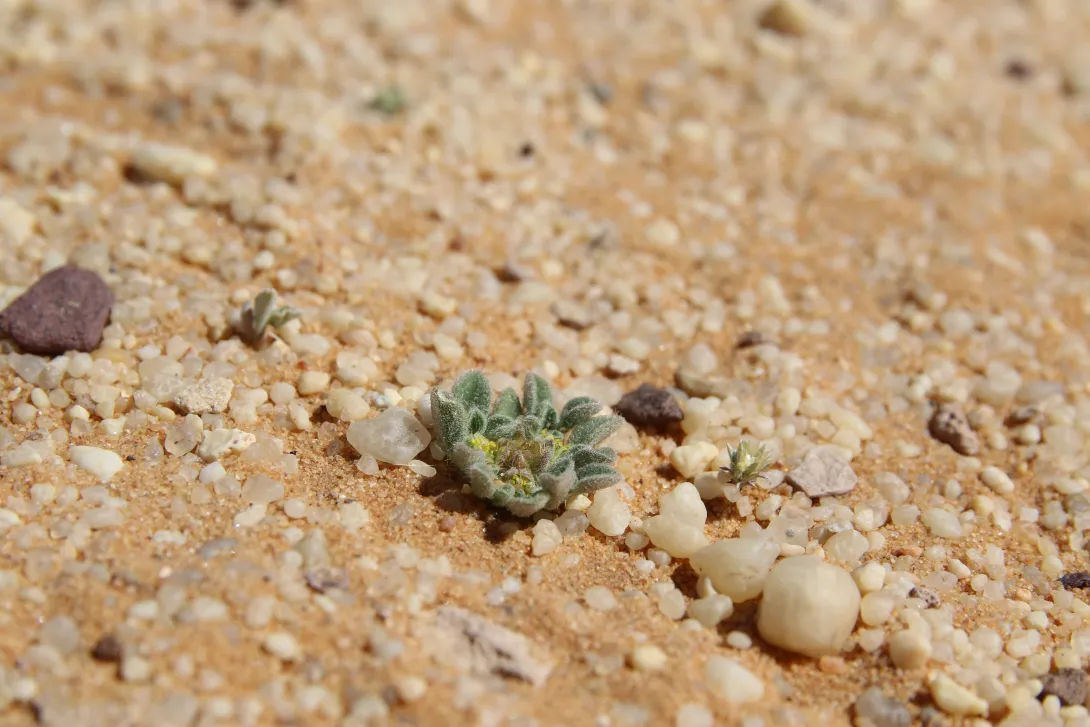
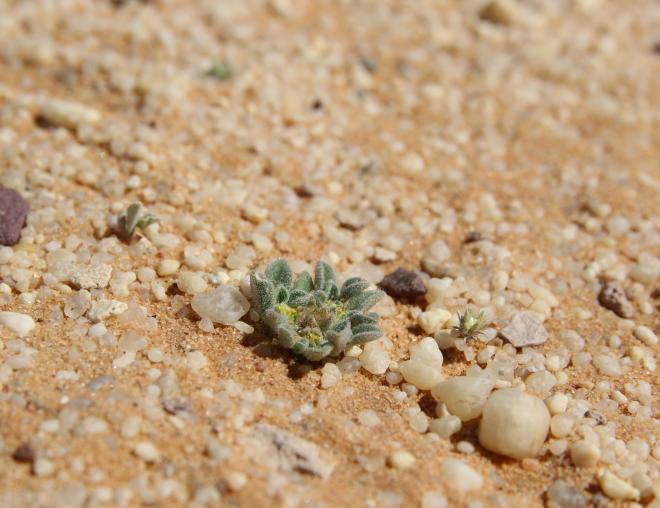
This desert annual germinates only in rainy years, rapidly producing fleshy stems and leaves that efficiently store water. Moisture is retained better in the plant than in the surrounding soil. Once dry, it preserves a star-like shape and can remain intact for years. Its fruit capsules open along five vertical clefts when wet. Raindrops trigger seed release by ejecting them through these openings, but only when rainfall is sufficient, effectively allowing the dead plant to "measure" rain levels. In drier years, few seeds germinate, and resulting plants remain small with limited flowering.
-
Phenology
-
Uses and Values
-
Aromatic and Medicinal Use
Medicinal use
-
Description of Traditional Uses
Used in folk medicine for treating indigestion, flatulence, and reducing blood pressure.
-
Aromatic and Medicinal Use
Gallery