Ficus palmata Forssk.
حماط
Syn. Ficus pseudosycomorus Decne.
Punjab fig, False Sycomore Fig
Moraceae
1 / 6


-
Morphological Description
-
Description
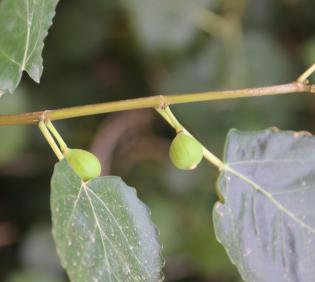
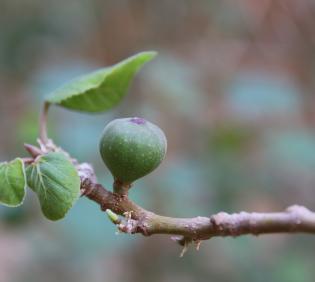
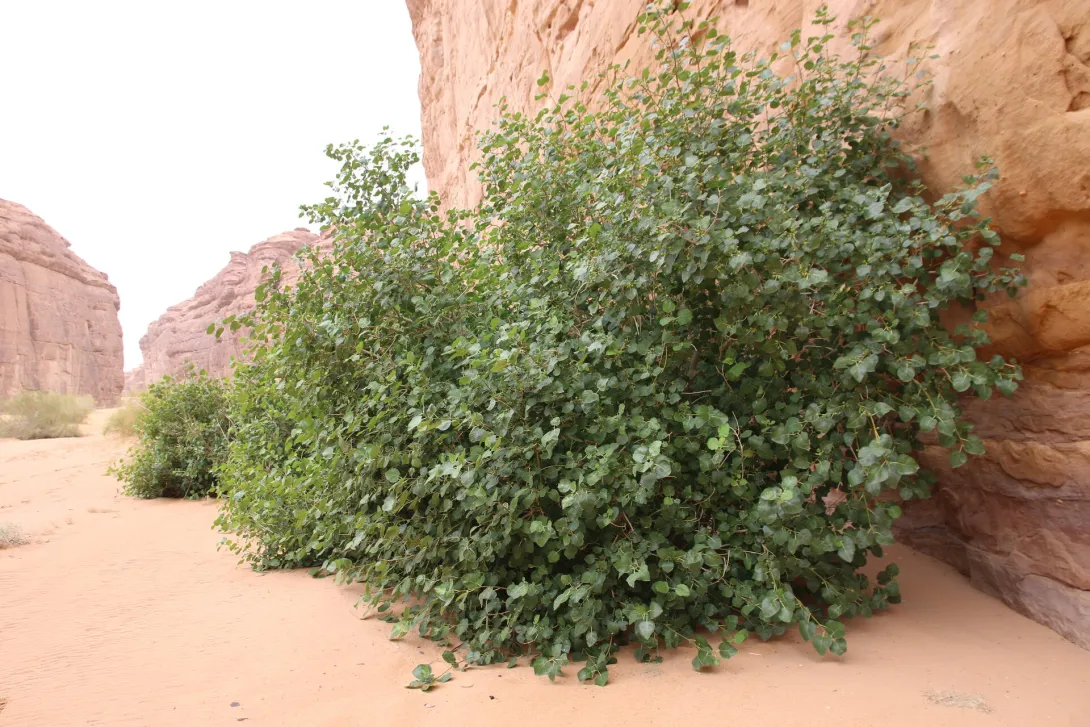
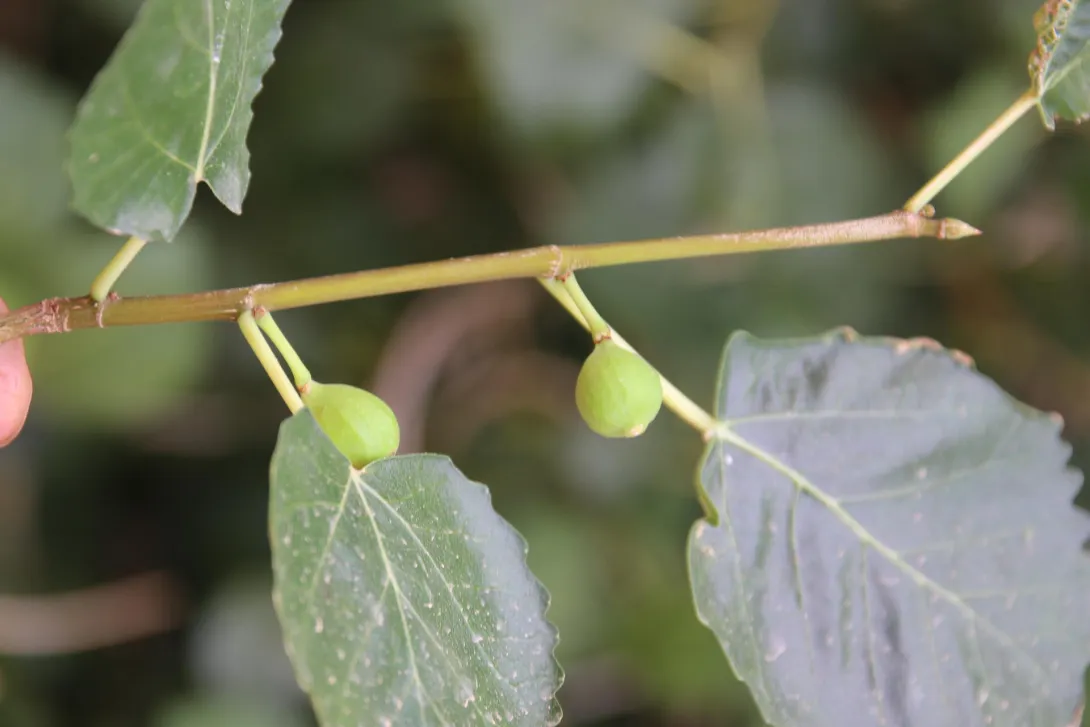
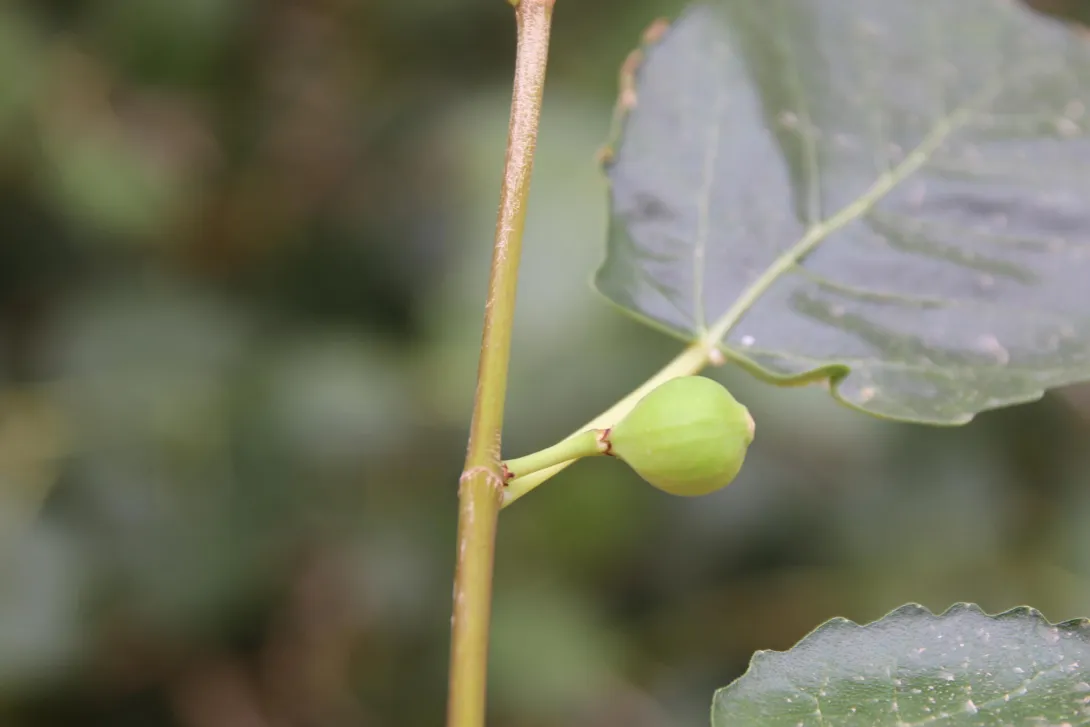
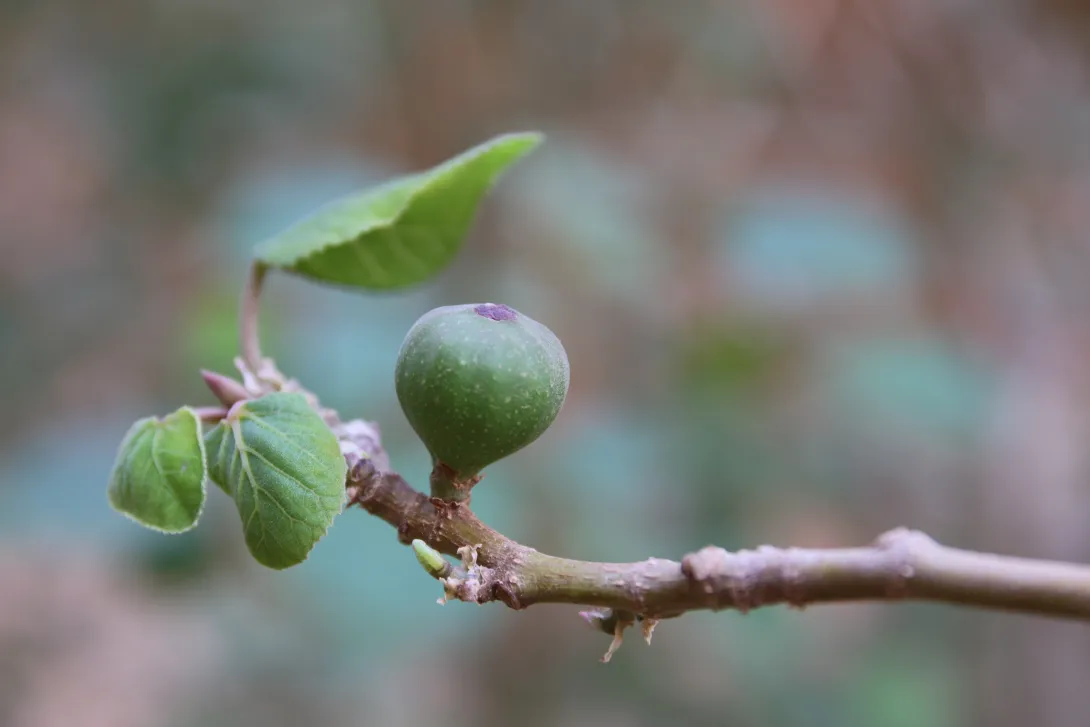
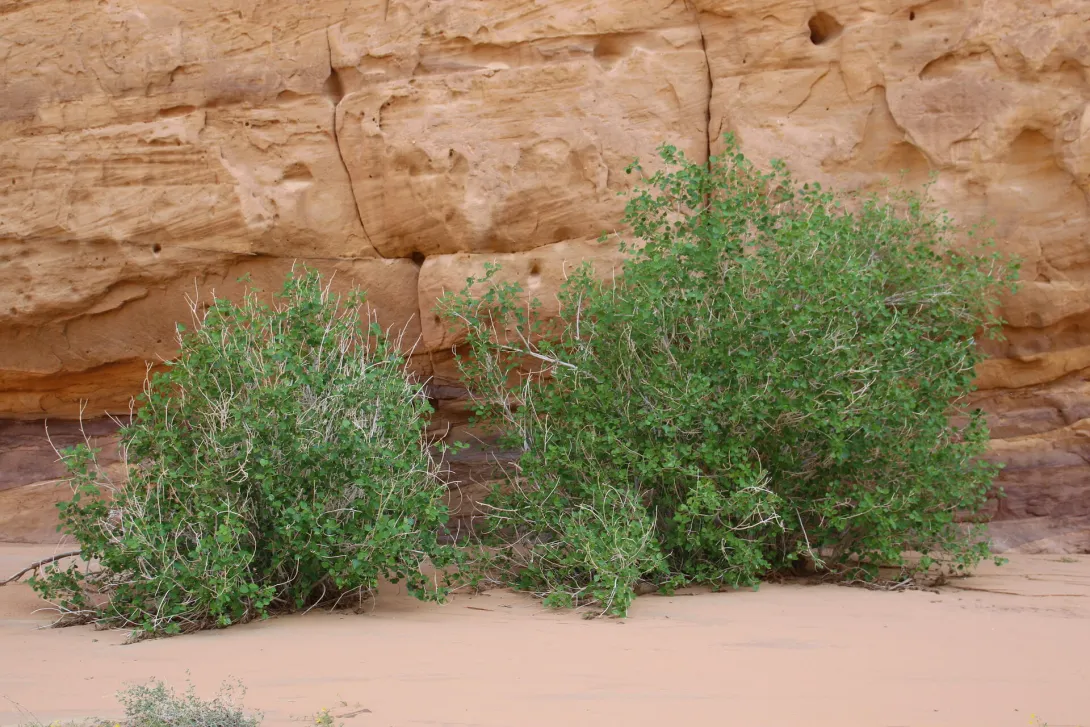
Tall shrub to small deciduous tree, reaching up to 5 m in height, with milky sap. Leaves are 3–5-lobed or undivided, broadly ovate, 8–12 cm wide, scabrous on the upper surface, with serrate margins. Stipules are semi-amplexicaul and caducous. The fruit is a fig, 1–2 cm in diameter, solitary or paired, pedunculate, and pink to deep purple at maturity. The ostiole is circular and bears four rather prominent bracts. The fruit consists of an enlarged fleshy receptacle containing numerous small, one-seeded druplets.
- Growth Form
-
Description
-
Habitat and Distribution
- Habitat
-
Geographical Distribution Range
This Sudanian species occurs from Egypt to India, passing through the Arabian Peninsula. It occurs in Sudan, Somalia, Djibouti, Ethiopia, Sinai, Jordan, Jordan, Saudi Arabia, Yemen, Oman, Iran, Pakistan, Afghanistan, and Nepal.
-
Ecology
-
Phenology
JanFebMarAprMayJunJulAugSepOctNovDecFloweringFructification
- Origin
-
IUCN Red List Category
 Least Concern
-
Remarks
In Saudi Arabia, Ficus palmata Forssk. is represented by two subspecies: Ficus palmata subsp. palmata Forssk. and Ficus palmata subsp. virgata Browicz. Both are occuring in Saudi Arabia: subsp. palmata occurs from East Africa to in Arabian peninsula while the subsp. virgata occurs from Arabian peninsula to India. They are often difficult to distinguish due to high leaf variability, with both entire and lobed leaves exhibiting numerous intermediate forms. Subsp. palmata typically has leaves with an acuminate tip and a glabrescent to glabrous surface, while subsp. virgata is characterized by leaves with an obtuse tip and a densely tomentose texture.
-
Phenology
-
Uses and Values
-
Description of Traditional Uses
No specific documented uses were identified in accessible literature.
-
Description of Traditional Uses
Gallery