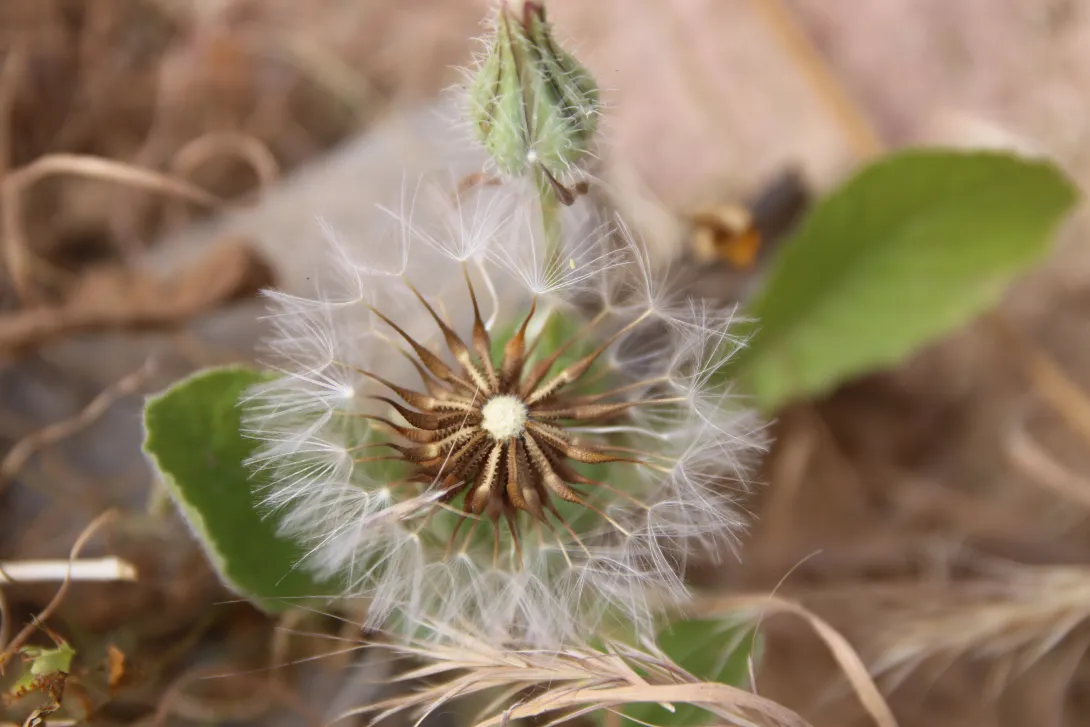
Urospermum picroides (L.) Scop. ex F.W.Schmidt
عضيض
Syn. Tragopogon picroides L. (1753)
False Hawkbit
Asteraceae
1 / 6

-
Morphological Description
-
Description
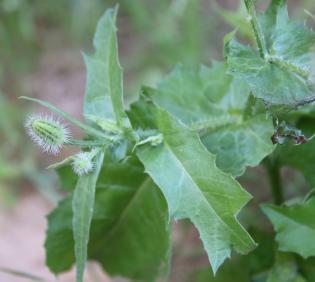
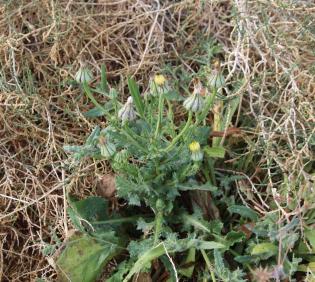
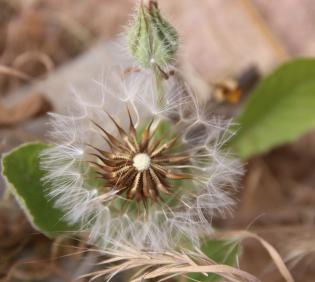
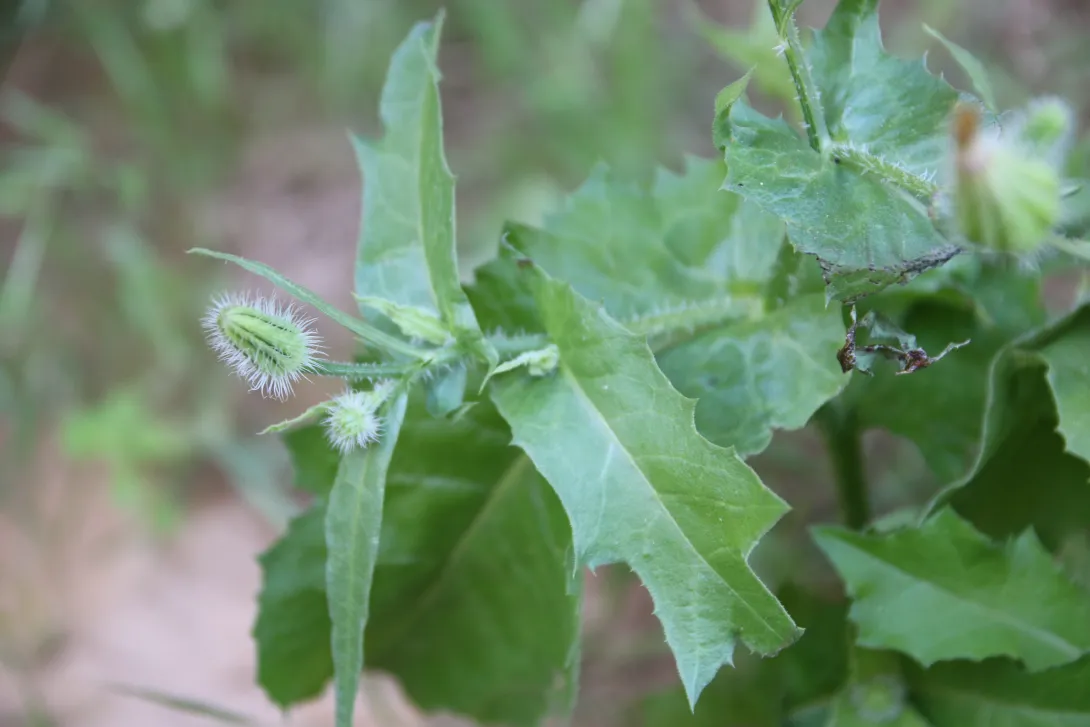
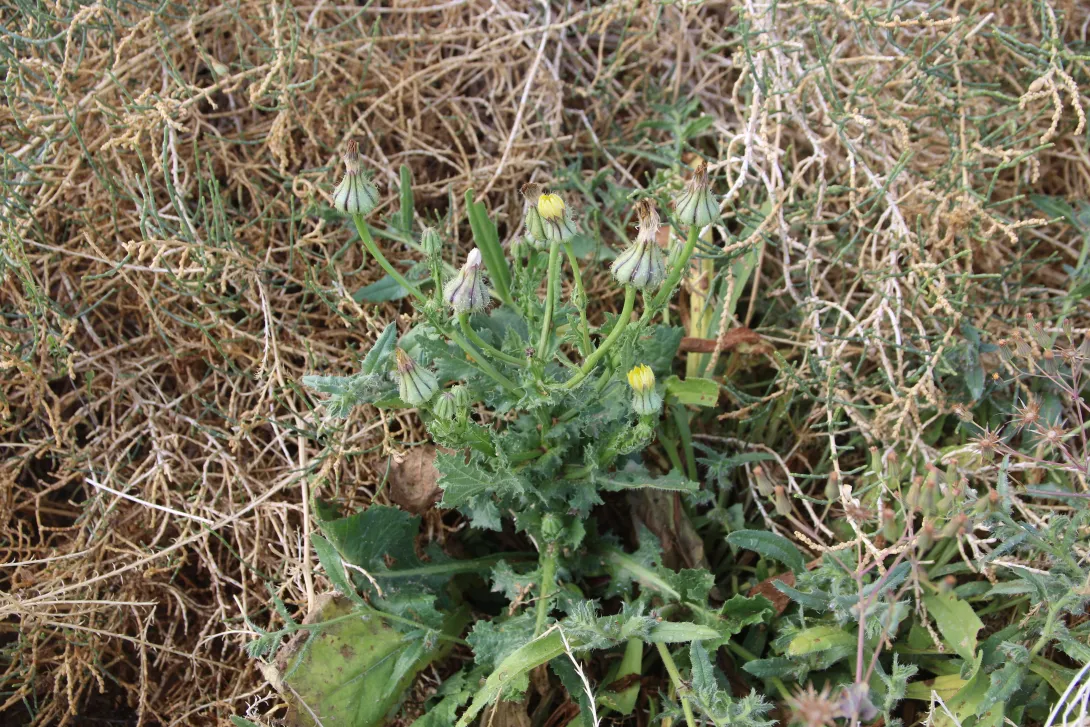
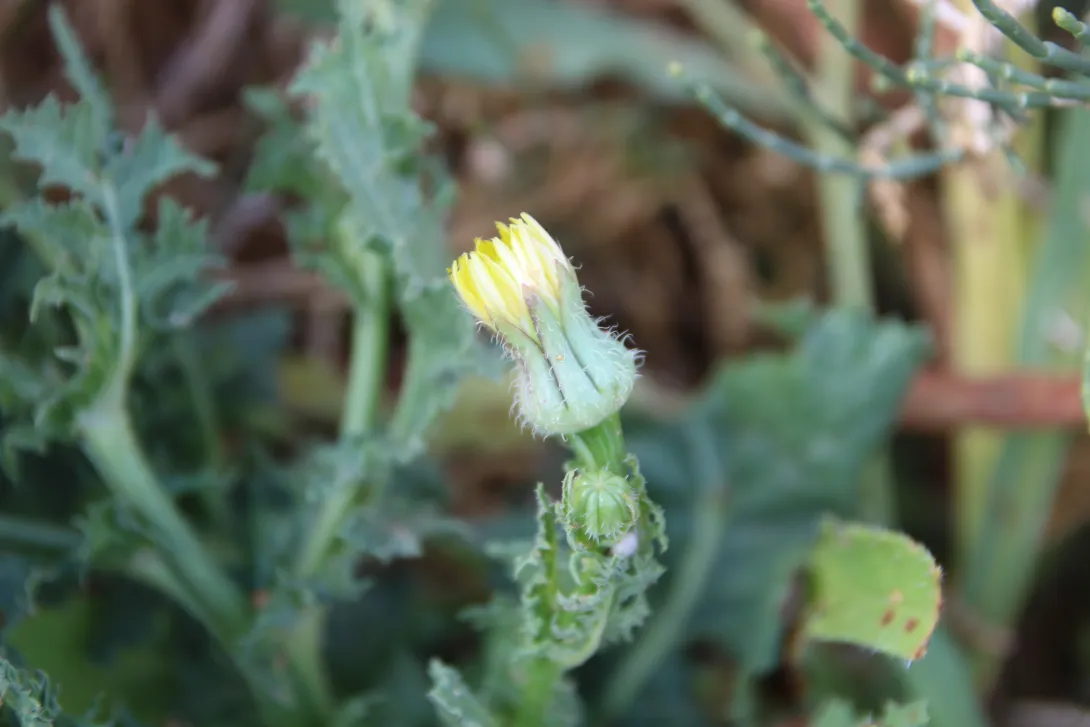
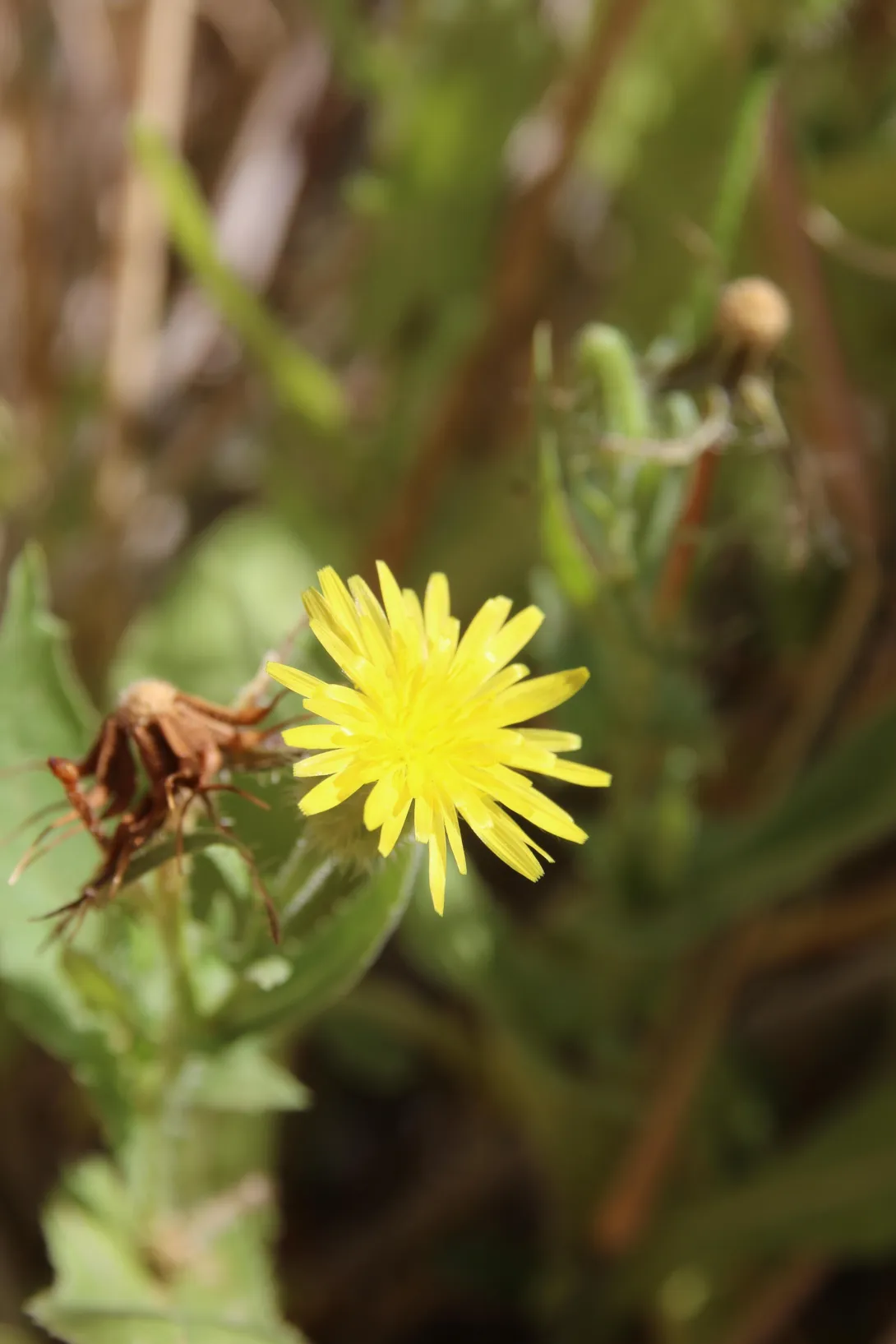
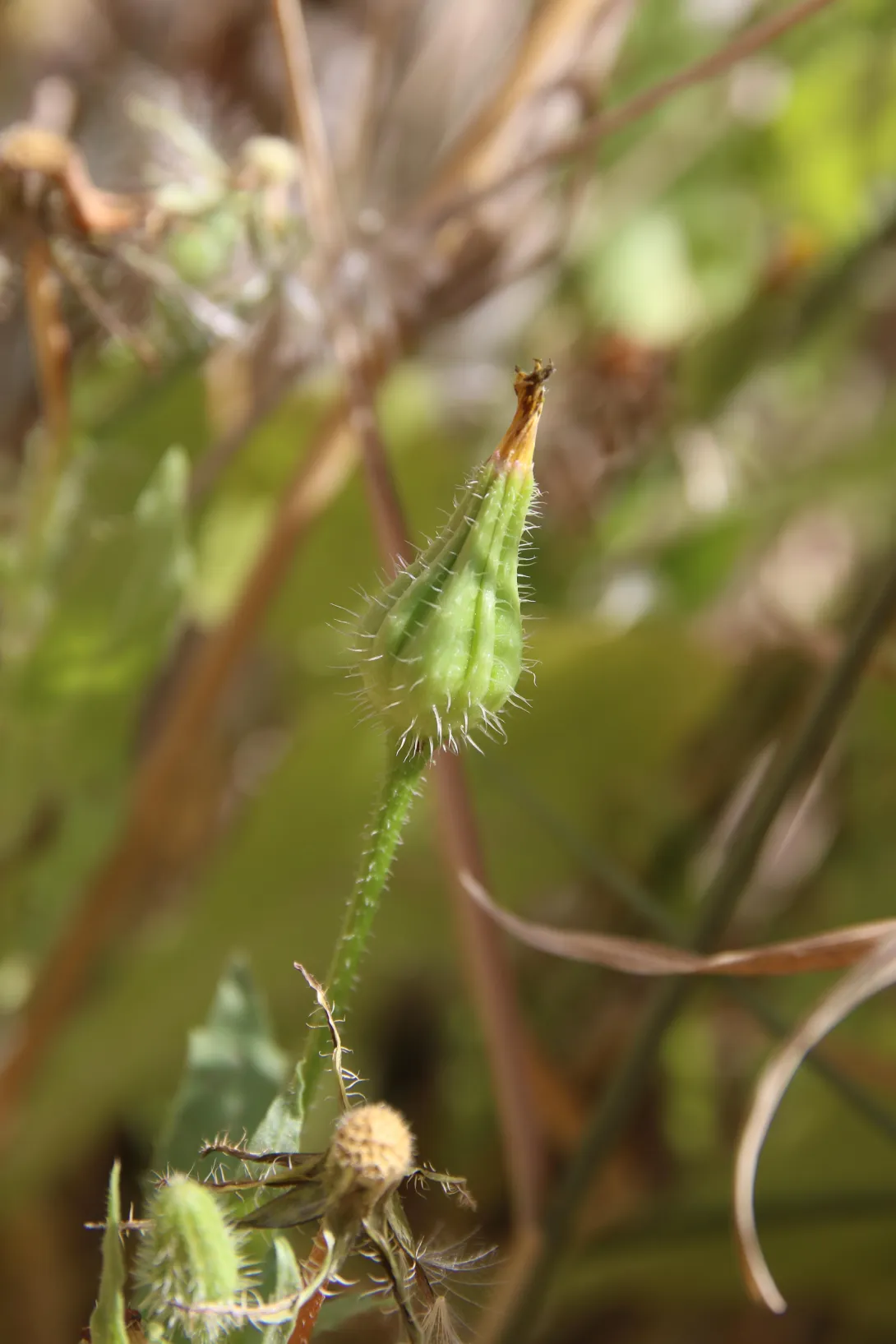
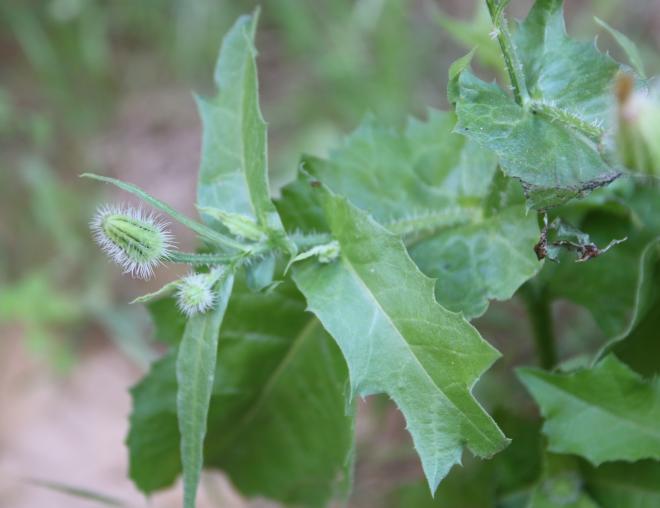
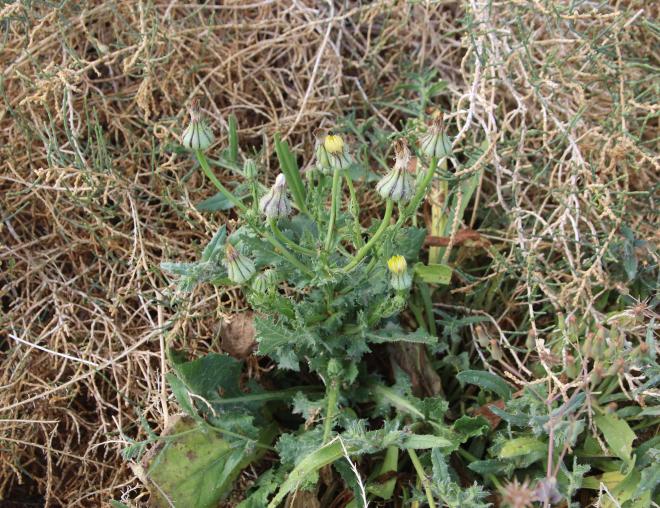
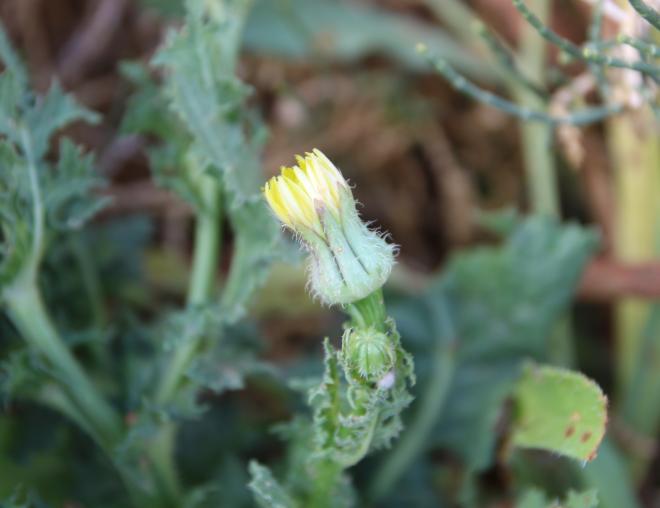
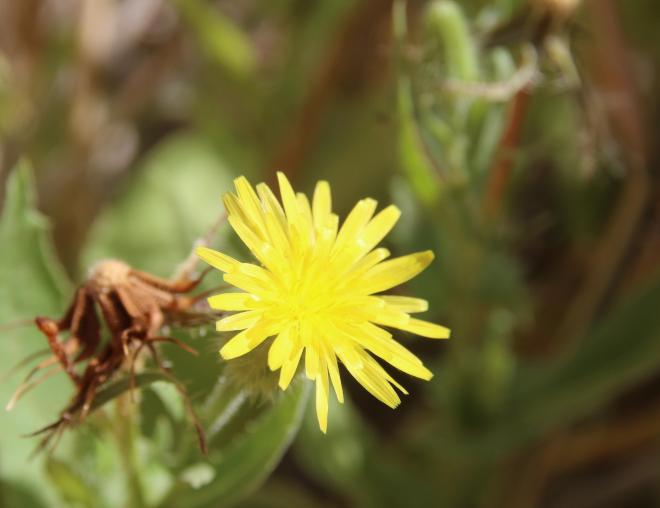
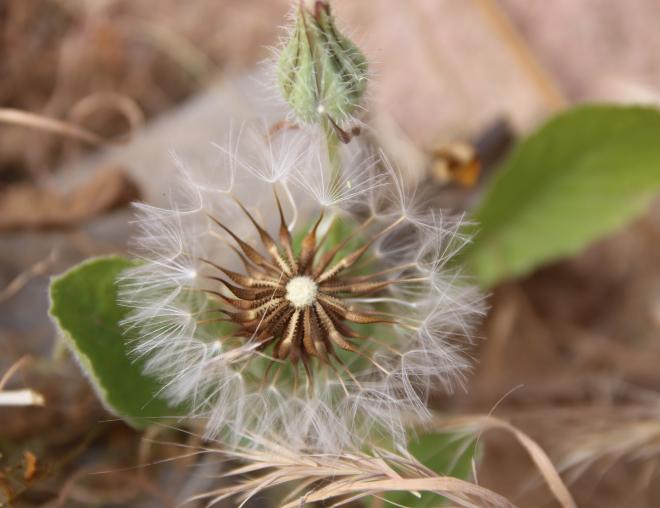
Annual, erect herb, long-hispid and spinulose, sometimes glabrous, 30–45 cm tall. Leaves are ovate to obovate or pinnatifid, hispid or spinulose beneath, at least along the veins, 4–14 cm long and 1–5 cm wide; they are borne on winged petioles in the lower part of the plant and are sessile in the upper part, with auricles present on the upper leaves. Heads are solitary or arranged in groups of up to nine, borne on long peduncles, and large, up to 4 cm across, with pale yellow ligules. Fruits are linear, compressed, long-beaked achenes with a prominent, hollow, bulbous base, and a pappus composed of about 20 plumose bristles.
- Growth Form
-
Description
-
Habitat and Distribution
- Habitat
-
Geographical Distribution Range
This Mediterranean and Irano-Turanian species is widely distributed. It occurs throughout the Mediterranean Basin in Europe and North Africa, as well as in western Asia.In the Arabian Peninsula, it is recorded as native in Jordan, Saudi Arabia, Kuwait, Qatar, the Gulf States, Oman and Yemen. The species has also been introduced to Australia, California, South Africa and Uruguay.
-
Ecology
-
Phenology
JanFebMarAprMayJunJulAugSepOctNovDecFloweringFructification
- Origin
-
IUCN Red List Category
 Not Evaluated
-
Phenology
-
Uses and Values
-
Aromatic and Medicinal Use
Medicinal use
-
Other Usages
Palatable; Edible for birds; Melliferous
-
Description of Traditional Uses
Gathered as a wild leafy vegetable and used as forage. Folk medicinal applications and value to pollinating insects are also recorded.
-
Aromatic and Medicinal Use
Gallery