Trichodesma africanum (L.) Sm.
الحِمحِم
Syn. Borago africana L. (1753)
Boraginaceae
1 / 9
-
Morphological Description
-
Description
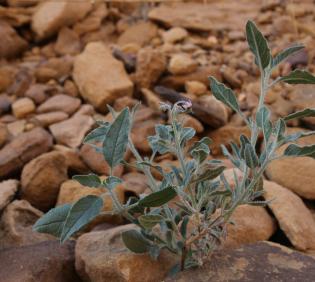
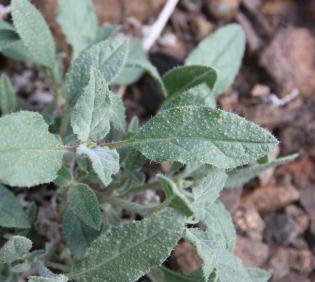
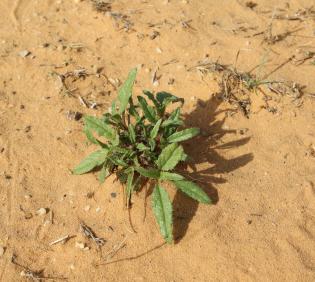
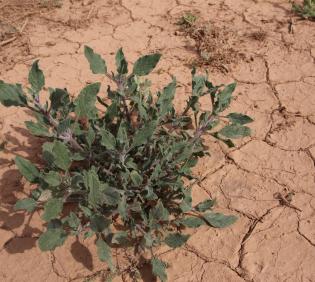
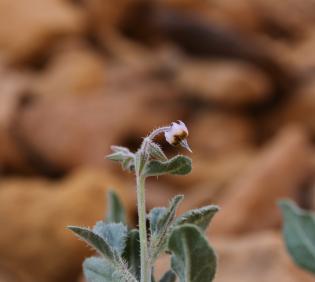
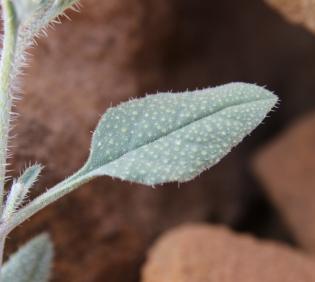
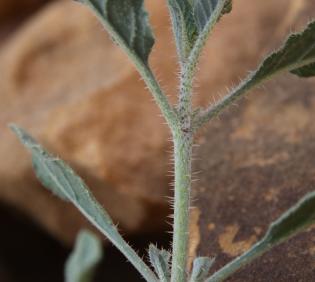
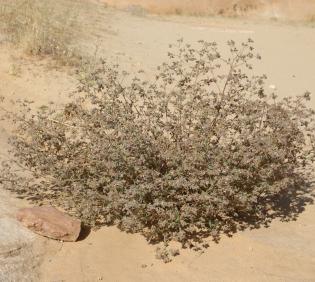
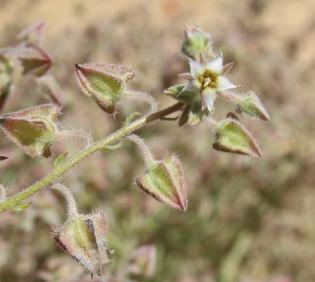
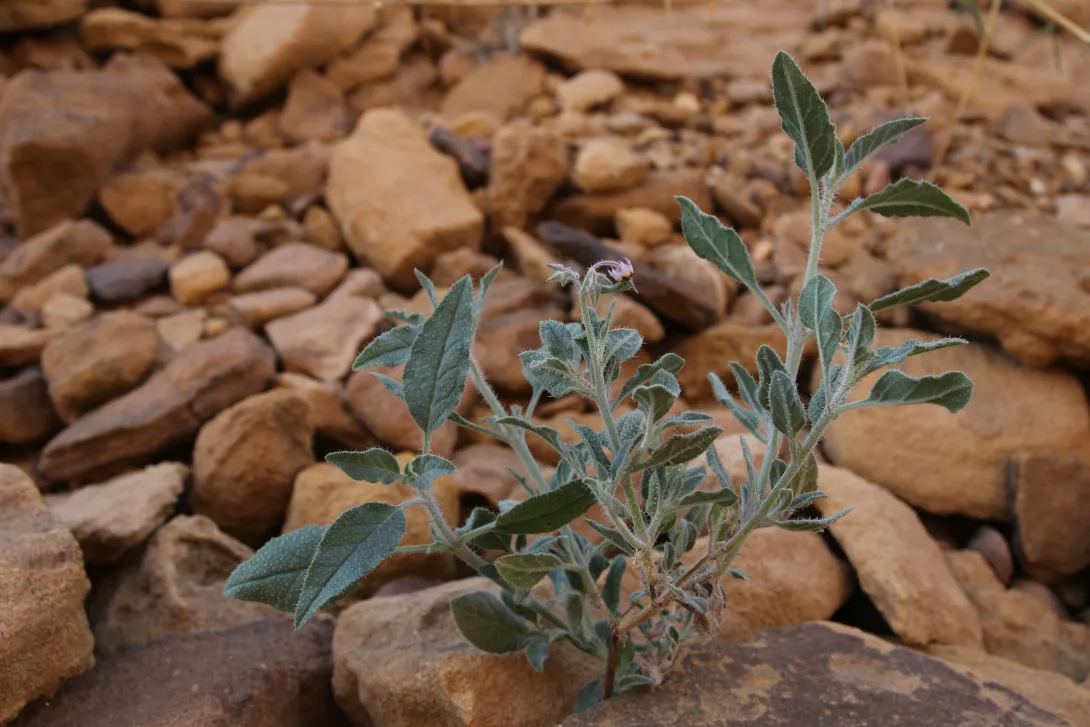
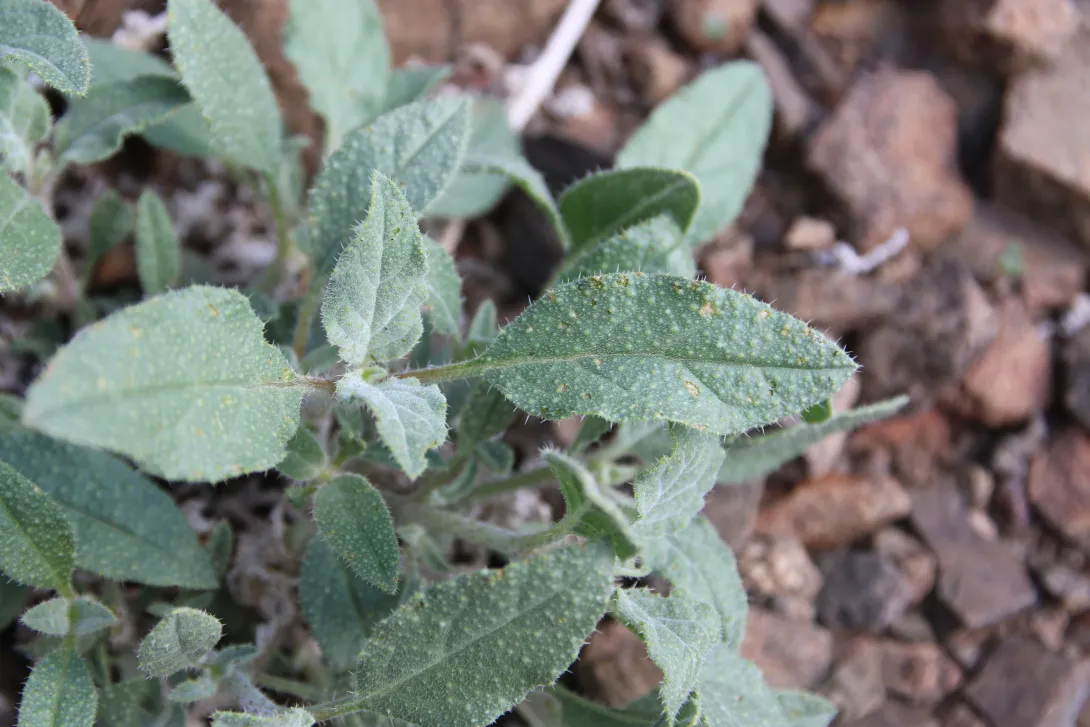
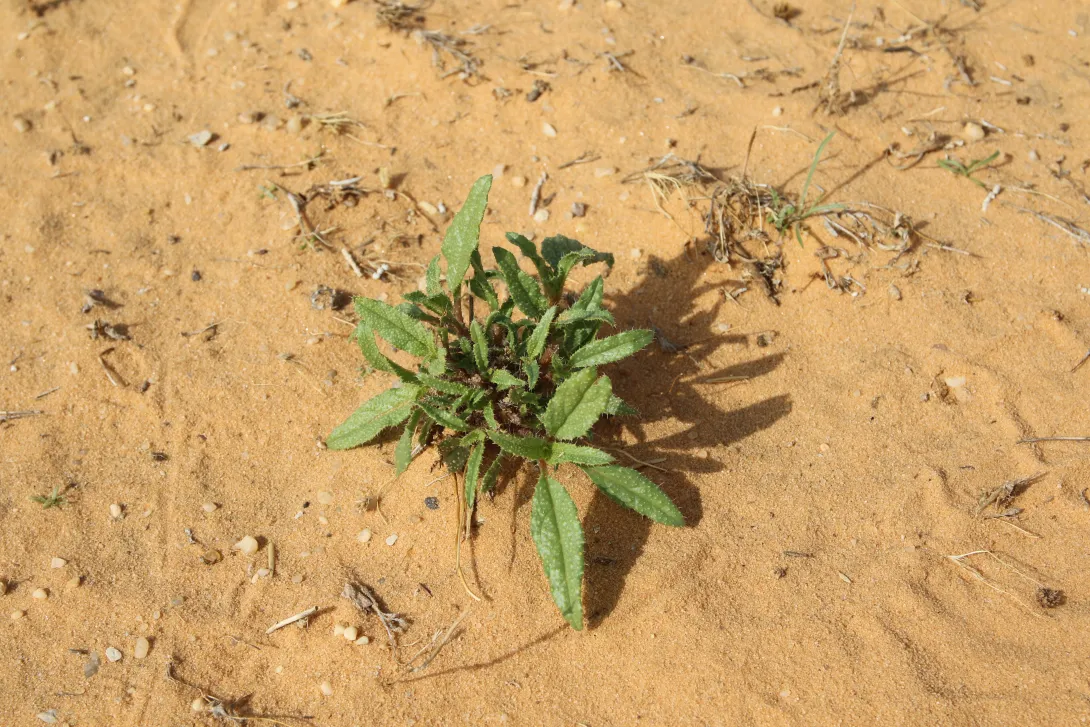
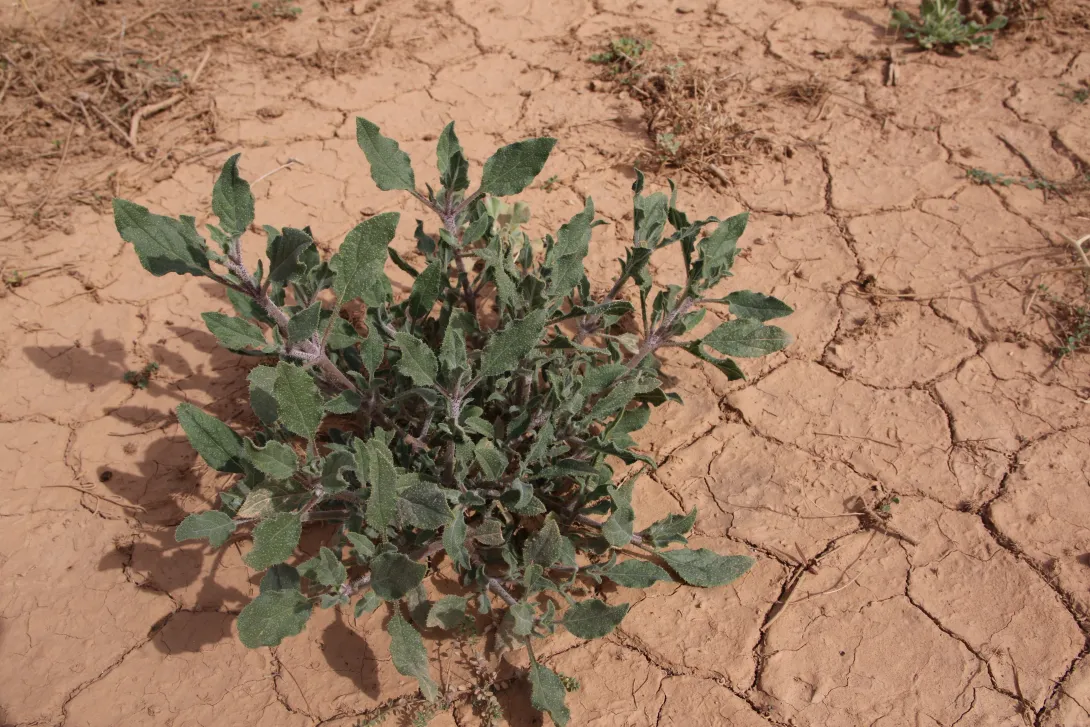
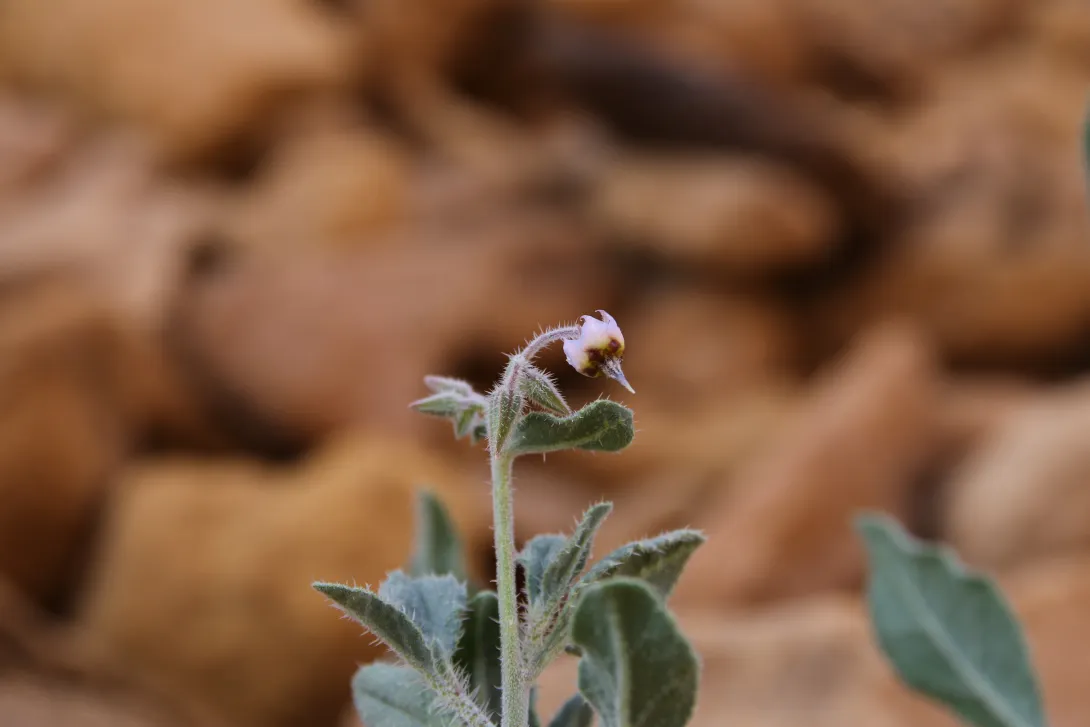
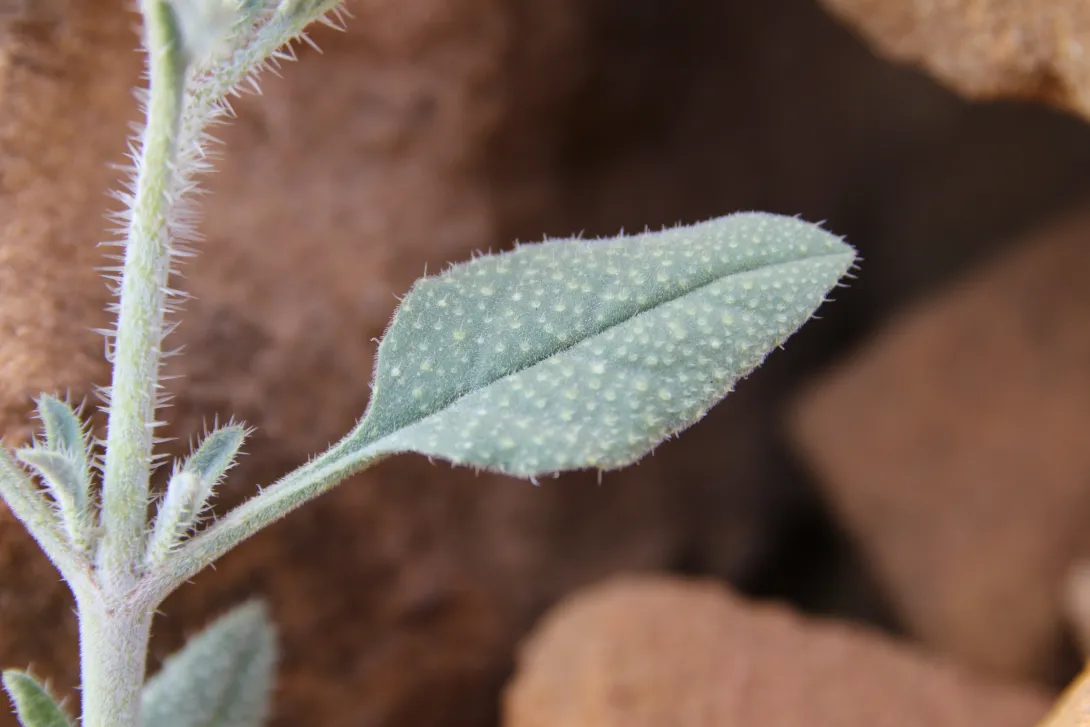
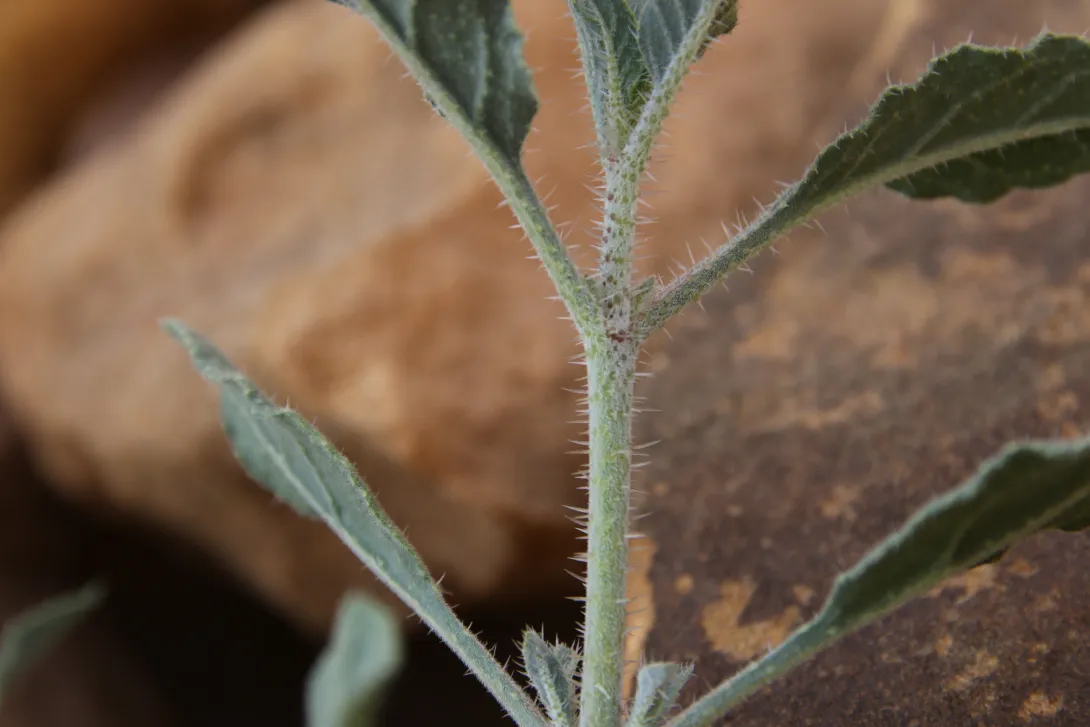
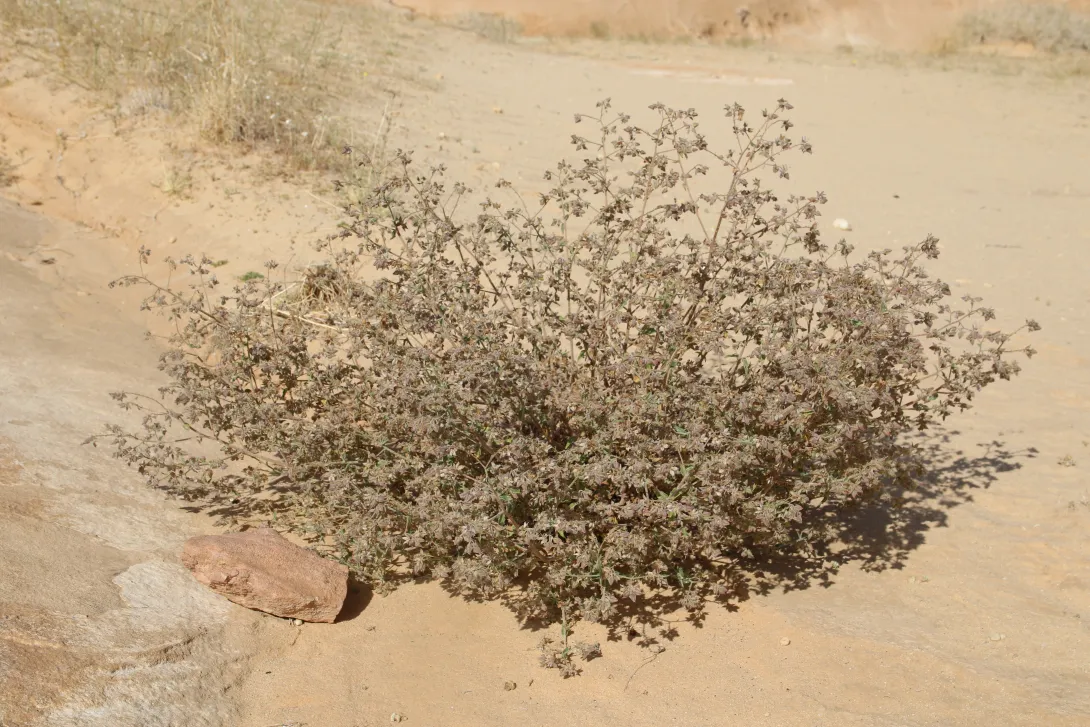
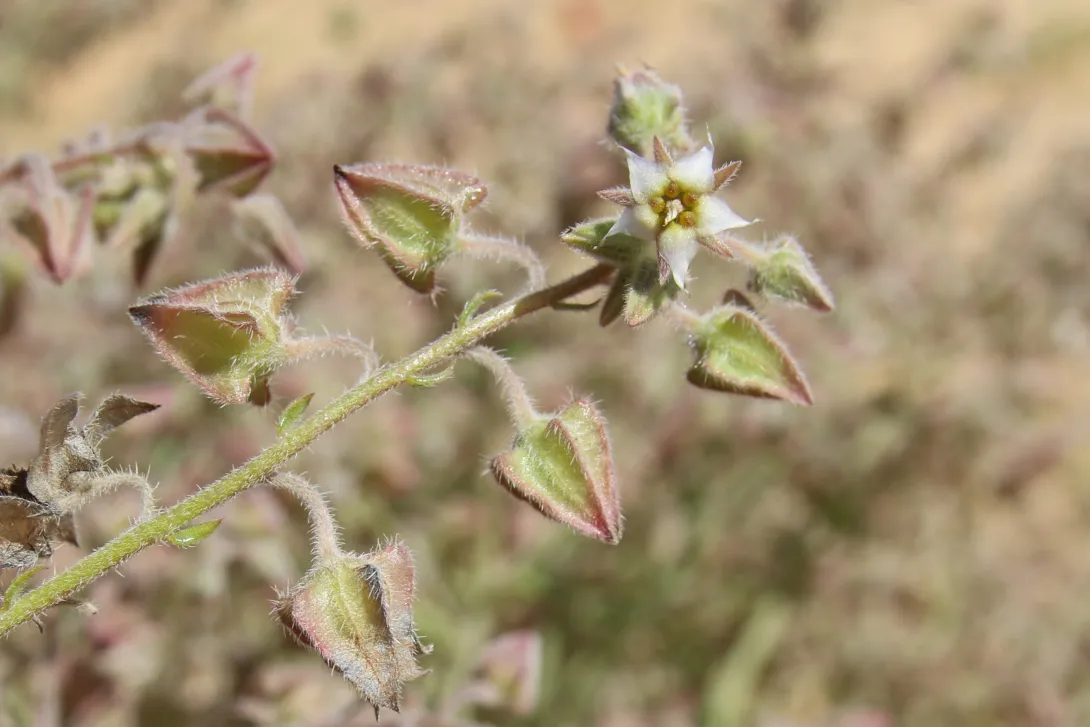
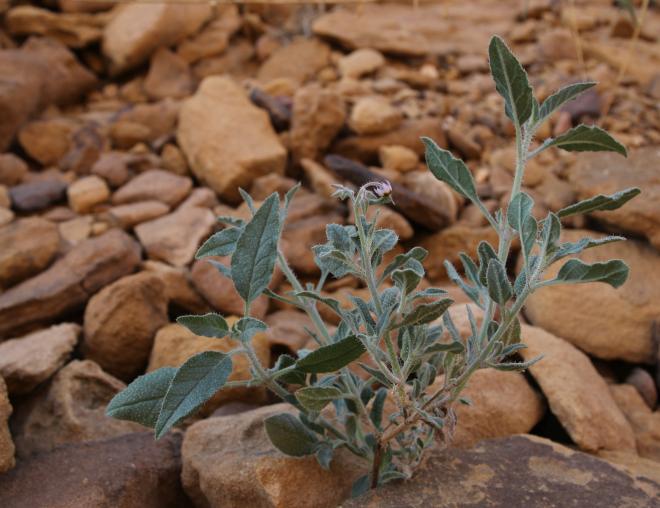
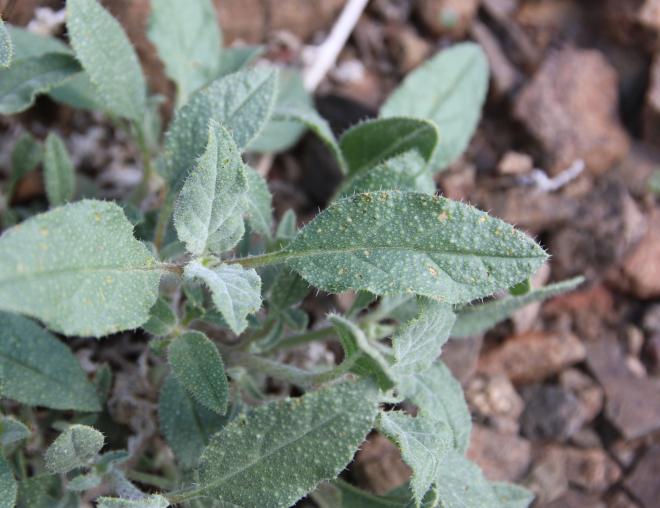
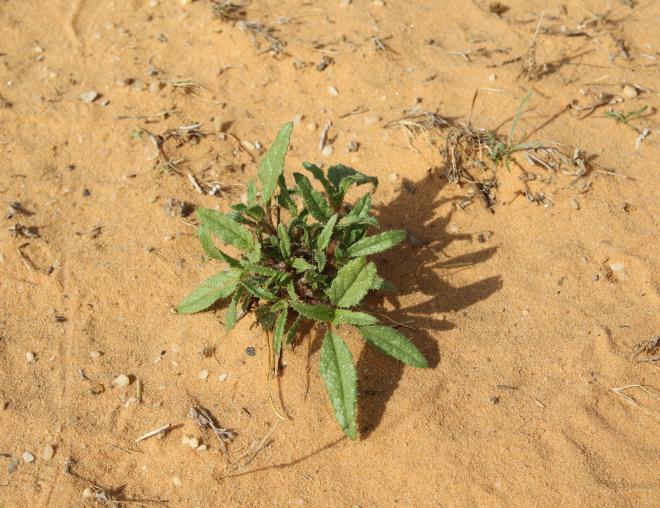
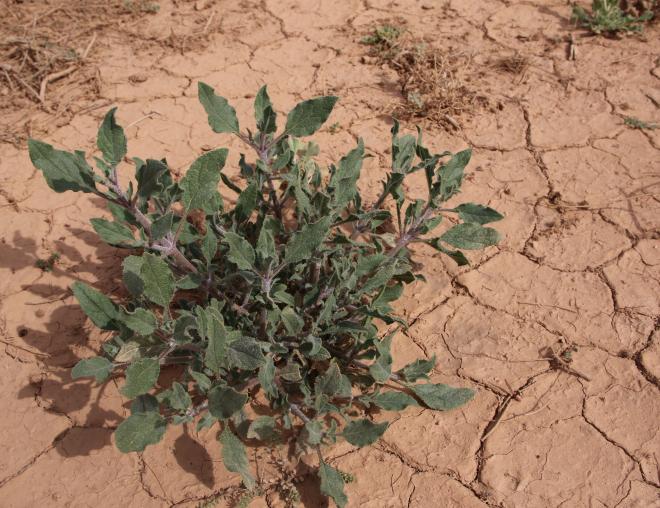
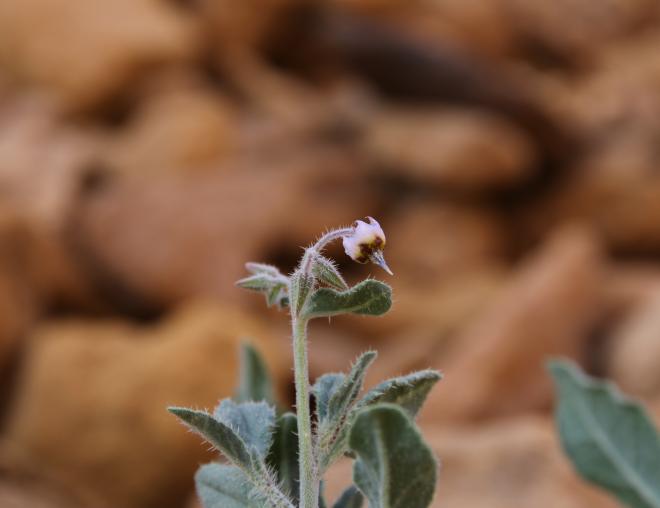
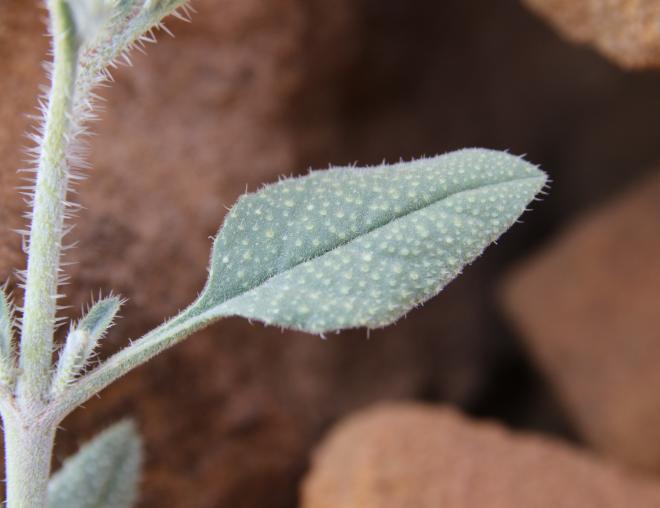
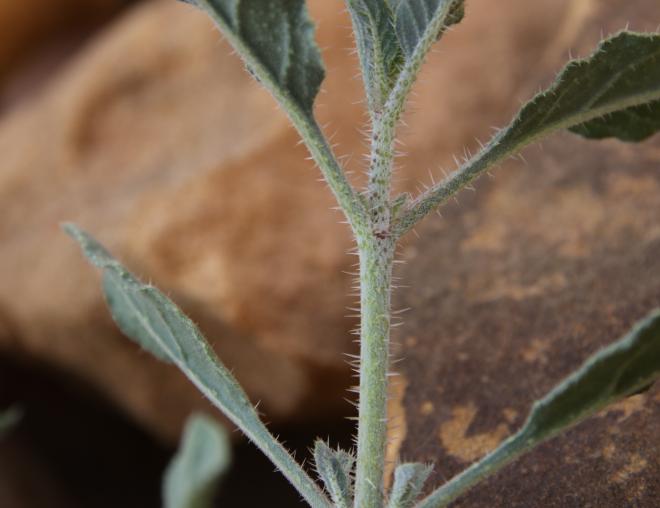
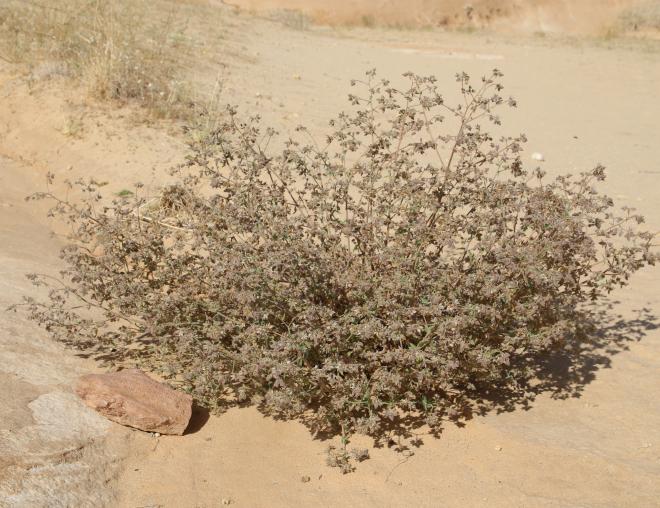
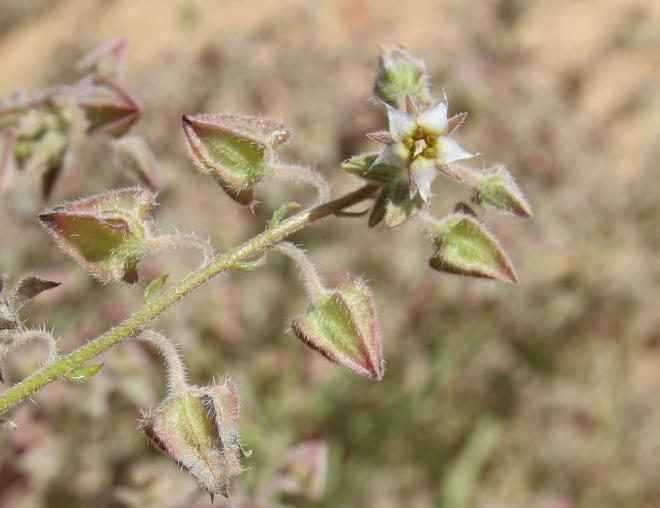
Annual or short-lived perennial prickly herb, 0.2–1 m tall, mostly branching from the base, with prickly stems and leaves due to tubercle-based prickles. Leaves are opposite, sometimes alternate in parts, elliptic, narrowed at both ends, about 5 cm long and 2.5 cm wide. Flowers are bluish with a yellow center, 6–12 mm across, and arranged in terminal and axillary panicles on long pedicels. Calyx is densely white-hairy, about 6 mm long, and enlarges in fruit to 10 mm long or more. Corolla lobes are ovate and long-acuminate. Flowers have five stamens with oblong to linear anthers, densely white-hairy, with naked appendage tips. Fruits are ovoid, brown nutlets, about 6 mm long, with dentate, prickly margins.
- Growth Form
-
Description
-
Habitat and Distribution
- Habitat
-
Geographical Distribution Range
This Saharo-Arabian species is distributed from Morocco, Mauritania and Senegal, through the Arabian Peninsula to Pakistan and India. For the Arabian Peninsula, it is native to Jordan, Saudi Arabia, Qatar, the Gulf States, Oman and Yemen.
-
Ecology
-
Phenology
JanFebMarAprMayJunJulAugSepOctNovDecFloweringFructification
- Origin
-
IUCN Red List Category
 Not Evaluated
-
Phenology
-
Uses and Values
-
Aromatic and Medicinal Use
Medicinal use
-
Other Usages
Melliferous
-
Description of Traditional Uses
Used in folk medicine, particularly for skin, inflammatory, or digestive complaints. Its flowers may attract bees.
-
Aromatic and Medicinal Use
Gallery