Mentha longifolia (L.) L.
الحبق - نعنع ـ حبق
Syn. Mentha spicata var. longifolia L. (1753)
Horse Mint, Wild mint
Lamiaceae
1 / 4
-
Morphological Description
-
Description
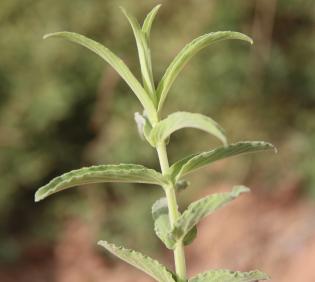
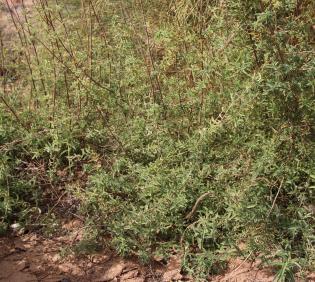
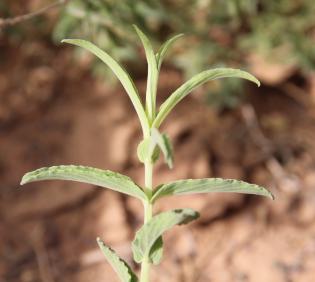
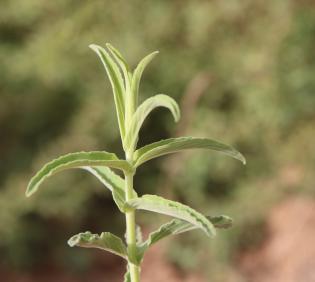
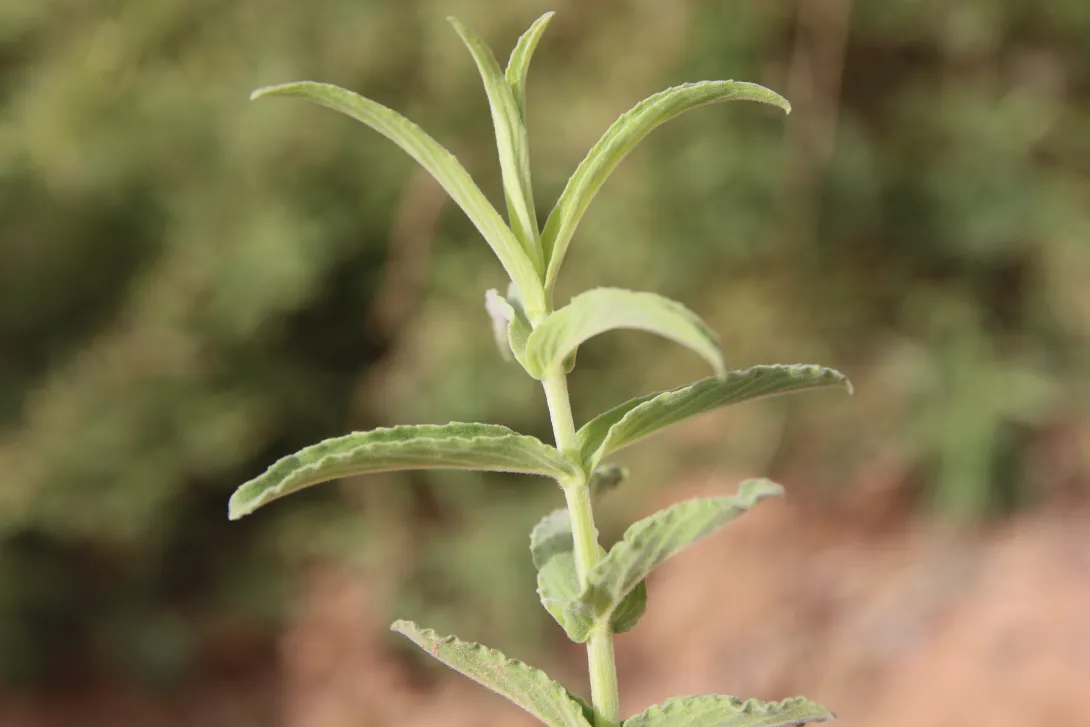
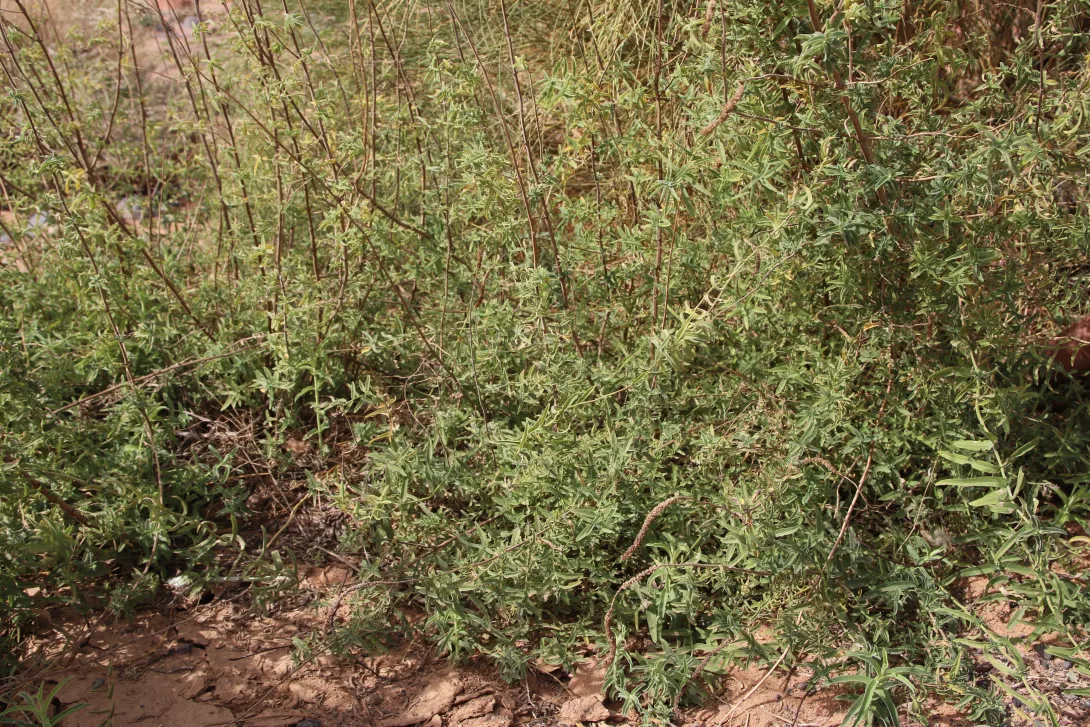
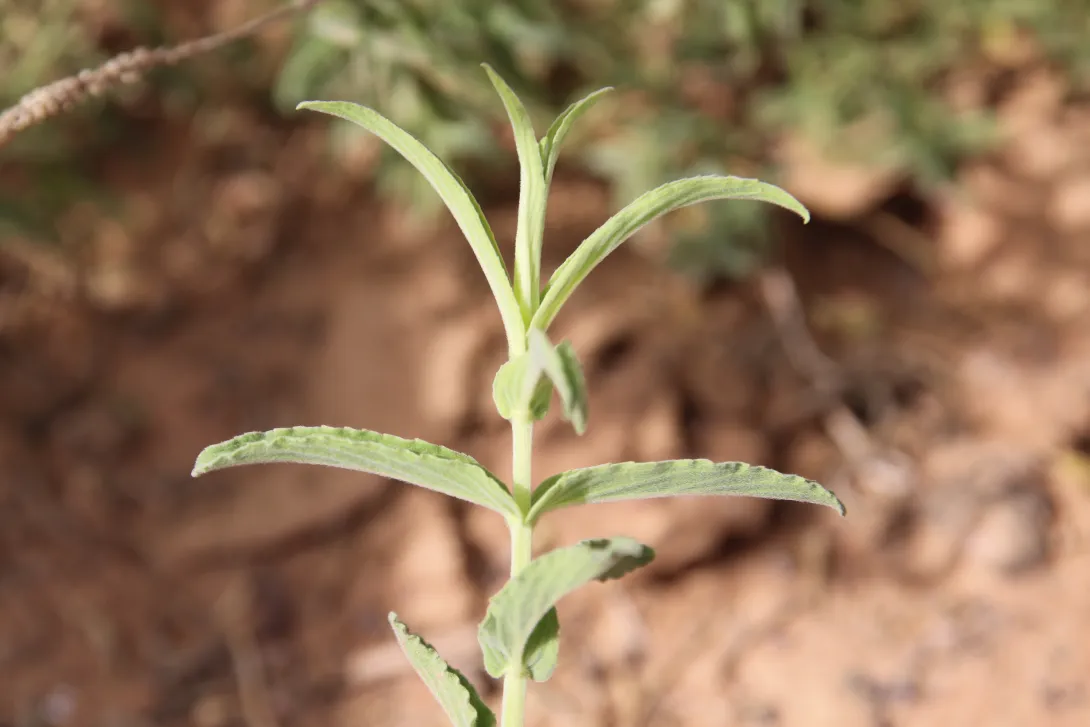
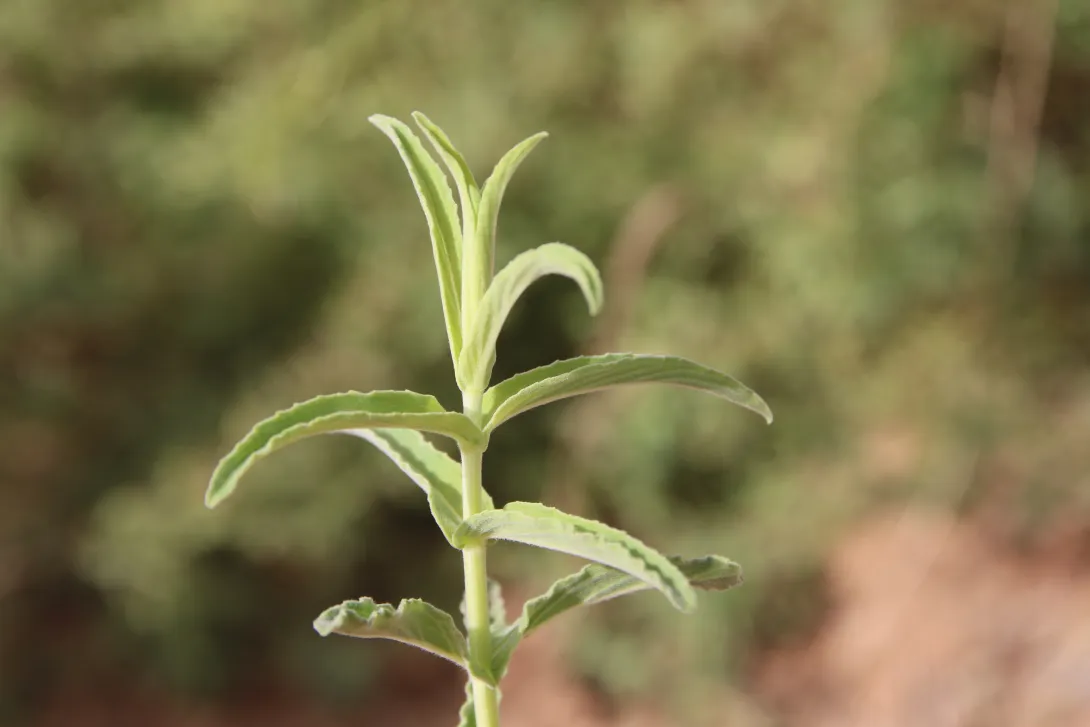
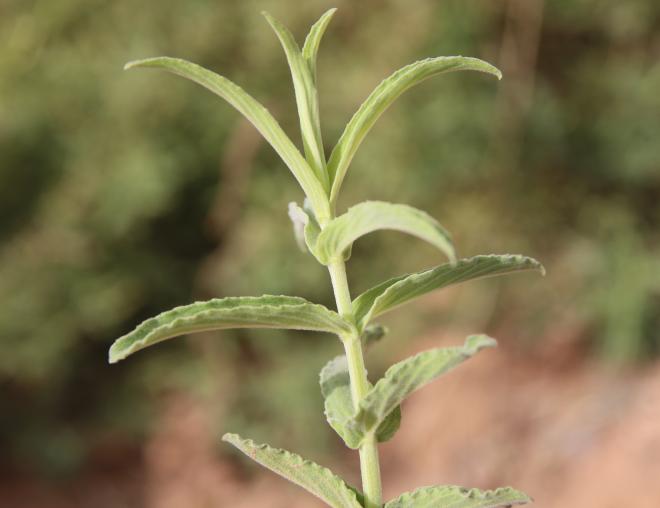
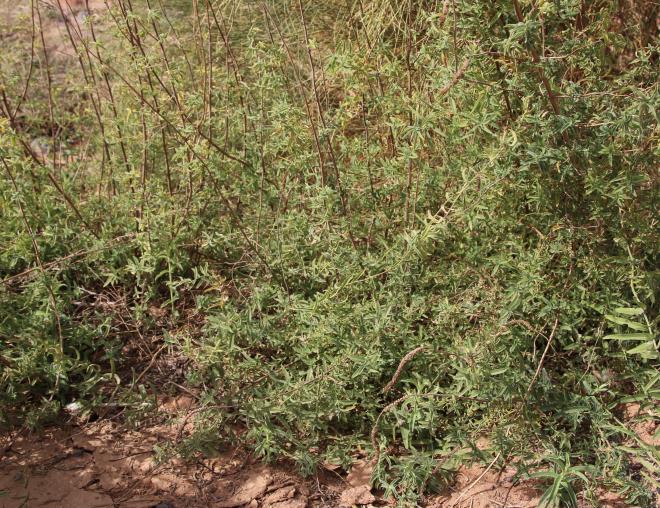
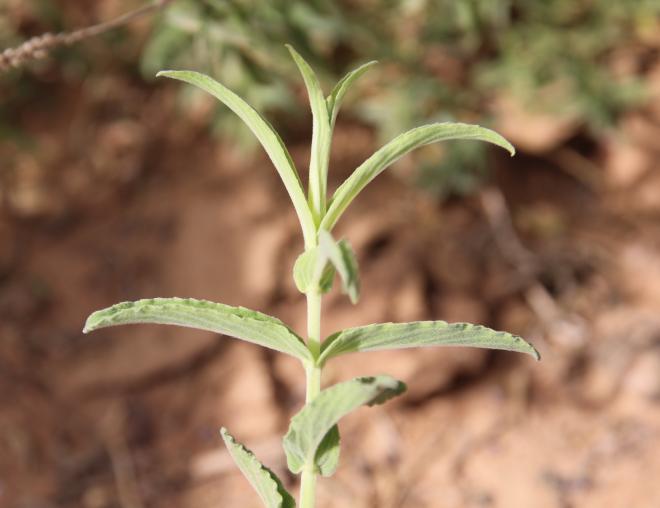
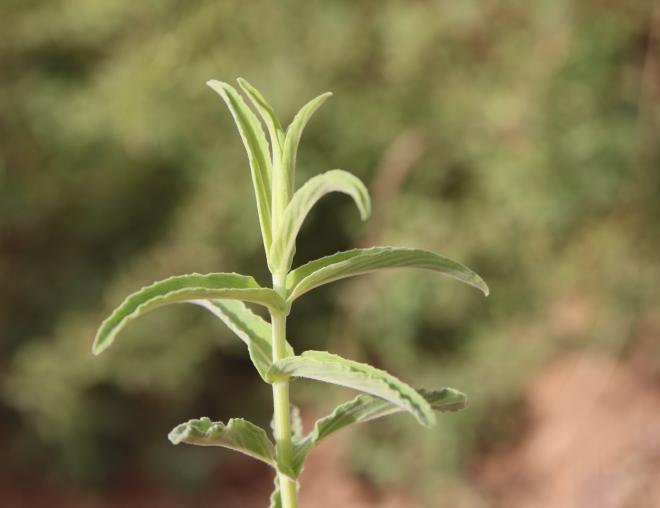
Perennial, rhizomatous, and very variable herb, 30–80 cm tall, with ascending, leafy branches that are pubescent to softly pilose. Leaves are sessile, lanceolate to narrowly oblong-elliptic, discolorous and acute, measuring up to 8 cm long and 1.5–3 cm wide. Verticillasters are composed of many flowers arranged in dense terminal and axillary spikes toward the ends of the branches. Calyx is narrowly campanulate, 2–3 mm long and softly hairy. Corolla is lilac, four-lobed and about 4 mm long. Flowers have 4 subequal stamens and subequally bifid style. Fruits are very small, ovoid nutlets, slightly mucilaginous when wet.
- Growth Form
-
Description
-
Habitat and Distribution
- Habitat
-
Geographical Distribution Range
This Euro-Siberian, Mediterranean, and Irano-Turanian species is found across northern and southern Africa, most of Europe, and West Asia, extending as far as western China. It has also been introduced in Guinea, Illinois, Madeira, Maryland, New York, Oman, Sakhalin, and Vermont. Within the Arabian Peninsula, it is native to Jordan and Saudi Arabia.
-
Ecology
-
Phenology
JanFebMarAprMayJunJulAugSepOctNovDecFloweringFructification
- Origin
-
IUCN Red List Category
 Least Concern
-
Phenology
-
Uses and Values
-
Aromatic and Medicinal Use
Aromatic usages; Medicinal use
-
Description of Traditional Uses
Extensively used in traditional medicine and cuisine for its aromatic and digestive benefits, commonly brewed as tea to alleviate respiratory and gastrointestinal discomfort.
-
Aromatic and Medicinal Use
Gallery