Malva parviflora L.
الخُباز
Mallow, Egyptian mallow
Malvaceae
1 / 8
-
Morphological Description
-
Description
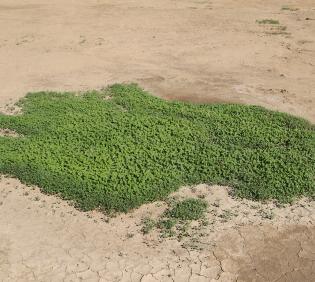
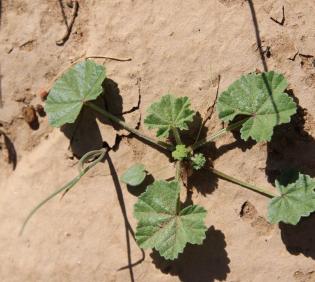
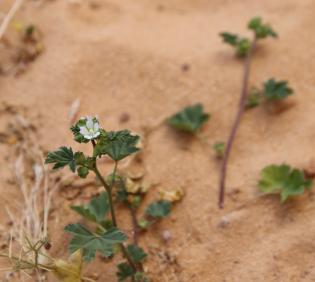
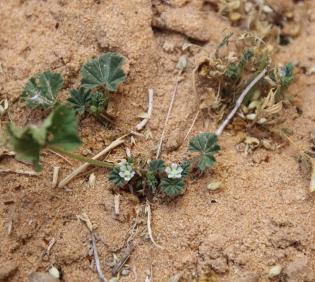
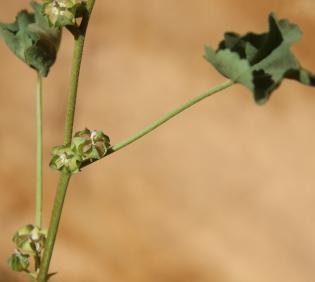
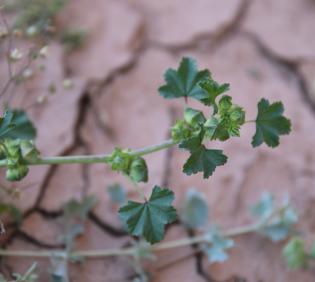
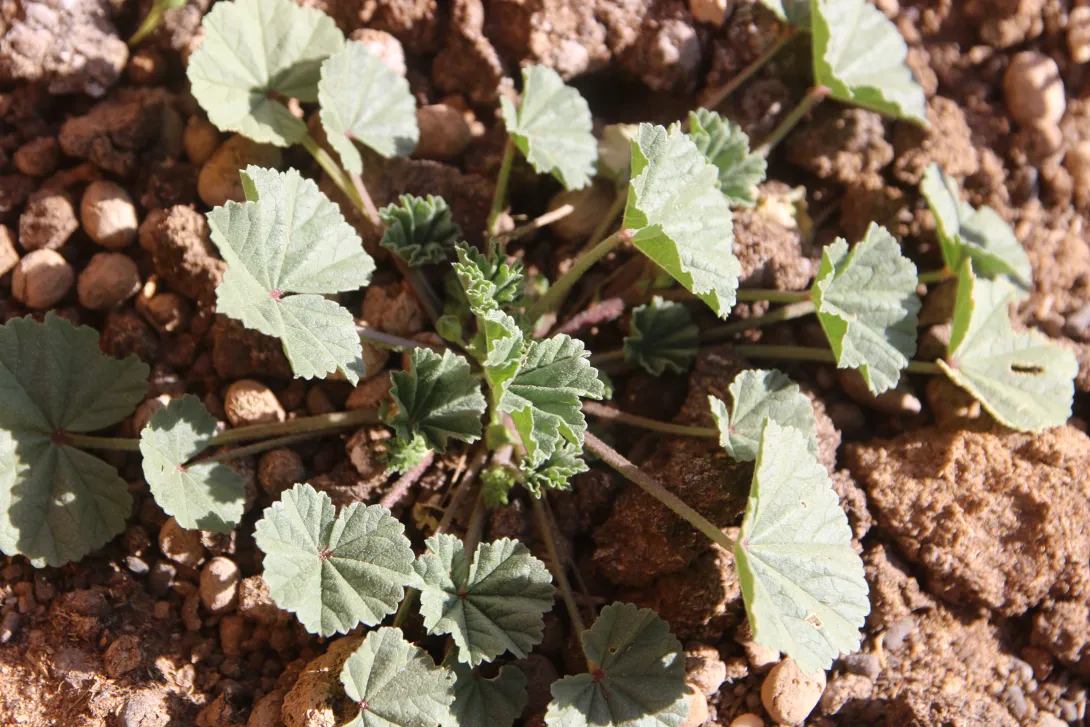
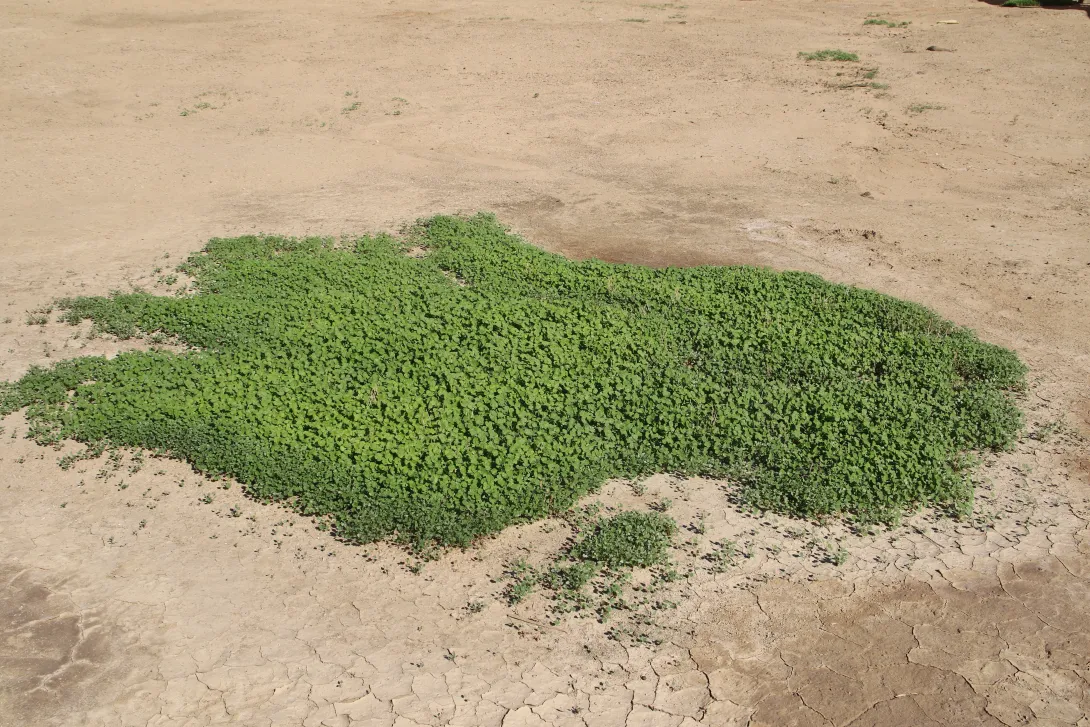
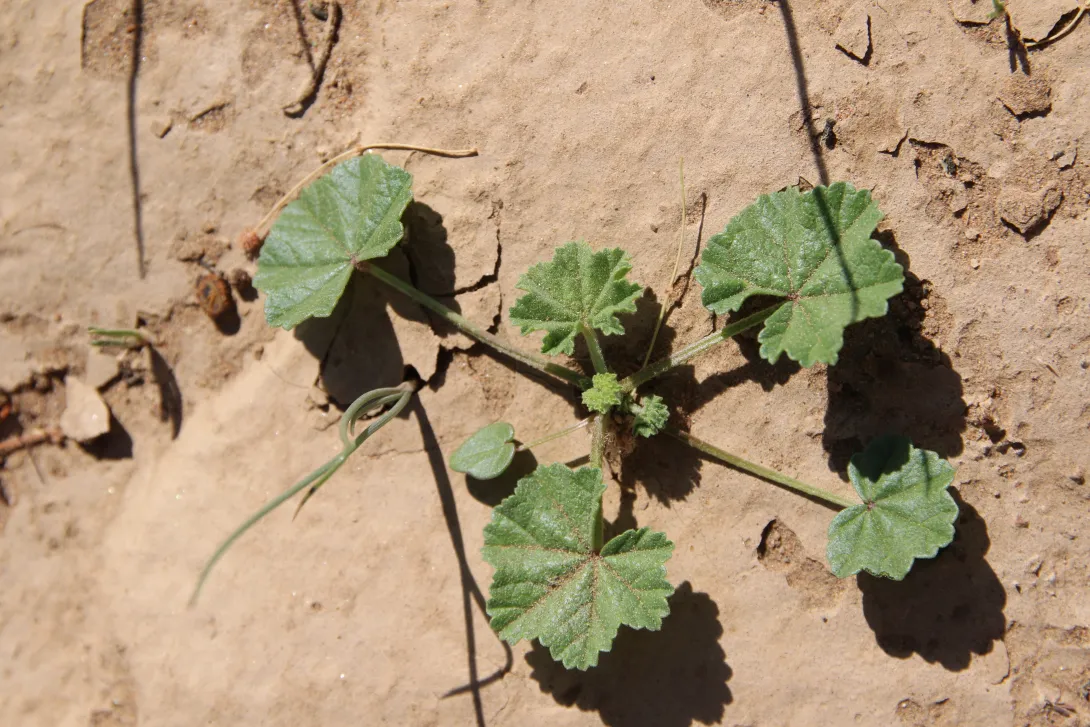
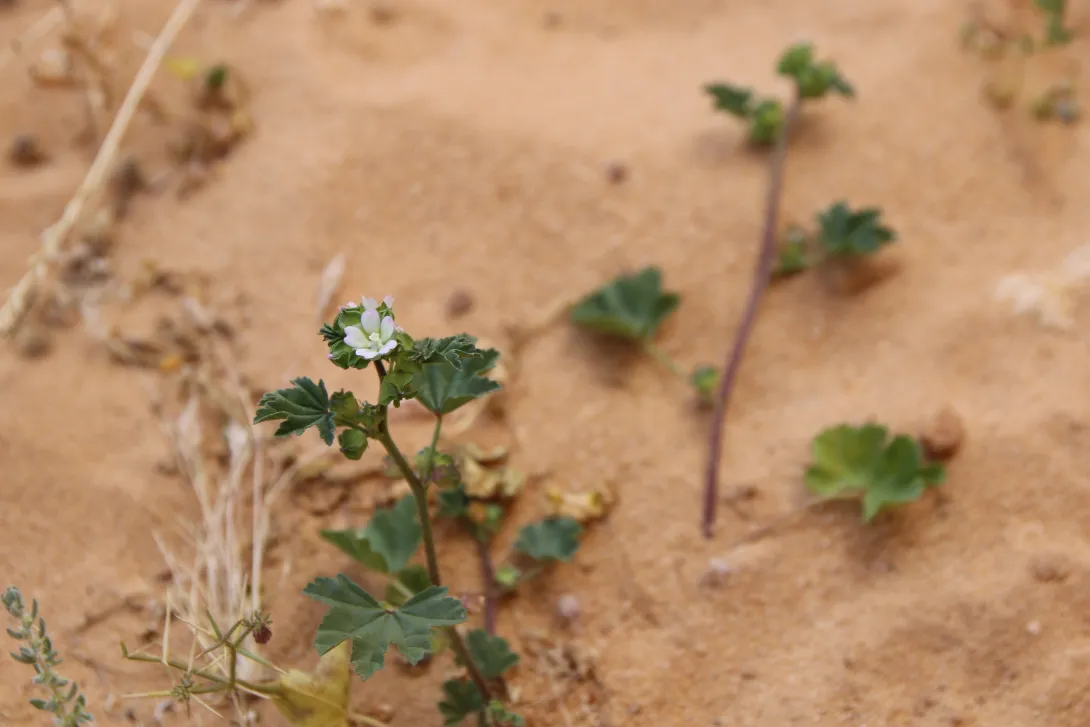
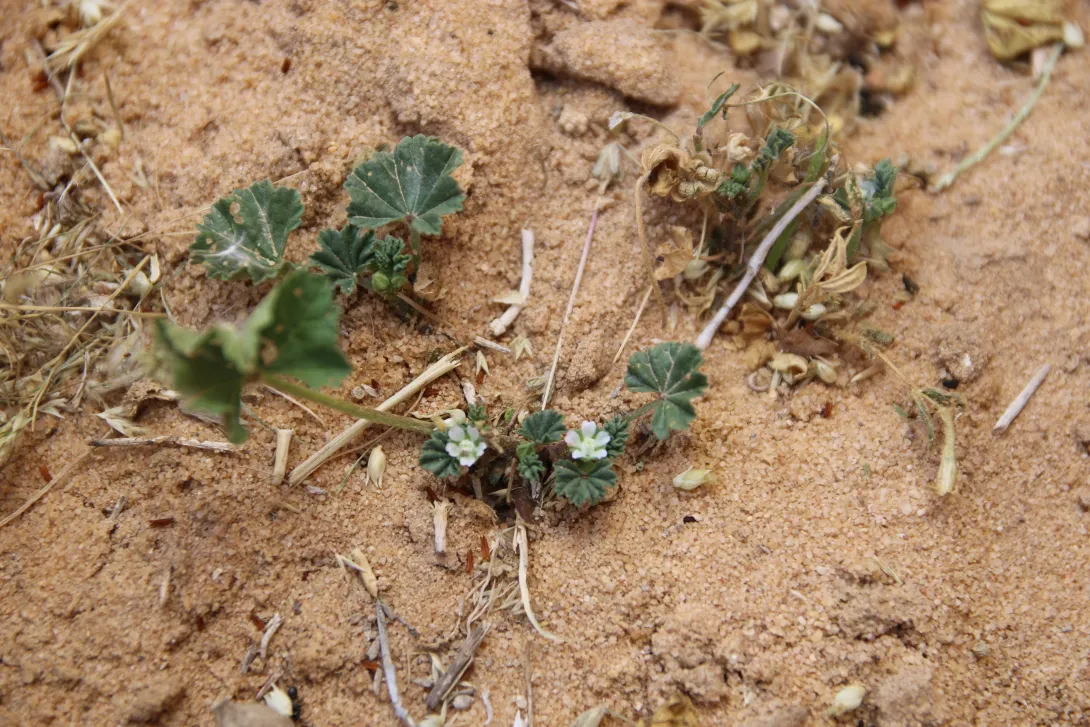
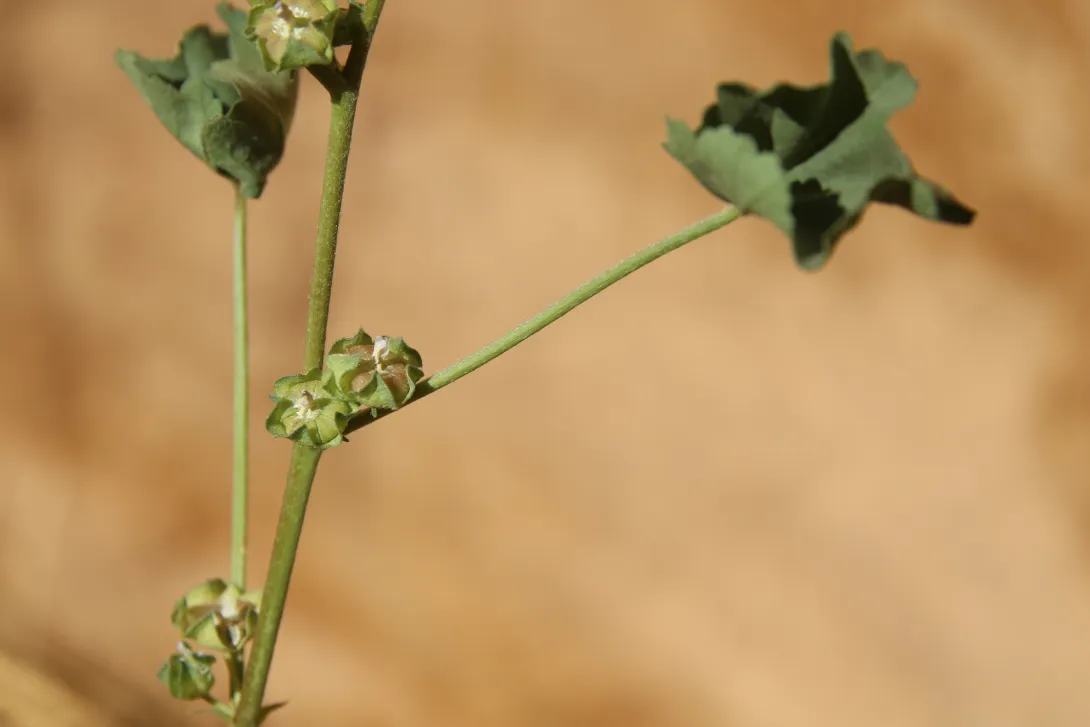
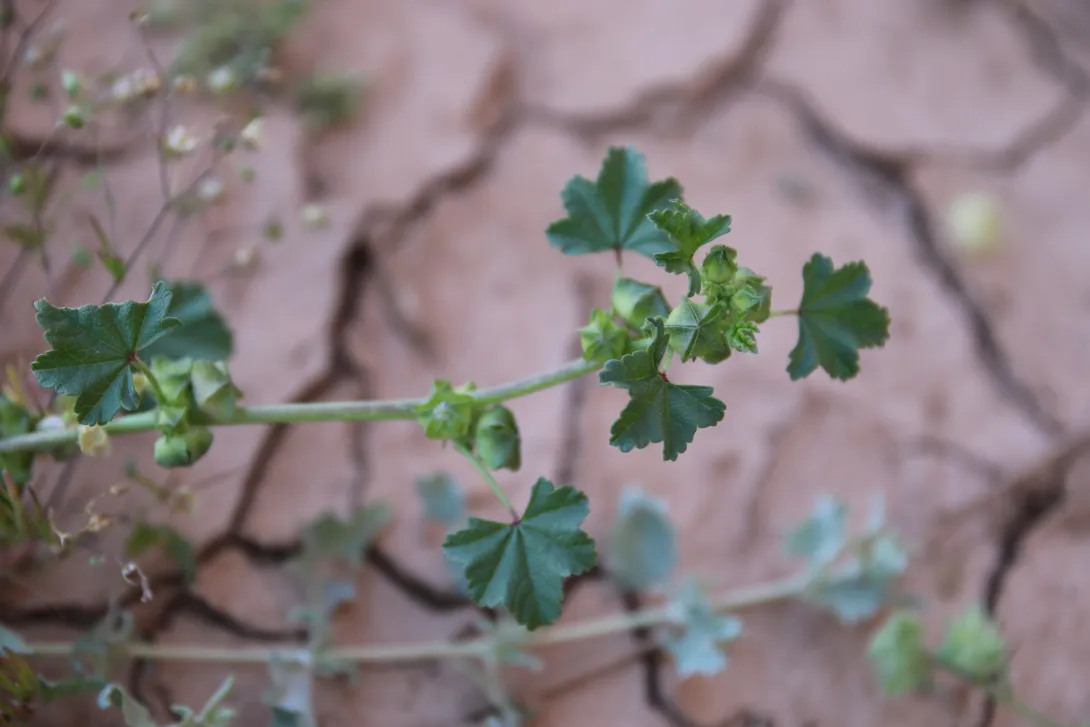
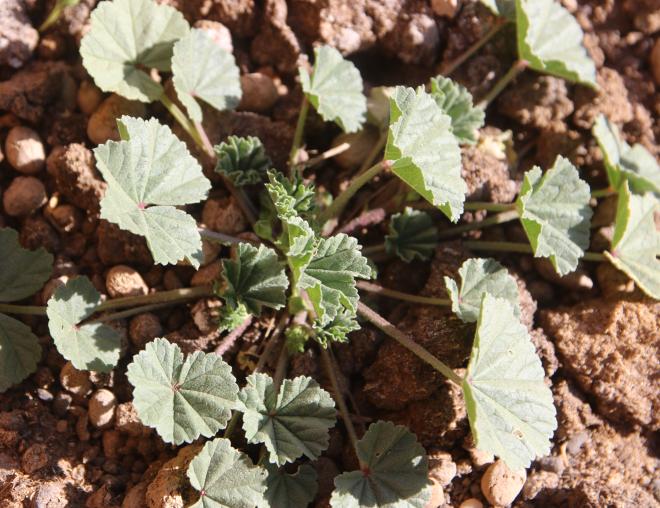
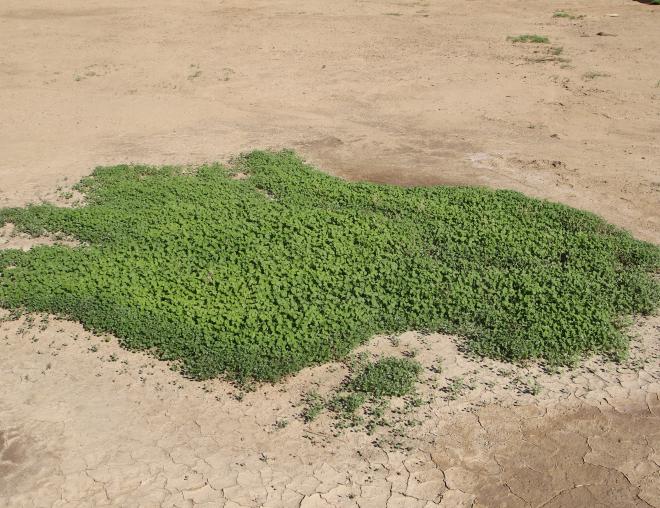
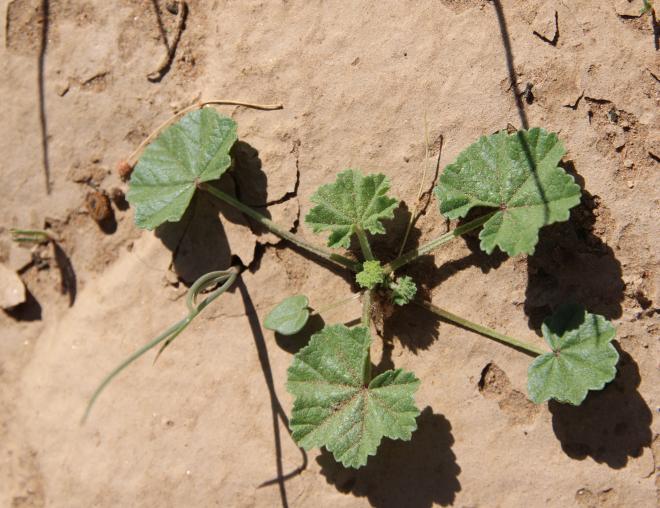
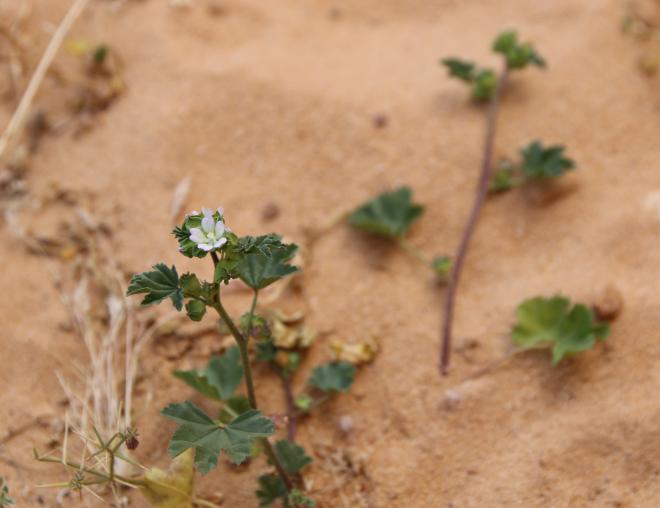
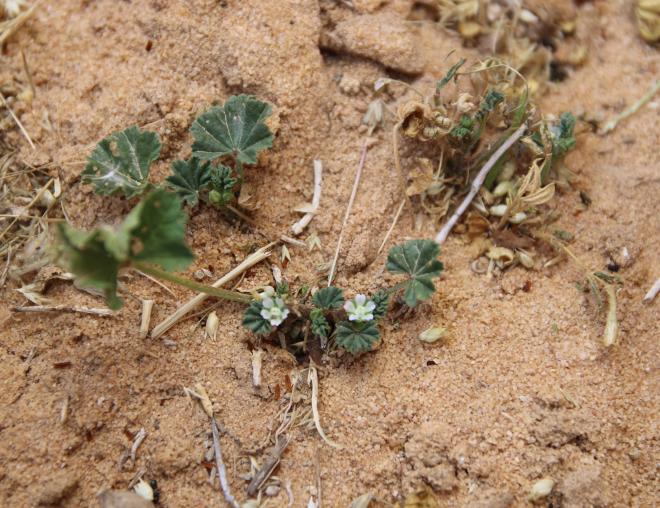
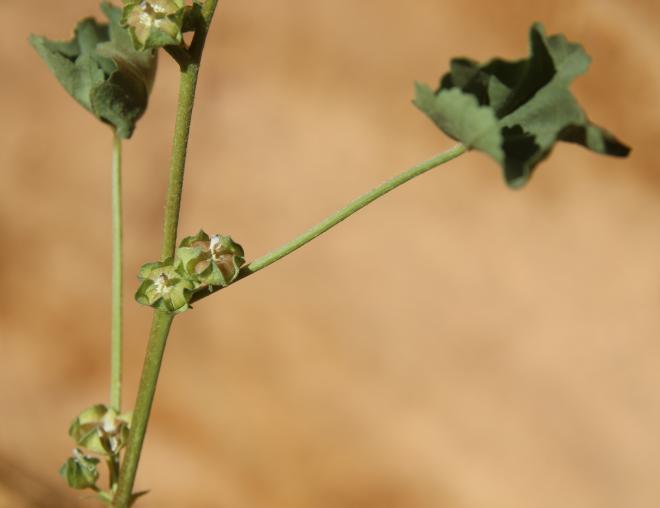
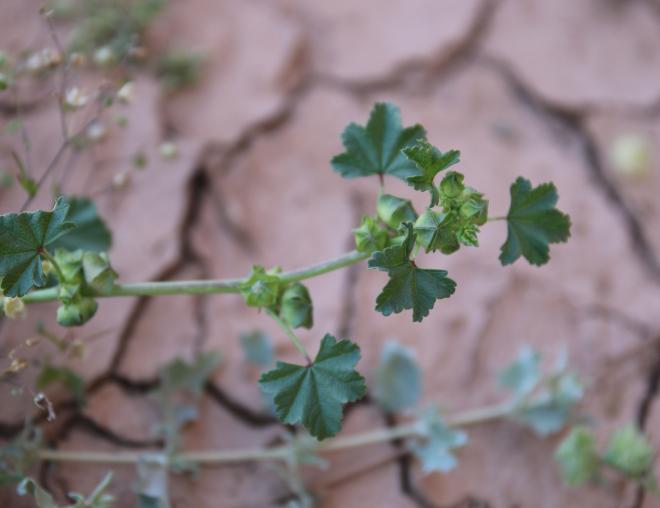
Annual herb with stems, 20-40 cm tall. Leaves petiolate, blades orbicular in outline, usually 3-7-lobed, cordate, 2-4 x 2-6 cm; stipules lanceolate to ovate, 1-2 mm long. Flowers axillary, usually in dense compact clusters, white, pinkish at the tips. Epicalyx-segments linear, 3-4 mm long. Calyx a little longer than epicalyx-segments, fused to the middle. Petals equal to or shorter than calyx, retuse. Fruit discoid, 3-4 mm across; mericarps 8-10 with raised reticulate venation, margin winged. Seeds brown to black, 1 mm across, glabrous.
- Growth Form
-
Description
-
Habitat and Distribution
- Habitat
-
Geographical Distribution Range
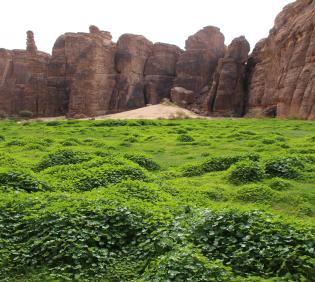
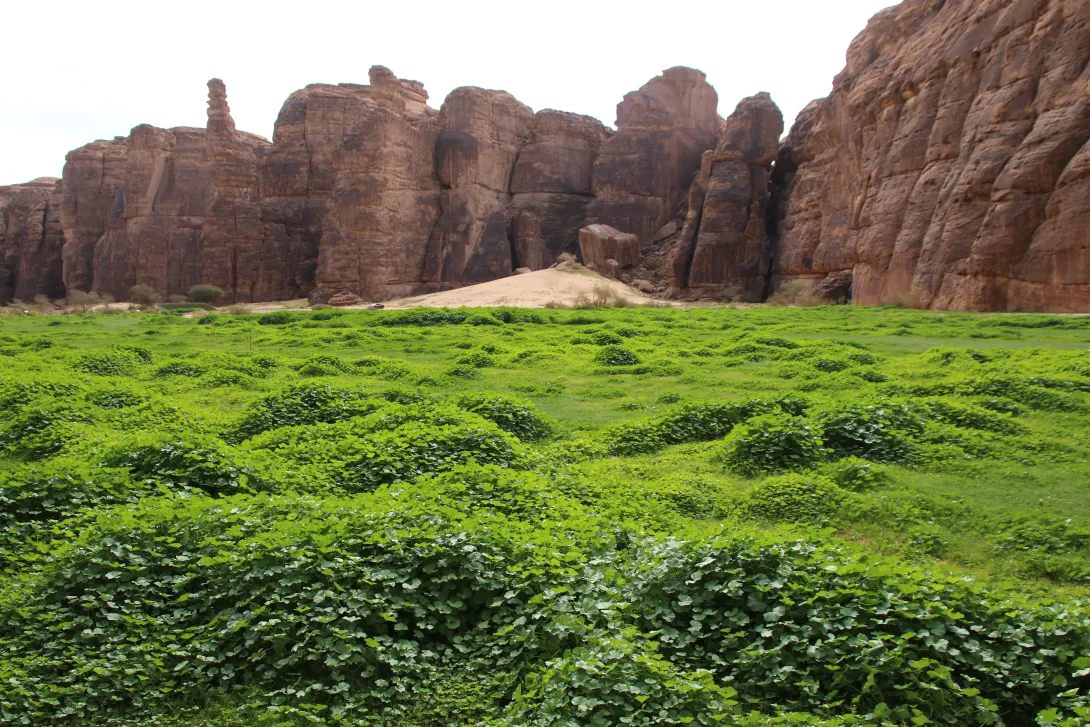
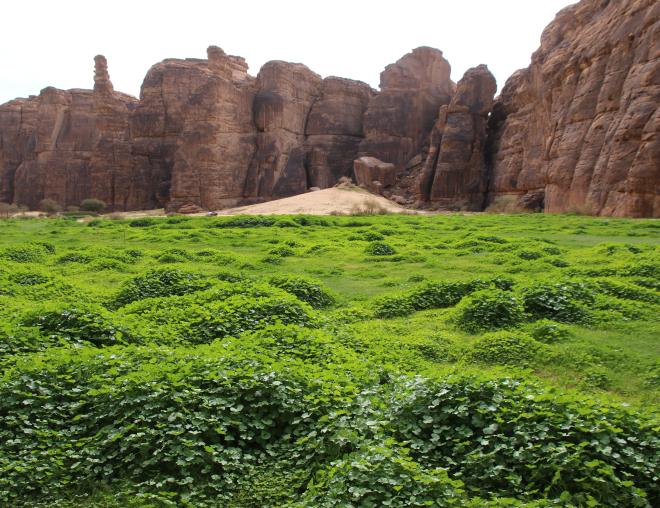
This Med-Irano-Turanian species is widely distributed from Morocco and Mauritania to Somalia and Pakistan, as well as across the European countries bordering the Mediterranean Sea. It is native throughout the Arabian Peninsula and has been introduced to the Americas, Oceania, southern Africa, and East Asia.
-
Ecology
-
Phenology
JanFebMarAprMayJunJulAugSepOctNovDecFloweringFructification
- Origin
-
IUCN Red List Category
 Not Evaluated
-
Phenology
-
Uses and Values
-
Aromatic and Medicinal Use
Medicinal use
-
Other Usages
Palatable
-
Description of Traditional Uses
Known for traditional use as a culinary plant (edible green) and in folk medicine for its mucilaginous properties, often applied as a poultice or infusion for internal comfort.
-
Aromatic and Medicinal Use
Gallery