Lavandula pubescens Decne.
زيتة / لافند / الشَّيْعة
Downy Lavender
Lamiaceae
1 / 7
-
Morphological Description
-
Description
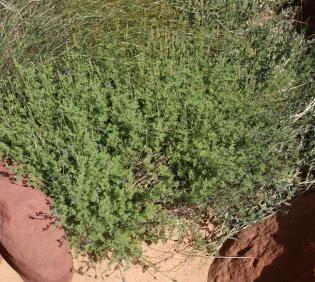
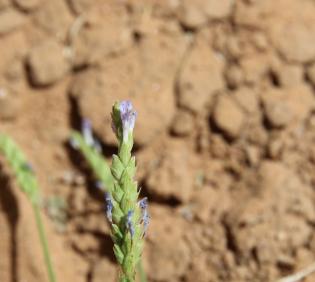
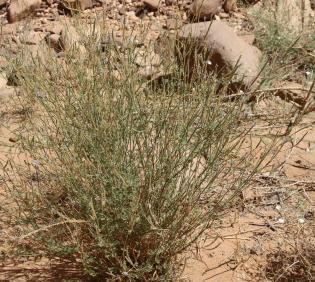
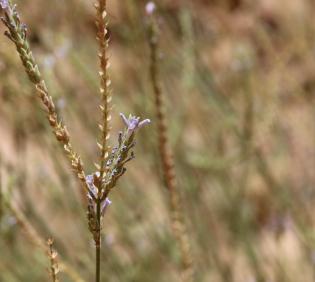
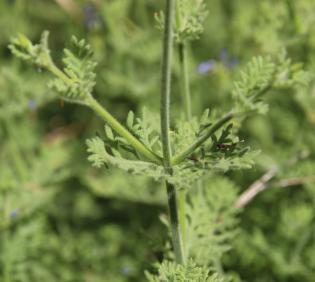
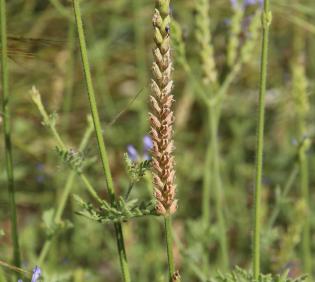
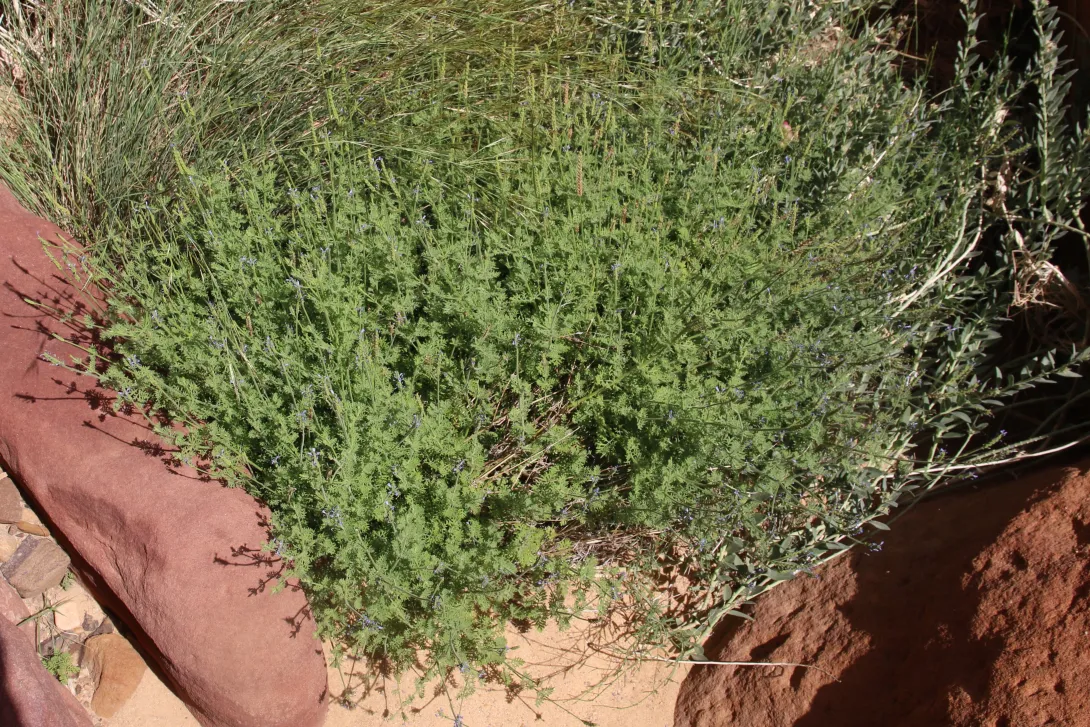
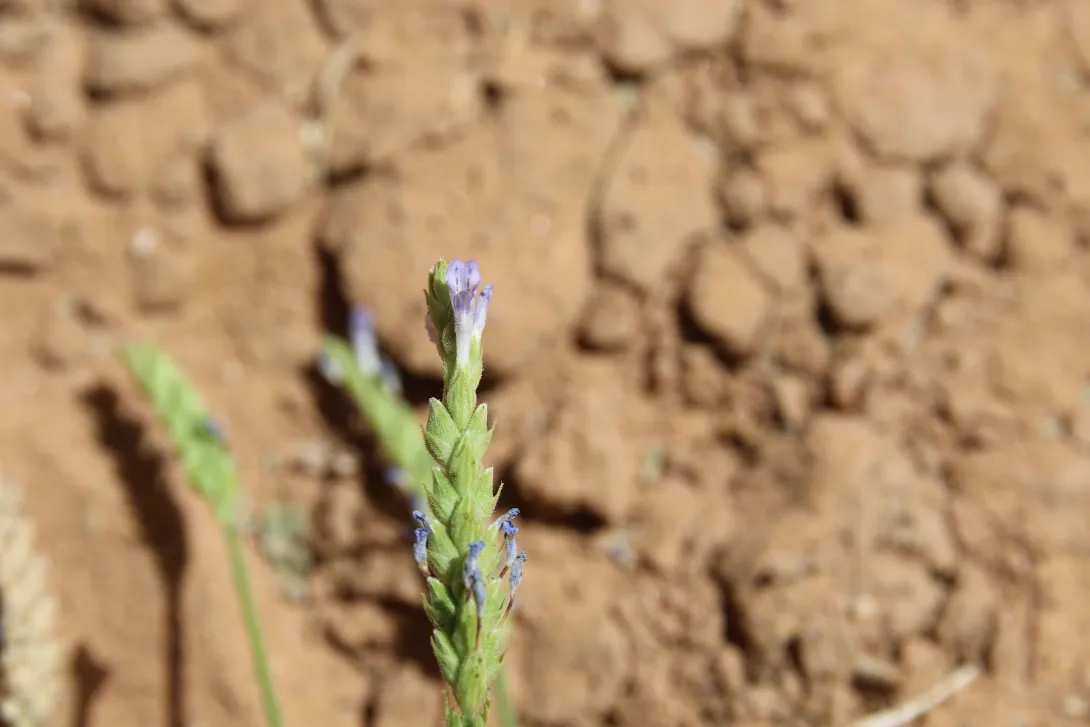
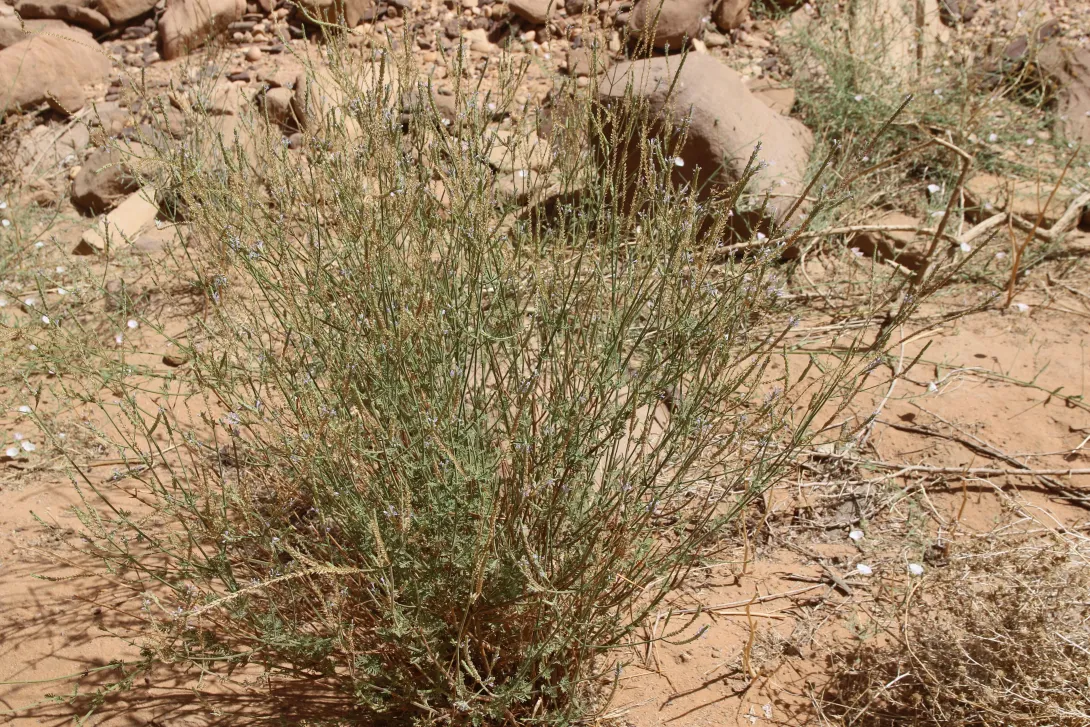
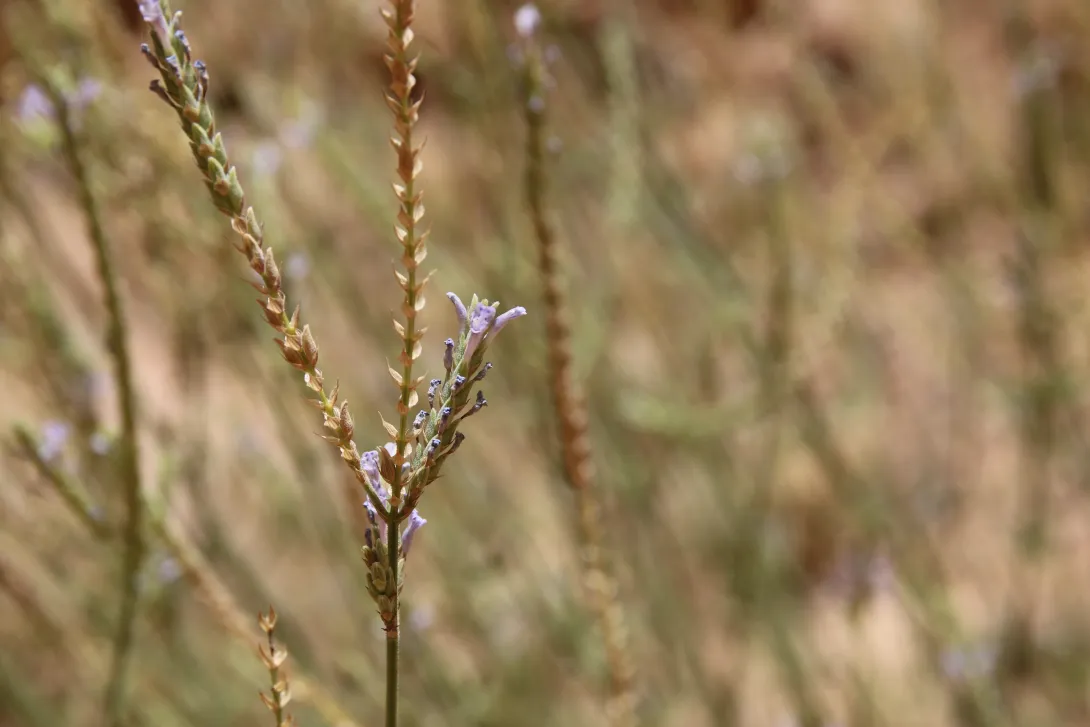
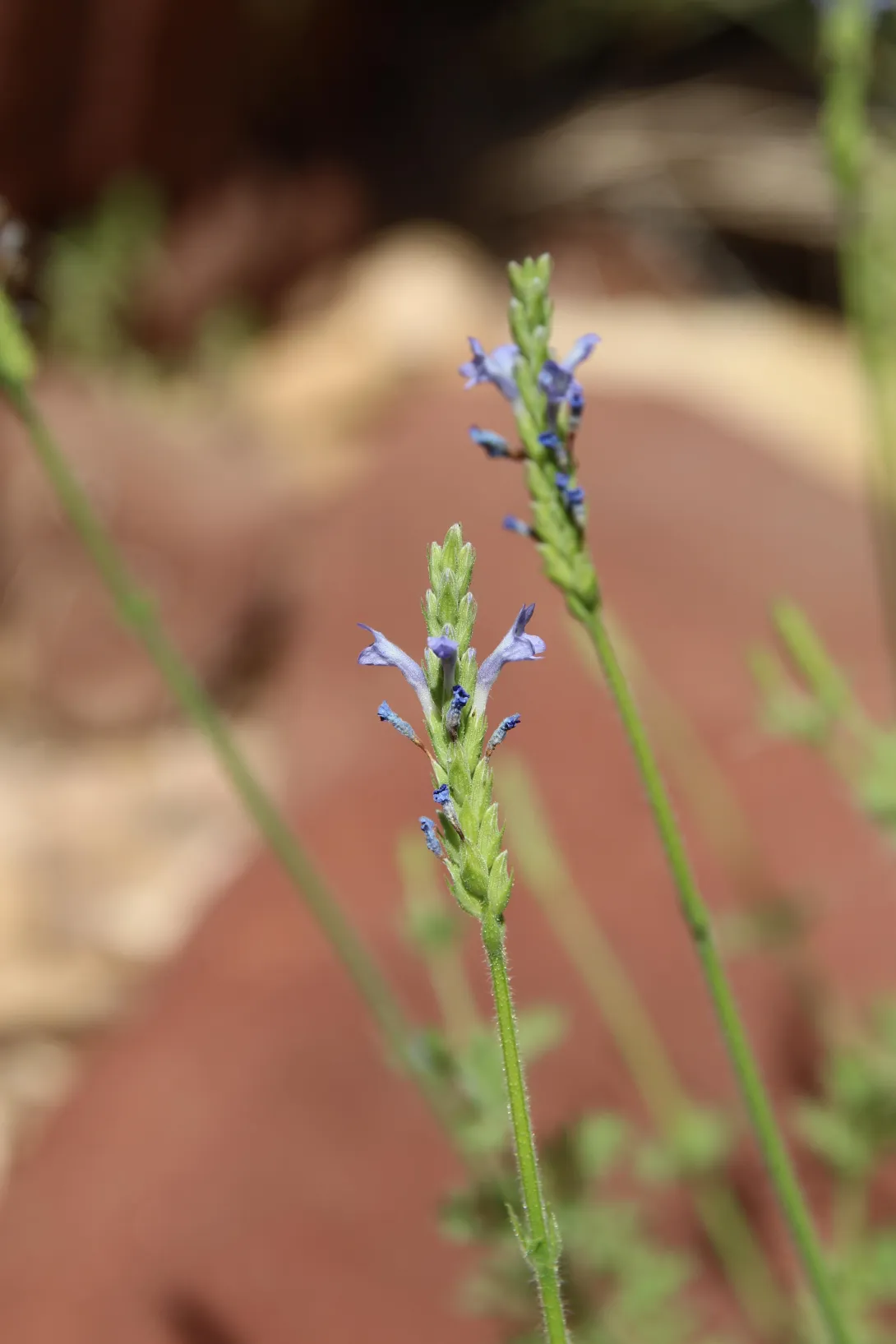
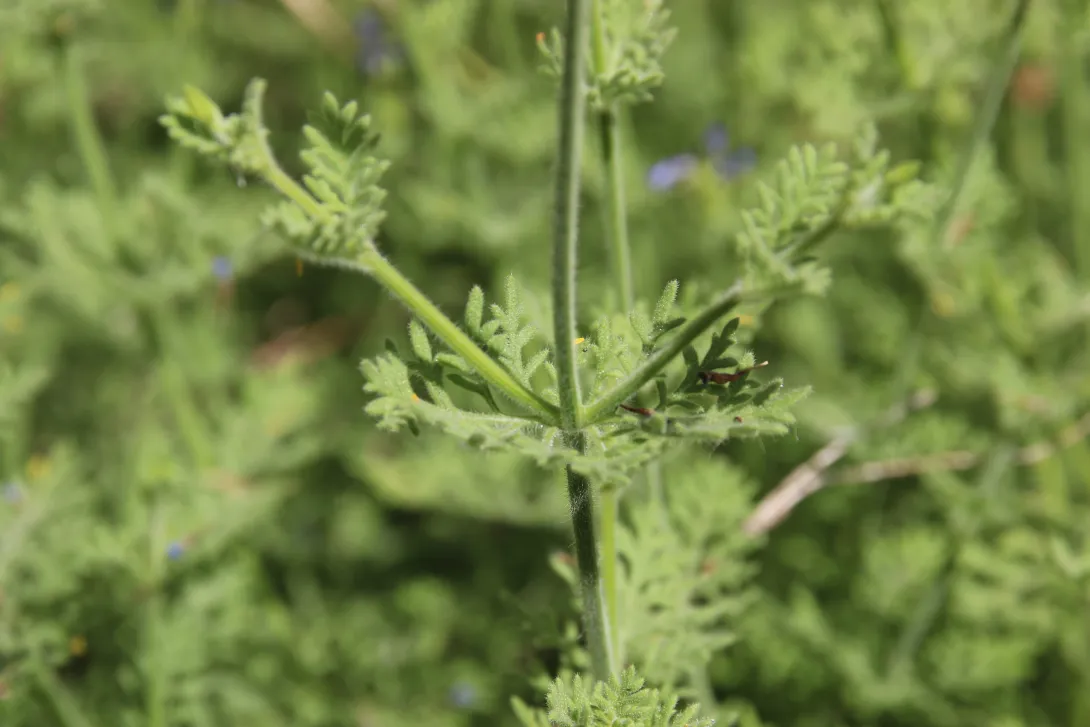
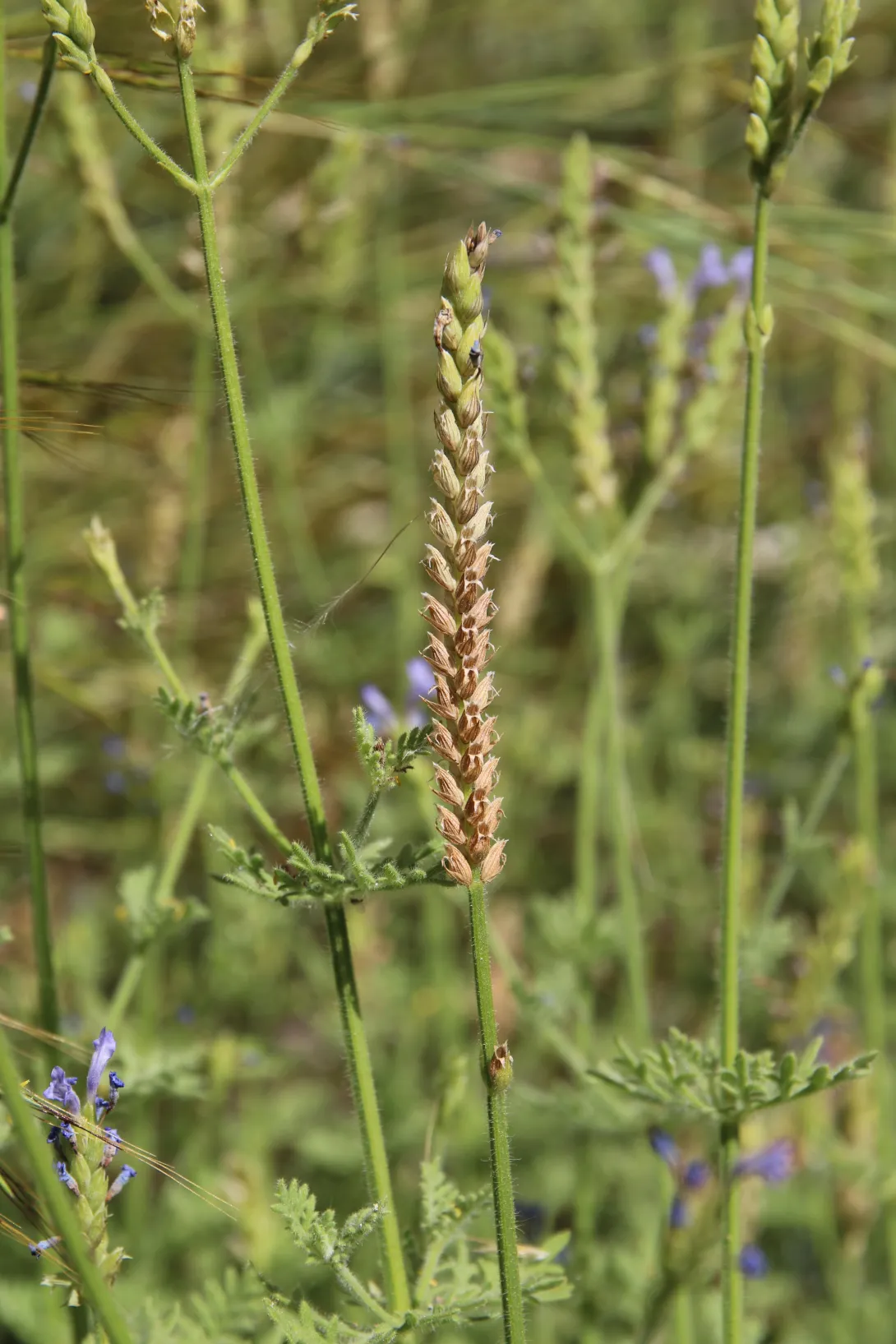
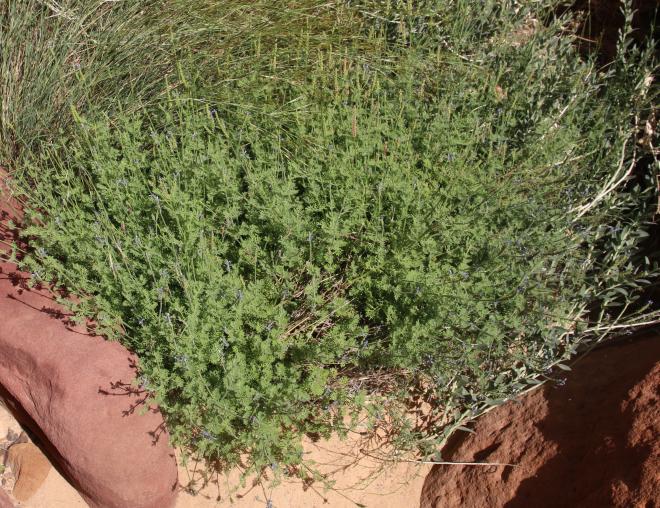
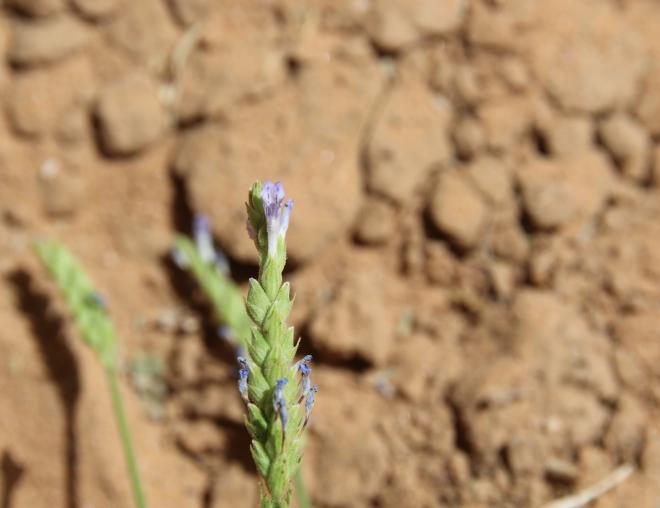
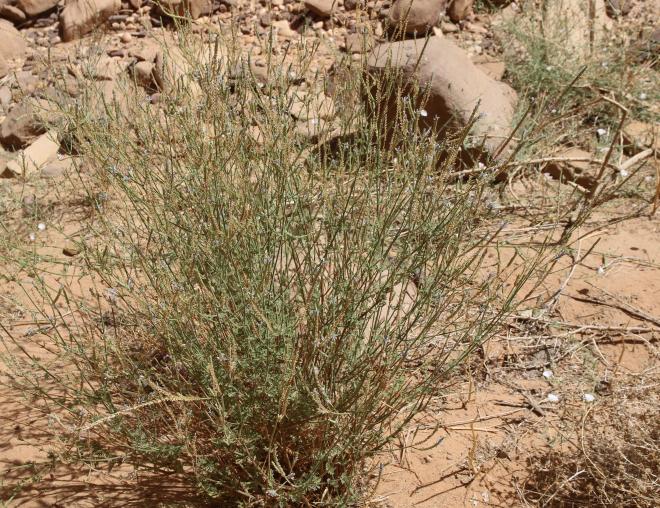
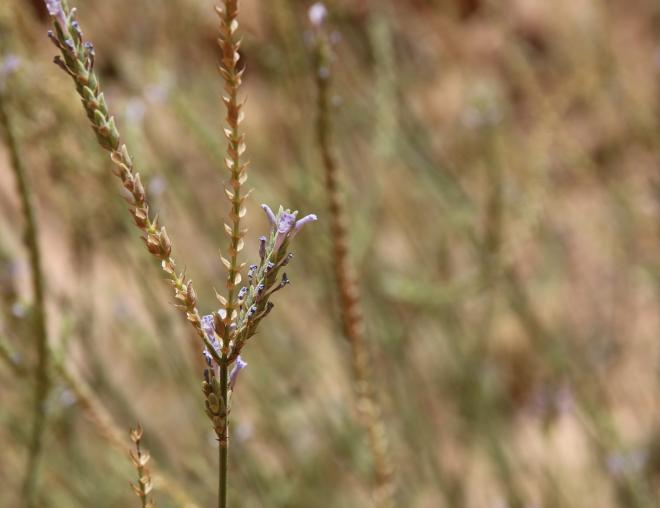
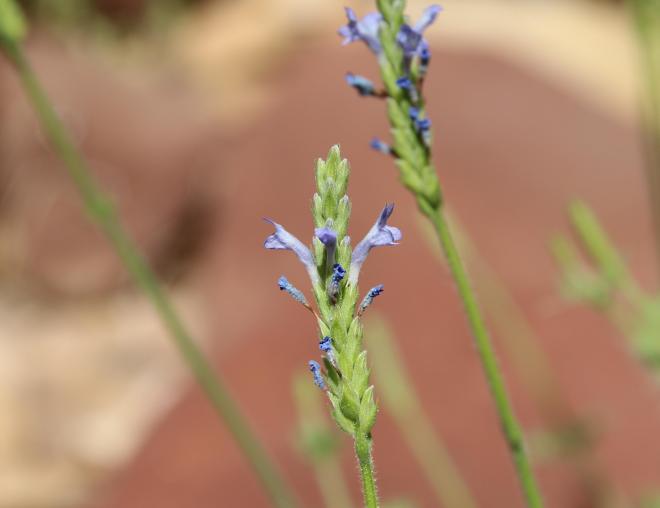
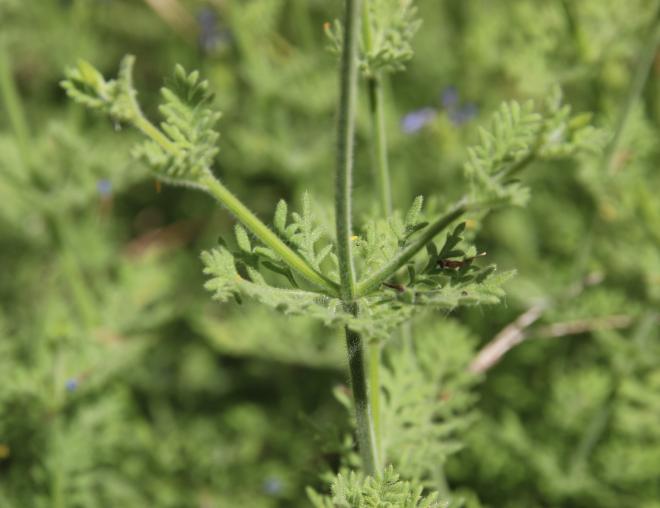
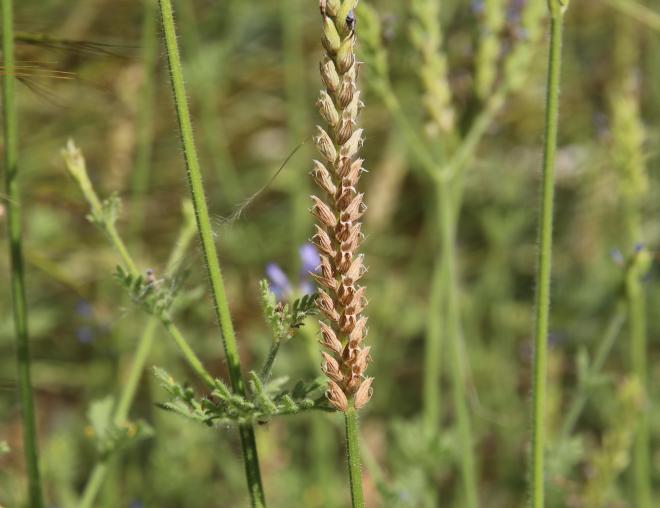
Perennial, much-branched, leafy shrub, woody at the base, densely spreading glandular-pubescent, 30–100 cm tall, with a pleasant or sometimes acrid aroma. Leaves are 1.5–4 cm long, petiolate, bipinnate, and deeply dissected into short, oblong-linear lobules. Flowers are arranged in dense, unbranched or paniculate, terminal spikes of two-flowered verticillasters. Bracts are ovate and acuminate, shorter than the calyx. Calyx is tubular, becoming ovoid in fruit, with triangular-dentate lobes. Corolla is deep blue, with the tube exserted up to two times the length of the calyx and bent outward above it. Flowers have two pairs of unequal-length stamens and style branches flat. Fruits are dark brown, oblong nutlets, about 1.7 mm long and 1 mm wide, with small (<1 mm) tubercles.
- Growth Form
-
Description
-
Habitat and Distribution
- Habitat
-
Geographical Distribution Range
This Saharo-Arabian and Sudanian species is distributed from Egyp to the Arabian Peninsula where it is native to Jordan, Saudi Arabia and Yemen.
-
Ecology
-
Phenology
JanFebMarAprMayJunJulAugSepOctNovDecFloweringFructification
- Origin
-
IUCN Red List Category
 Not Evaluated
-
Phenology
-
Uses and Values
-
Aromatic and Medicinal Use
Aromatic usages; Medicinal use
-
Description of Traditional Uses
Used traditionally for its scent and medicinal applications, similar to other Lavandula species, often employed in local remedies for digestive wellness.
-
Aromatic and Medicinal Use
Gallery