Capparis cartilaginea Decne.
لصف
Cartilaginous Caper
Capparaceae
1 / 5
-
Morphological Description
-
Description
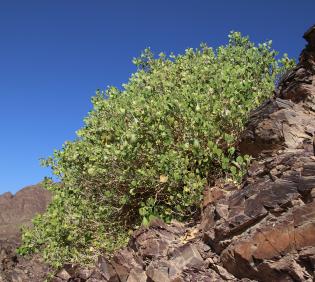
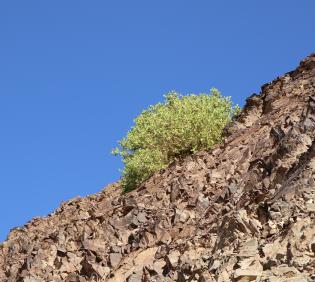
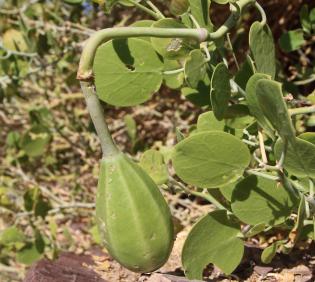
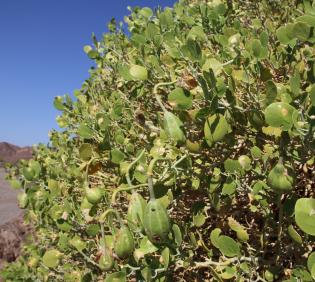
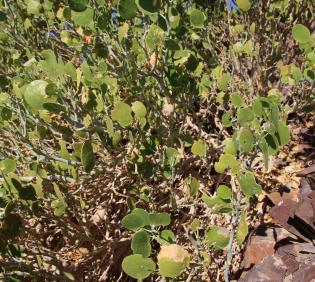
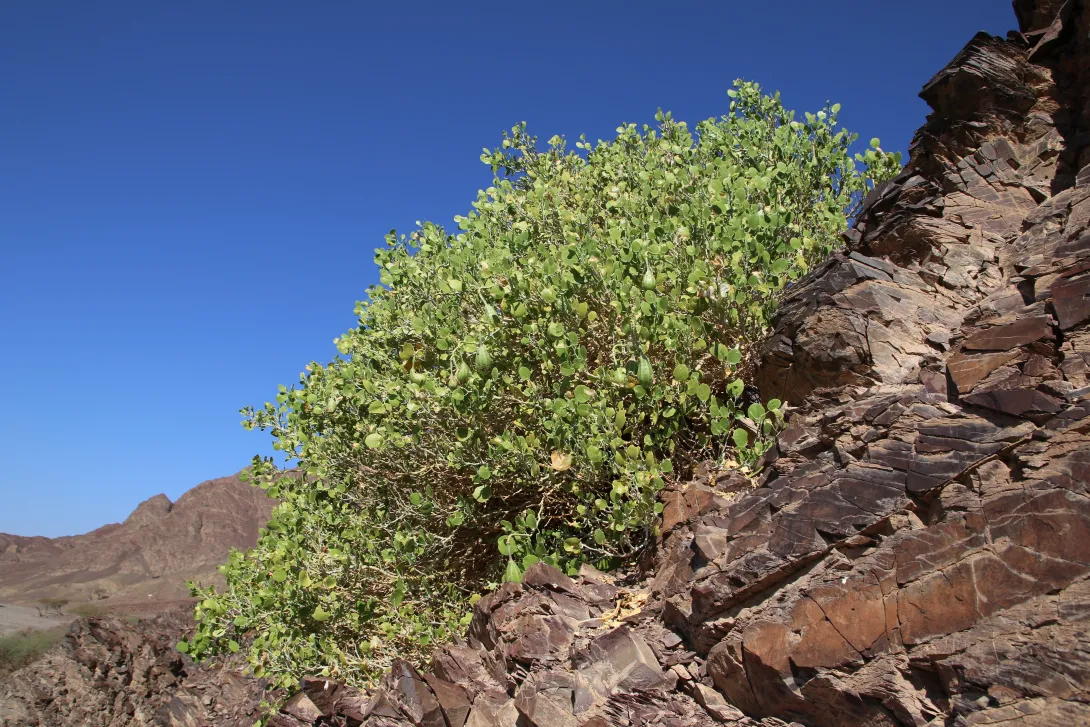
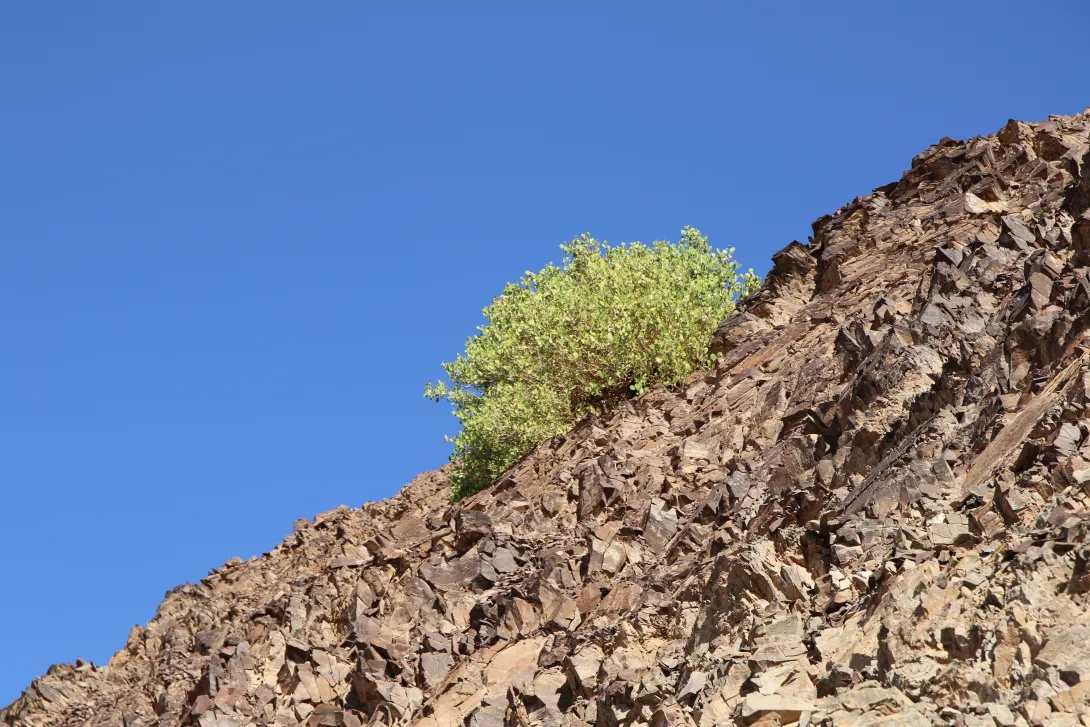
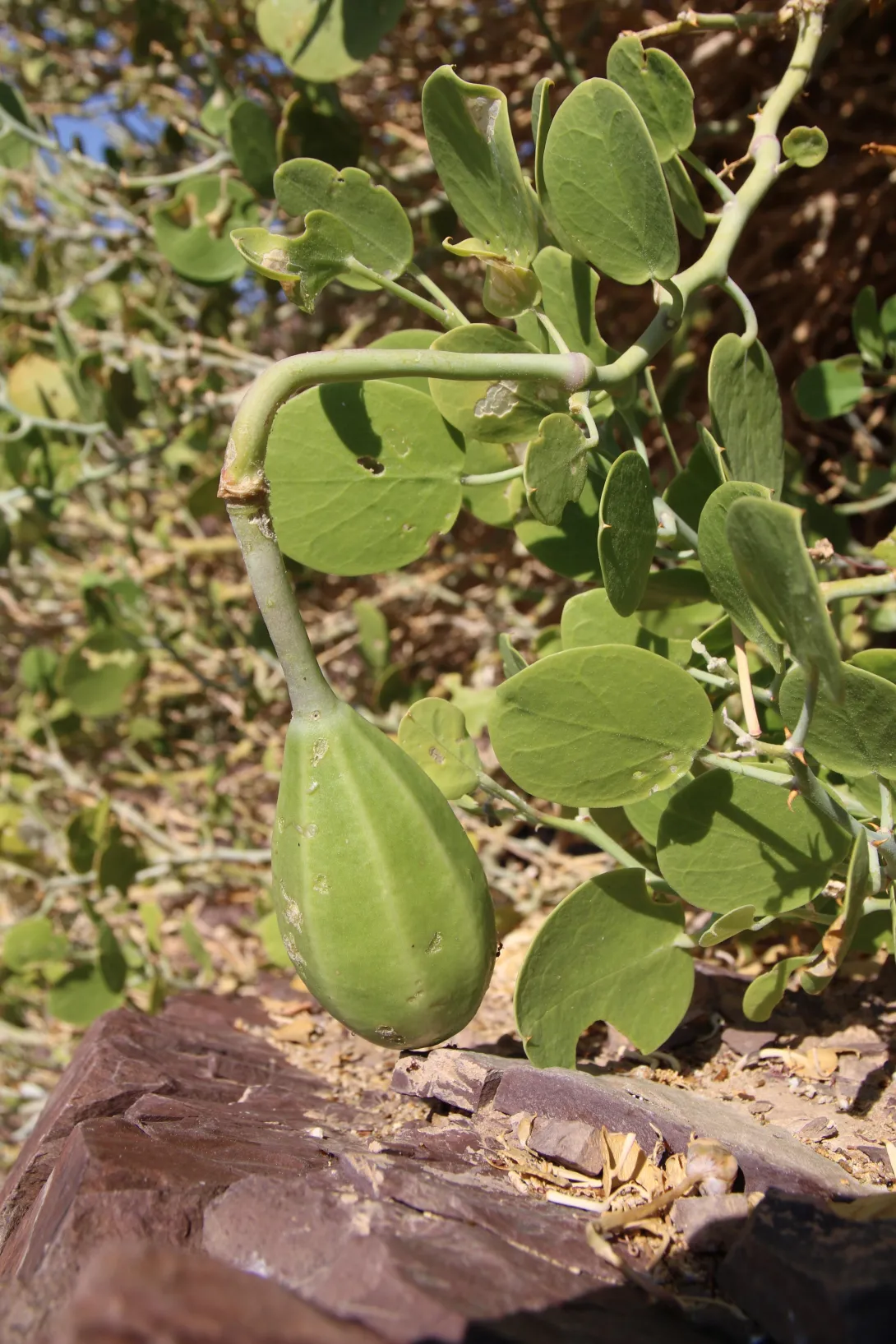
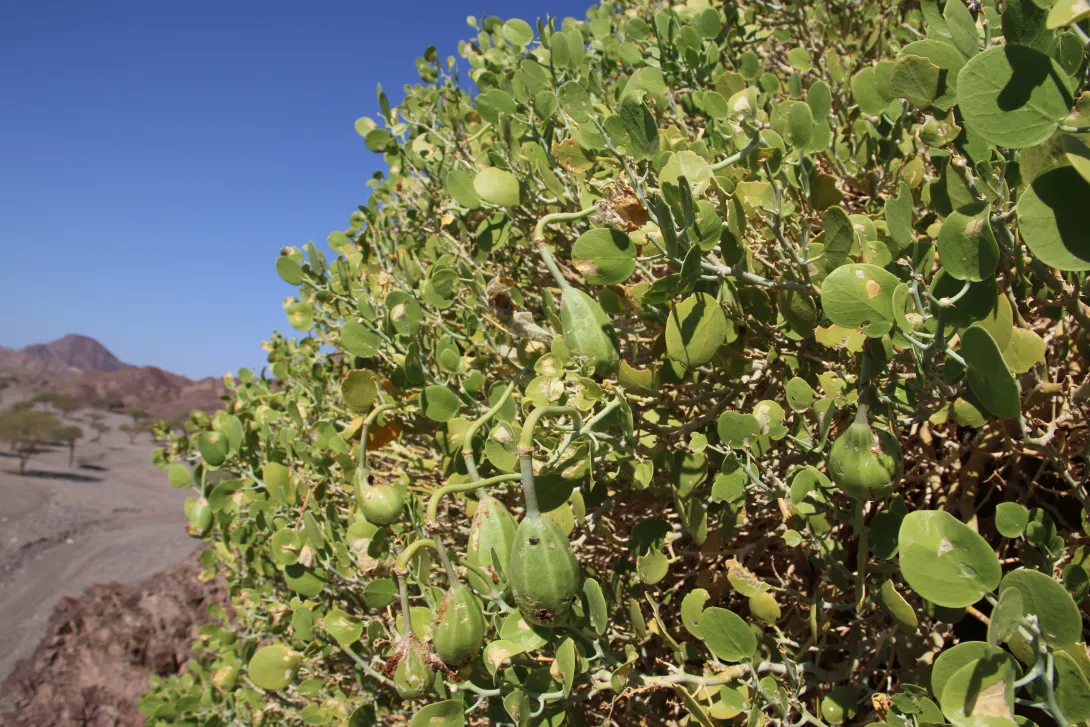
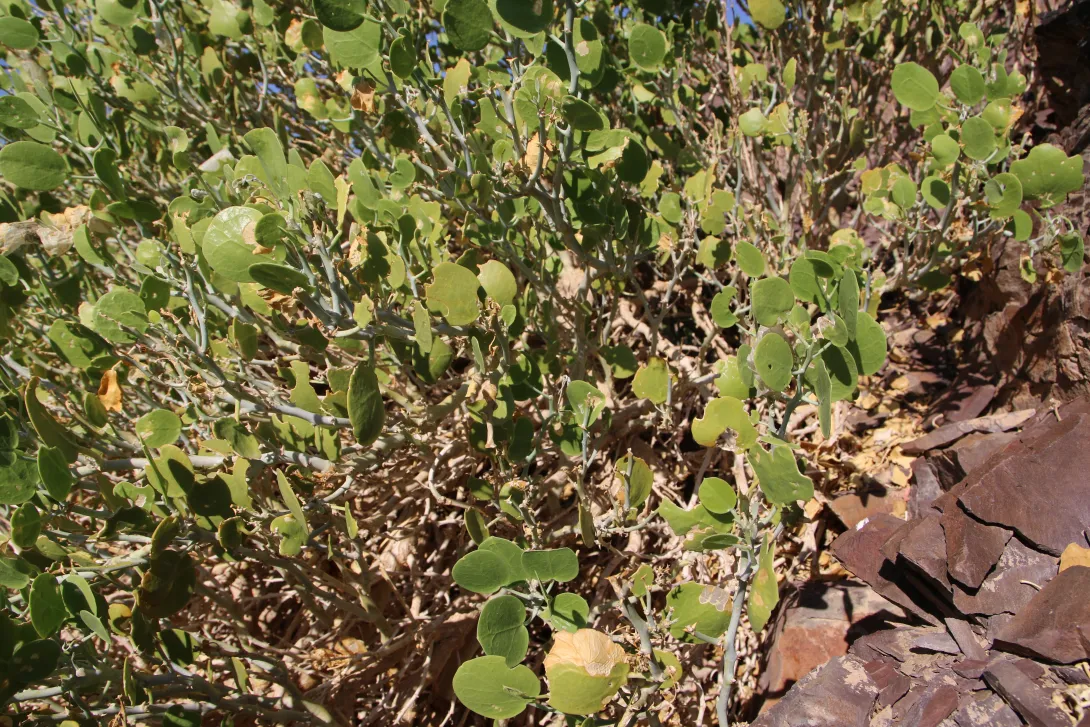
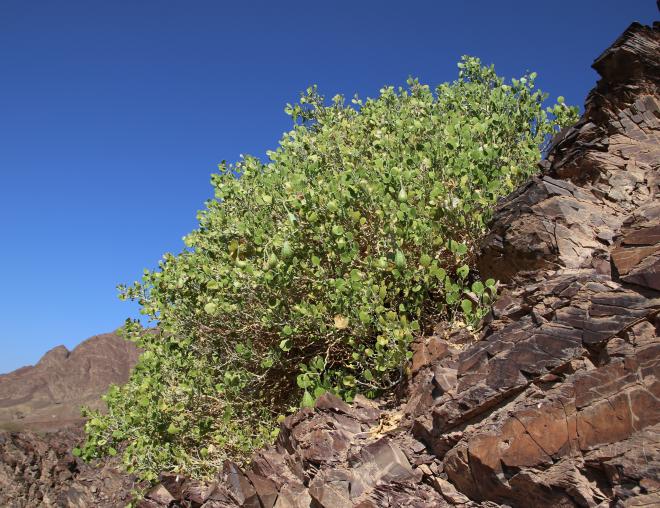
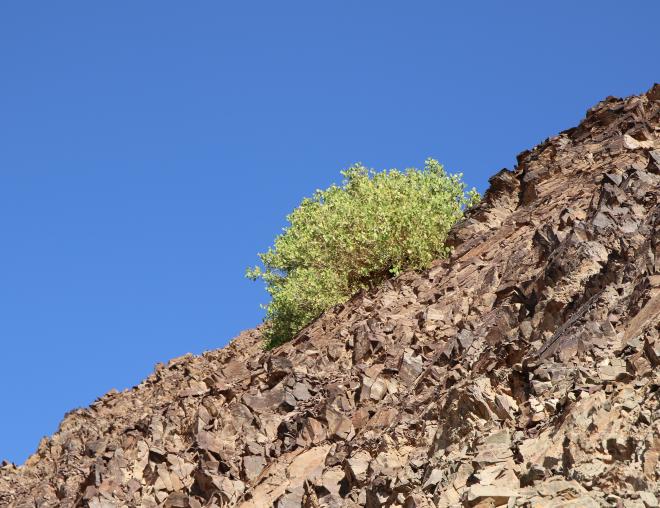
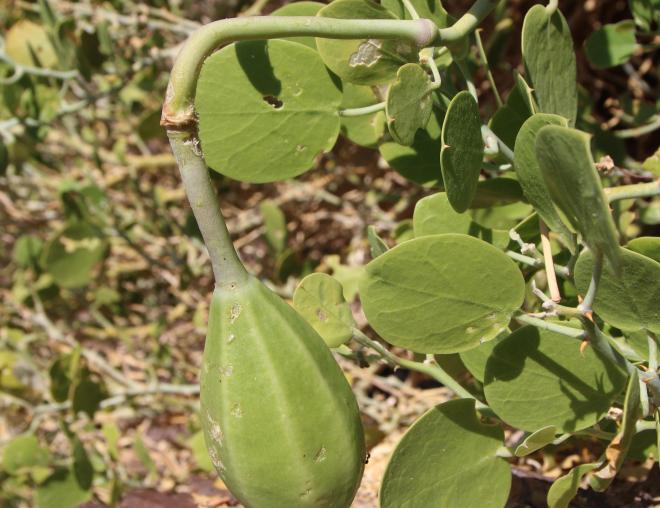
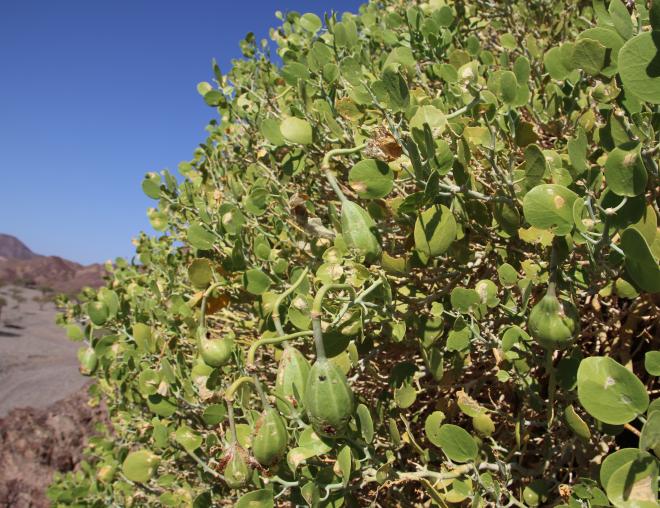
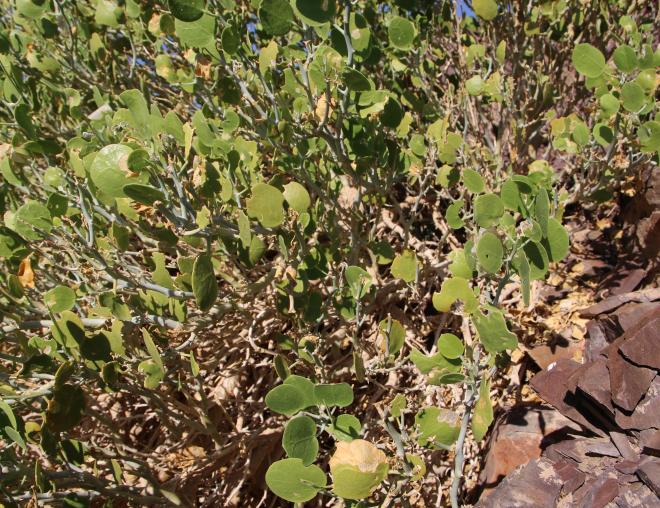
Pernnial evergreen thorny shrub measuring up to 2.5 meters, prostrate along the ground, scrambling over rocks or hanging cliffs. with a fresh green colour, in contrasat to the extreme desert colours. many glabrous stems branching from the base. Leaves are thick and fleshy with hooked thorny stupules at the base of each leaf stalk. Leaves are broad at the base and get narrower at the tip (like an egg). White flowers has numerous white anthers, growing only on first year branches. The flowers open bloom at night and are open until early morning and stay open only 24 hours. As the day begin, stamens and petals turn purple and begin to wilt. Fruits are pear-shaped, green turning red when ripe, contaaining hundred of small dark seeds
- Growth Form
-
Description
-
Habitat and Distribution
- Habitat
-
Geographical Distribution Range
This Sudanian species is widely distributed across Africa from Egypt to Tanzania and in the Middle East, extending eastward to India and Afghanistan. In the Arabian Peninsula, it is native to Jordan, Saudi Arabia, Kuwait, the Gulf States, Oman, Yemen, and Socotra.
-
Ecology
-
Phenology
JanFebMarAprMayJunJulAugSepOctNovDecFloweringFructification
- Origin
-
IUCN Red List Category
 Least Concern
-
Remarks
Typical galls with escape holes of the adult insect. Capparis spinosa and Capparis cartilaginea are closely related species and can be difficult to distinguish due to their shared morphological traits. However, some key features help differentiate them: C. spinosa typically has bluish- to grayish-green rounded leaves and flowers with pink to purplish petals, while C. cartilaginea displays thick, light green leaves and entirely white petals and anthers.
-
Phenology
-
Uses and Values
-
Aromatic and Medicinal Use
Medicinal use
-
Description of Traditional Uses
Traditionally used in the Middle East and Arabian Peninsula as a medicinal plant. The leaves and roots are often employed as an analgesic for conditions such as osteoarthritis and rheumatism, and to alleviate earaches, headaches, and bruising. In some regions, it is used as a tea or diuretic.
-
Aromatic and Medicinal Use
Gallery