Chenopodiastrum murale (L.) S.Fuentes, Uotila & Borsch
الخُبيّثة
Syn. Chenopodium murale L.
Nettle-leaved Goosefoot
Amaranthaceae
1 / 7

-
Morphological Description
-
Description
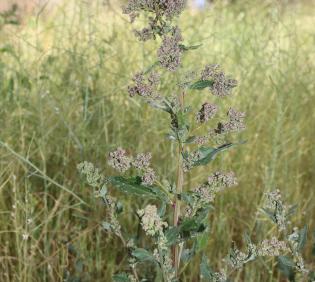
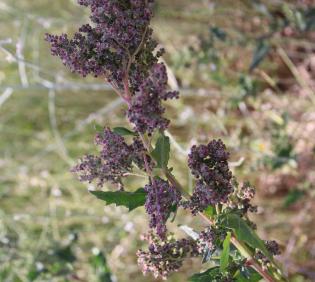
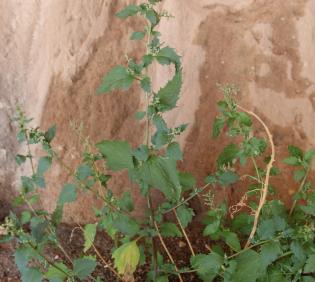
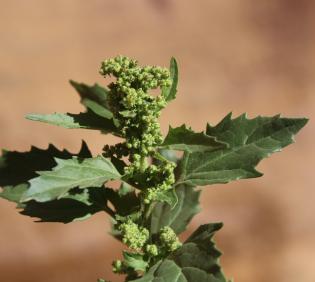
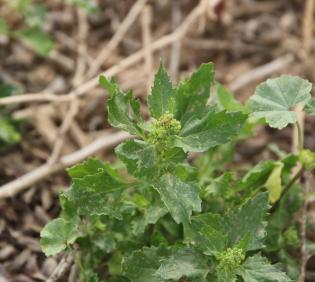
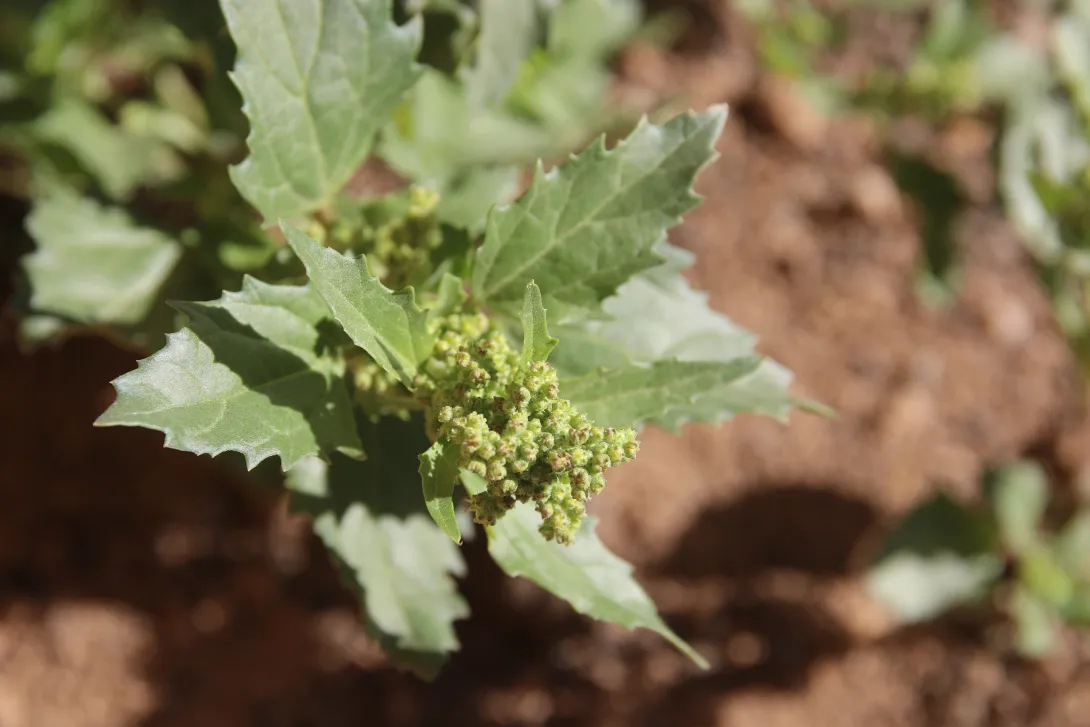
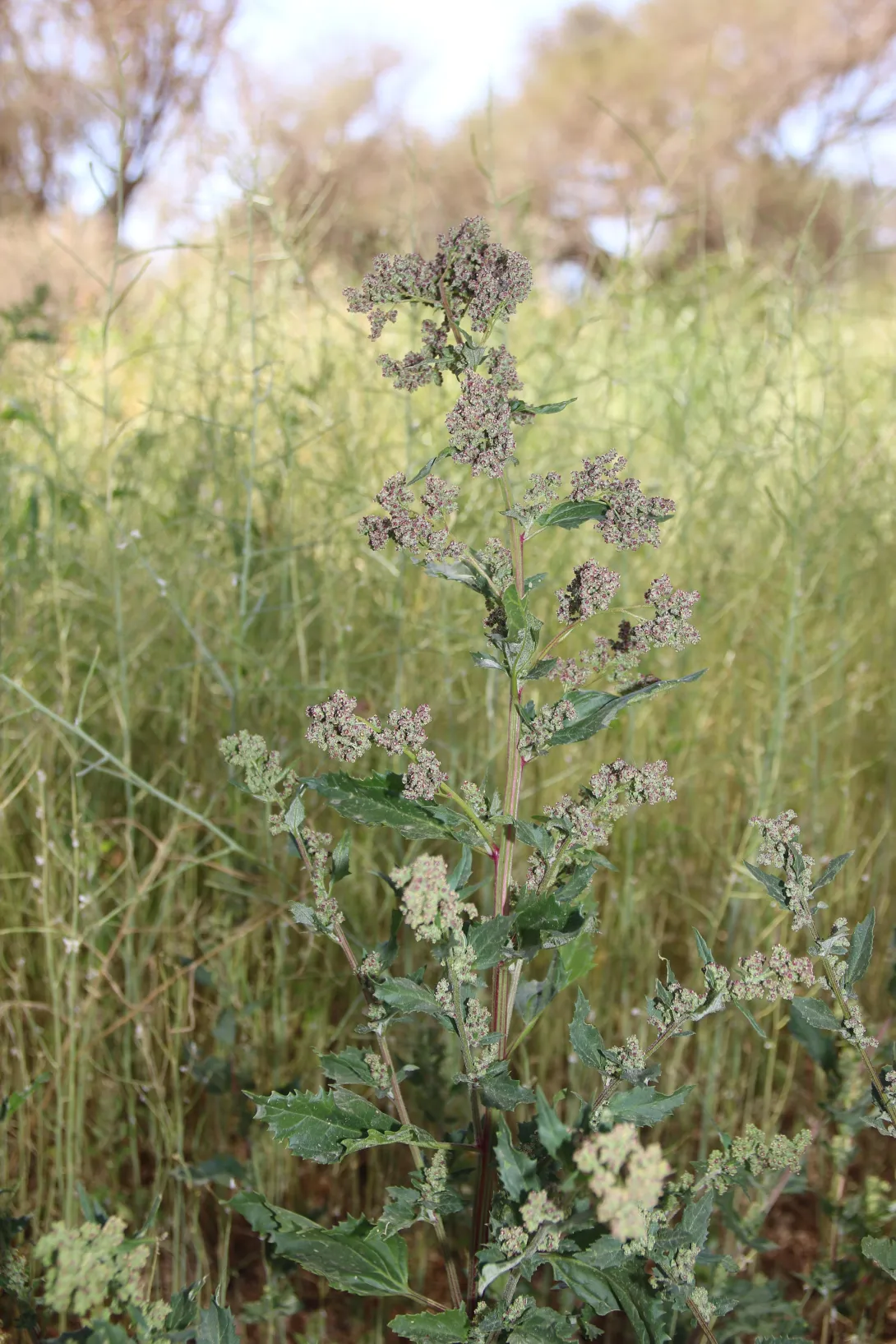
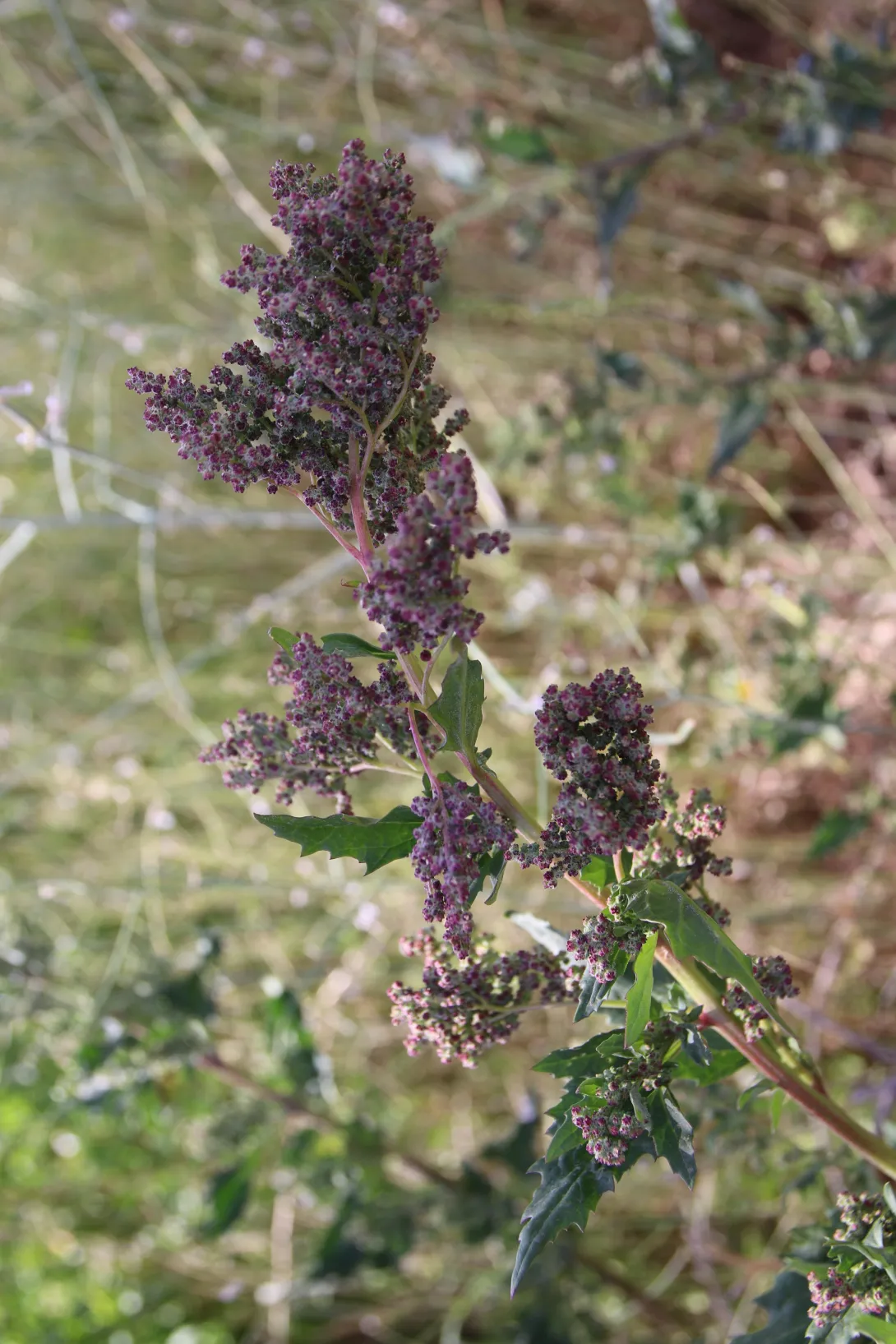
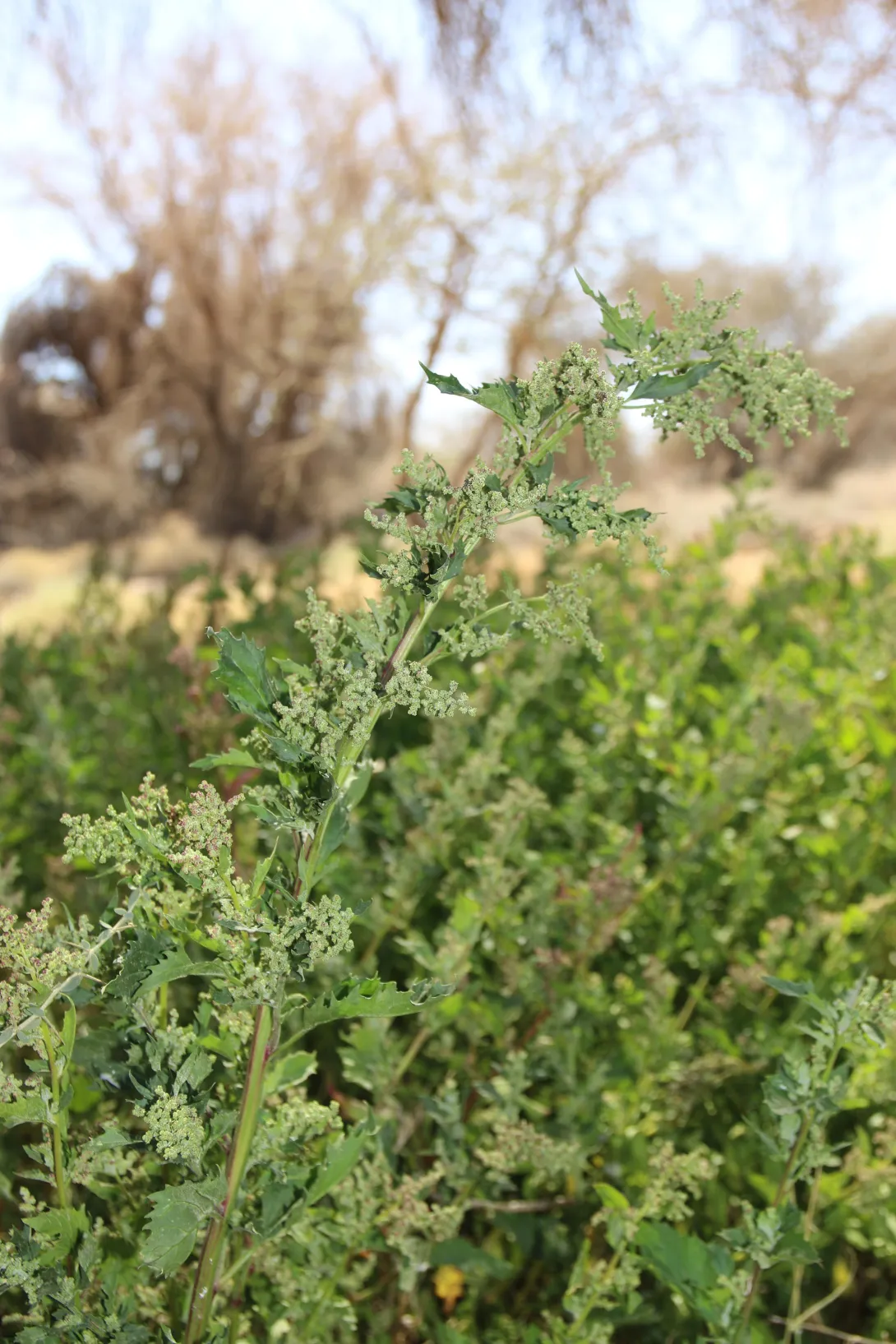
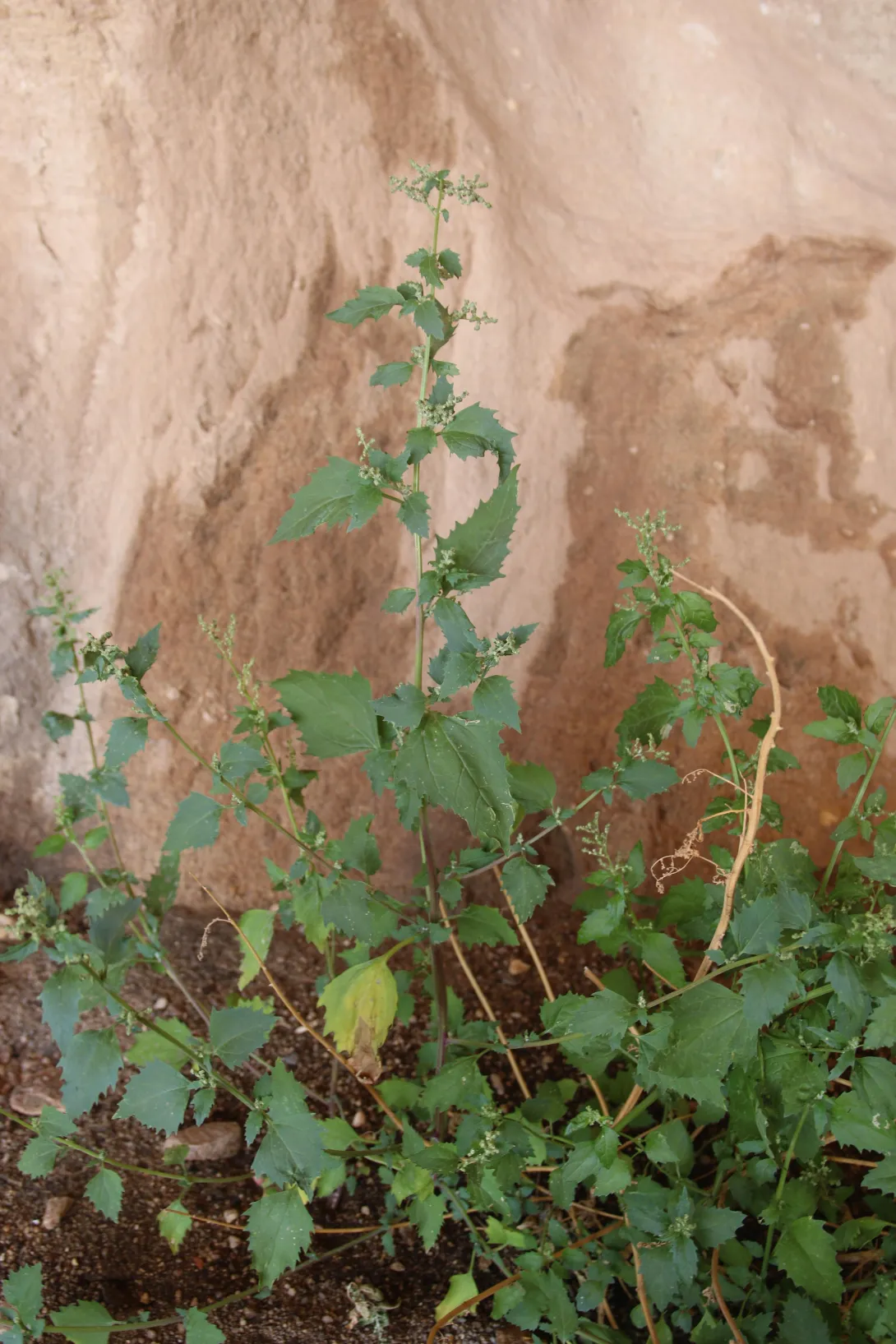
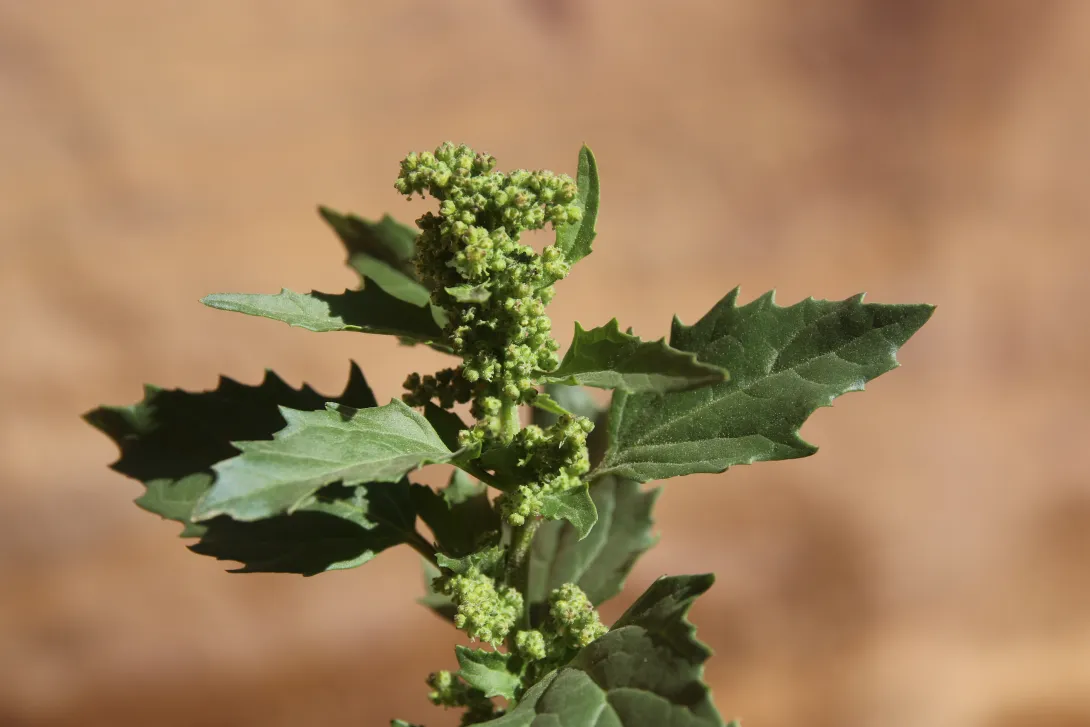
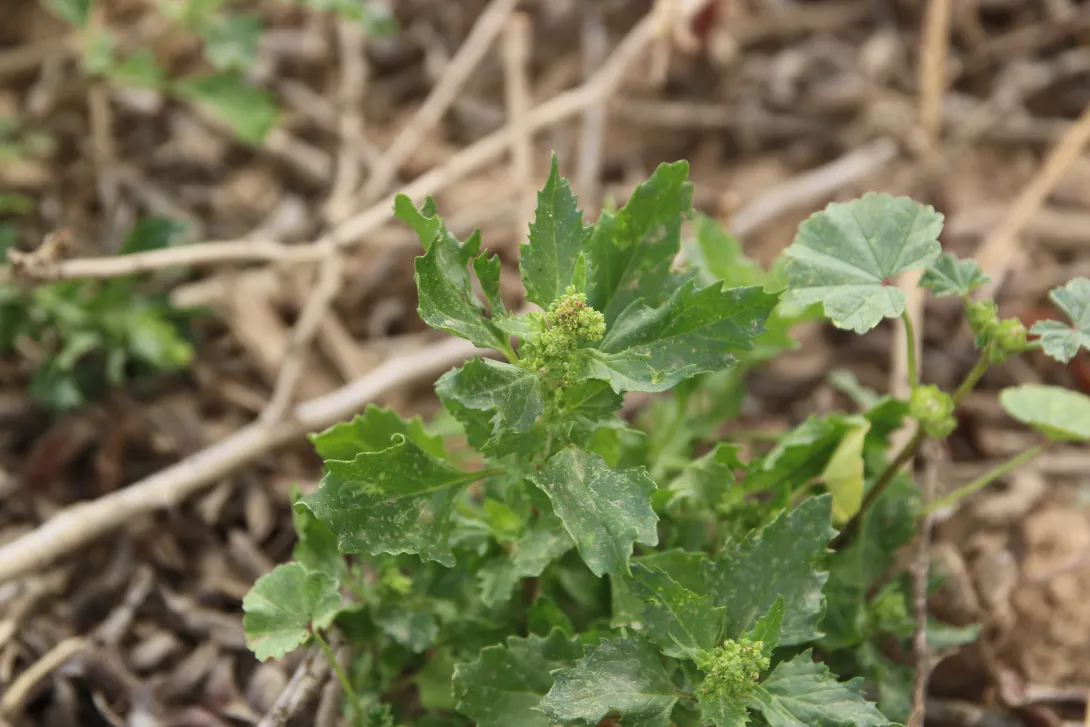
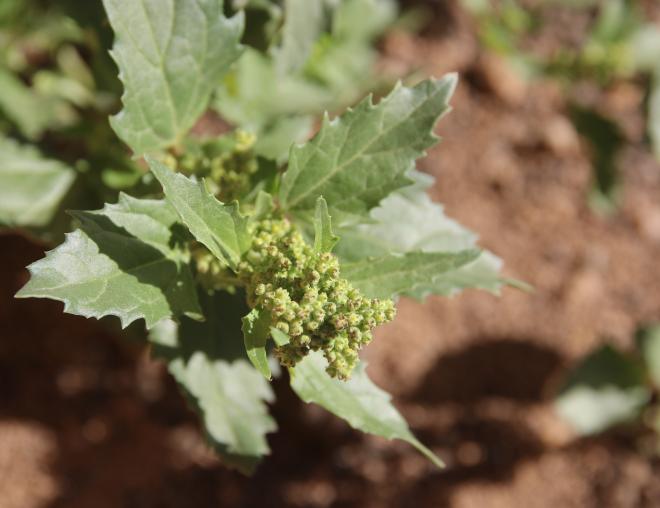
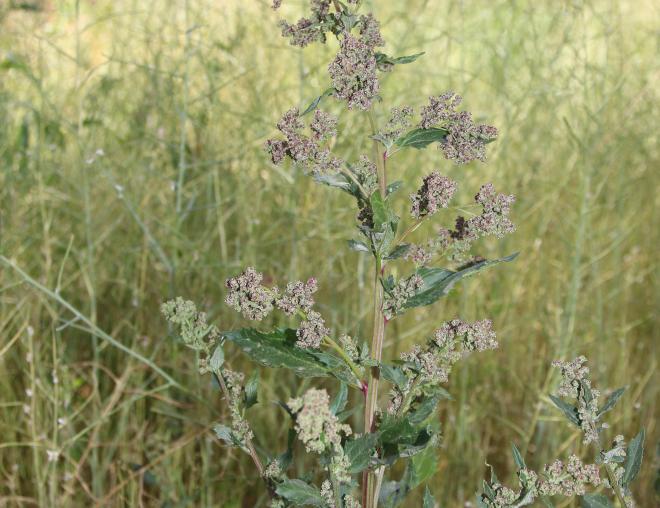
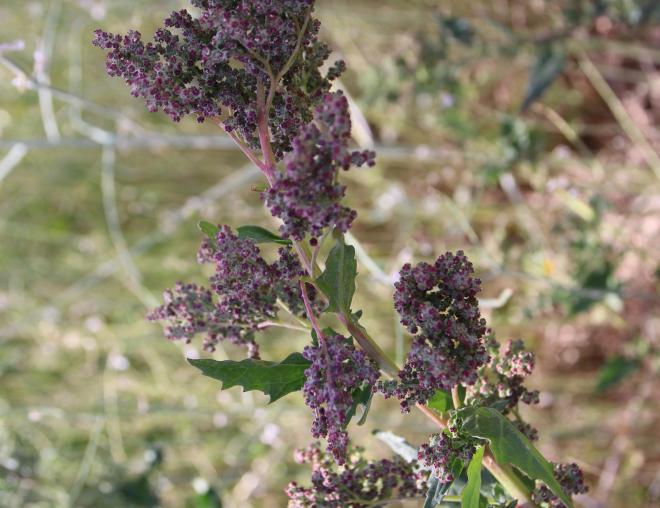
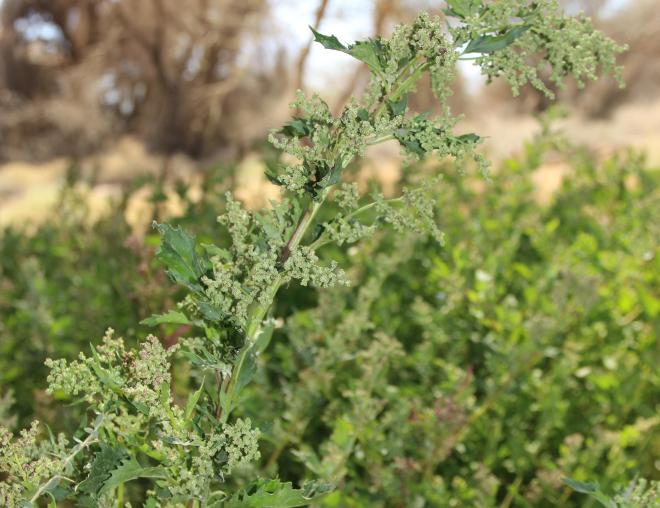
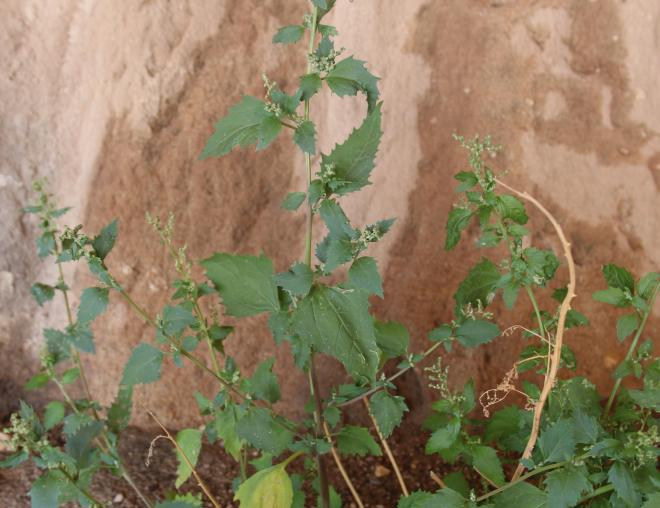
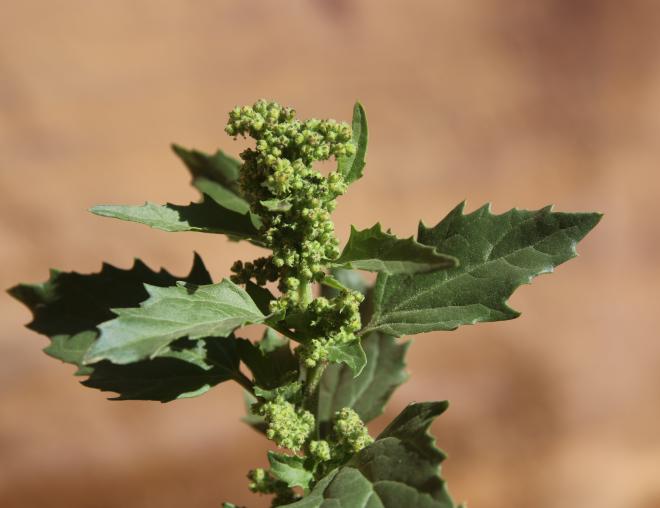
Annual, sometimes persitsting as a short-lived perennial herb, with mealy young parts. Striated stem, usually erect. Leaves more or less succulent, petiolate, deltoid or ovate-rhomboid, somtimes elliptic lanceolate, irregularly dentate, obtuse or acute. Perianth-segments 5, basally connate to 1/3 their length. Paniculate axillary and terminate cymes. Seeds black, dull and acutely keeled.
- Growth Form
-
Description
-
Habitat and Distribution
- Habitat
-
Geographical Distribution Range
This Plurireginalbor-trop species is distributed across Macaronesia, Europe, Medit. to NE. Tropical Africa and Indian subcontient From Morocco to India and Estonia to Somalia. Within the Arabian Peninsula, it is native to Jordan, Saudi Arabia, Kuwait, Gulf States, Oman, Yemen, and Socotra. This species is introduced in America and Australia.
-
Ecology
-
Phenology
JanFebMarAprMayJunJulAugSepOctNovDecFloweringFructification
- Origin
-
IUCN Red List Category
 Not Evaluated
-
Phenology
-
Uses and Values
-
Aromatic and Medicinal Use
Medicinal use
-
Other Usages
Palatable; Edible for birds
-
Description of Traditional Uses
Historically used as a potherb in some regions. It has been mentioned in traditional folk medicine for various skin conditions and as an emollient.
-
Aromatic and Medicinal Use
Gallery