Capparis spinosa L.
قبار / الشَّفَلَح
Syn. Capparis vulgaris Gruvez
Spiny Caper
Capparaceae
1 / 7

-
Morphological Description
-
Description
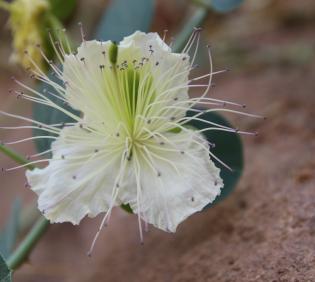
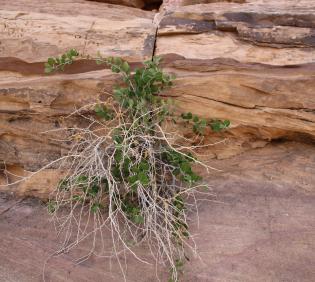
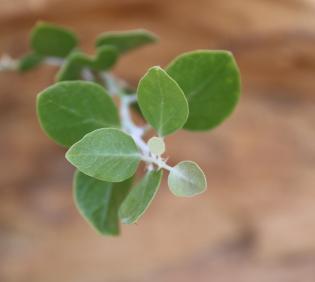
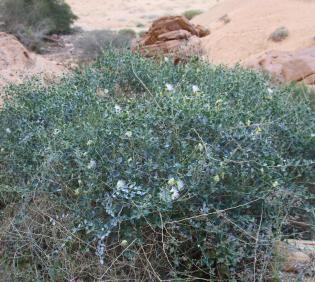
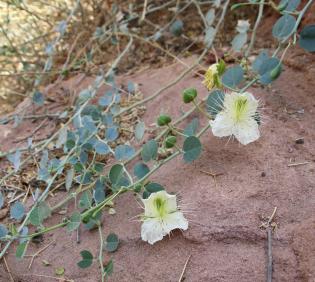
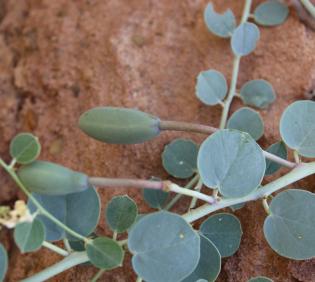
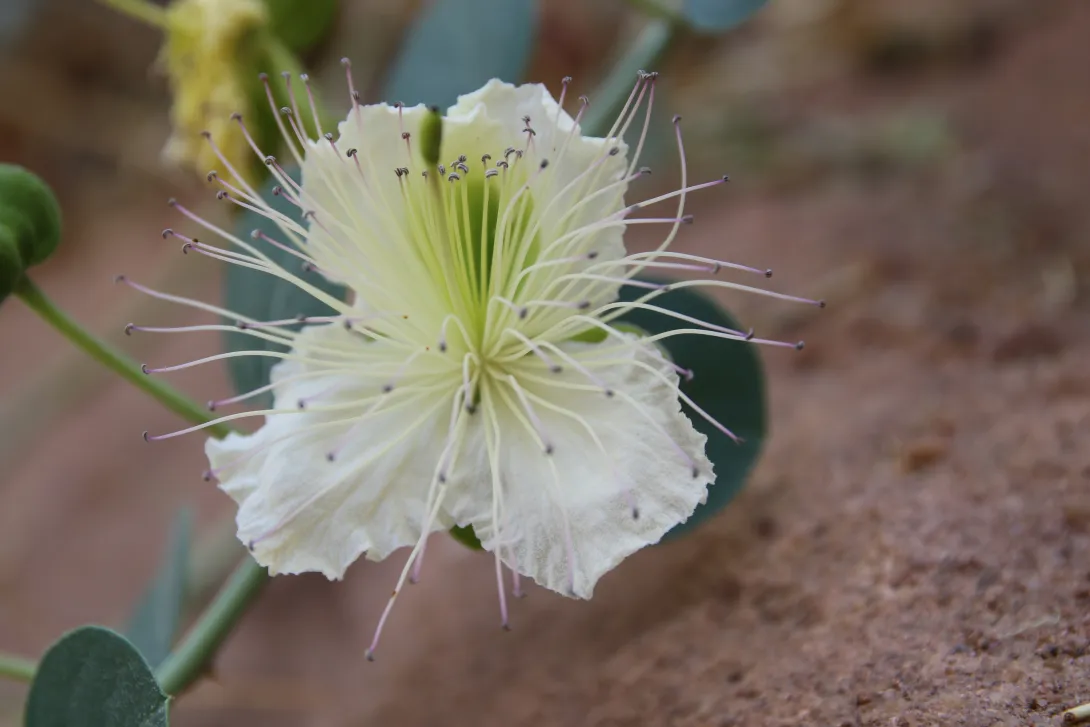
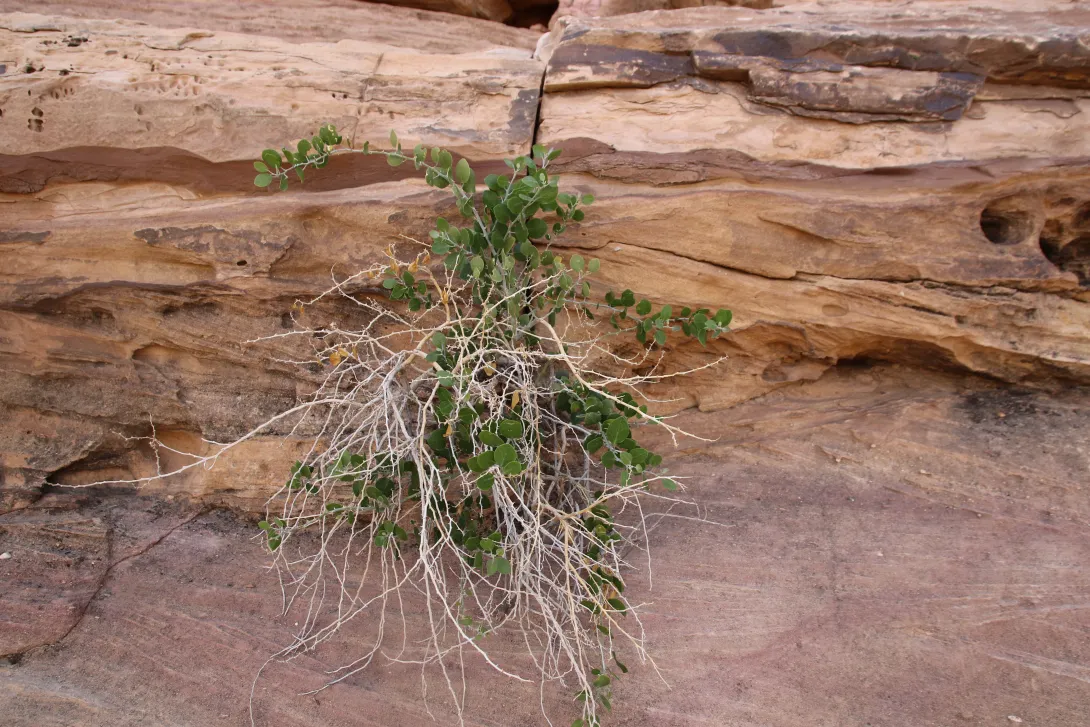
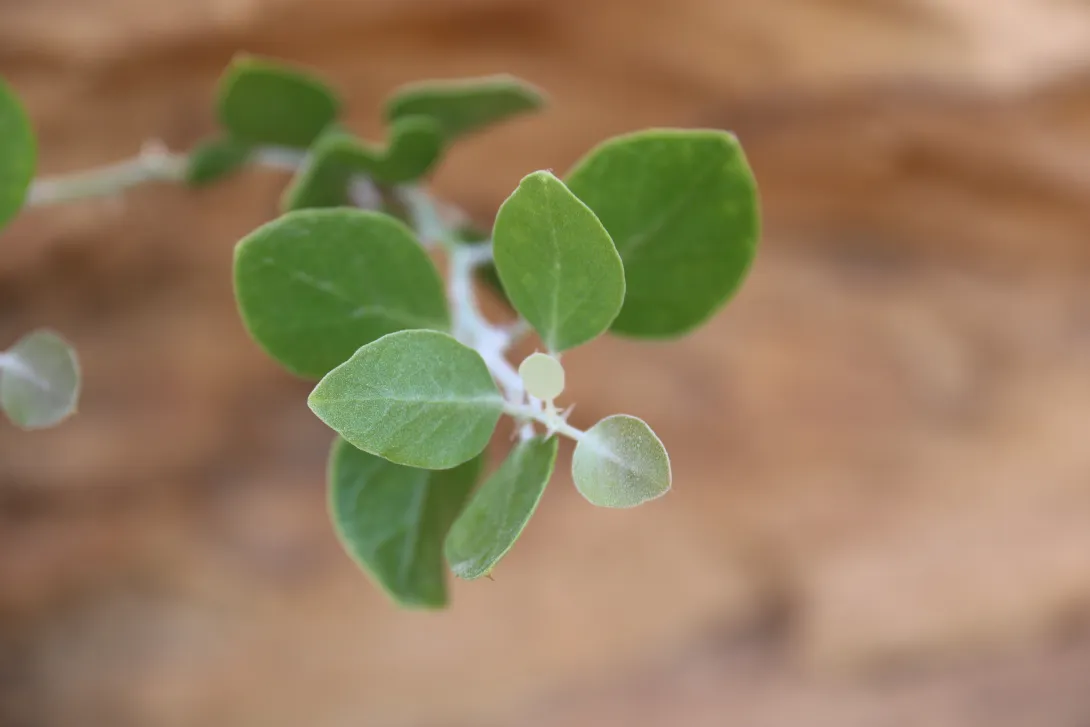
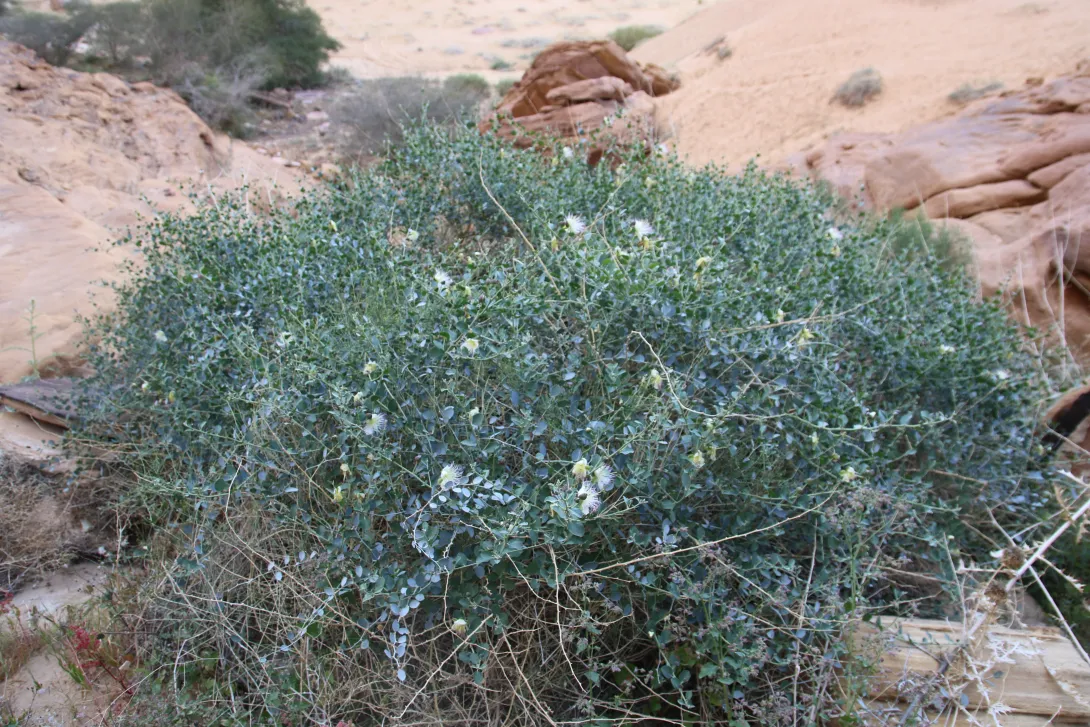
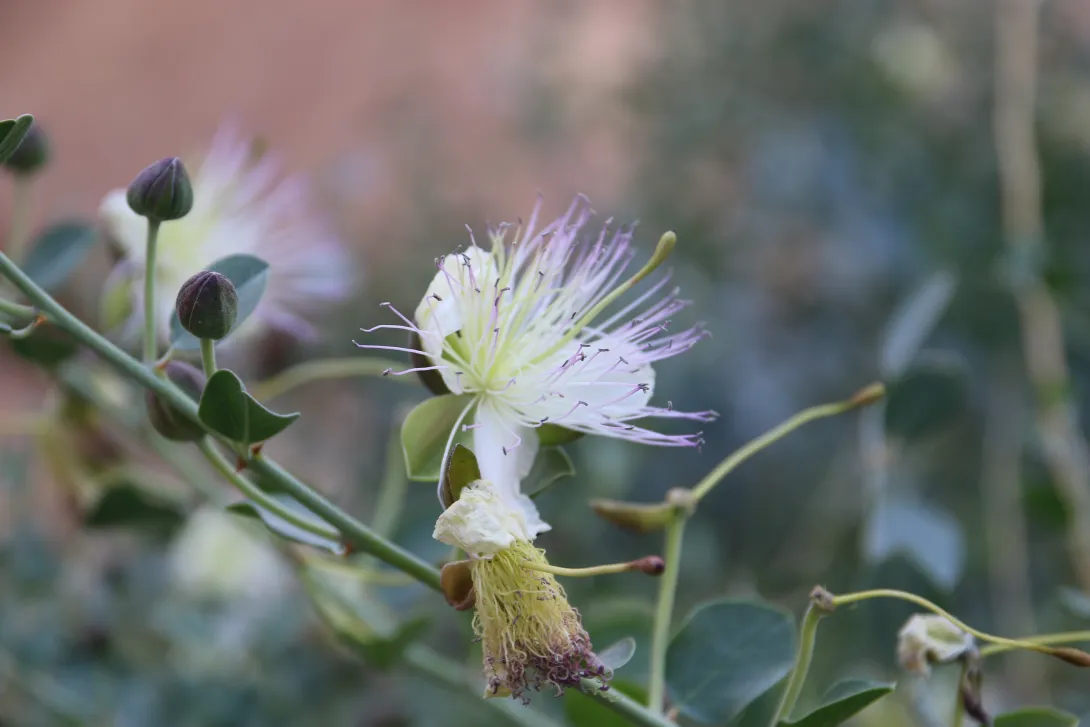
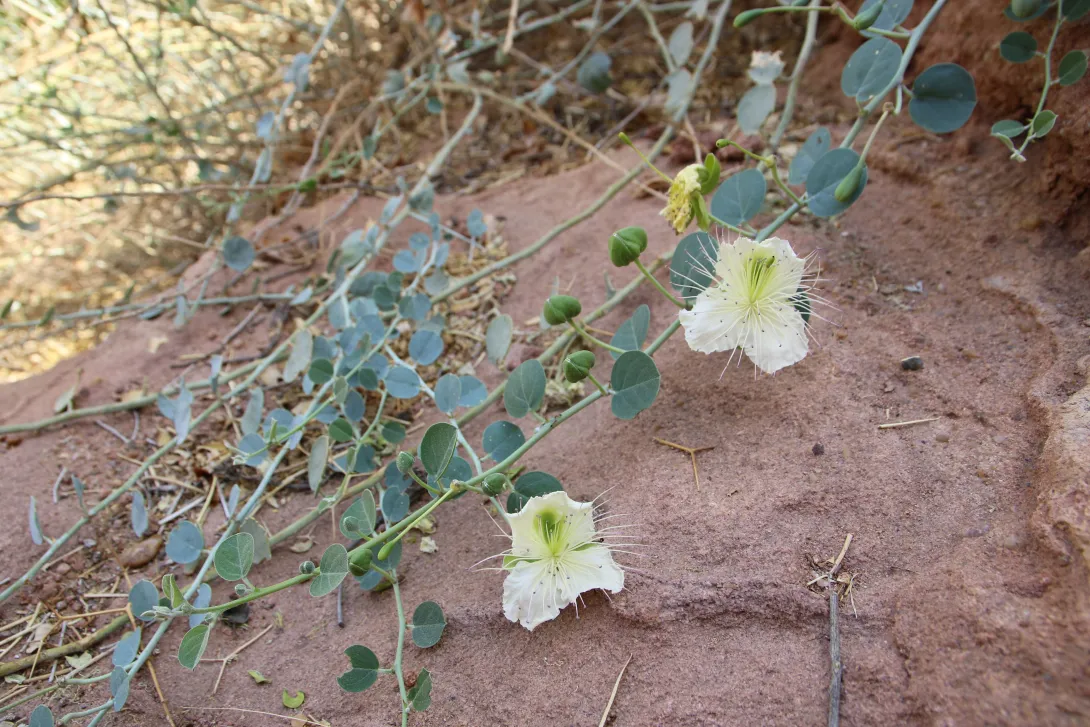
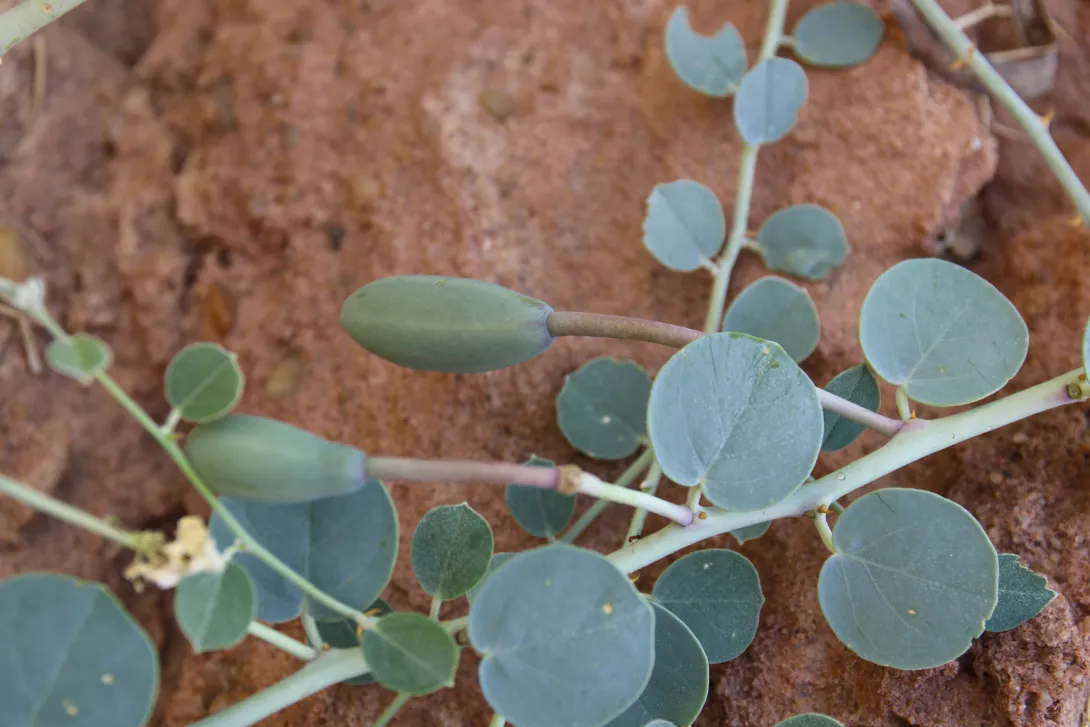
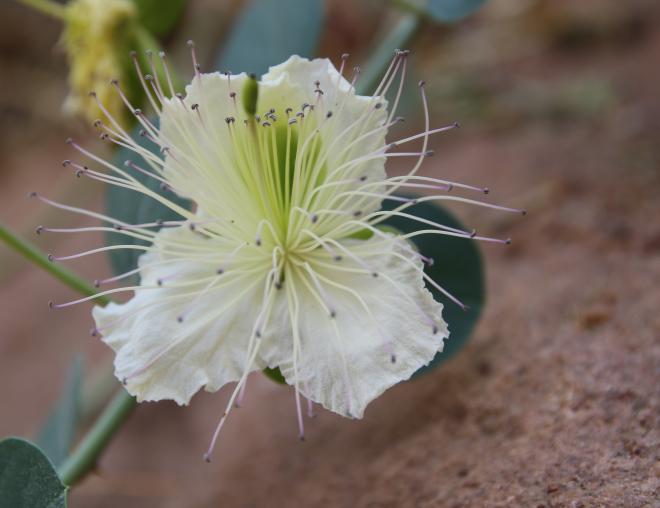
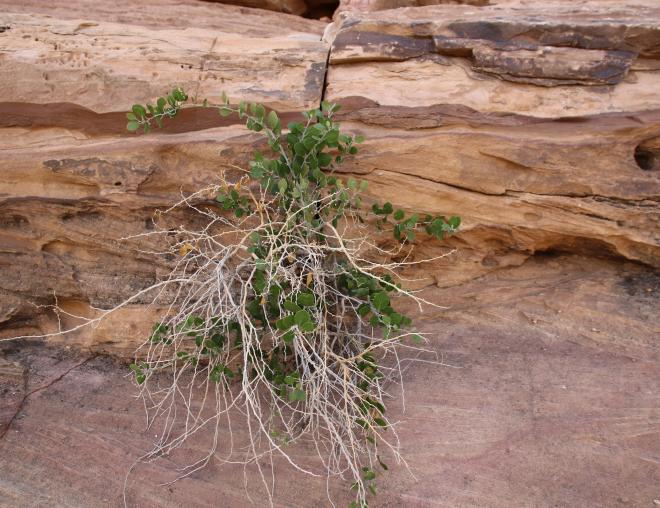
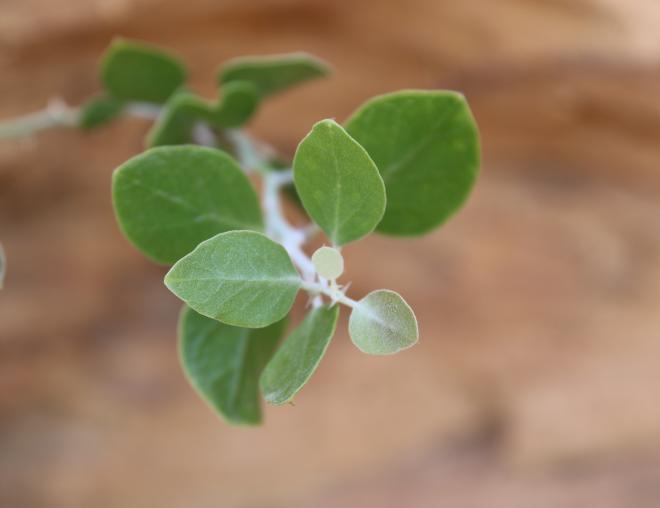
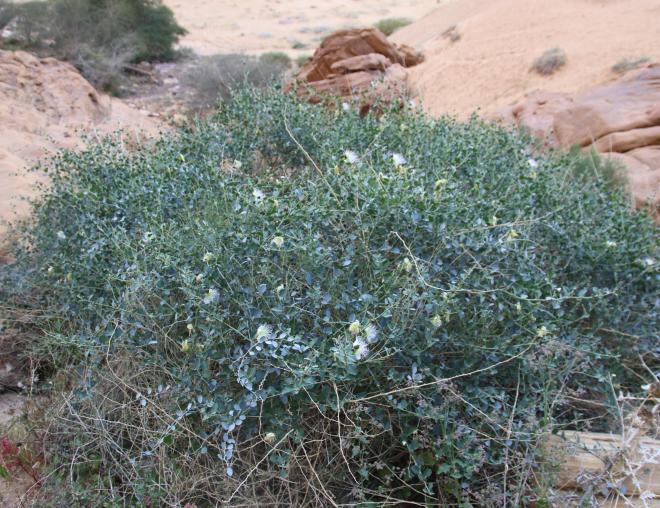
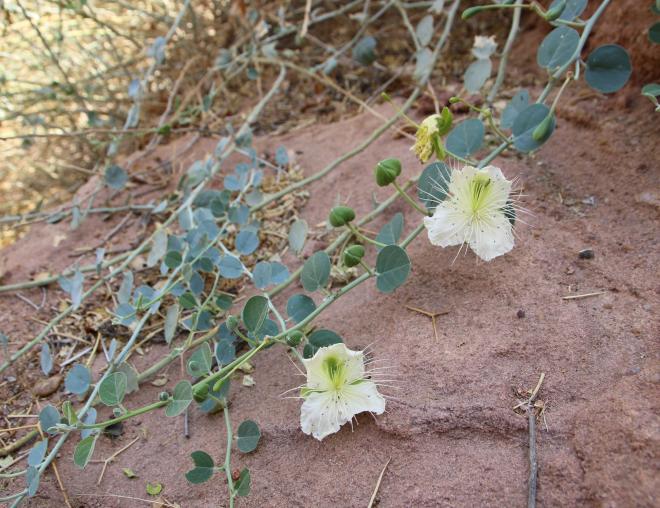
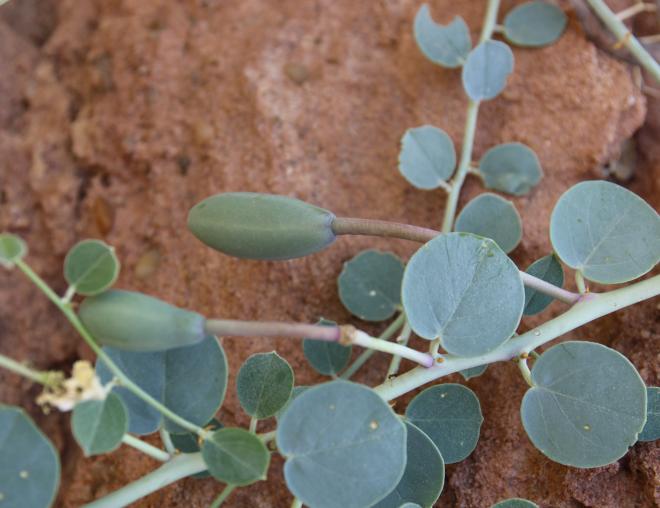
Perennial spiny shrub, prostrate to sprawling, up to 1 m long, often forming mats. Stems woody at base, with stipular spines (hooked). Leaves alternate, simple, orbicular to ovate, bluish- or grayish-green, leathery, 2–4 cm, petiolate. Flowers solitary, large, showy, 5–7 cm across, with 4 white to pinkish petals and numerous long purple stamens. Fruit an ovoid to ellipsoid berry, green turning reddish, fleshy, containing many seeds.
- Growth Form
-
Description
-
Habitat and Distribution
- Habitat
-
Geographical Distribution Range
The Mediterranean-Saharo-Arabian-Irano-Turanian species is native of Mediteranean basin to Mongolia and from Indian Subcontinent to Philippines and South-West Pacific. For Arabian Peninsula, it is native to Jordan, Saudi Arabia, Gulf States, Oman and Yemen.
-
Ecology
-
Phenology
JanFebMarAprMayJunJulAugSepOctNovDecFloweringFructification
- Origin
-
IUCN Red List Category
 Least Concern
-
Remarks
Capparis spinosa and Capparis cartilaginea are closely related species and can be difficult to distinguish due to their shared morphological traits. However, some key features help differentiate them: C. spinosa typically has bluish- to grayish-green rounded leaves and flowers with pink to purplish petals, while C. cartilaginea displays thick, light green leaves and entirely white petals and anthers. This species is including 11 varieties among them, 5 are native from Saudi Arabia : Capparis spinosa subsp. aegyptia (Lam.) Kit Tan & Runemark Capparis spinosa var. canescens Coss. Capparis spinosa var. mucronifolia (Boiss.) Hedge & Lamond ex R.R.Stewart Capparis spinosa subsp. parviflora (Boiss.) Ahmadi, H.Saeidi & Mirtadz. Capparis spinosa subsp. spinosa which is probably the variety we found in AlUla County.
-
Phenology
-
Uses and Values
-
Aromatic and Medicinal Use
Aromatic usages; Medicinal use
-
Other Usages
Palatable; Melliferous
-
Description of Traditional Uses
A highly valued species in traditional medicine, where its flower buds and fruits are widely used. It is consumed as a food source (pickled capers) and used traditionally to treat gastrointestinal ailments, as a diuretic, and for "blood purification." It is also utilized for soil stabilization in arid regions.
-
Aromatic and Medicinal Use
Gallery