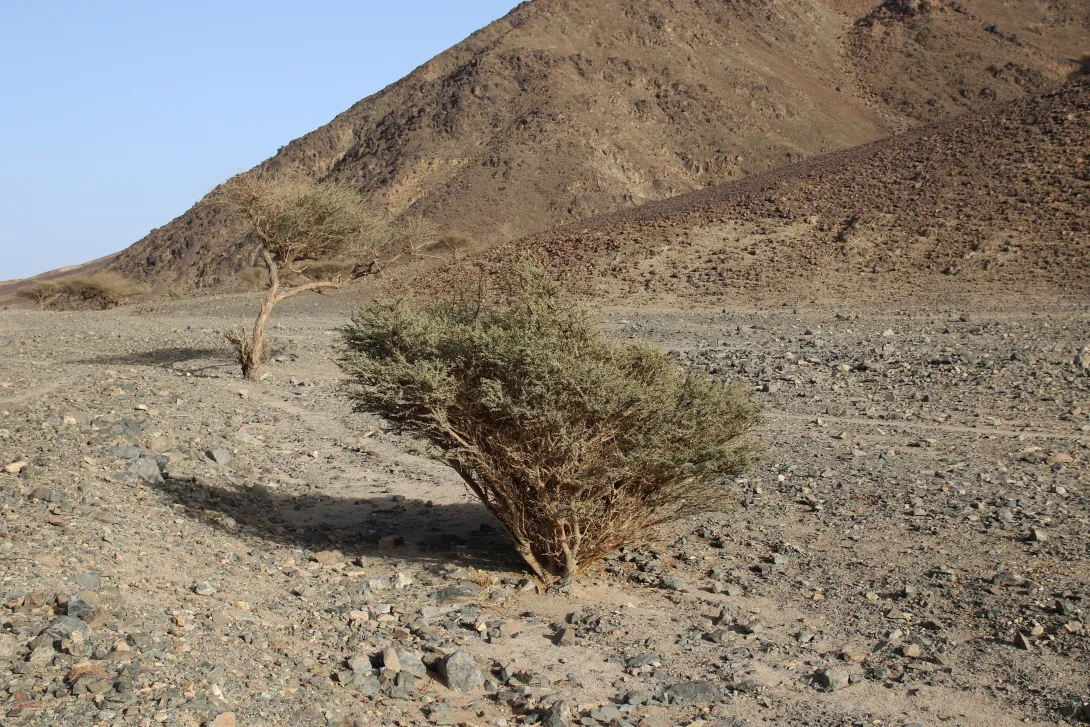
Vachellia tortilis subsp. tortilis
سمر
Syn. Acacia tortilis (Forssk.) Hayne (1827)
Umbrella Thorn Acacia
Fabaceae
1 / 7
-
Morphological Description
-
Description
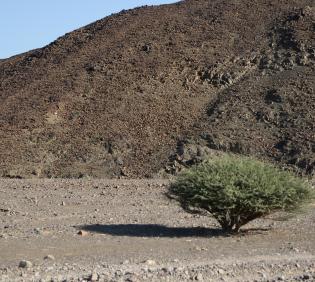
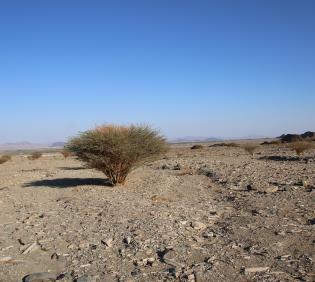
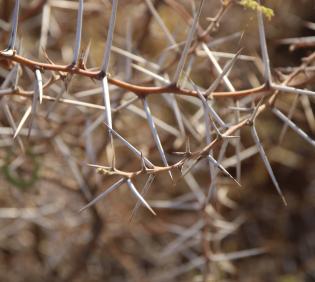
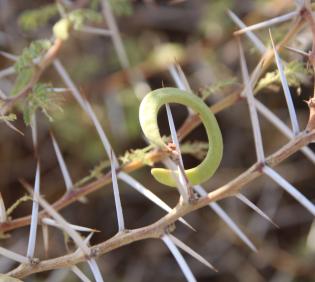
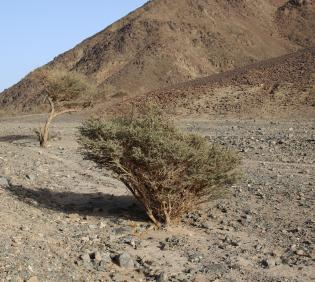
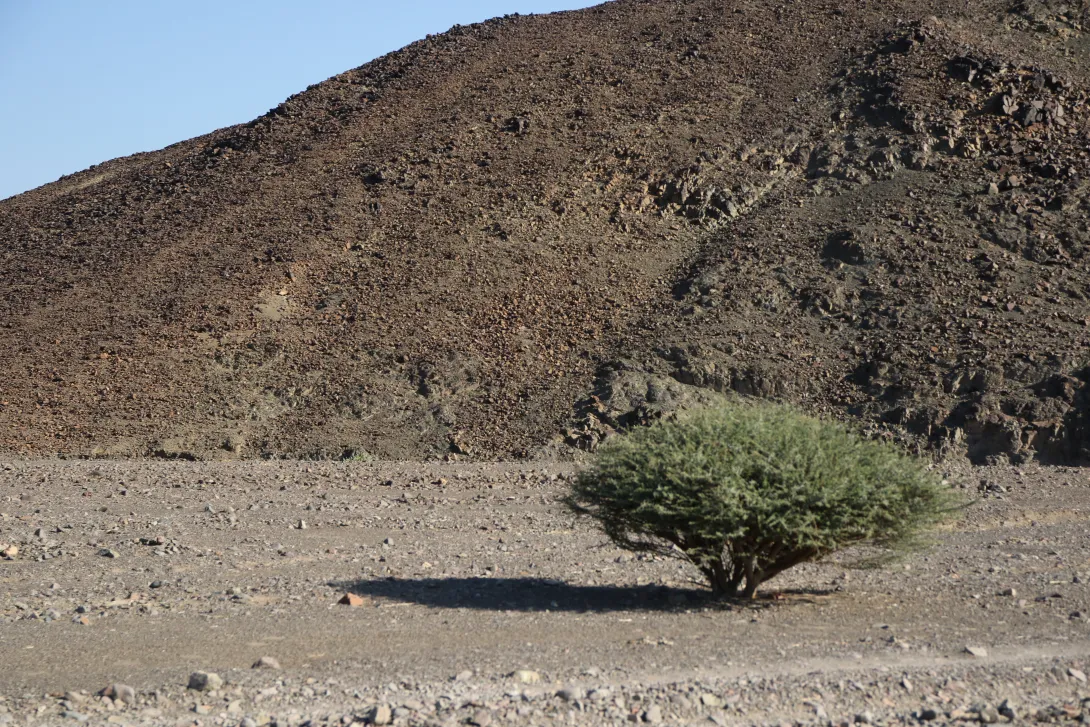
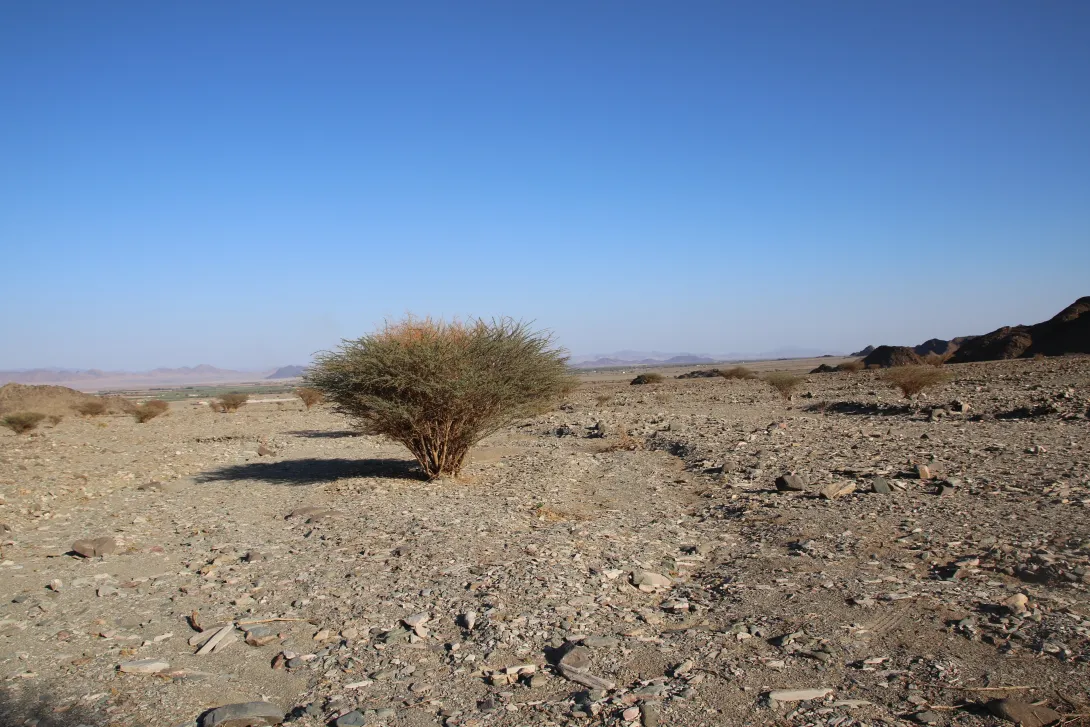
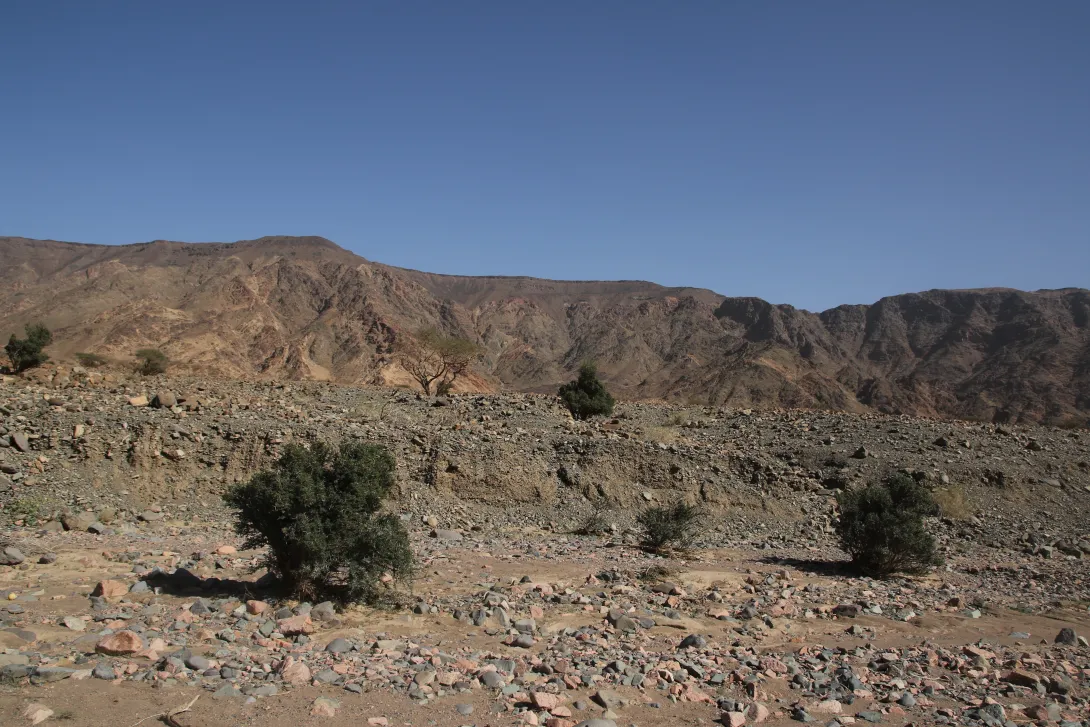
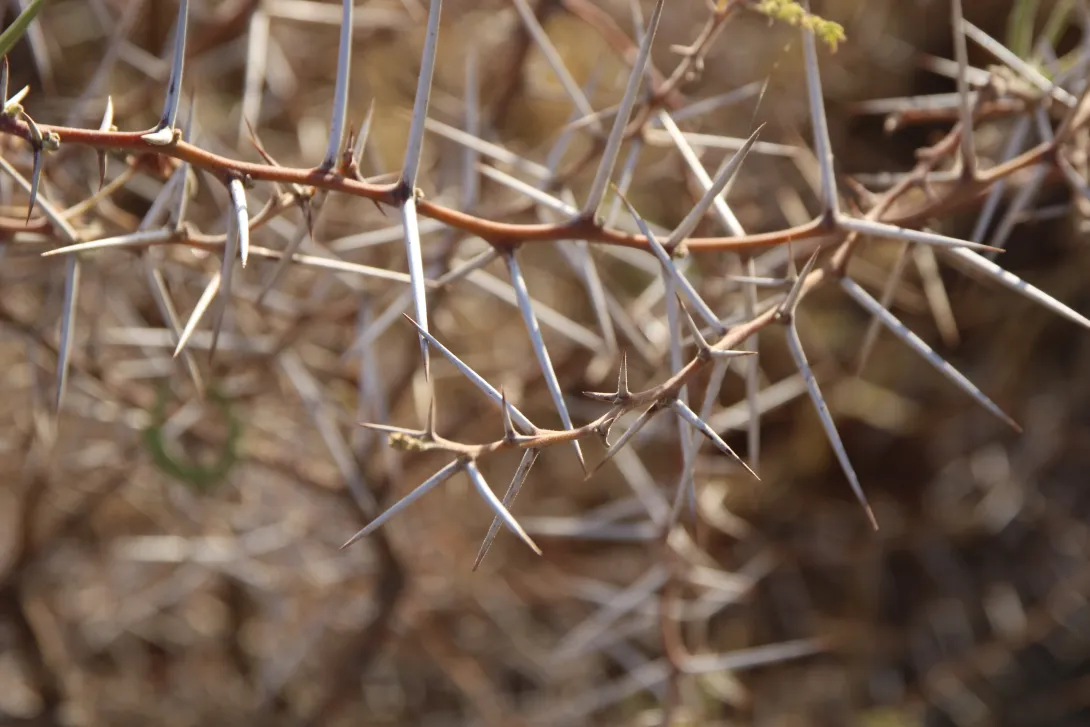
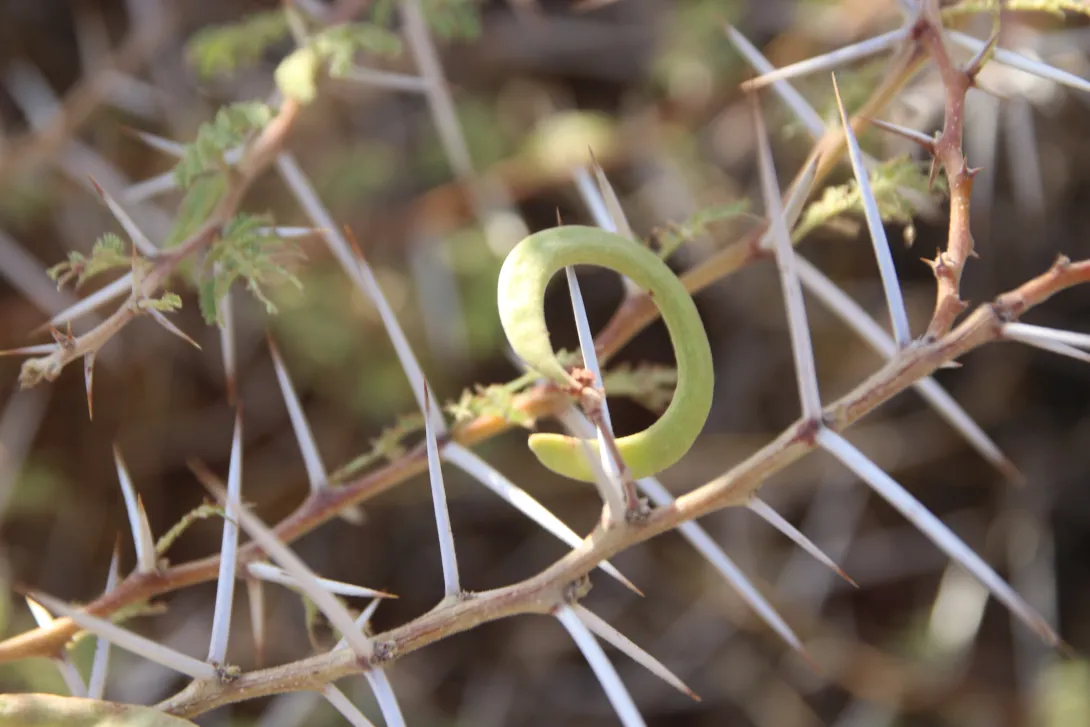
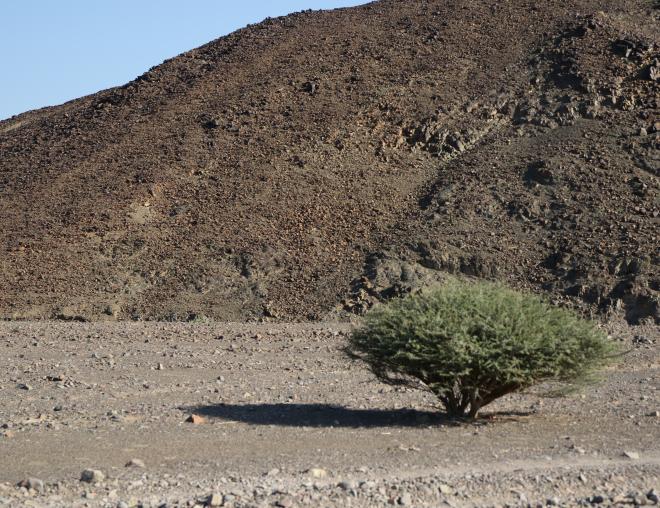
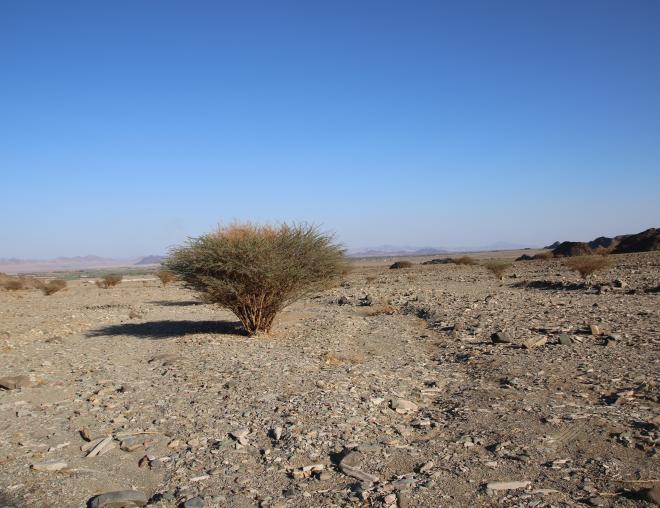
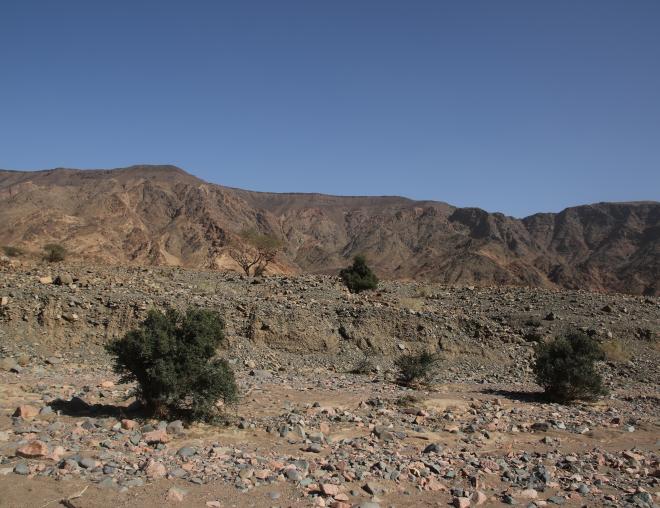
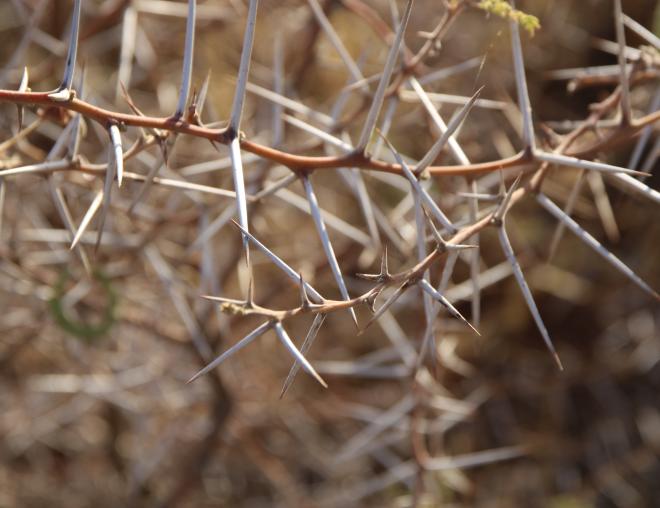
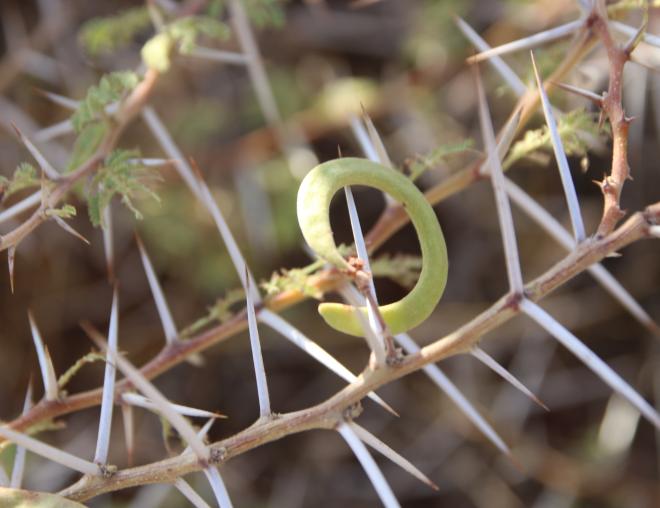
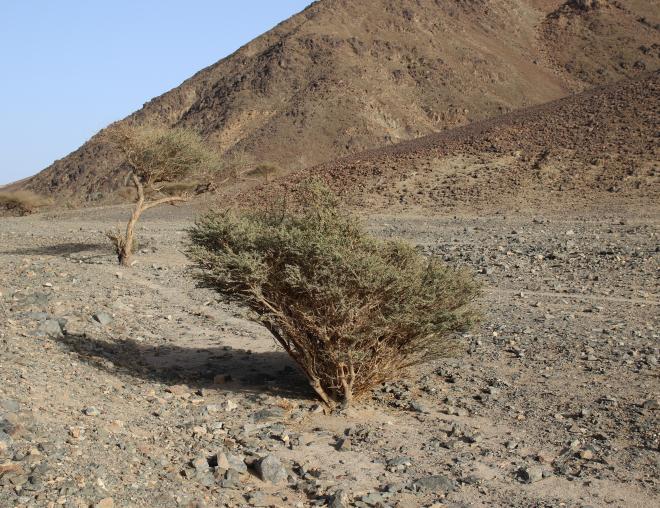
Tall shrubs sometimes seen as up to 6 m high, with a flat-top canopy. Branches yellowish-brown. Stipular spines of two kinds; the long ones up to 6 cm, white, brown-tiped, the short usually 1 cm or less, more or less falcate or hooked downwards, reddish dark-brown or the lower parts white. Leaves borne in axillary clusters, densely pubescent; pinna-pairs usually 2-6, each pinna with usually 6-12 pairs of leaflets : rachii sparingly or densely pubescent, each with usually 2 sessile glands and ending in a short appendage beyond the last pinna-pairs, leaflets minute, rarely exceeding 3 mm in length. Flowers in white to creamy-white globular heads about 8 mm across; peduncles about 1.5 cm long : involucel almost at the base of the peduncle. Calyx about 1.5 mm. Corolla about 2.5 mm long, 5-lobed, glabrous. Pods most often spirally contorted or twisted, green, reddish-tinged, densely pubescent, up to 15 cm long, usually 5 mm or less wide, often constricted between seeds.
- Growth Form
-
Description
-
Habitat and Distribution
- Habitat
-
Geographical Distribution Range
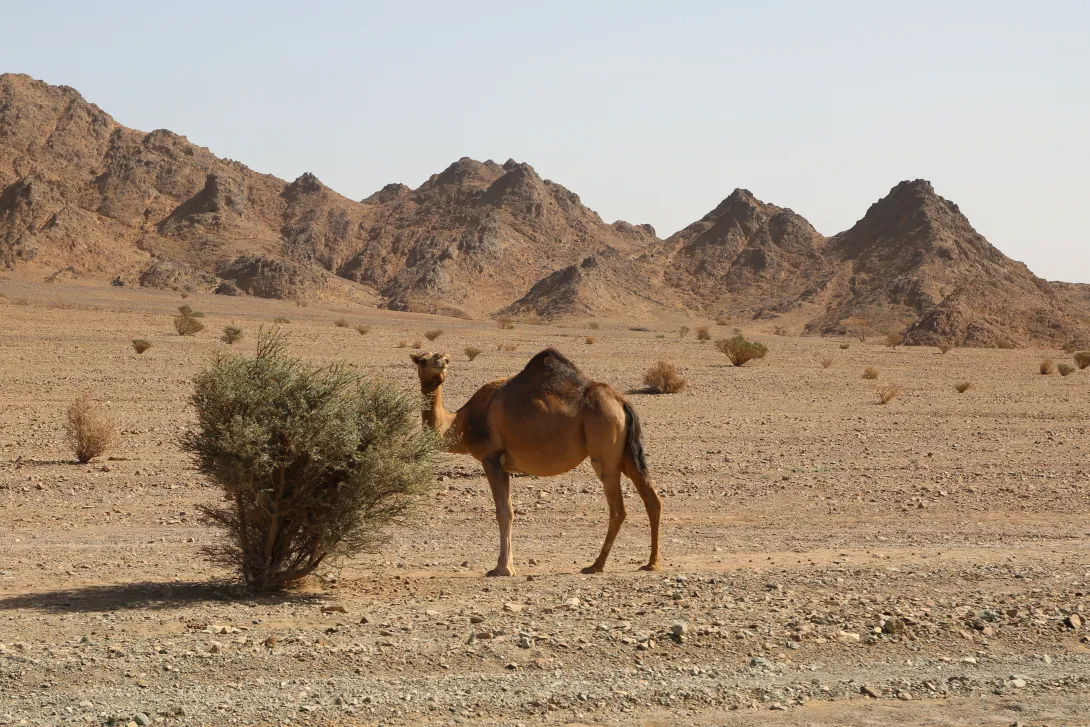
This Sudanian sub-species is distributed from Soudan, Egypt and Somalia to Lebanon, Syria and the Arabian Peninsula where it is recorded as native in Jordan, Saudi Arabia, Qatar, the Gulf States, Oman, Yemen and Socotra. The species has also been introduced to Pakistan and India.
-
Ecology
-
Phenology
JanFebMarAprMayJunJulAugSepOctNovDecFloweringFructification
- Origin
-
IUCN Red List Category
 Least Concern
-
Remarks
Identifying the different species of Vachellia is often challenging in the field, as morphological characteristic used for identification can be variable between individuals, not always visible, and the species may be confused—especially since AlUla County lies in a contact zone where the ranges of several species overlap. Habitat characteristics and field experience can help identification, but these taxa remain difficult to distinguish (one single local species name can refer to several species). The tree secretes a red liquid that falls to the ground called "dodom".
-
Phenology
-
Uses and Values
-
Aromatic and Medicinal Use
Medicinal use
-
Other Usages
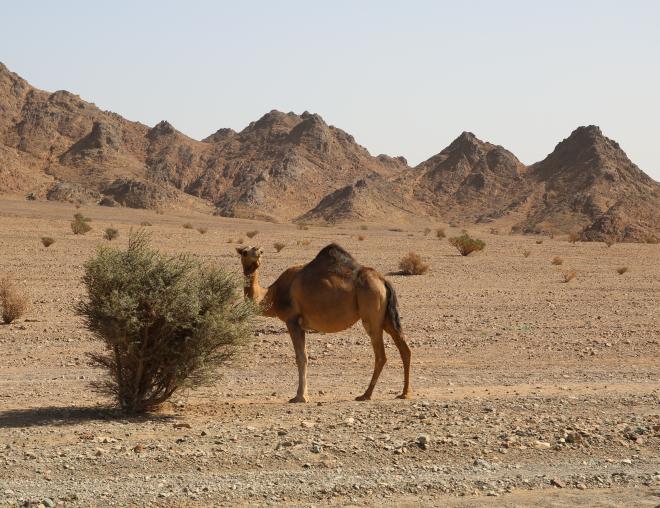
Palatable; Edible for birds; Melliferous
-
Description of Traditional Uses
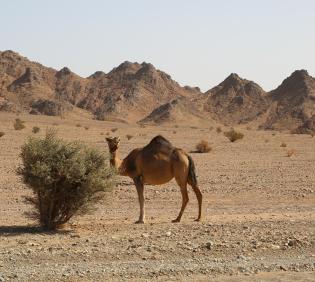
Highly valued for shade, fuelwood, charcoal, and as a source of fodder (pods/foliage) for livestock. Various parts (gum, bark, leaves) are utilized in traditional medicine for digestive and inflammatory conditions.
-
Aromatic and Medicinal Use
Gallery