Tribulus terrestris L.
شرشر / القُطب/ دريسة
Puncture Vine, Goathead
Zygophyllaceae
1 / 7
-
Morphological Description
-
Description
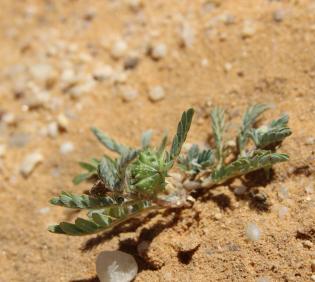
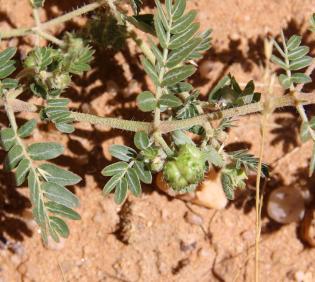
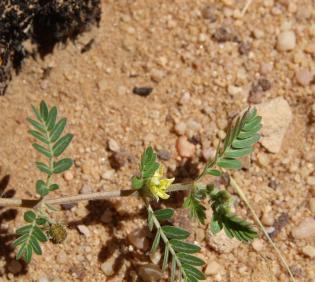
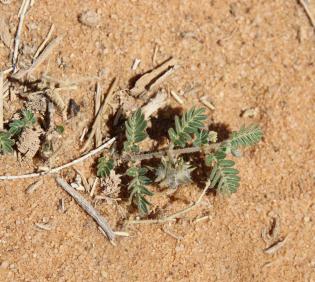
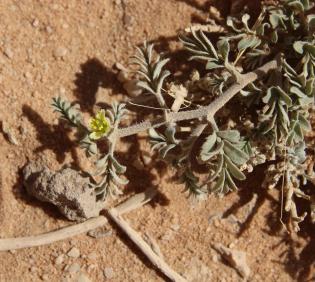
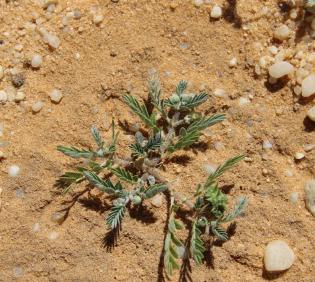
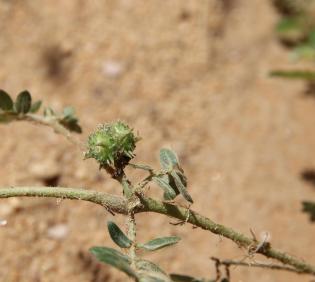
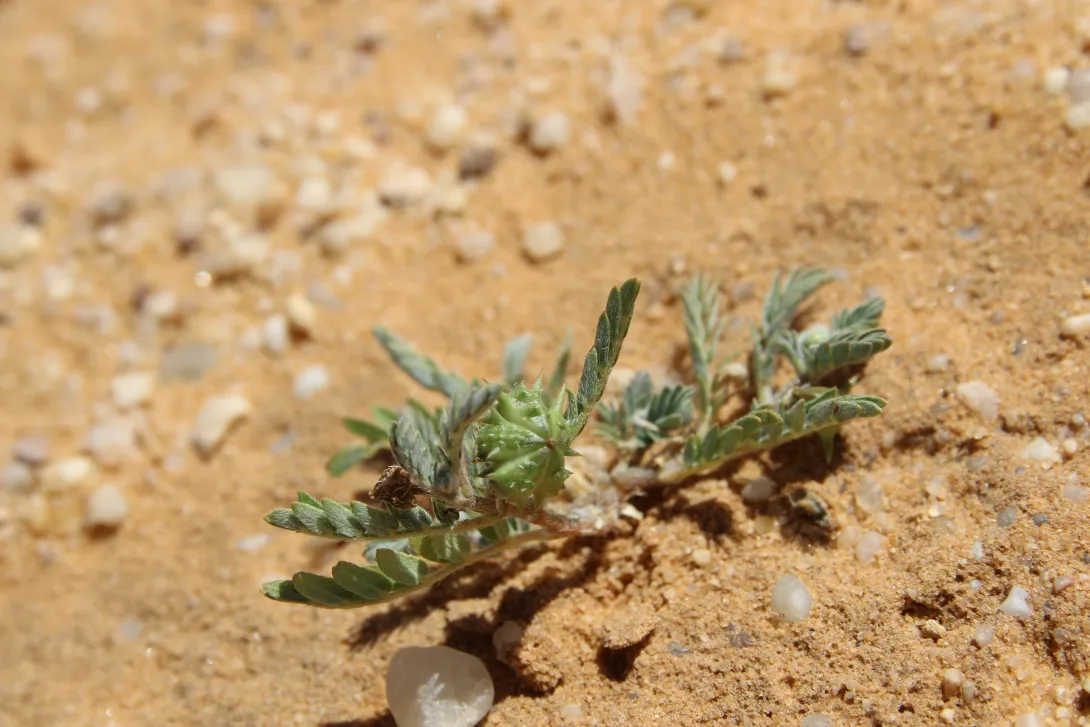
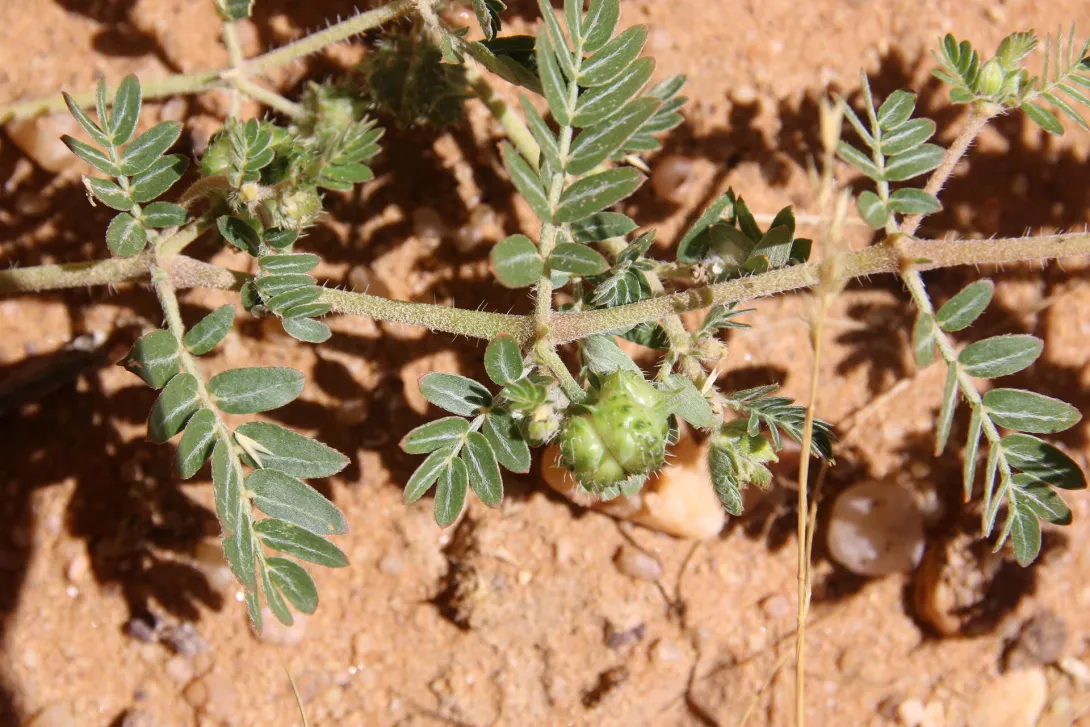
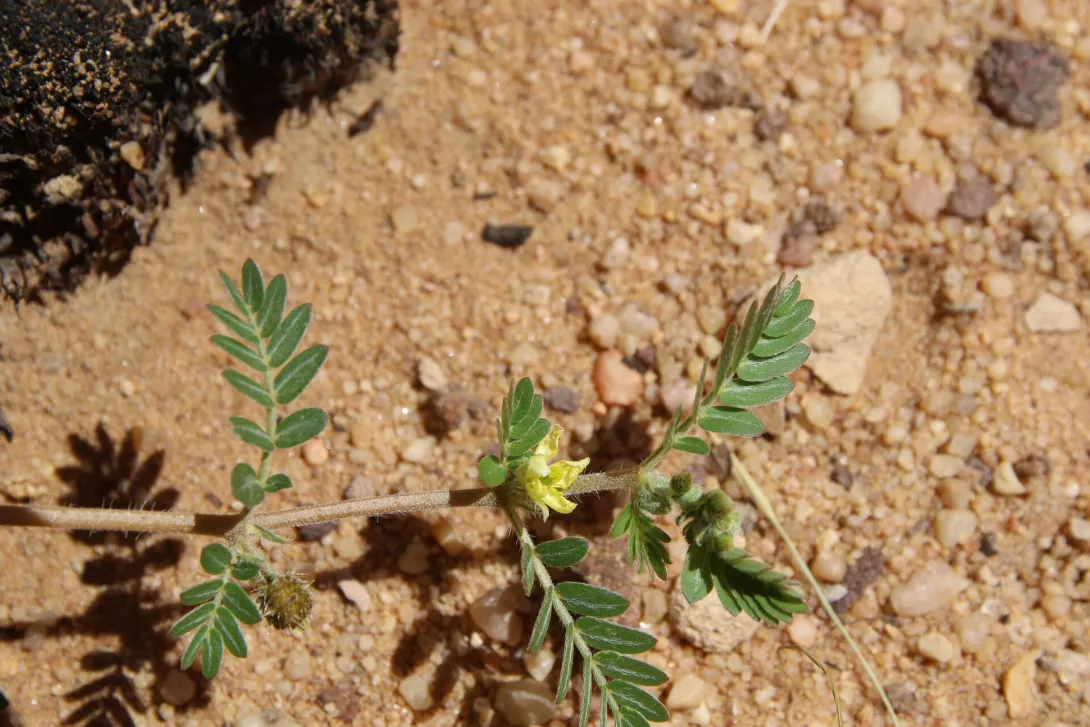
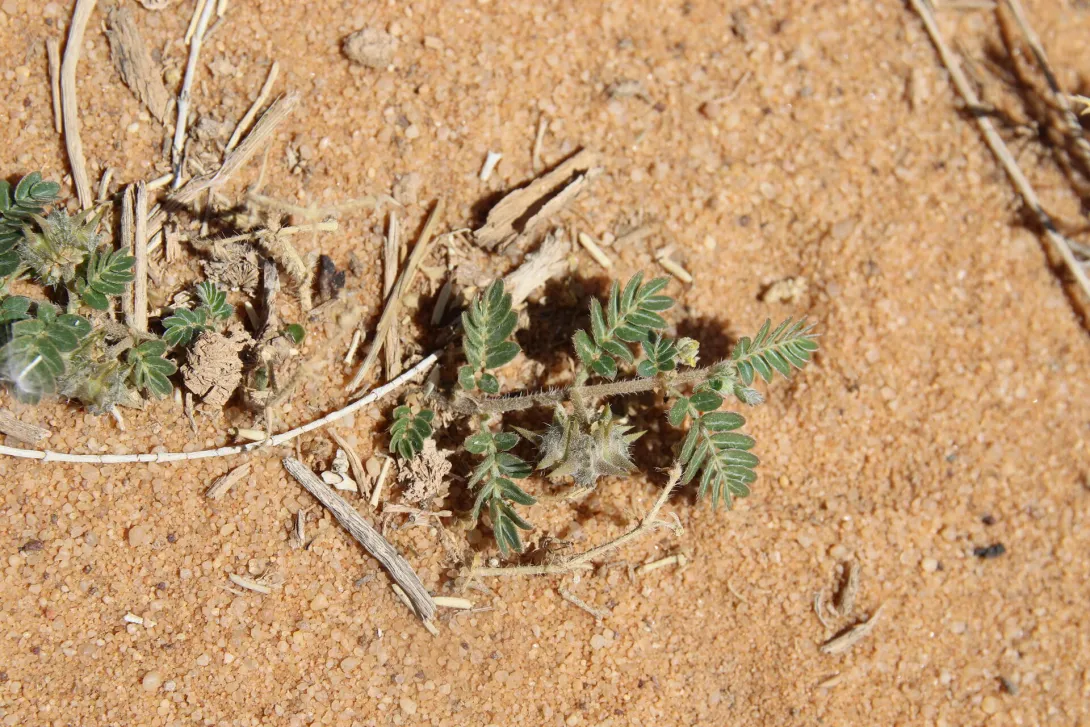
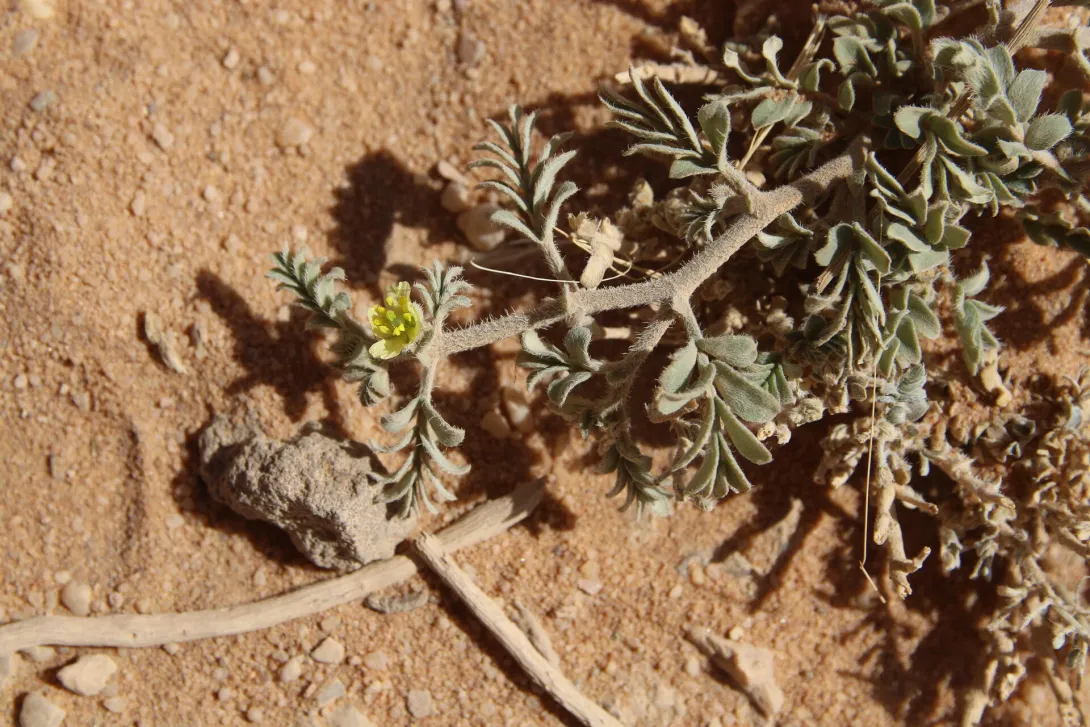
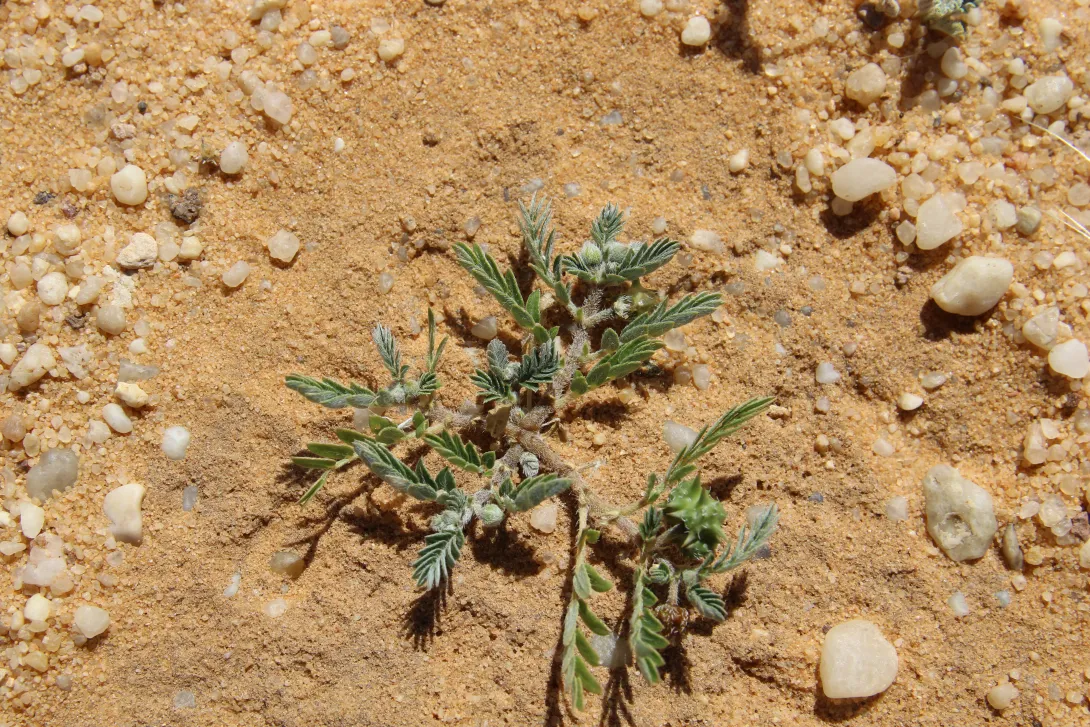
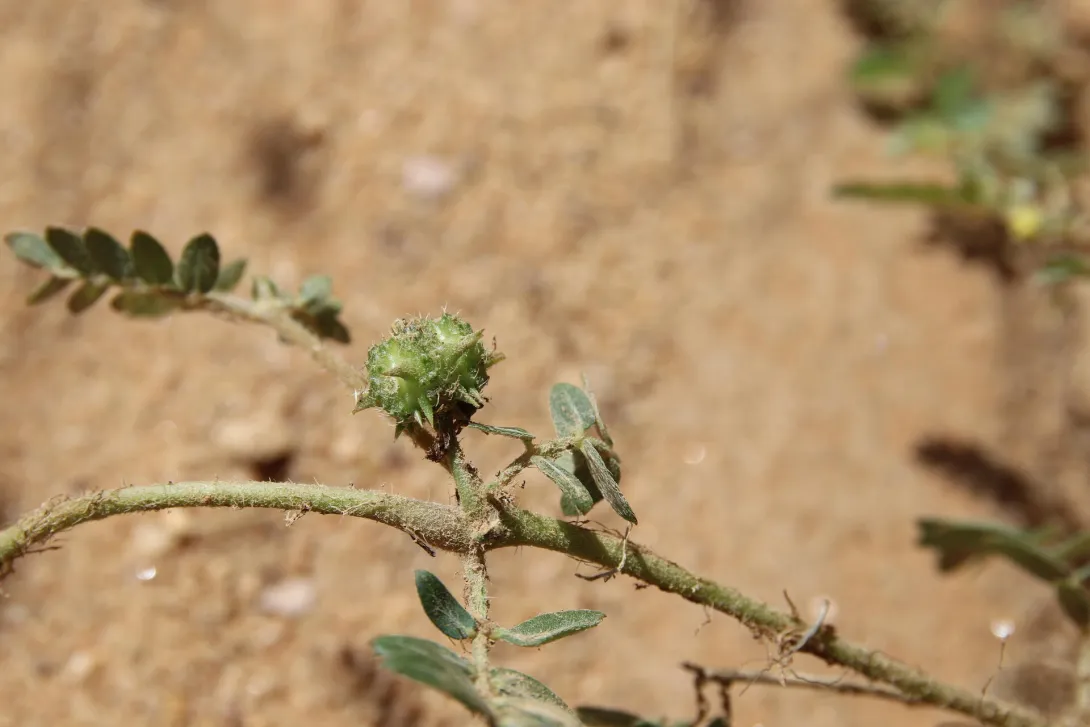
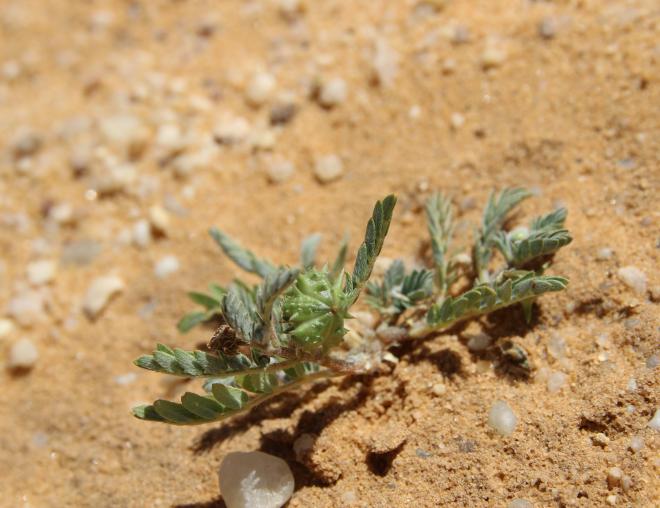
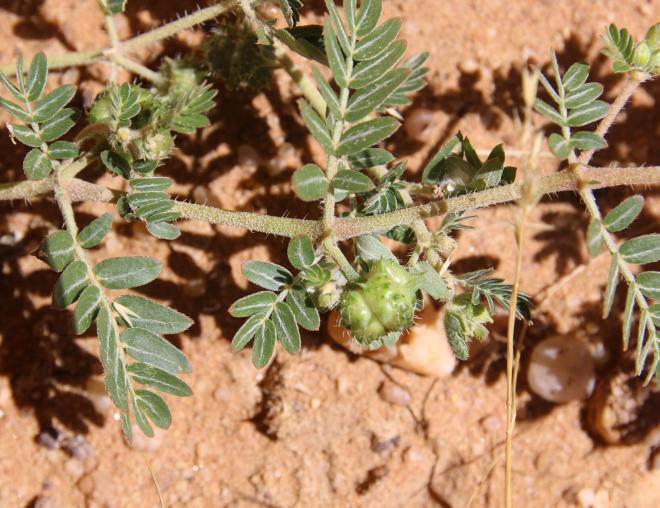
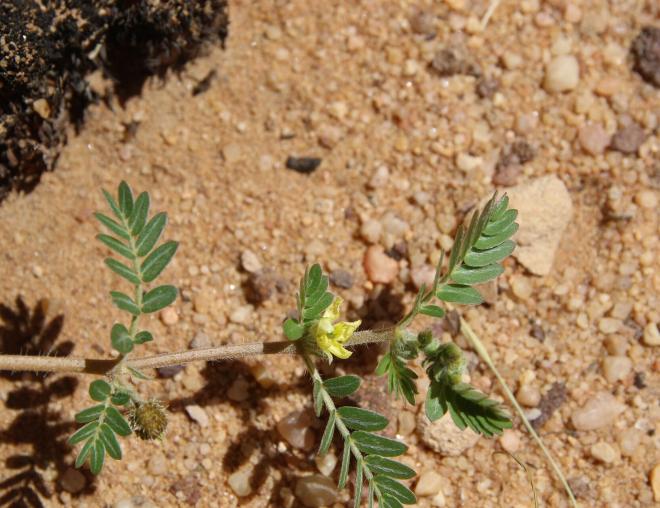
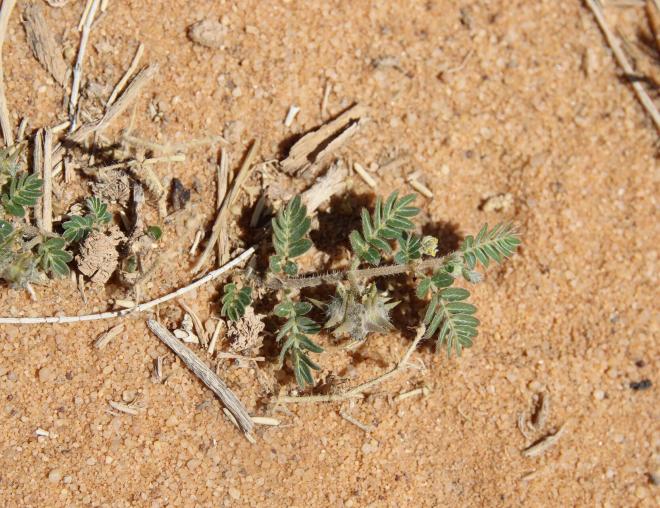
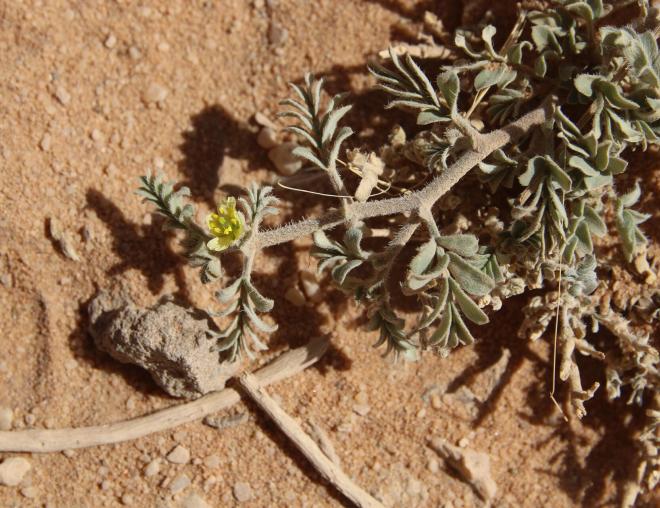
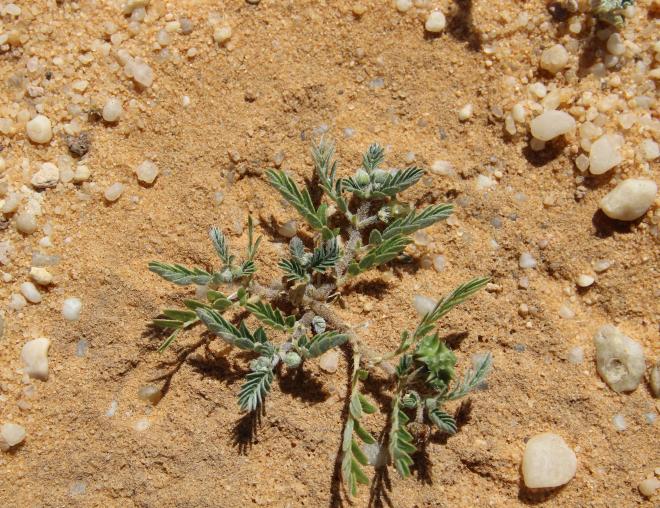
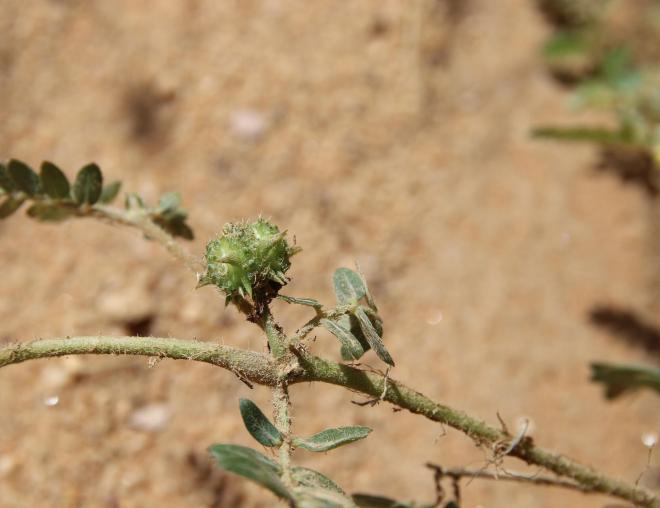
Annual herb; branches 30-60 cm long. Leaves 3-7 cm long, larger ones with 6-8 pairs of leaflets and smaller ones with 3-5 pairs; leaflets 4-7 x 2.5-3.5 mm, middle pairs usually longer than the basal and terminal pairs, subsessile, elliptic-oblong, appressed pubescent at the lower side, sparsely pubescent to pubescent on the upper side, sometimes pubescent on the veins only. Flowers 0.5-1.3 cm wide. Sepals 3-5 mm long, ovate-lanceolate, sericeous. Petals 5-7 mm long, pale yellow to yellowish, obovate. Stamens usually 10. Ovary strigose, grooved; style very short or absente. Fruits 8-15 mm across including spines; mericarps with usually 4 spines, sometimes 2 or all reduced to tubercles or absent, crested, glabrous or tubercled, or furnished with spiny tuberculate hairs.
- Growth Form
-
Description
-
Habitat and Distribution
- Habitat
-
Geographical Distribution Range
This Euro-Siberian, Mediterranean and Irano-Turanian species is widely distributed. It occurs throughout Europe, Africa, as well as Asia. In the Arabian Peninsula, it is recorded as native in Jordan, Saudi Arabia, Kuwait, Qatar, the Gulf States, Oman, Yemen and Socotra. The species has also been introduced to Australia, the United States, Germany, Canada and several countries in South America, including Peru, Argentine, Panama and Ecuador.
-
Ecology
-
Phenology
JanFebMarAprMayJunJulAugSepOctNovDecFloweringFructification
- Origin
-
IUCN Red List Category
 Least Concern
-
Phenology
-
Uses and Values
-
Aromatic and Medicinal Use
Medicinal use
-
Other Usages
Melliferous
-
Description of Traditional Uses
Traditionally used for urinary, digestive, and general health complaints; fruits and aerial parts are also represented in local remedies.
-
Aromatic and Medicinal Use
Gallery