Solanum villosum Mill.
عنب الثعلب
Red nightshade, Wooly nightshade
Solanaceae
1 / 7


-
Morphological Description
-
Description
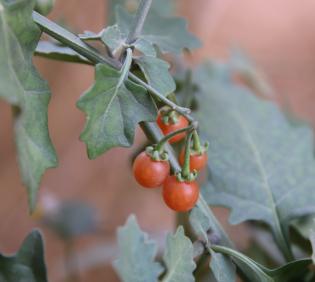
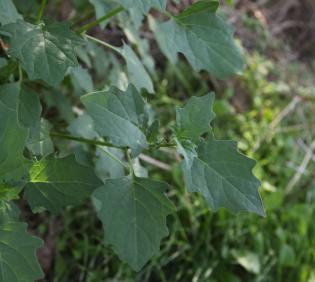
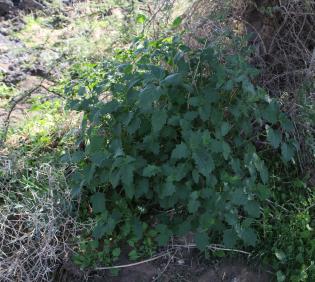
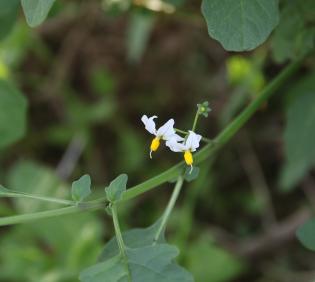
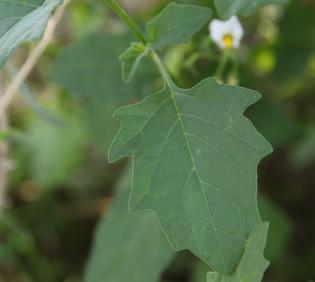
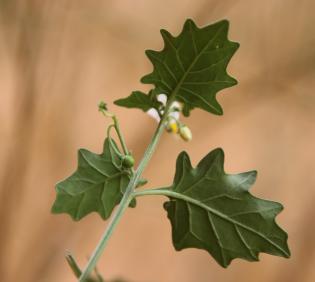
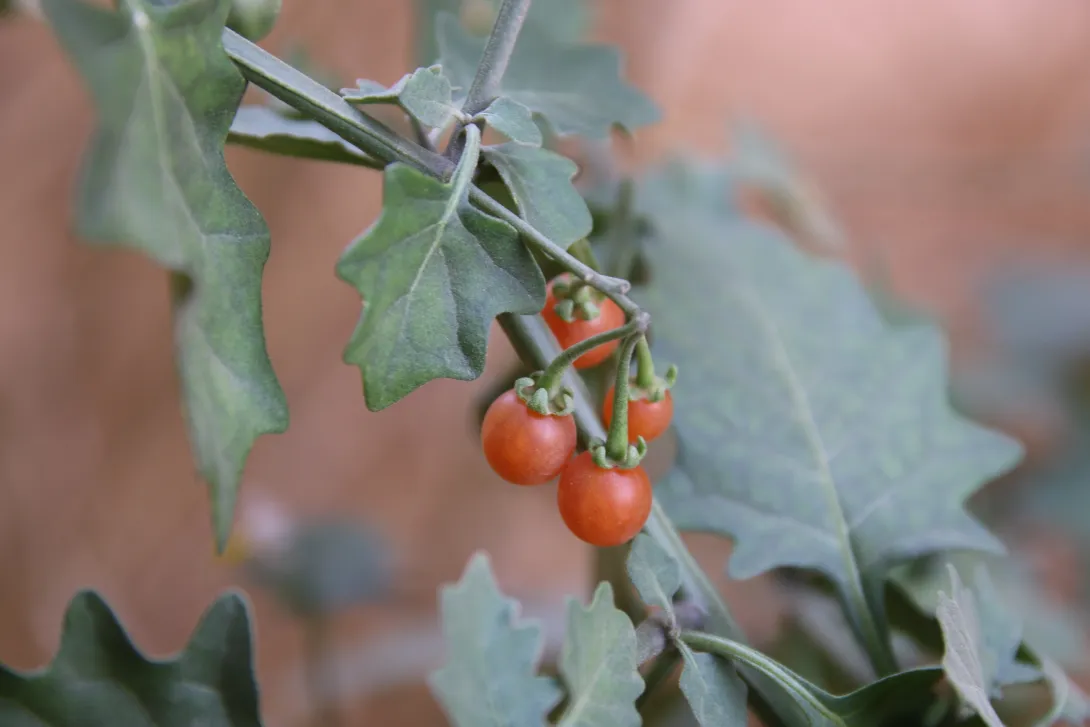
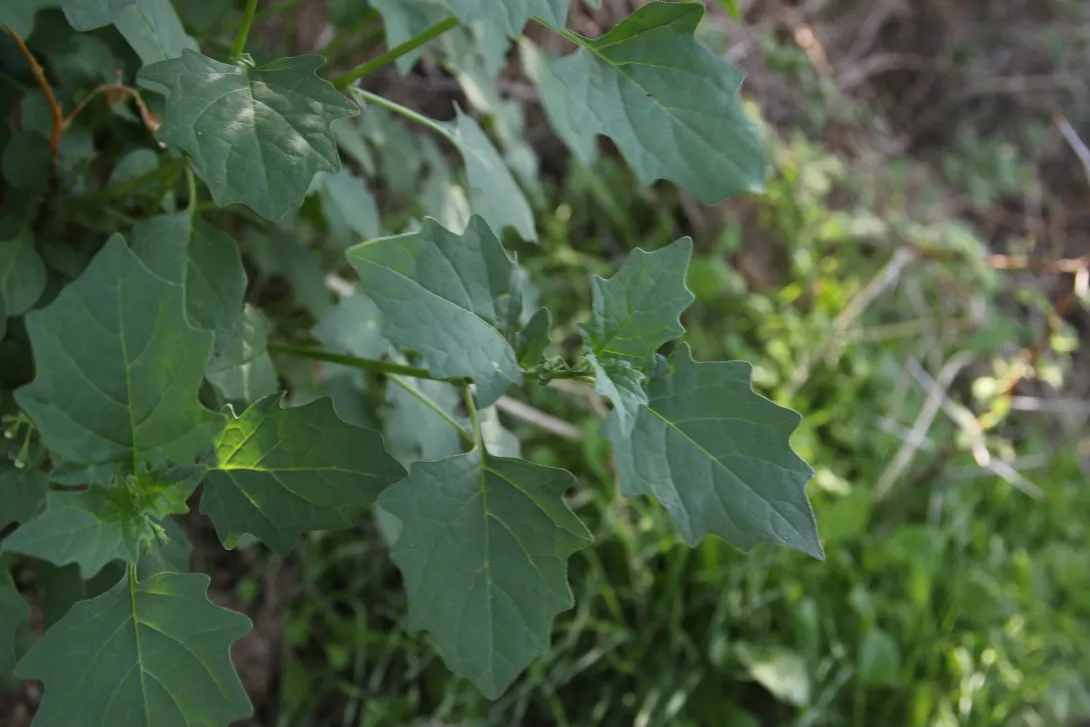
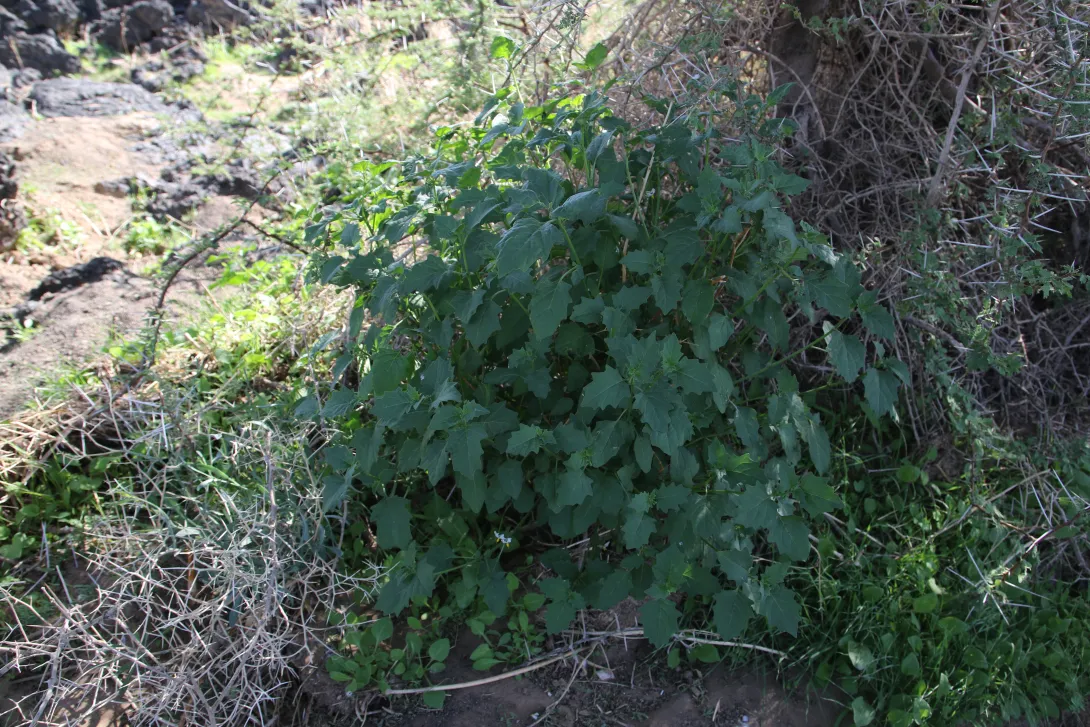
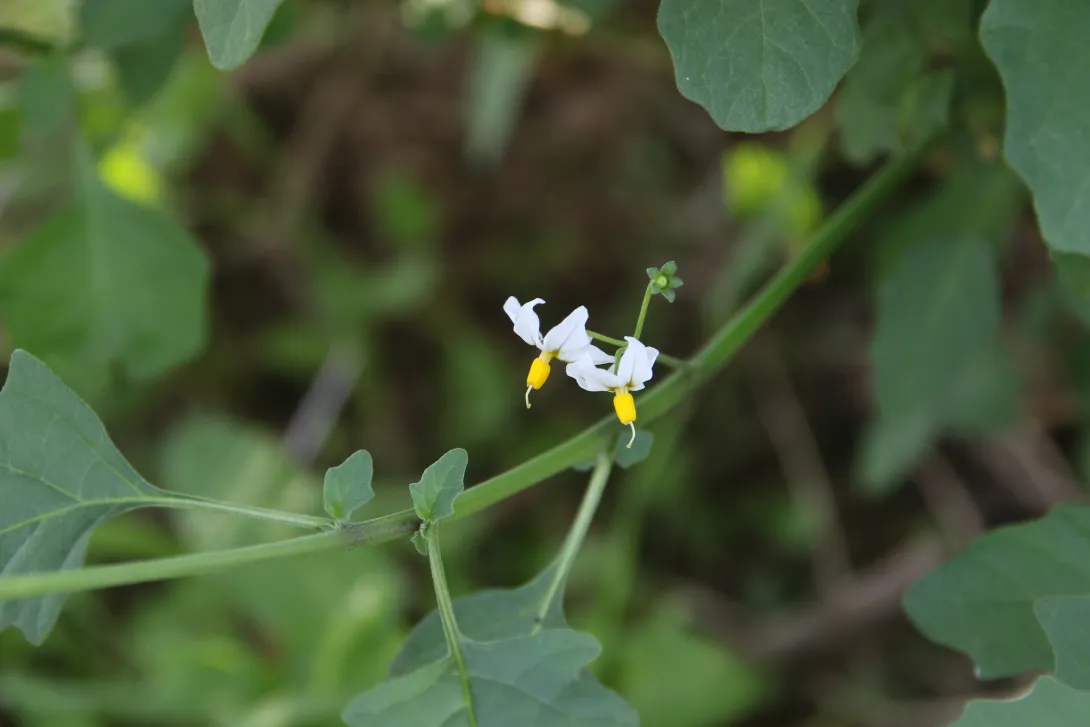
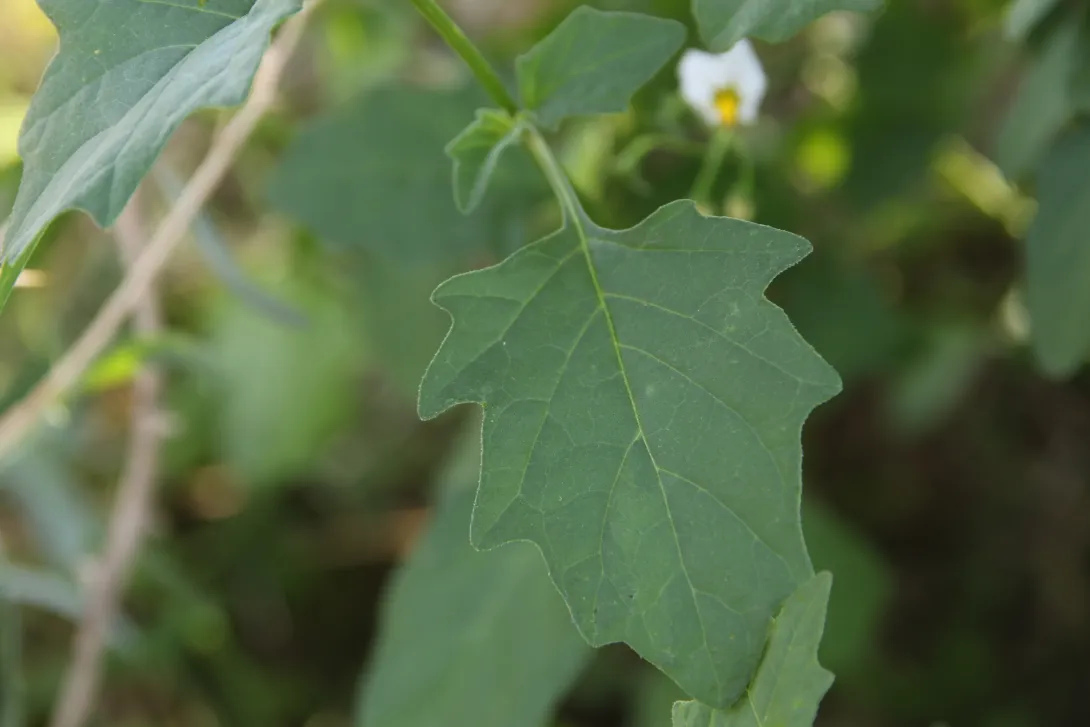
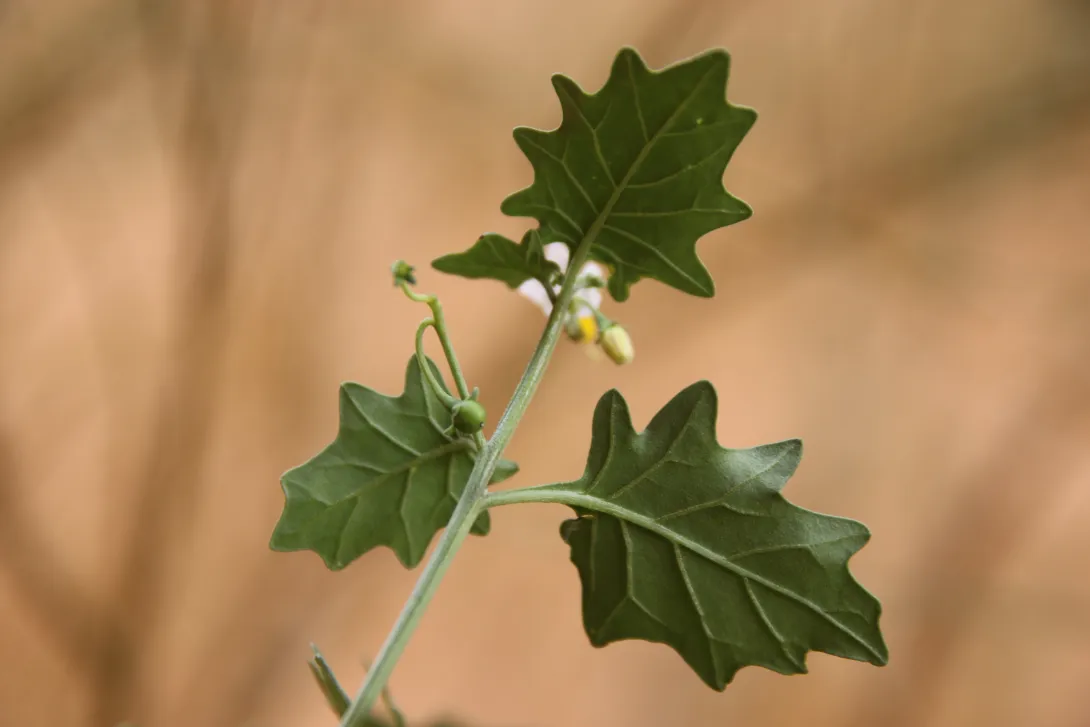
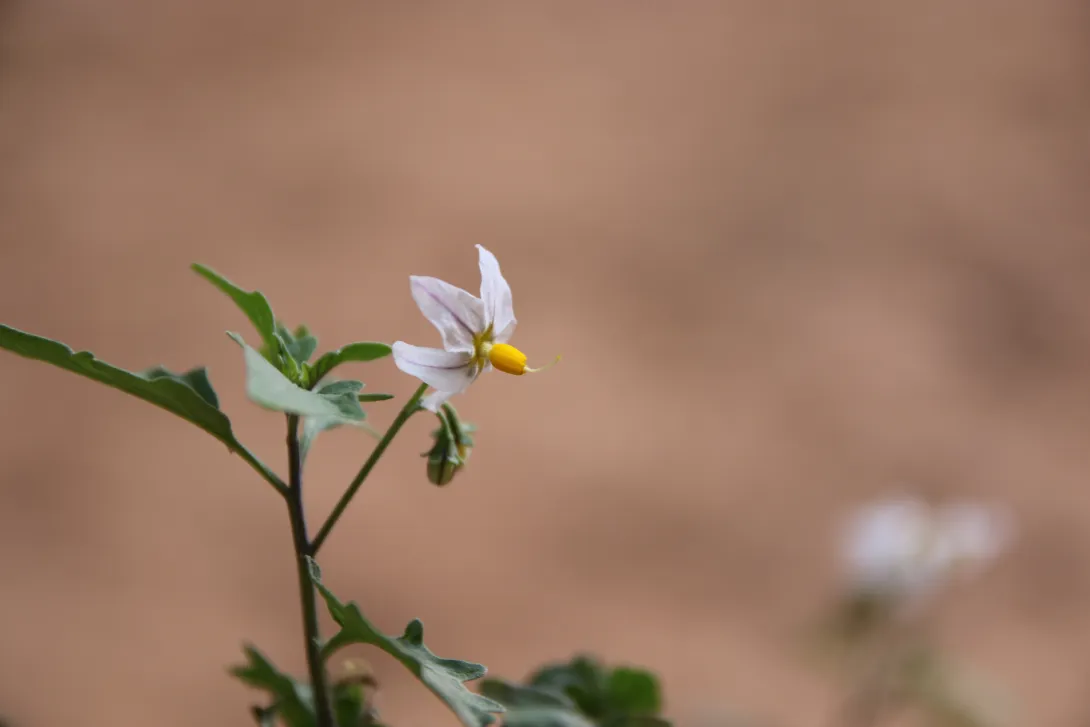
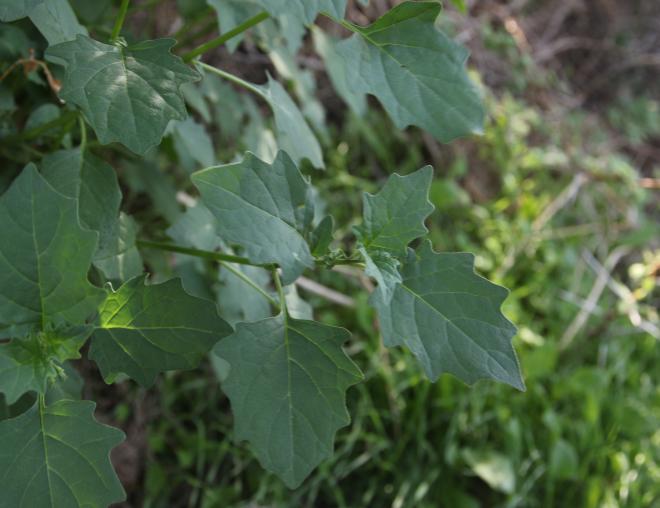
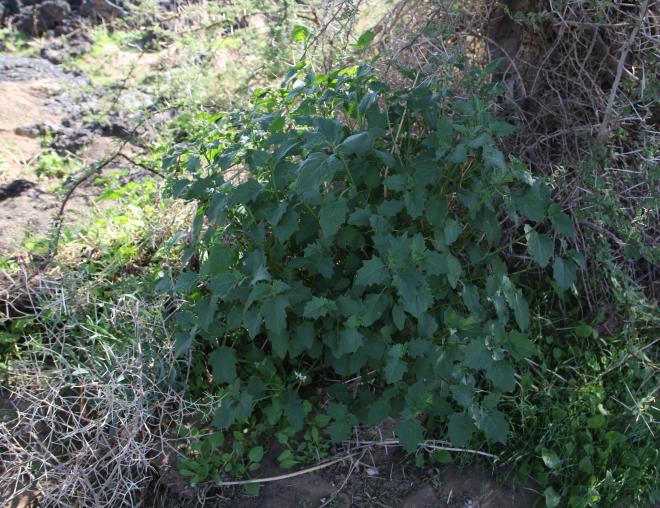
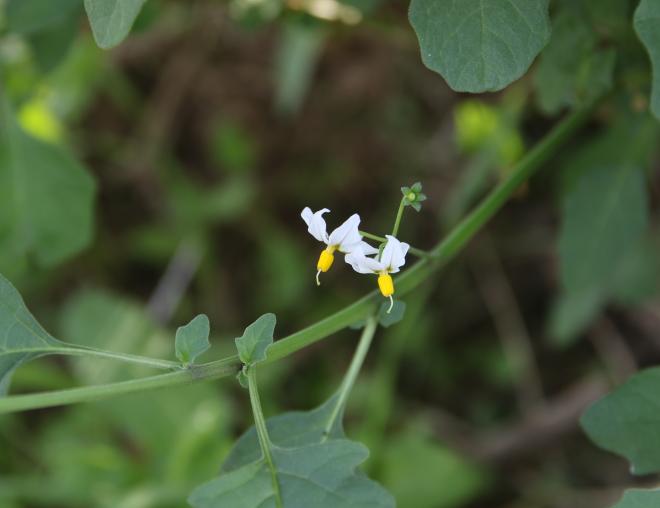
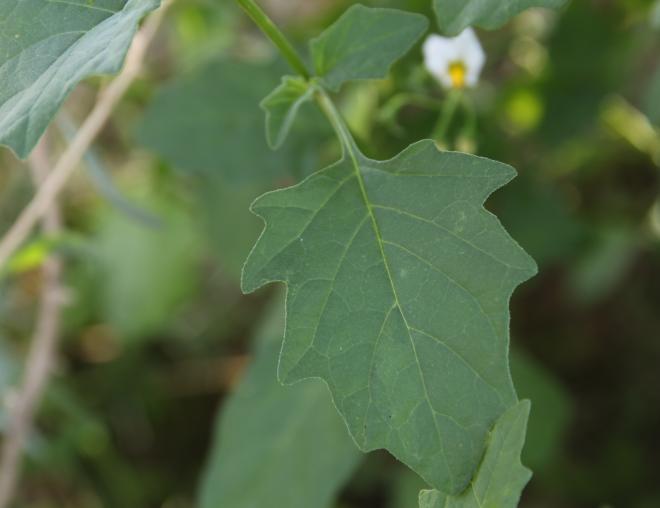
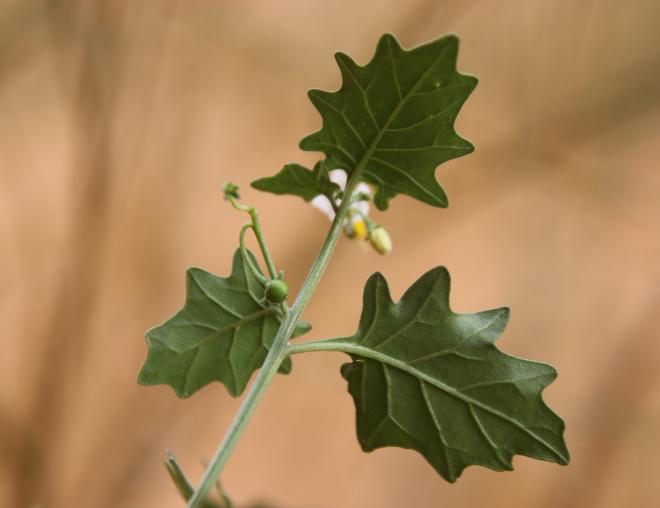
Annual, erect herb, up to 60 cm, glabrescent or covered with simple, adpressed, glandular hairs. Leaves petiolate, ovate-lanceolate to ovate, 3-5 x 2-3.5 cm, cuneate, entire to dentate, acute, somewhat decurrent into petiole. Flowers small, 3-6 in pedunclate cymes. Calyx divided to the middle, sparsely adpressed hairy, lobes obtuse. Corolla white to pale purple, petal 5-6 mm long, divided to or below the middle; lobes clavate-hairy on the margin and sparsely so along the purple median line outside. Anthers 1.5-2 mm. Ovary globose; style filiform, 5-6 mm long; stigma globose. Berry usually longer than broad, glabrous, orange, 6-9 mm in diameter.
- Growth Form
-
Description
-
Habitat and Distribution
- Habitat
-
Geographical Distribution Range
This Euro-Siberian, Mediterranean, and Irano-Turanian species is widely distributed. It occurs throughout Europe, North and East Africa, as well as South Asia. In the Arabian Peninsula, it is recorded as native in Jordan, Saudi Arabia, Qatar, the Gulf States, Oman, and Yemen. The species has also been introduced to Australia, the United States, and several countries in Central Asia and Europe, including Kazakhstan, Germany, and Great Britain.
-
Ecology
-
Phenology
JanFebMarAprMayJunJulAugSepOctNovDecFloweringFructification
- Origin
-
IUCN Red List Category
 Not Evaluated
-
Phenology
-
Uses and Values
-
Aromatic and Medicinal Use
Medicinal use
-
Other Usages
Palatable; Edible for birds
-
Description of Traditional Uses
Young parts or ripe fruits are gathered as a food in some local traditions, while the plant is also represented in folk remedies. Use requires discrimination between edible ripe material and potentially harmful unripe parts.
-
Aromatic and Medicinal Use
Gallery