Andrachne aspera Spreng.
شجرة العقرب
Syn. Andrachne aspera var. glandulosa Hochst. ex A.Rich.
Hairy Flax
Phyllanthaceae
1 / 4
-
Morphological Description
-
Description
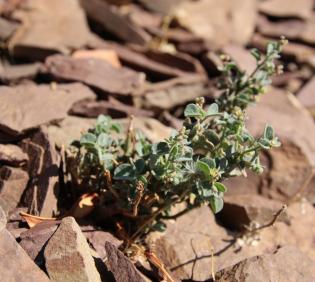
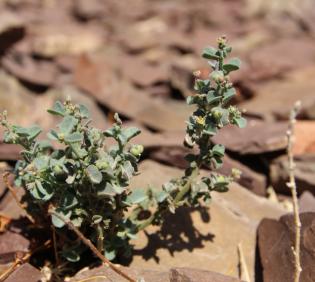
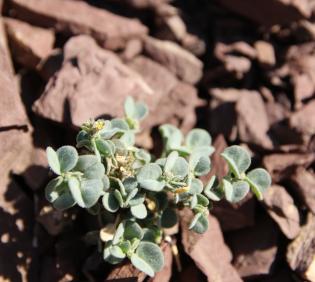
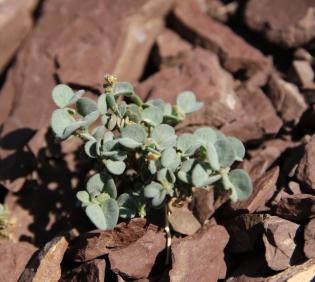
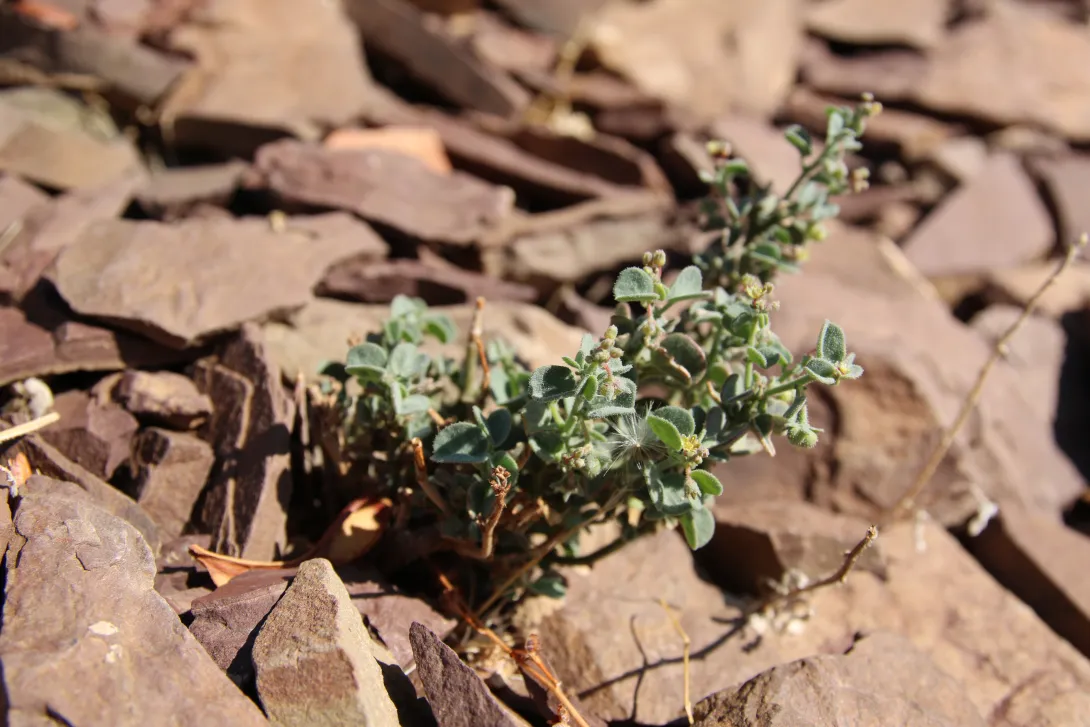
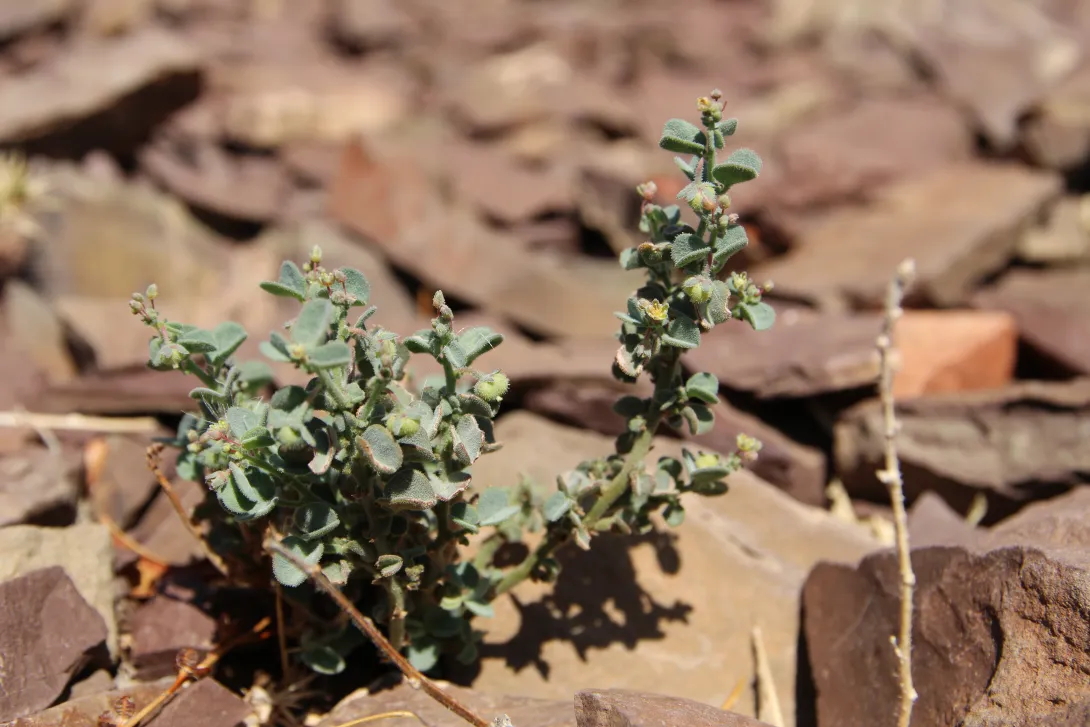
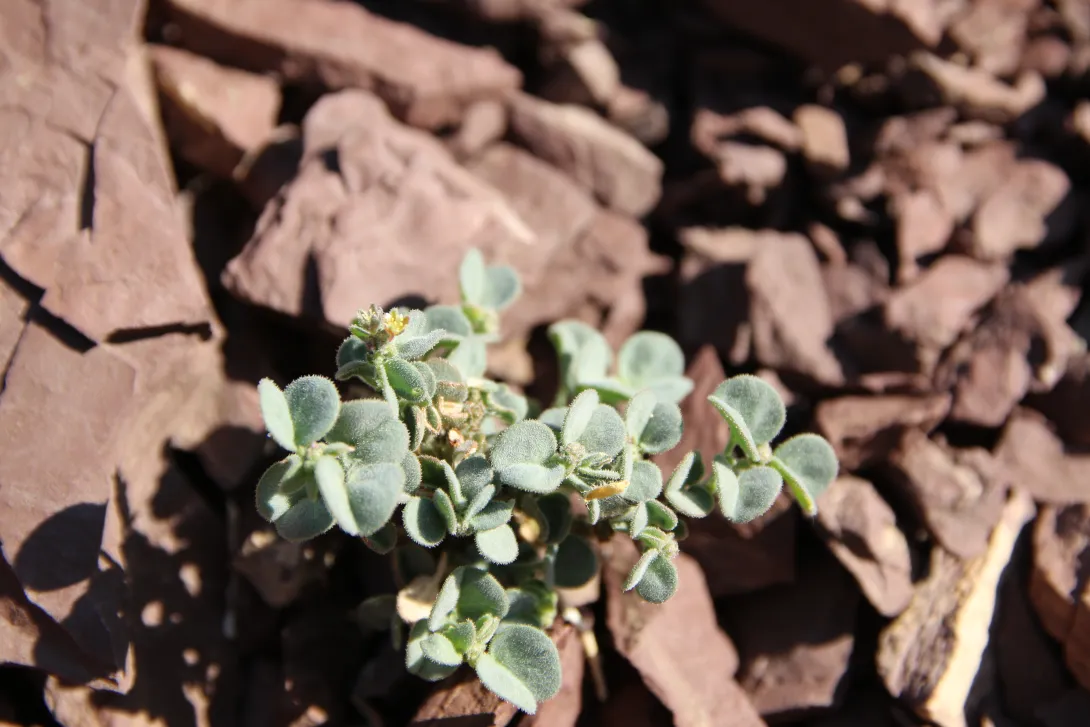
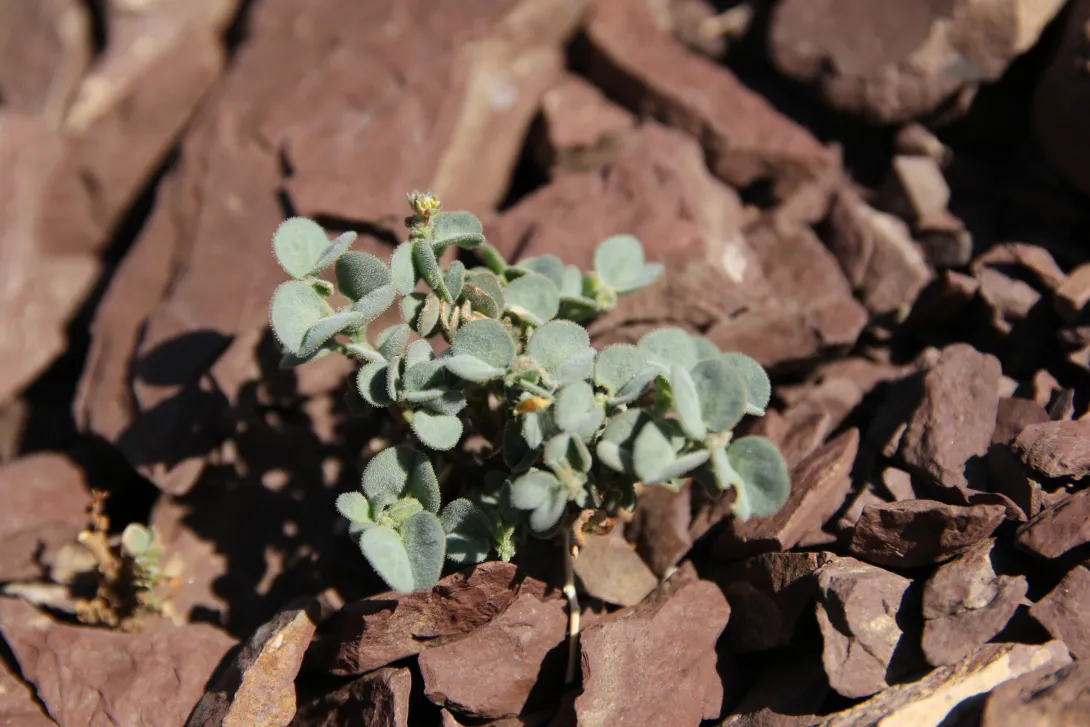
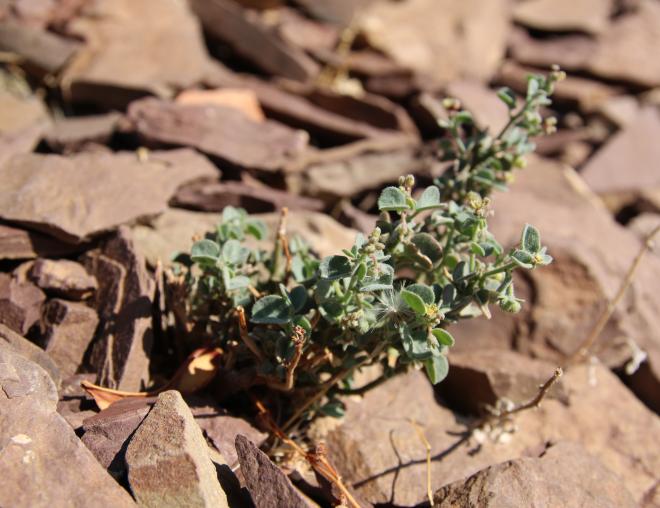
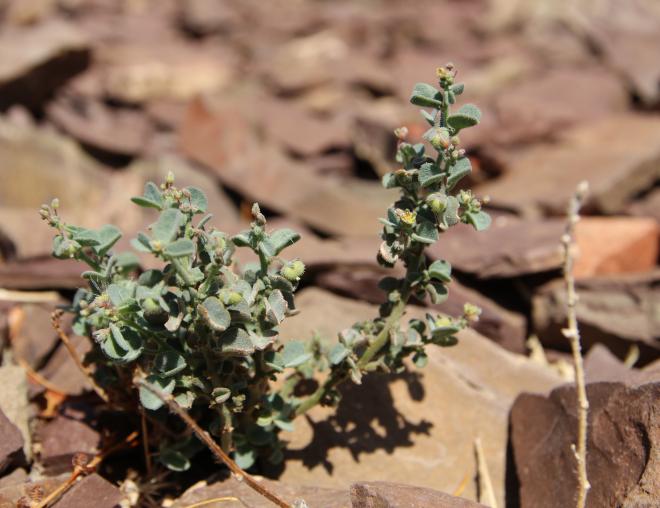
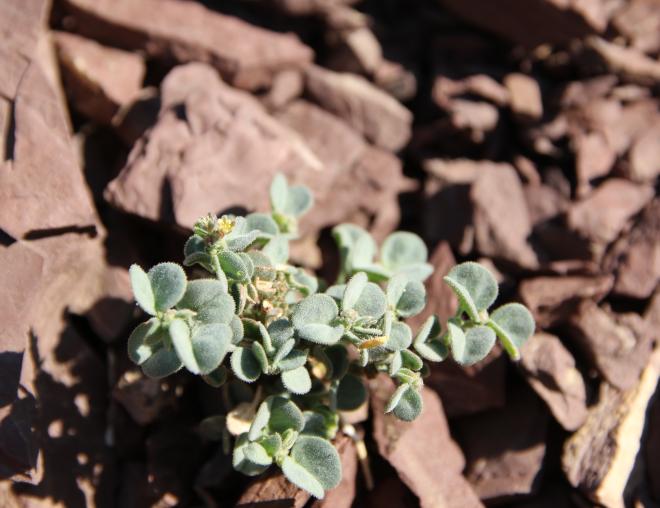
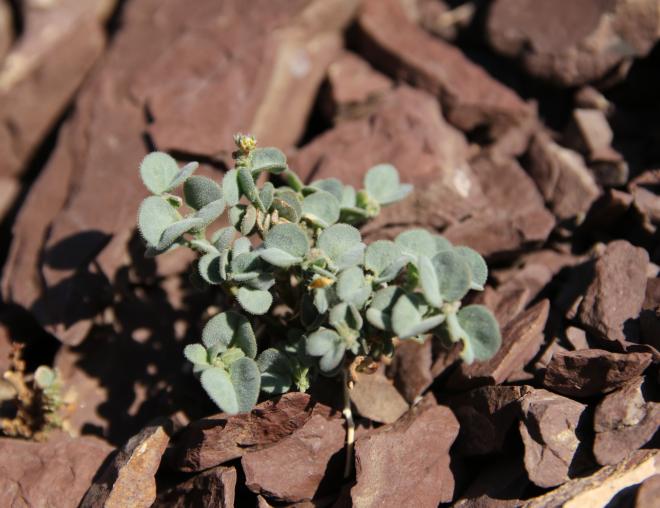
Small perennial herb or undershrub, erect, often less than 50 cm, glabrous. Leaves alternate, smooth-edged, oblong to elliptic, entire, coriaceous, light green. Flowers small, unisexual, in axillary clusters, greenish. Male flowers with 5 sepals, 5 stamens; female flowers with 5 sepals and 3 styles. Fruit a depressed capsule, dehiscent, seeds smooth.
- Growth Form
-
Description
-
Habitat and Distribution
- Habitat
-
Geographical Distribution Range
This Sudanian species is distributed from Sudan and Somalia to Western Asia. Within the Arabian Peninsula, it is native to Jordan, Saudi Arabia, Qatar, the Gulf States, Oman, and Yemen, as well as the island of Socotra. It is also found in Morocco, Mauritania, and Cameroon.
-
Ecology
-
Phenology
JanFebMarAprMayJunJulAugSepOctNovDecFloweringFructification
- Origin
-
IUCN Red List Category
 Not Evaluated
- Remarks
-
Phenology
-
Uses and Values
-
Aromatic and Medicinal Use
Medicinal use
-
Description of Traditional Uses
Andrachne aspera is a well-documented medicinal plant, particularly in Ethiopia and other regions, where it is utilized for a variety of traditional treatments. Its applications include serving as an antinociceptive (pain-relieving) and anti-pyretic (fever-reducing) agent, as well as being used to treat respiratory disorders such as coughs and bronchitis. Additionally, it is used as an anthelmintic (to treat parasitic worms), a laxative, and for addressing skin disorders and eye conditions.
-
Aromatic and Medicinal Use
Gallery