Anabasis setifera Moq.
غسل / الشعران
Syn. Salsola setifera (Moq.) Akhani
Bristled Anabasis
Amaranthaceae
1 / 9


-
Morphological Description
-
Description
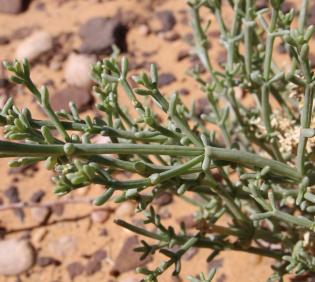
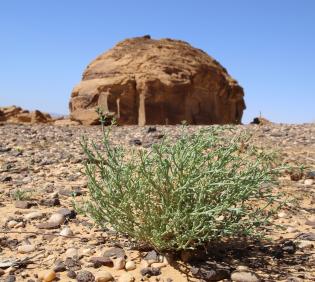
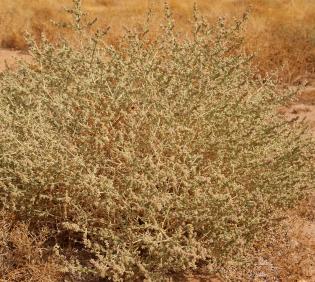
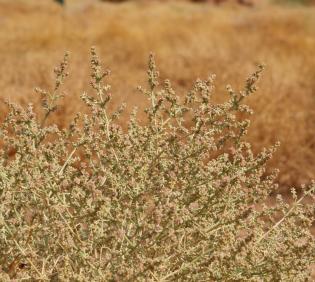
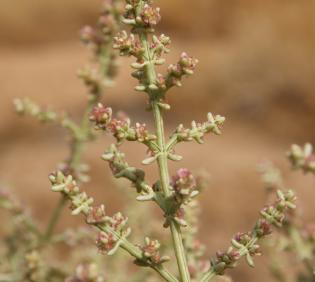
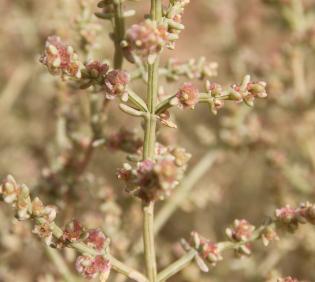
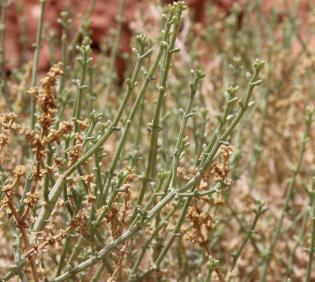
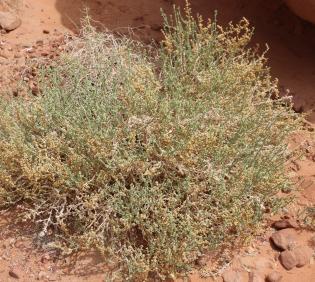
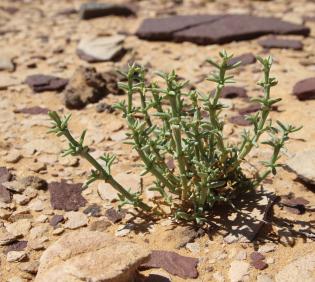
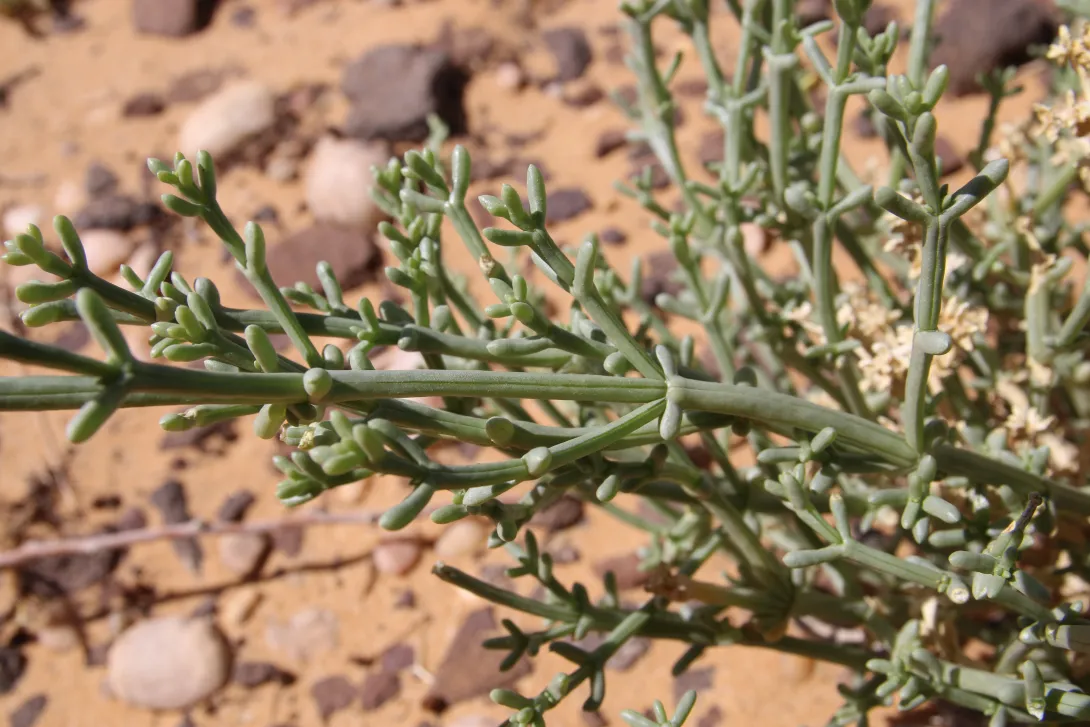
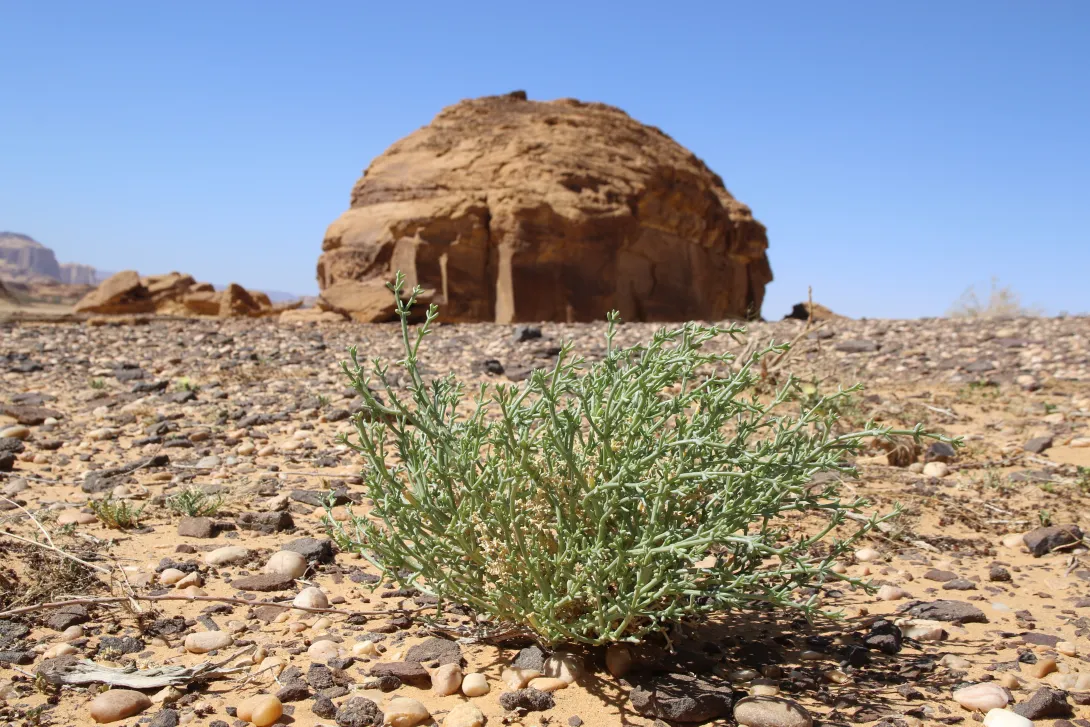
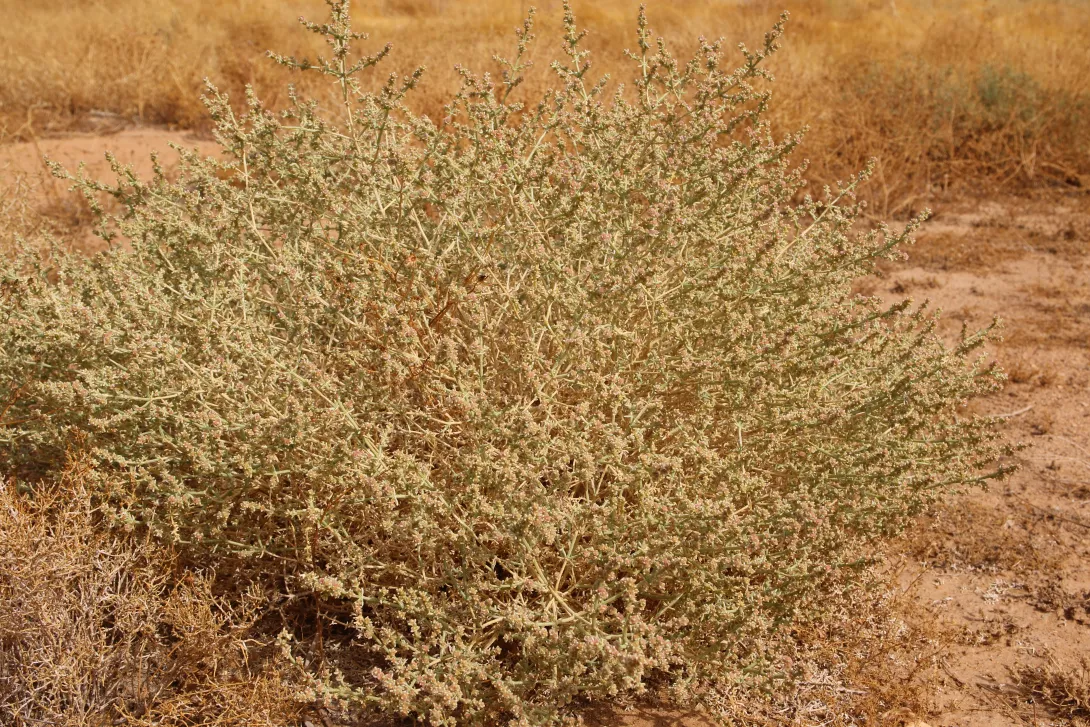
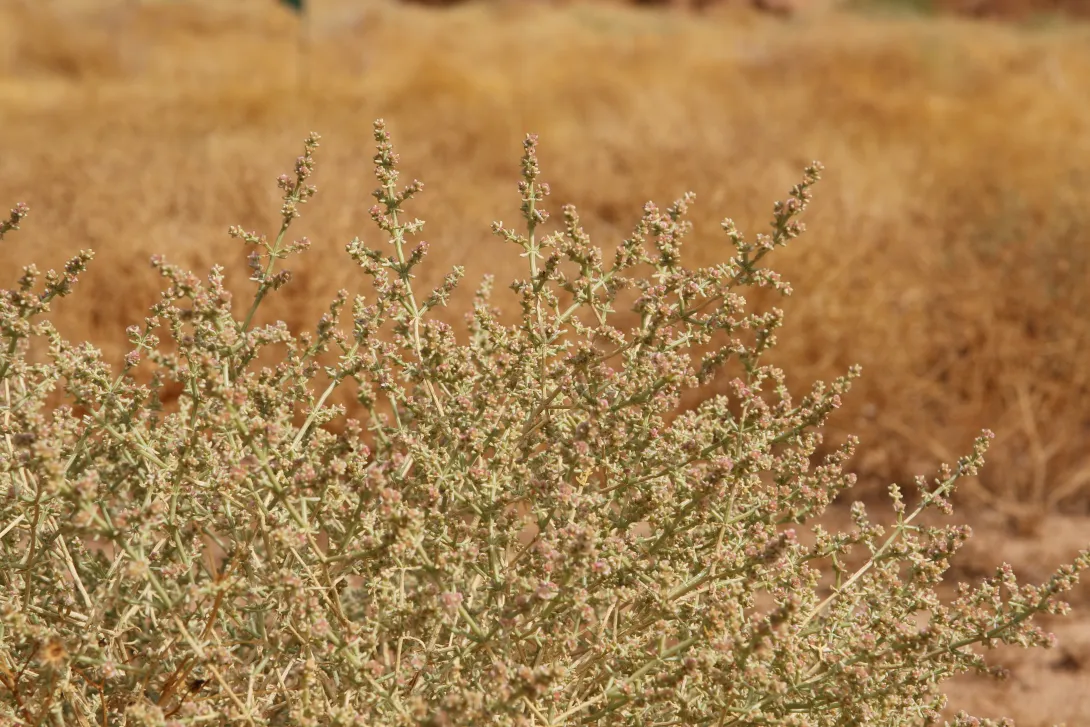
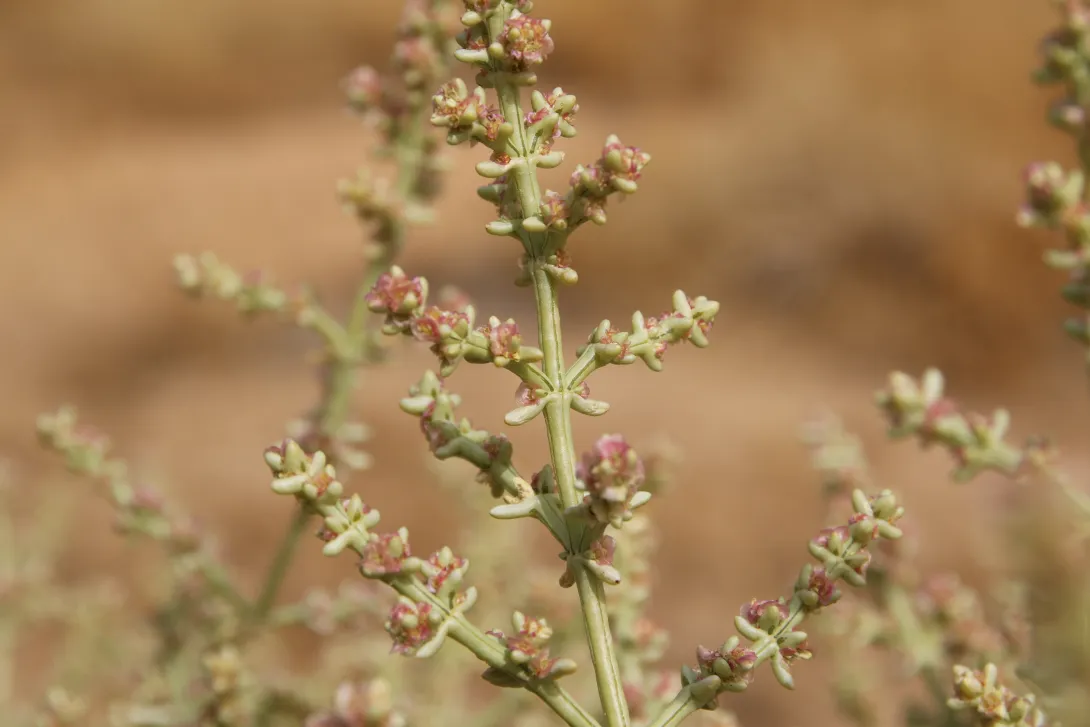
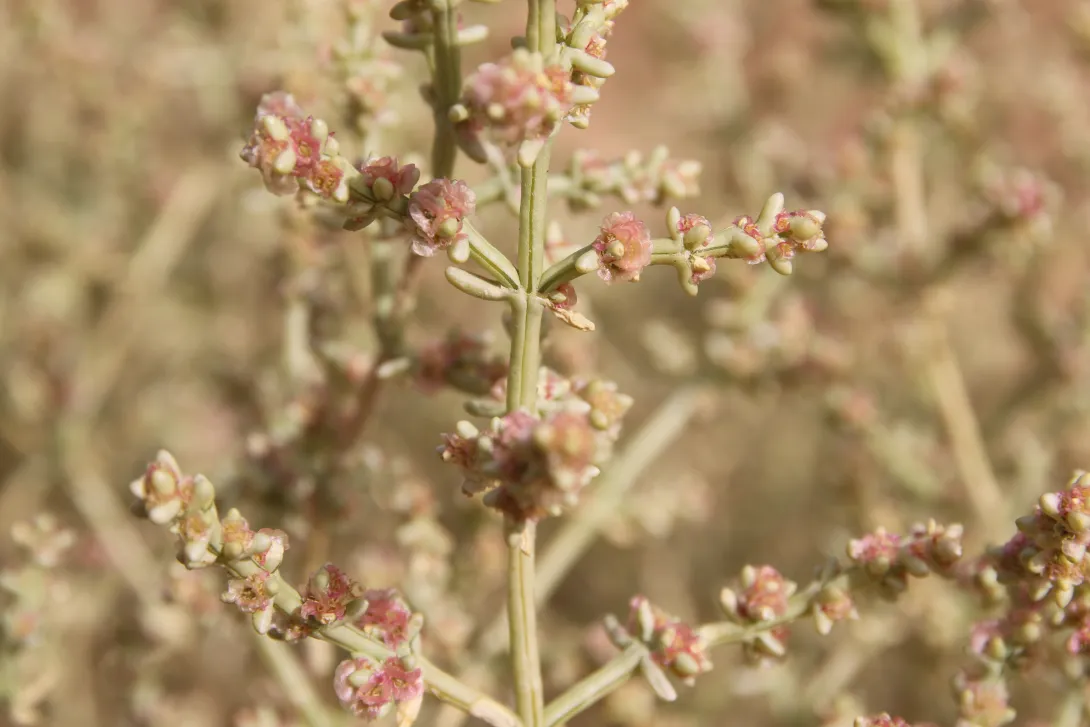
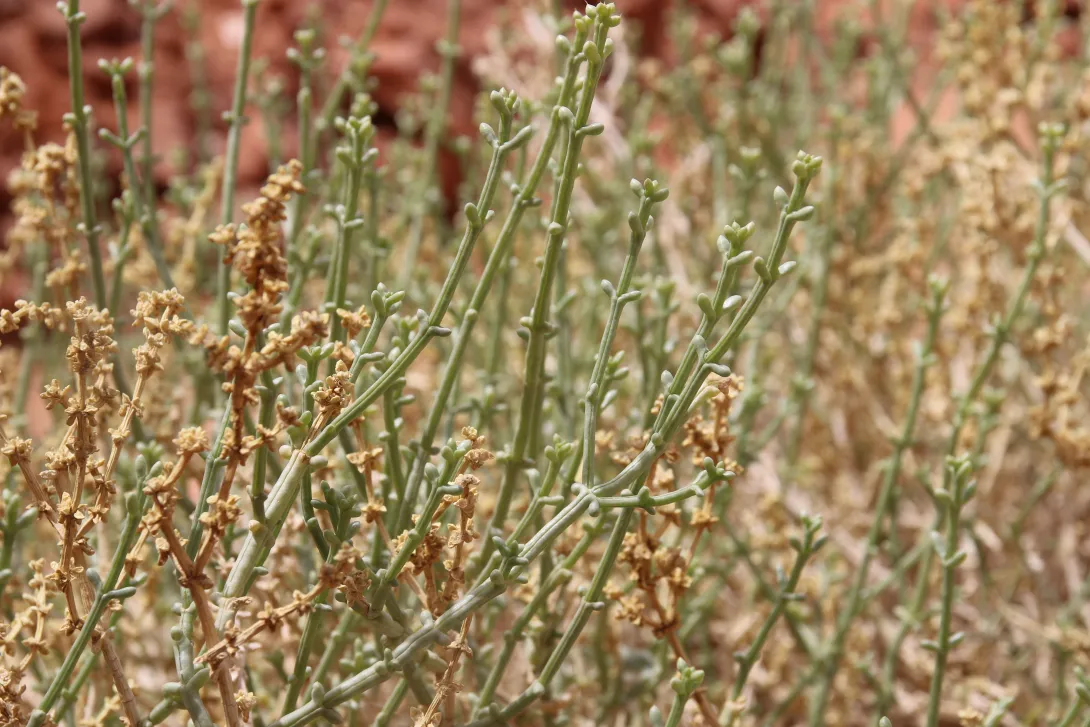
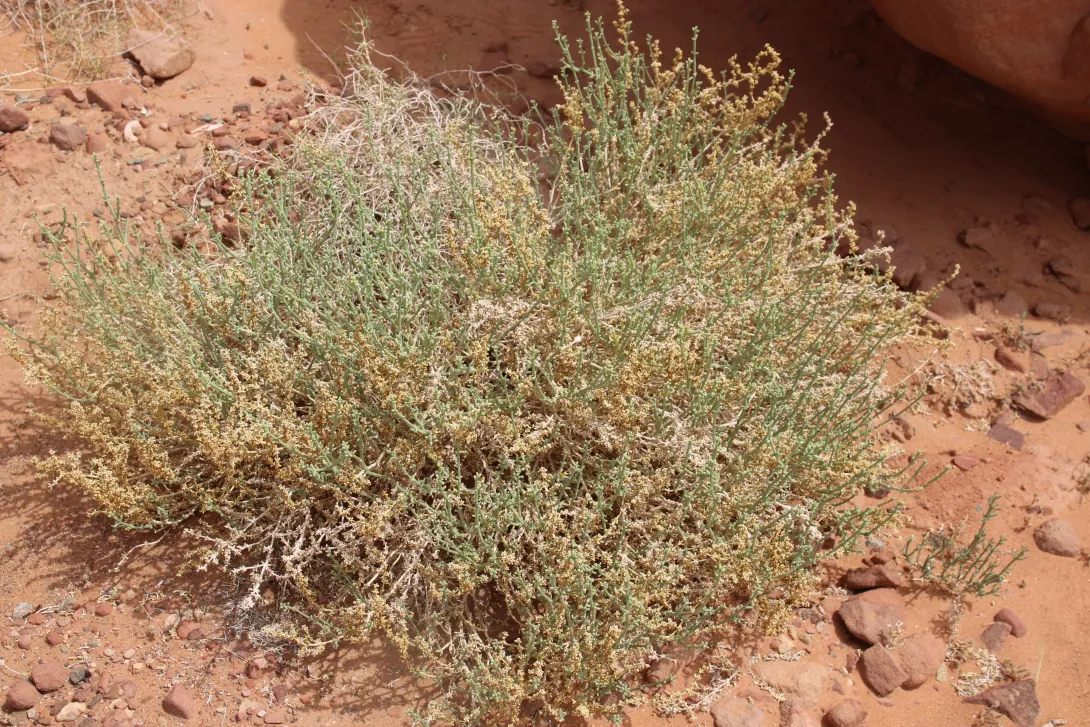
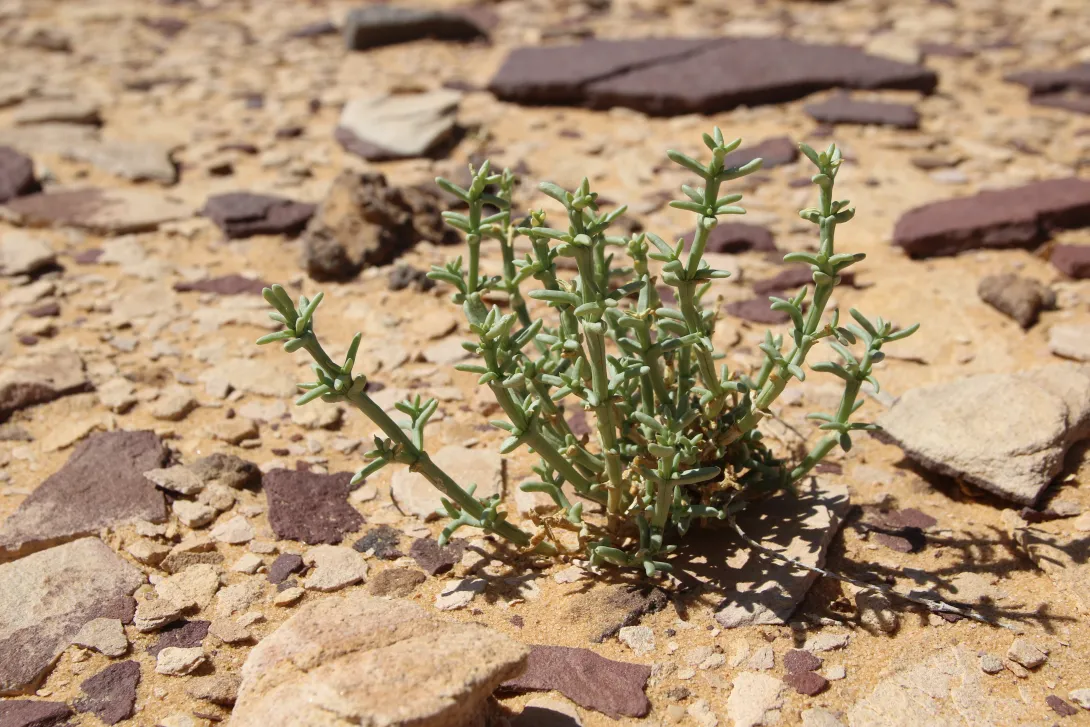
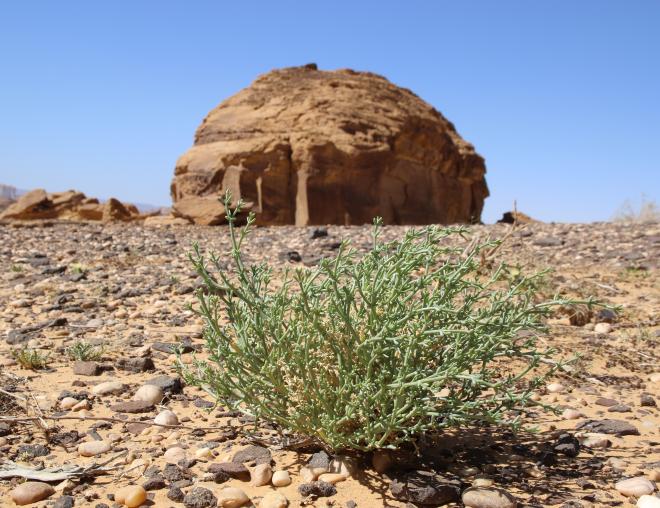
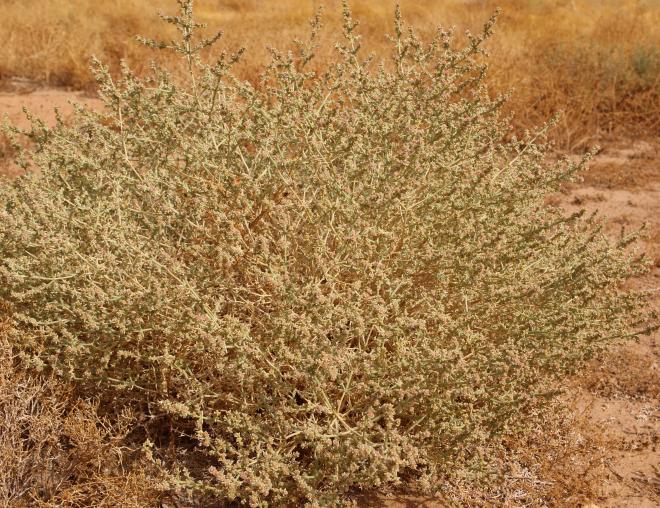
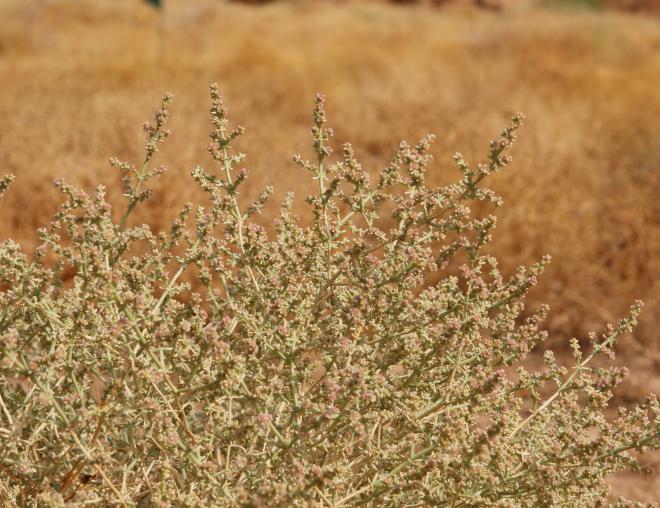
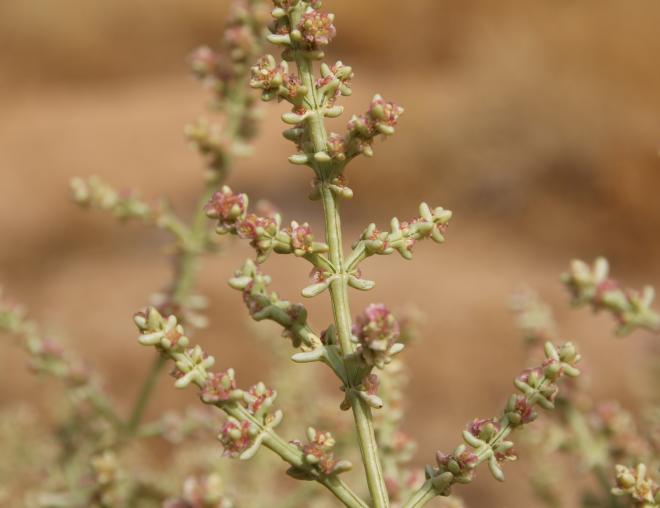
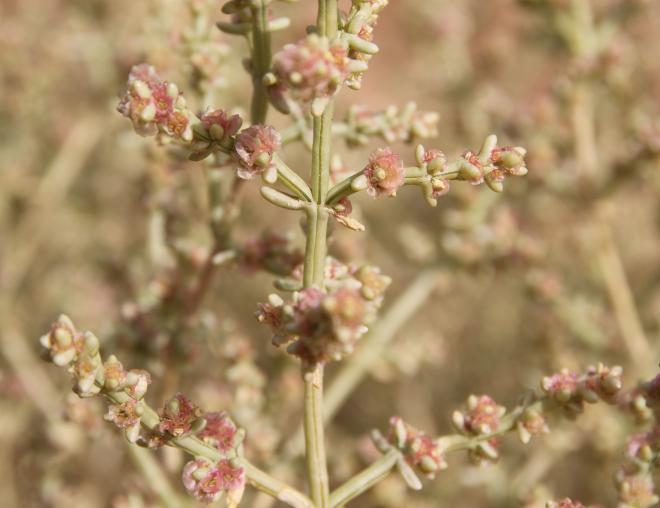
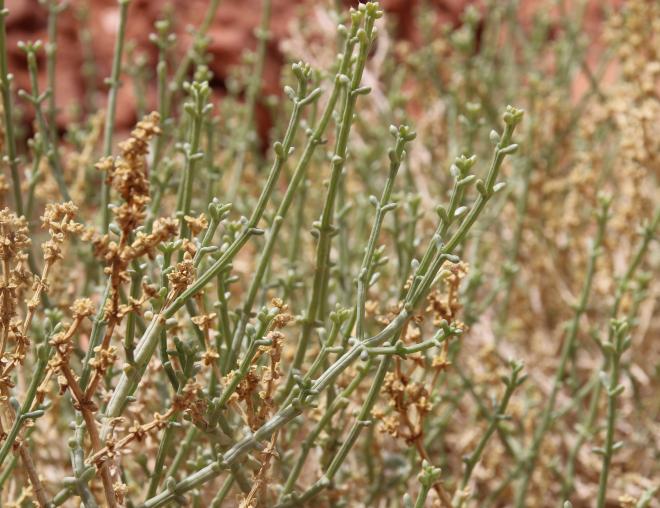
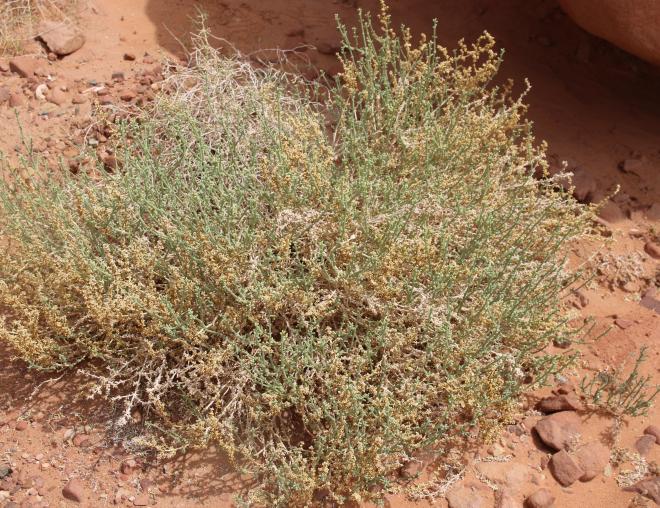
Small evergreen perennial shrublet, usually less than 40 cm, with rigid, much-branched stems, woody at the base. Leaves reduced to small scales, cylindrical, setiform, appressed and rounded at the tip. Stems green, succulent and photosynthetic with a line relining internodes. Flowers small, solitary in axils of bracts, inconspicuous; perianth segments 5, membranous. Fruit a small utricle, with wings formed by accrescent perianth segments.
- Growth Form
-
Description
-
Habitat and Distribution
- Habitat
-
Geographical Distribution Range
This Saharo-Arabian species is distributed from Soudan and Egypt to Afghanistan, Pakistan and India. Within the Arabian Peninsula, It is native to Jordan, Kuwait, Saudi Arabia, Qatar, the Gulf States and Oman.
-
Ecology
-
Phenology
JanFebMarAprMayJunJulAugSepOctNovDecFloweringFructification
- Origin
-
IUCN Red List Category
 Not Evaluated
- Remarks
-
Phenology
-
Uses and Values
-
Aromatic and Medicinal Use
Medicinal use
-
Description of Traditional Uses
Anabasis setifera is utilized as a medicinal herb, particularly in Iran, where it has been traditionally employed for treating conditions such as cardiovascular disease and kidney failure . Species within the Anabasis genus are also documented for various pharmacological applications, including as antirheumatics and diuretics.
-
Aromatic and Medicinal Use
Gallery