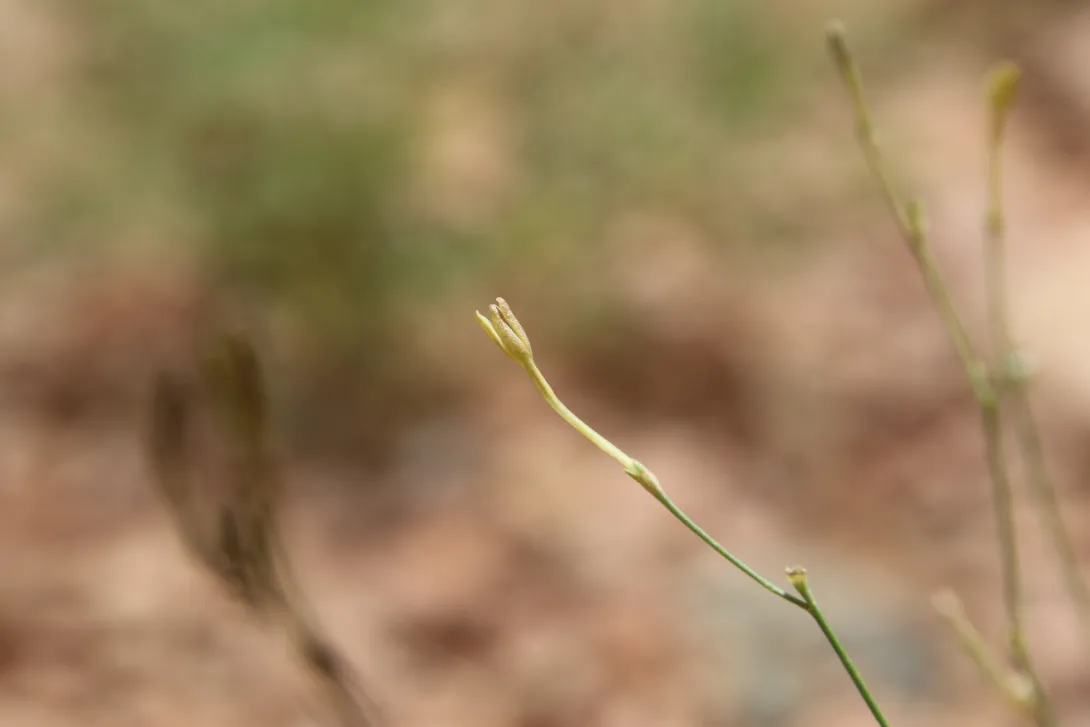
Kohautia caespitosa Schnizl.
-
Syn. Hedyotis schimperi Presl (1844)
Rubiaceae
1 / 7
-
Morphological Description
-
Description
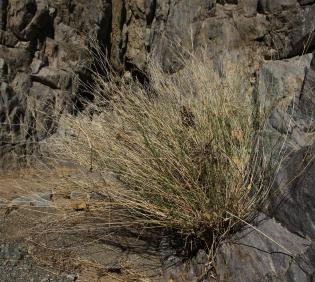
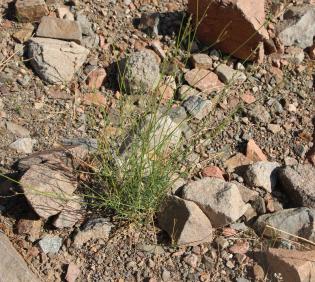
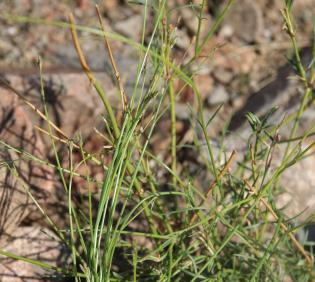
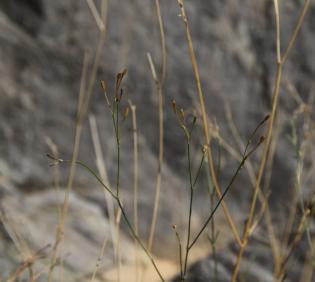
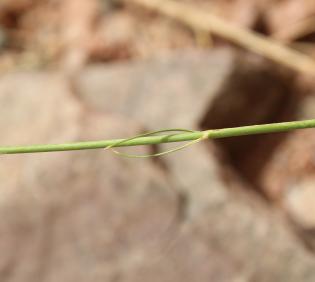
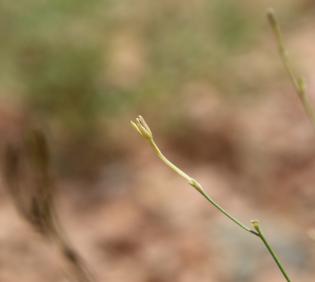
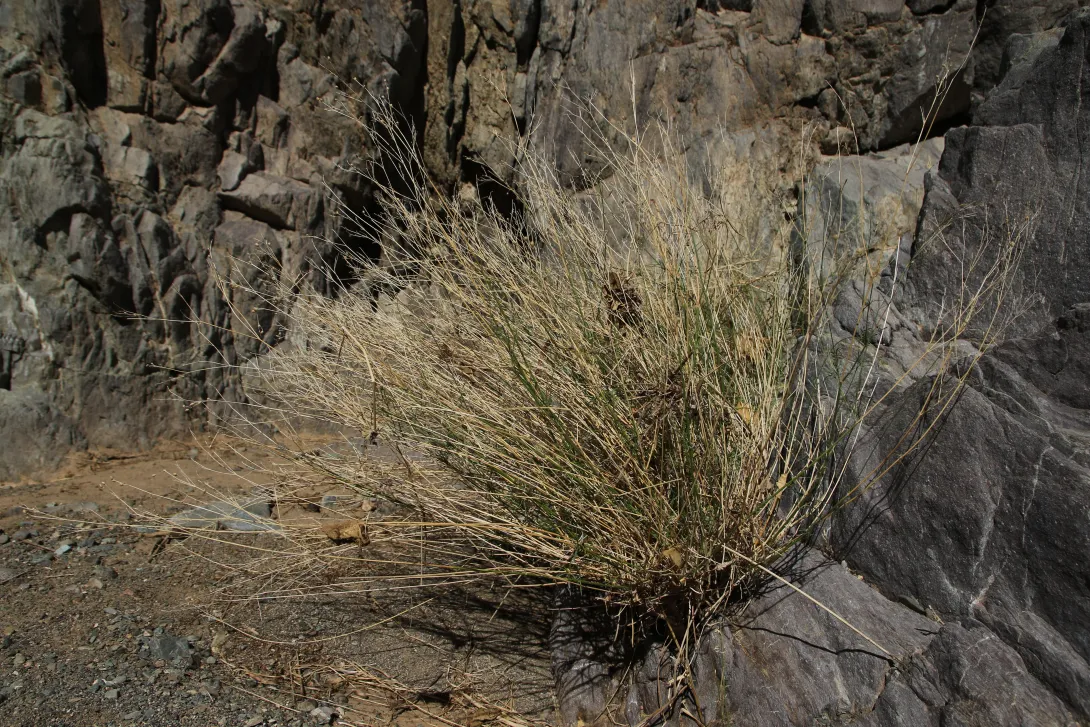
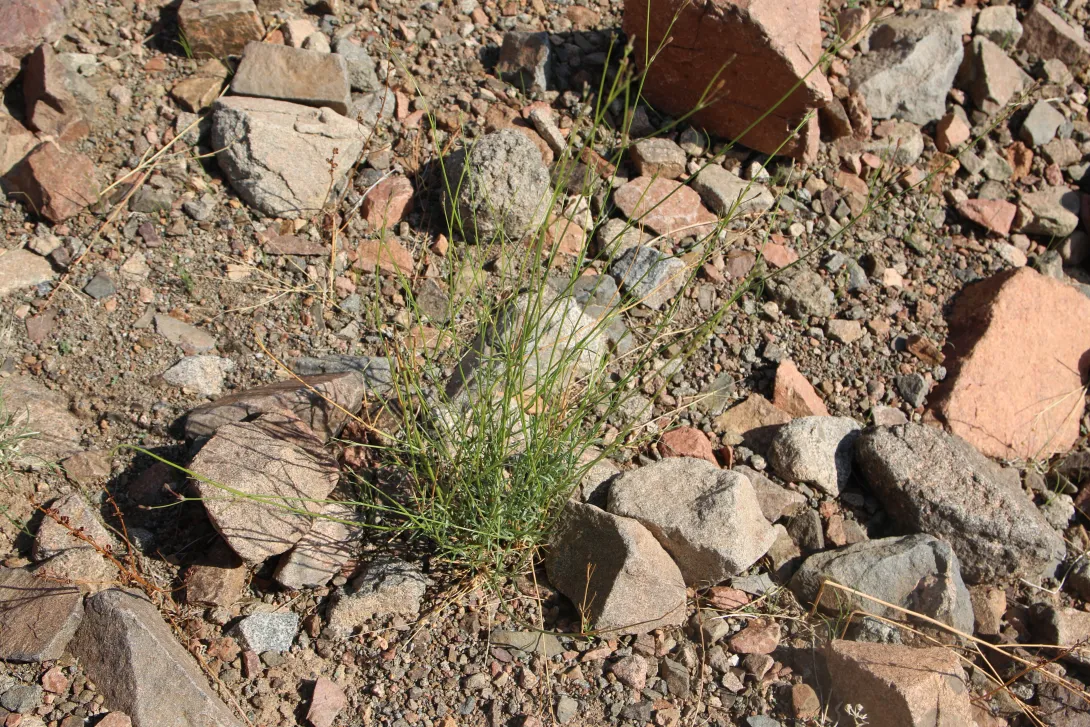
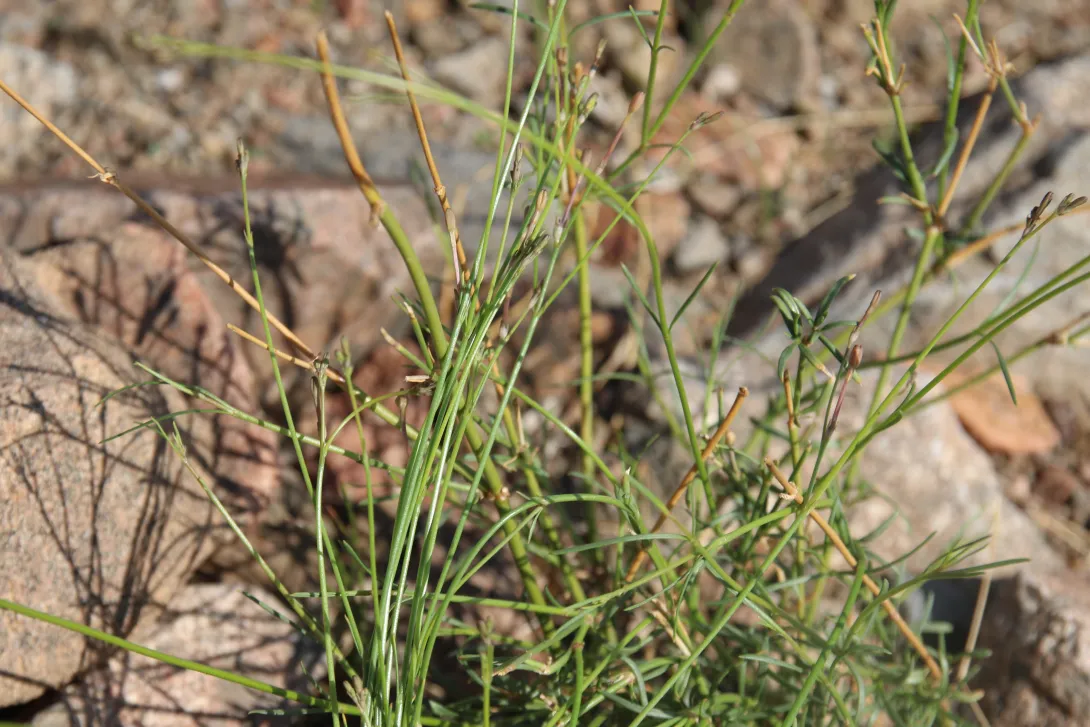
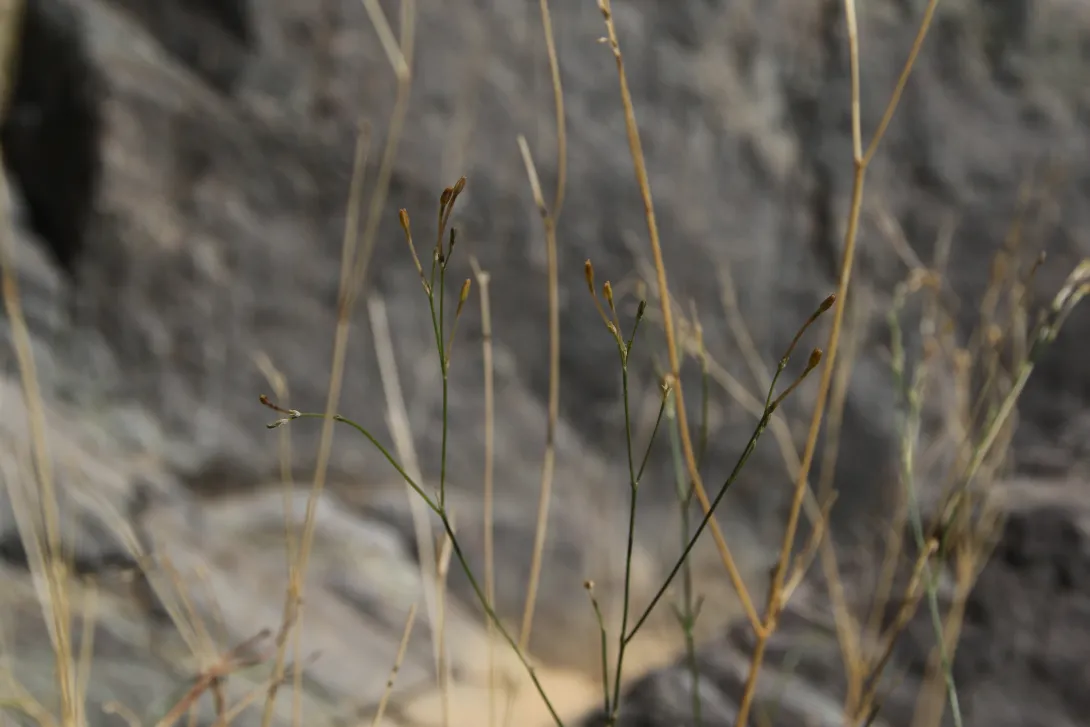
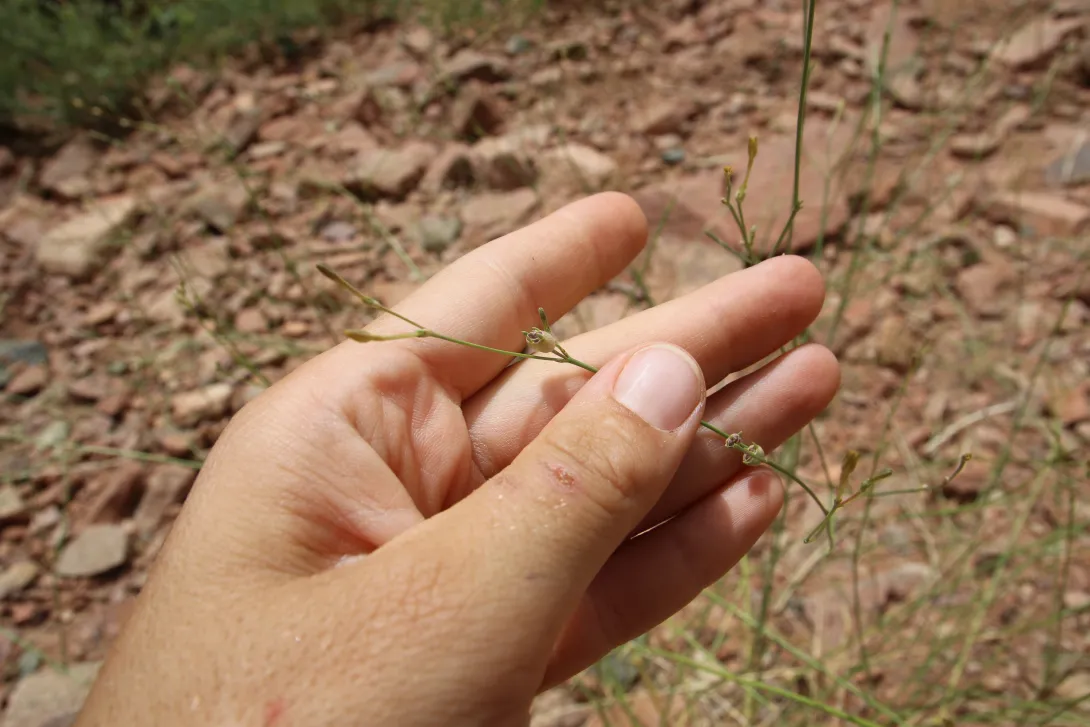
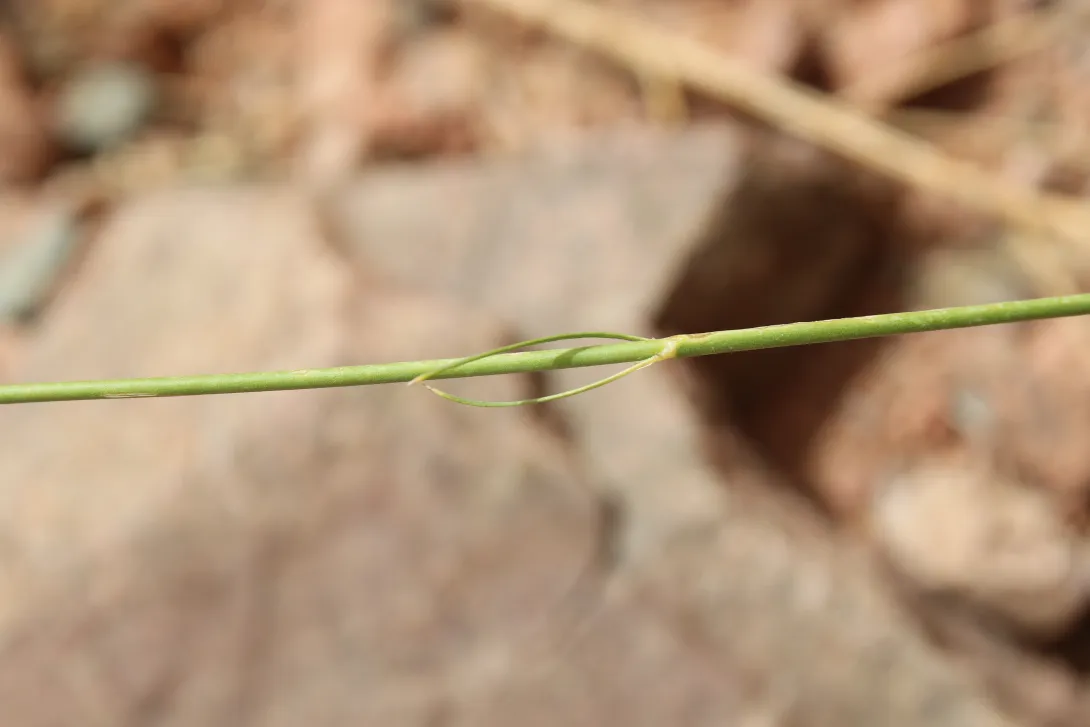
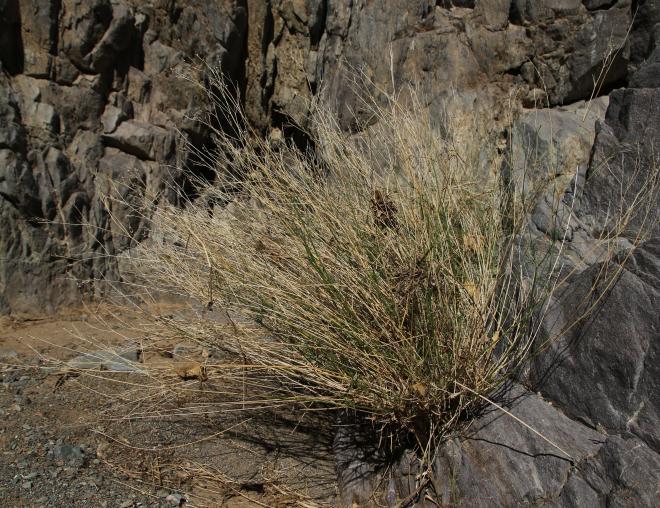
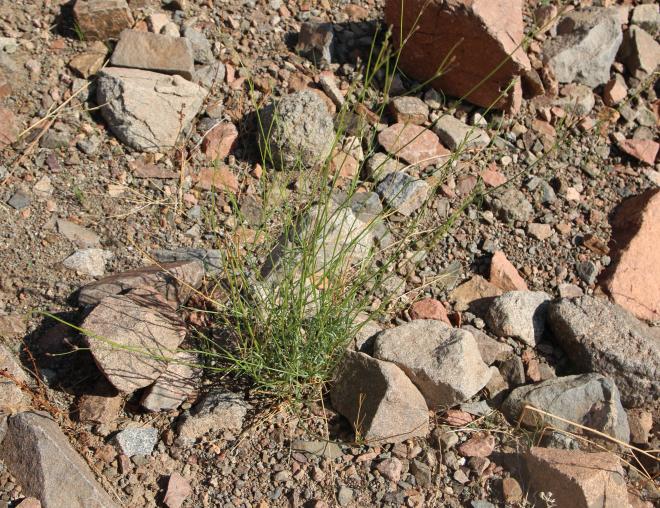
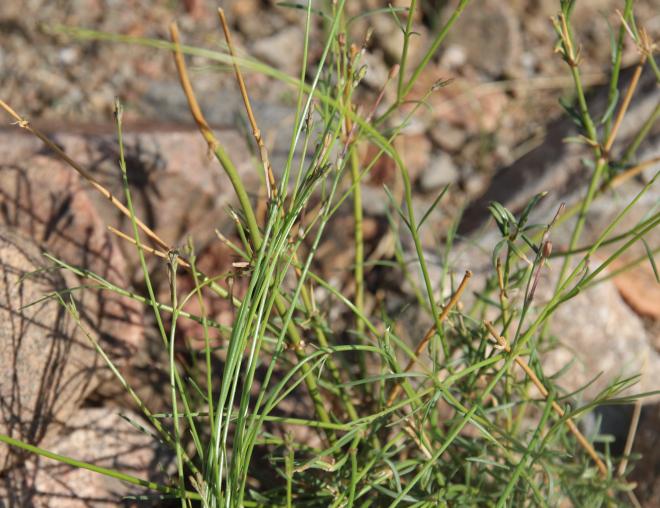
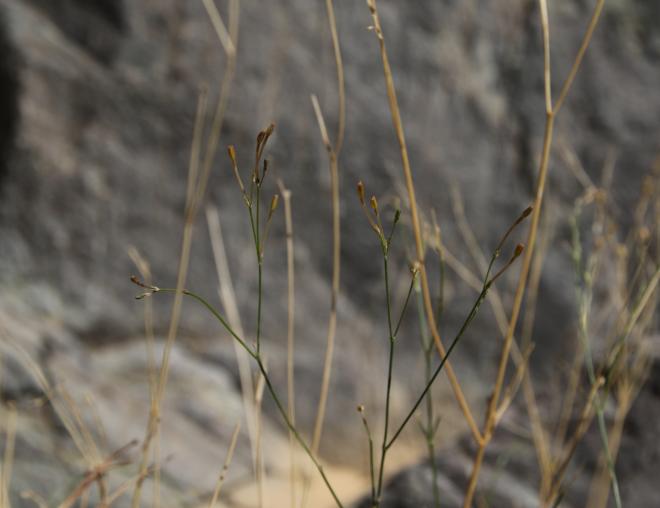
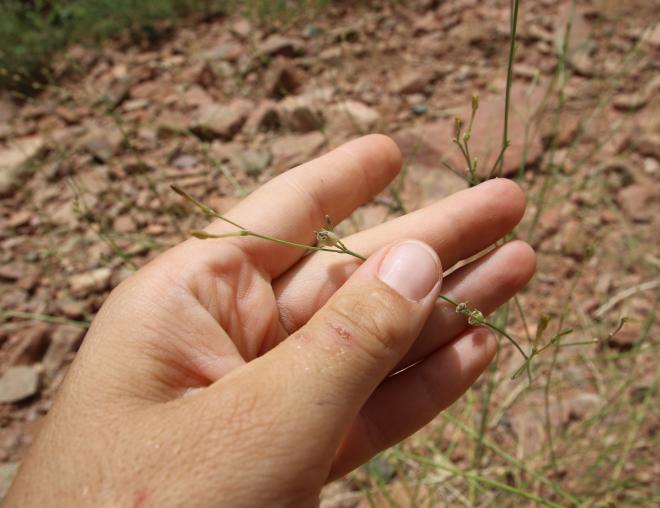
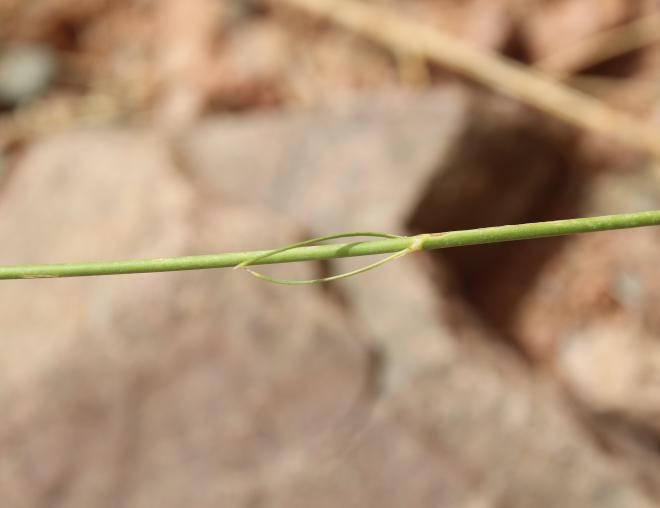
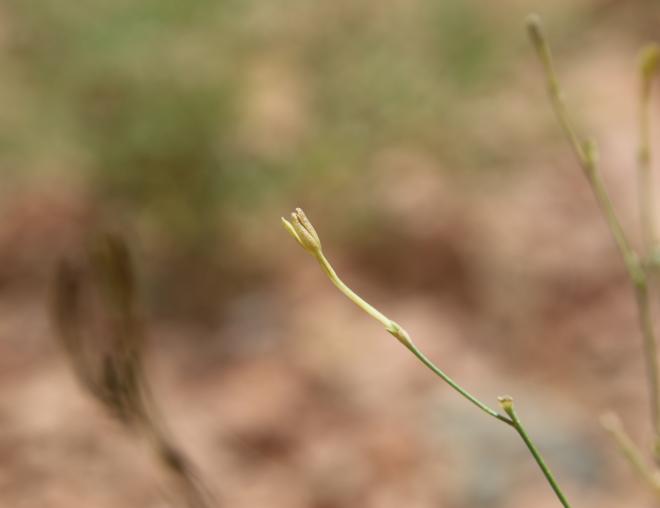
Annual or perennial herb, or sometimes a herbaceous subshrub, up to 60 cm in height. Branches are thin and long, glabrous to scabri-pubescent, ascending from a woody base and almost parallel. Leaves are linear-lanceolate, acute, glabrescent to densely scabridulous-pubescent, 5-80 mm long and 2-3 mm wide. Inflorescence is lax, di- to trichotomous, composed of flowers at the nodes or terminating the branches. Flowers are solitary, sessile or apparently pedicellate, pale creamy to livid. Calyx is very small, forming an ovoid tube about 1 mm long, with lobes 0.5-2 mm long. Corolla forms a narrow, trumpet-shaped tube up to 15 mm long, with a limb bearing linear lobes. Fruits are ovoid to subglobose capsules, 3.5 × 3 mm, with very small (<1 mm) wart-like outgrowths.
- Growth Form
-
Description
-
Habitat and Distribution
- Habitat
-
Geographical Distribution Range
This Sudanian species is distributed from South Africa to Sinai and Saudi Arabia. For the Arabian Peninsula, it is native to Kuwait, Qatar, Gulf states, Oman, Yemen and Saudi Arabia.
-
Ecology
-
Phenology
JanFebMarAprMayJunJulAugSepOctNovDecFloweringFructification
- Origin
-
IUCN Red List Category
 Not Evaluated
-
Phenology
-
Uses and Values
-
Description of Traditional Uses
No specific documented uses were identified in accessible literature.
-
Description of Traditional Uses
Gallery