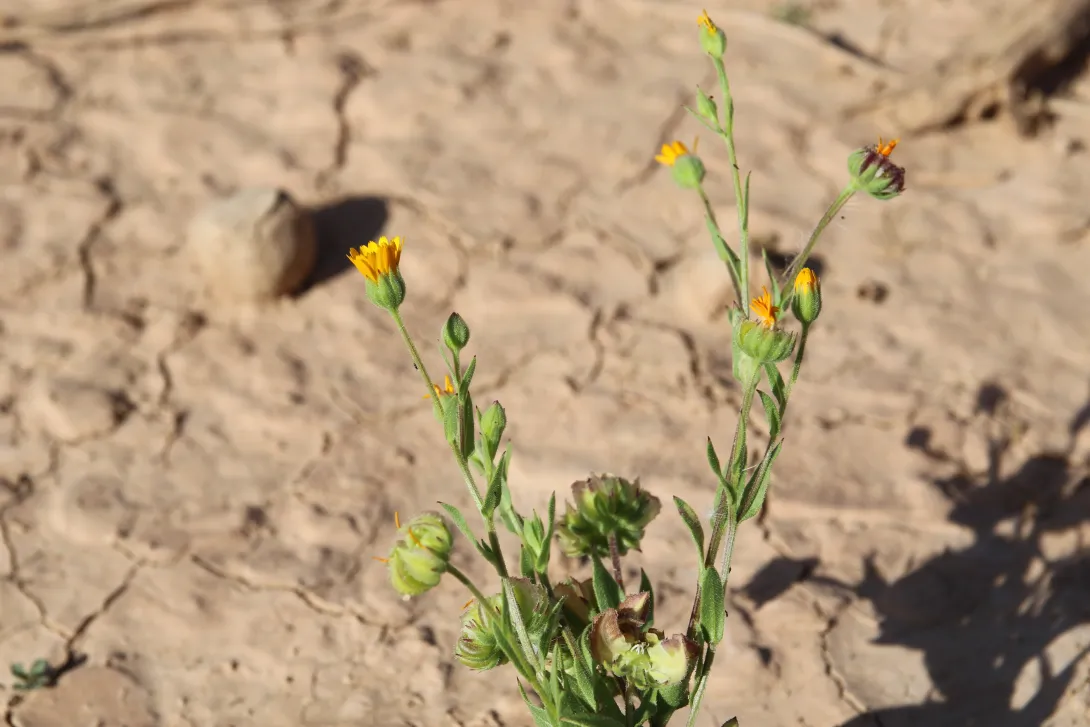
Calendula tripterocarpa Rupr.
حنوة
Syn. Calendula aegyptiaca subsp. tripterocarpa (Rupr.) Lanza
Three-winged Marigold
Asteraceae
1 / 5
-
Morphological Description
-
Description
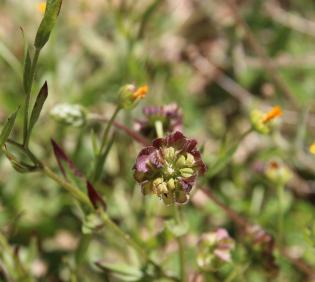
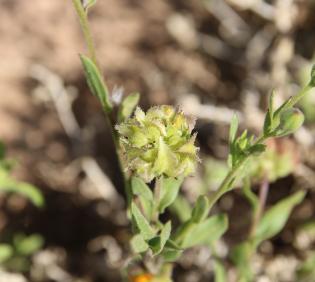
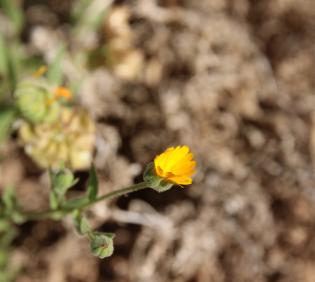
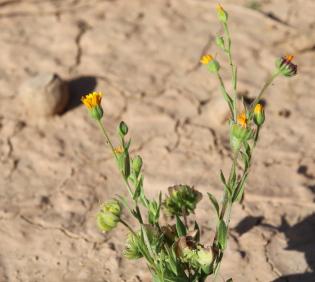
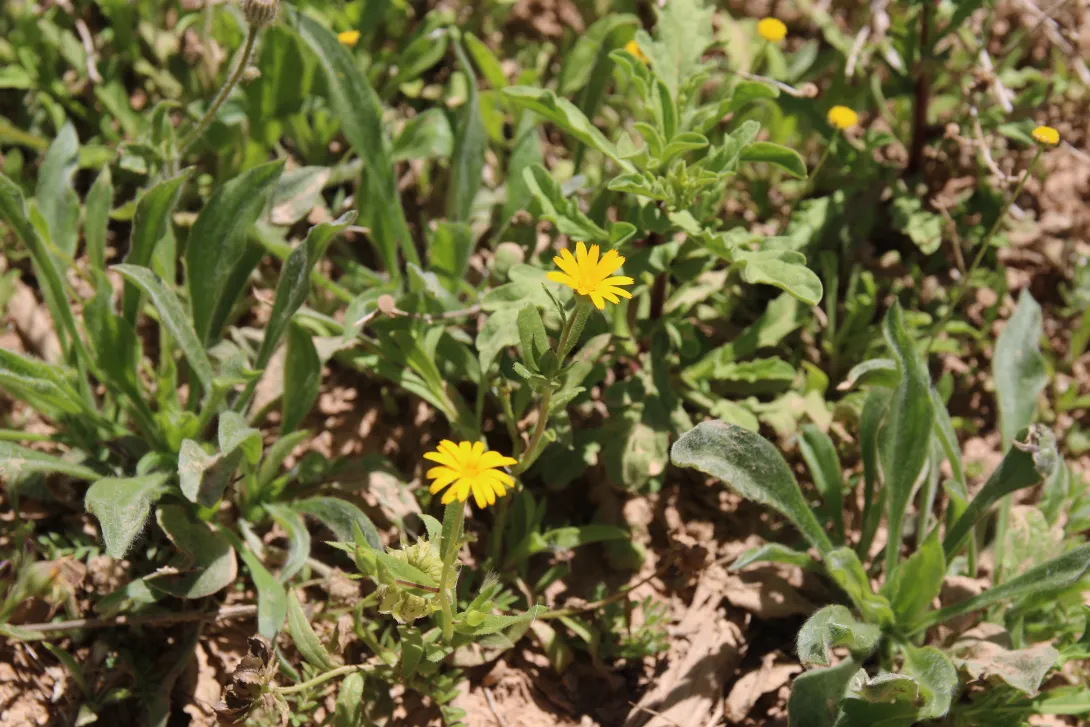
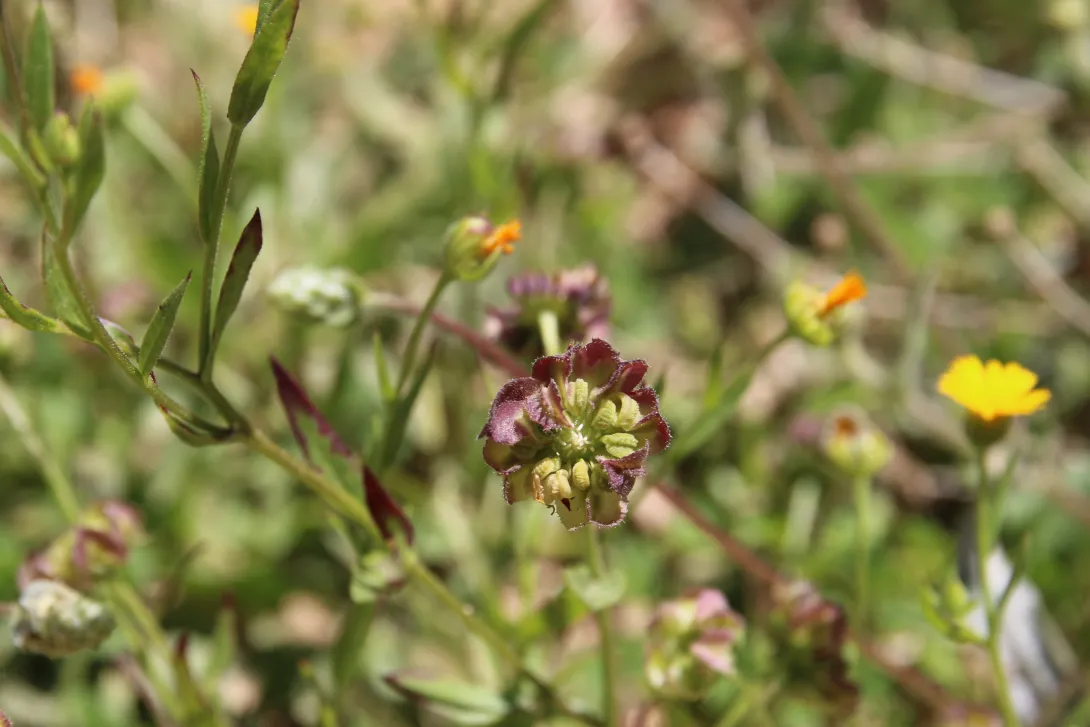
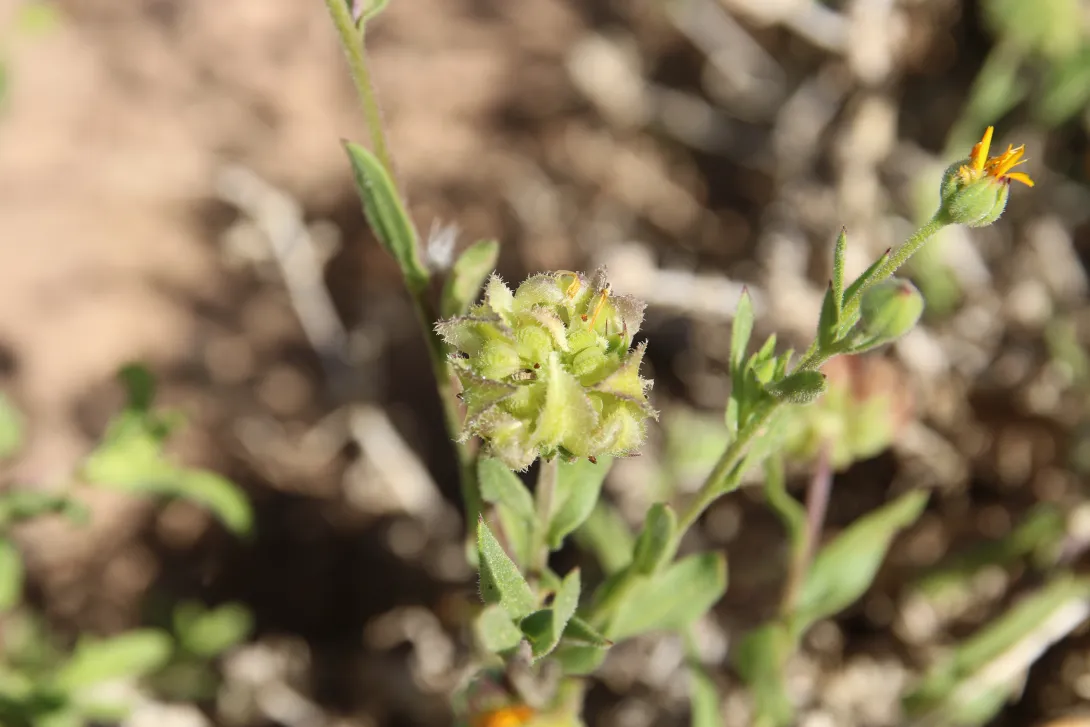
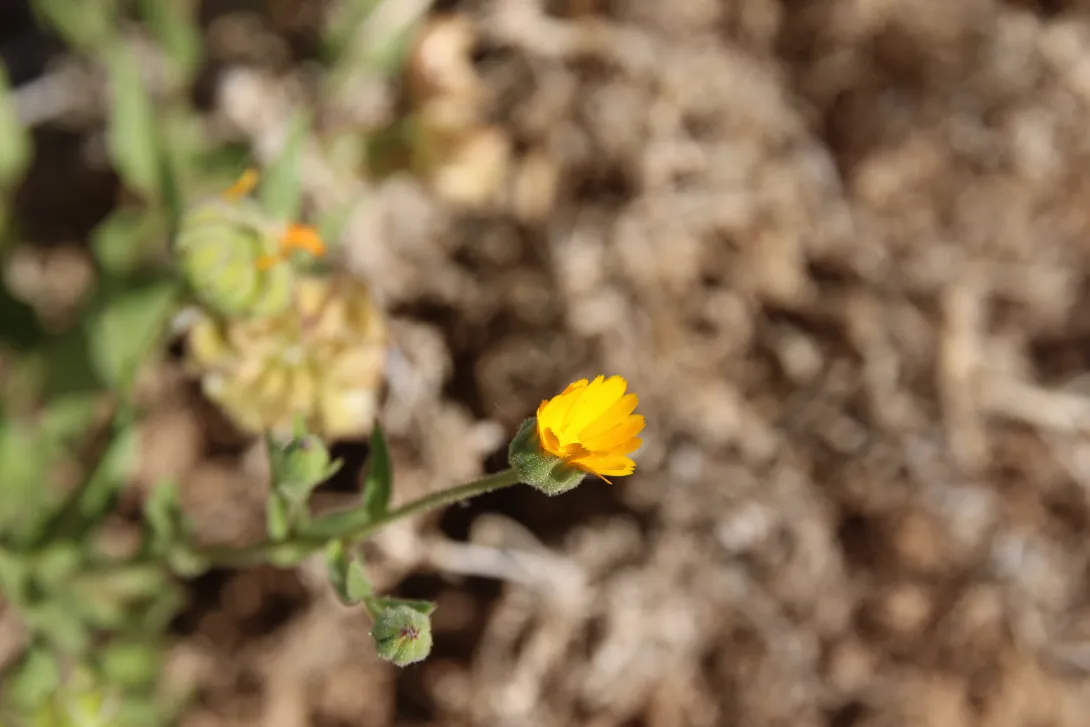
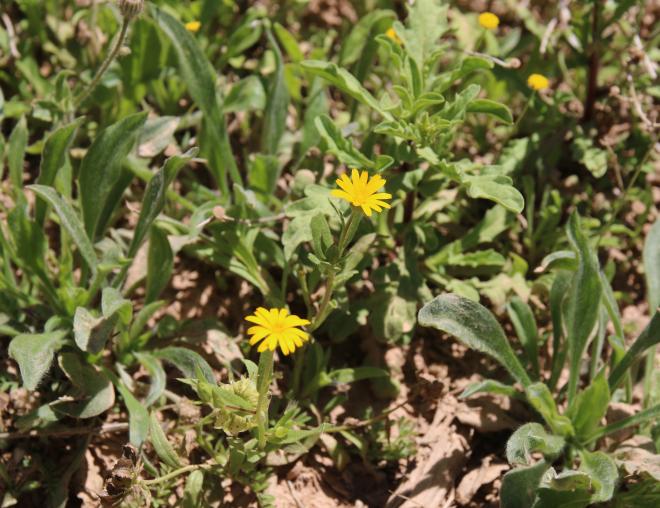
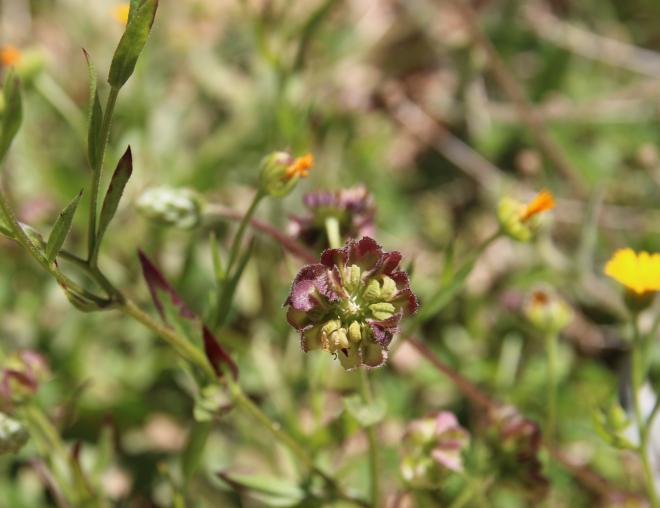
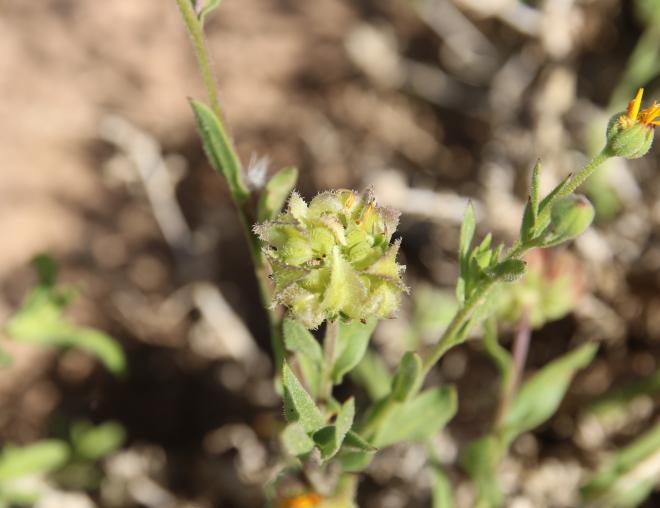
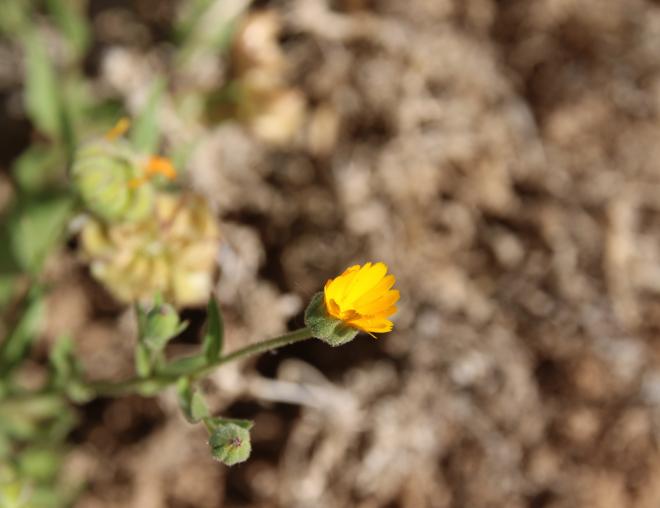
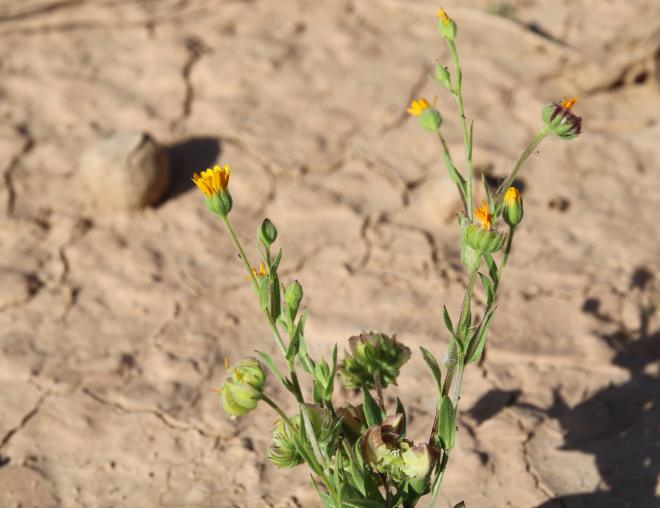
Annual herb, 10–30 cm, with branched, hairy stems. Leaves oblong to lanceolate, alternate, entire to slightly toothed, pubescent. Capitula solitary, terminal, with yellow ray and disc florets. Involucre bracts hairy. Fruits dimorphic: outer achenes winged or 3-winged (tripterous), inner curved or annular, a distinctive character of the species.
- Growth Form
-
Description
-
Habitat and Distribution
- Habitat
-
Geographical Distribution Range
This Saharo-Arabian species is distributed in the Middle East and in South Europe from Morroco to Iran and Spain. Within the Arabian Peninsula, it is native to Jordan, Saudi Arabia and Gulf States.
-
Ecology
-
Phenology
JanFebMarAprMayJunJulAugSepOctNovDecFloweringFructification
- Origin
-
IUCN Red List Category
 Not Evaluated
-
Phenology
-
Uses and Values
-
Aromatic and Medicinal Use
Medicinal use
-
Description of Traditional Uses
Calendula tripterocarpa has been documented in traditional folk medicine, particularly within Saudi Arabia, for its application in treating minor skin ailments. Traditional practices involve using the plant to soothe and support the healing of minor cuts, burns, and general skin irritation
-
Aromatic and Medicinal Use
Gallery