Cakile arabica Velen.
الإسليح
Syn. -
Arabian Cakile
Brassicaceae
1 / 6


-
Morphological Description
-
Description
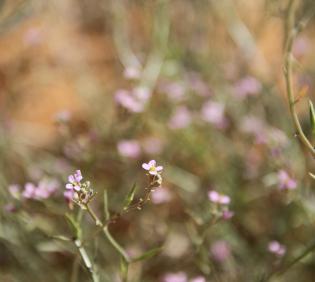
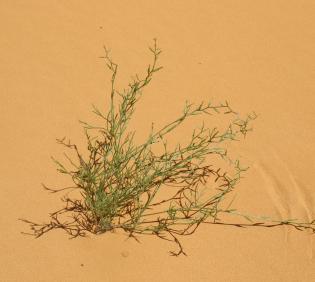
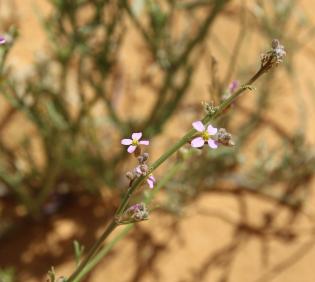
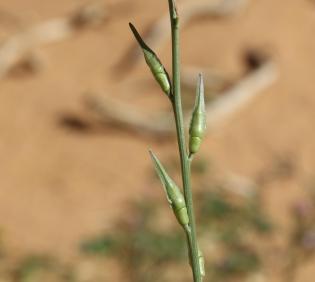
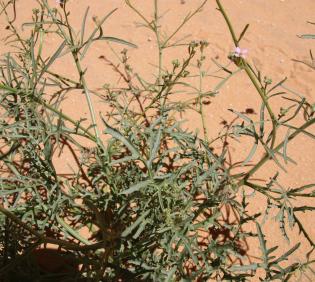
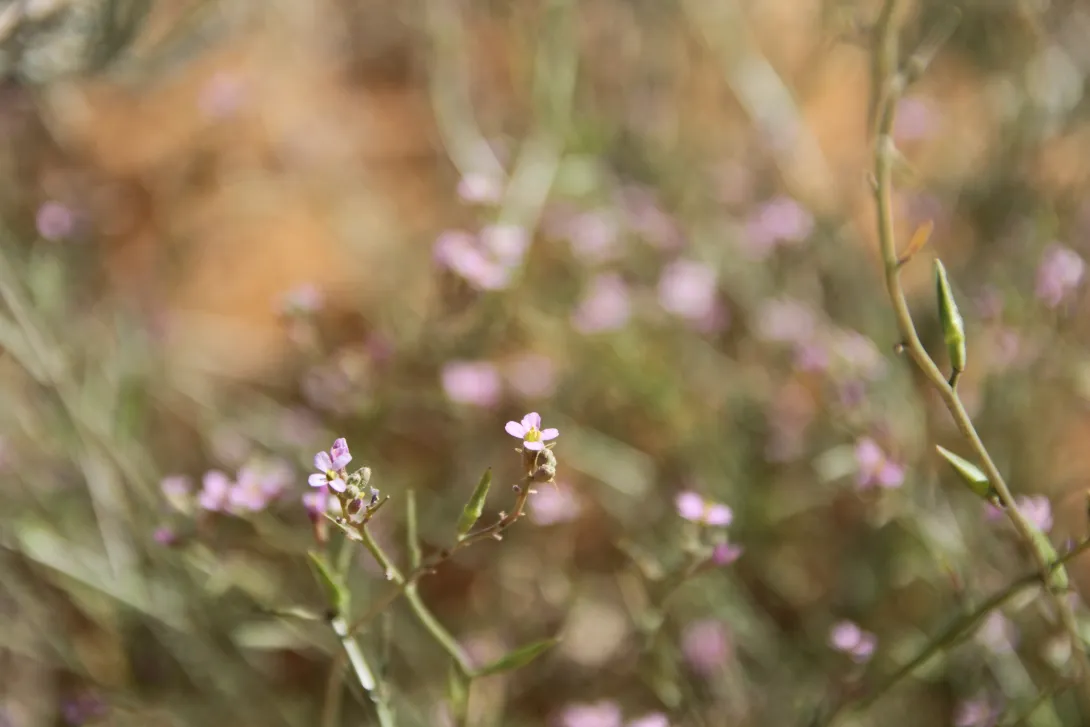
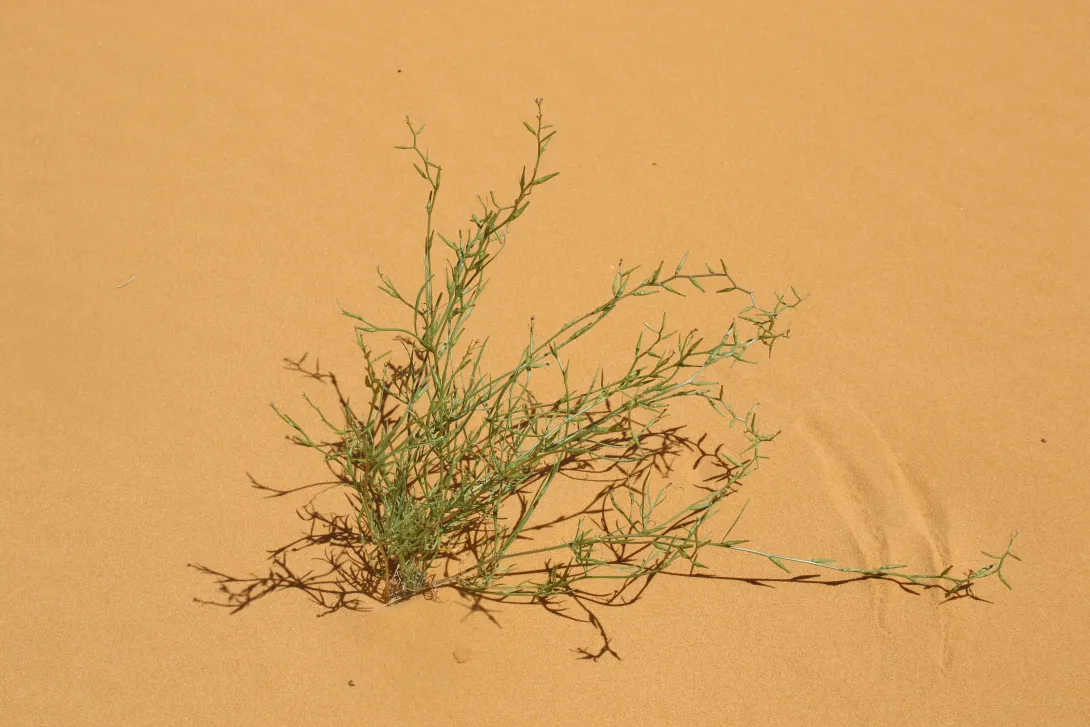
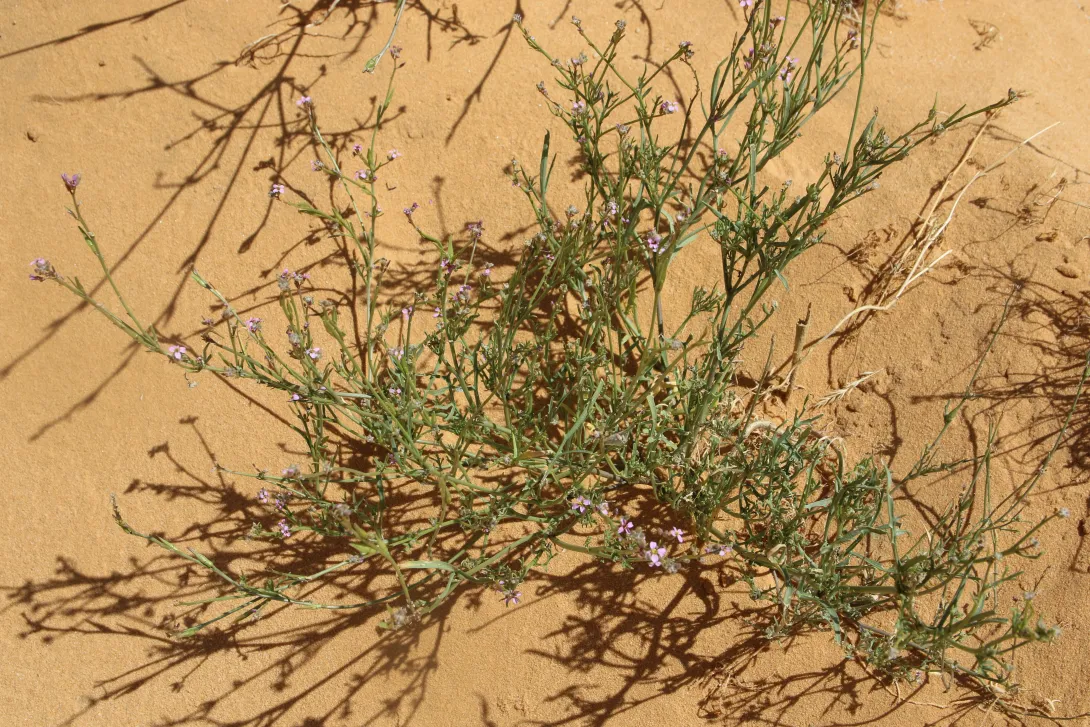
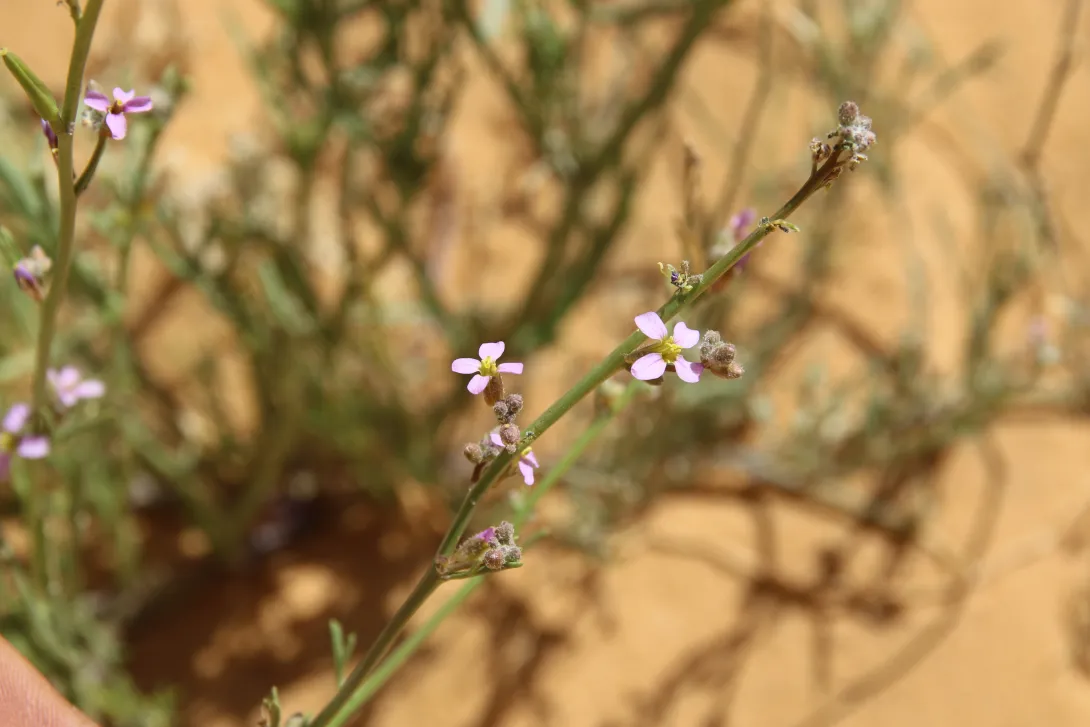
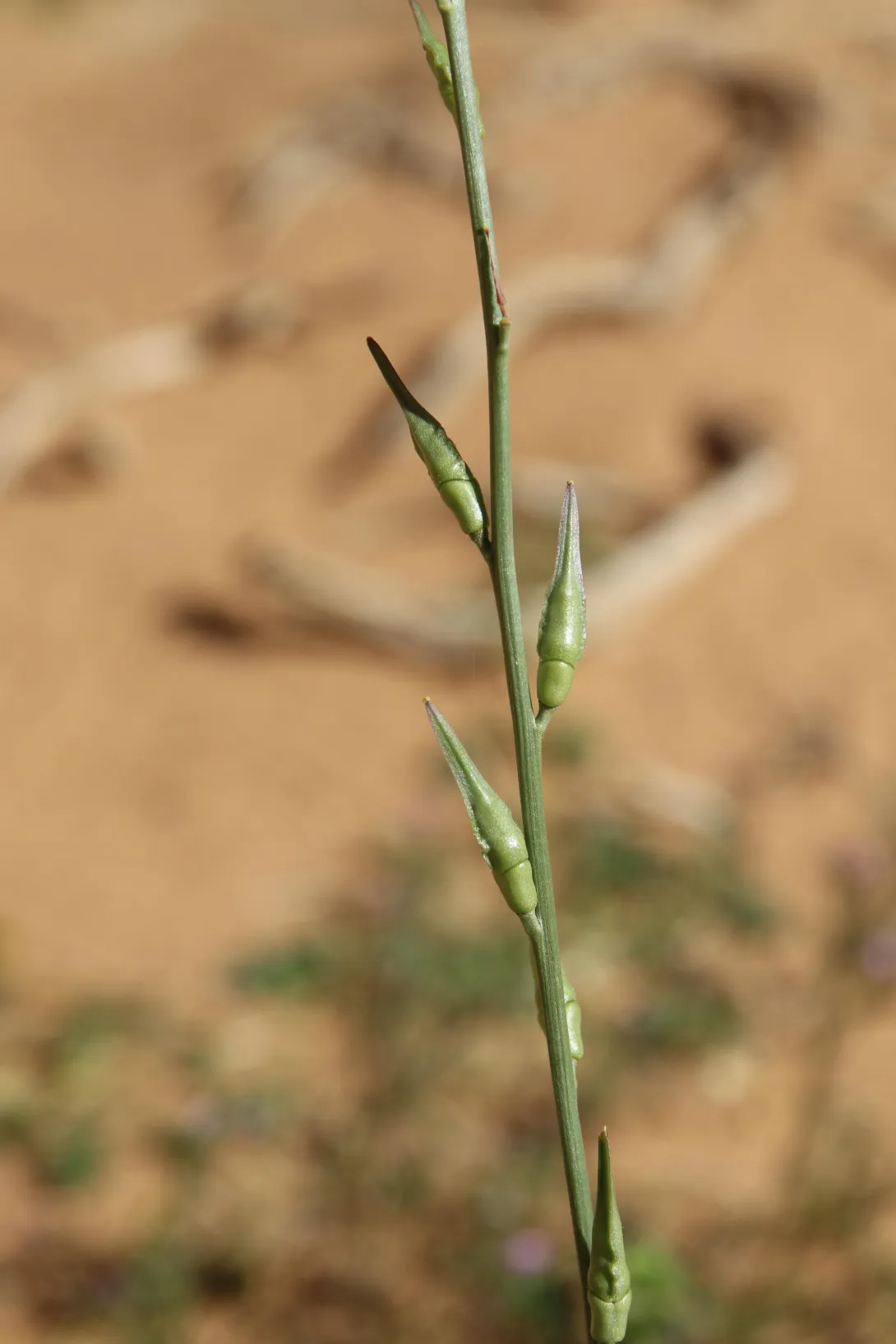
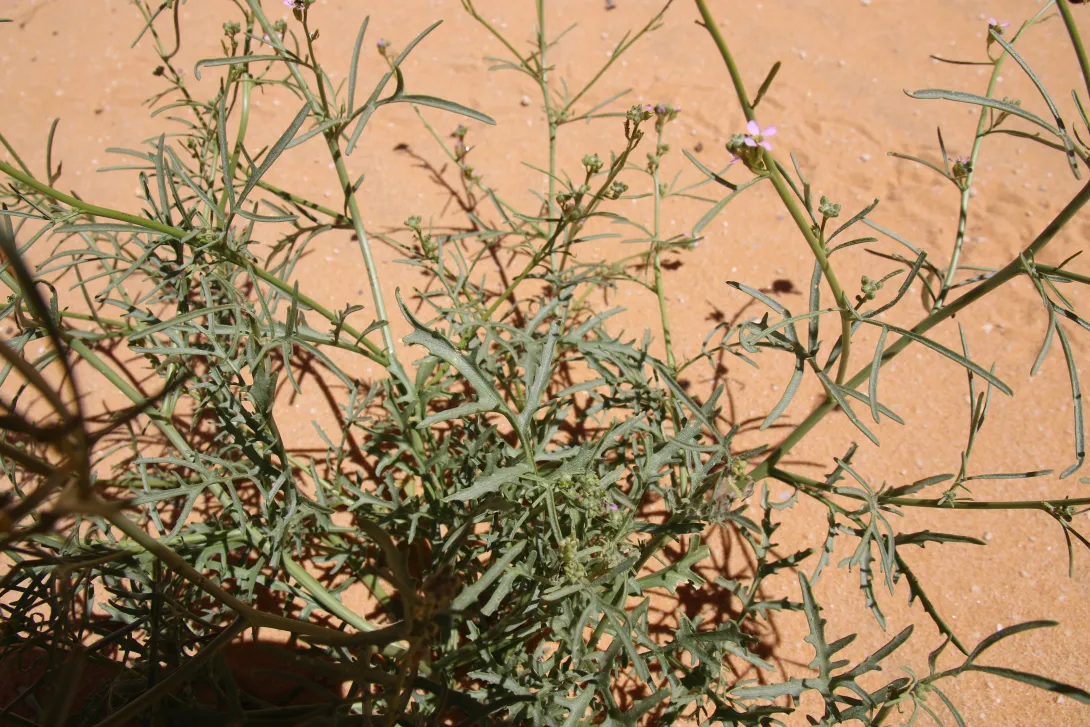
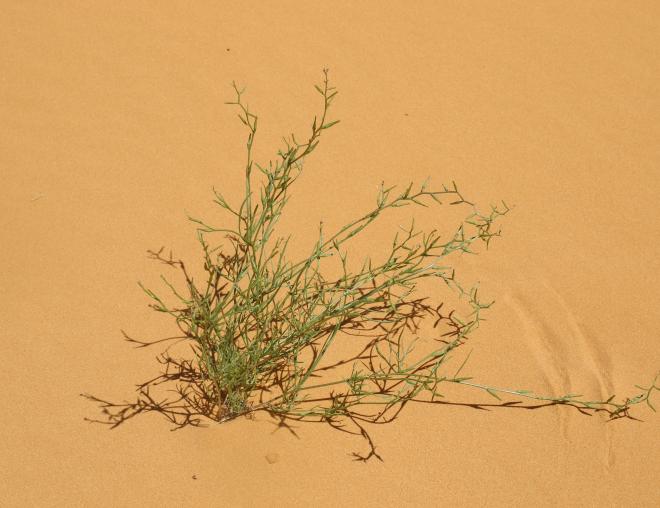
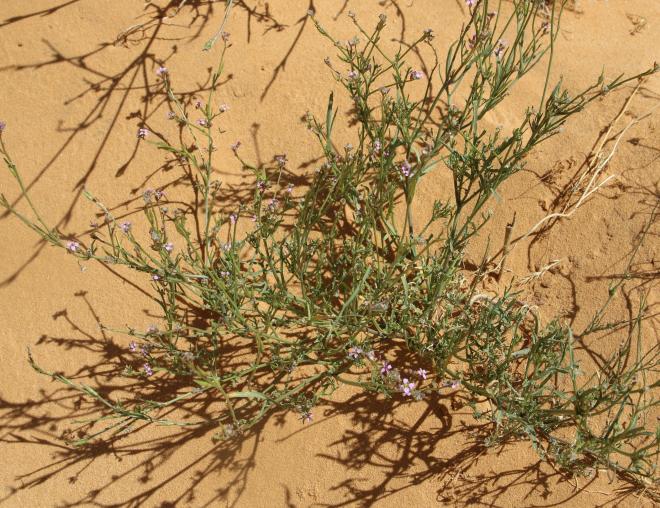
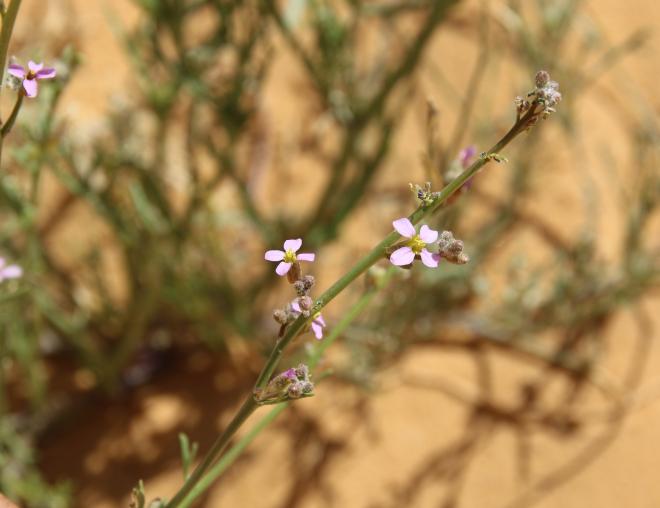
Succulent annual, 20–40 cm, erect or spreading, glabrous and fleshy. Leaves alternate, irregularly lobed or pinnatifid, bluish-green. Flowers typical of Brassicaceae, pale lilac to whitish, 4-petaled, 5–8 mm. Fruits 2-segmented siliques: lower part indehiscent, upper part breaking off for dispersal, aiding colonization of sandy coasts.
- Growth Form
-
Description
-
Habitat and Distribution
- Habitat
-
Geographical Distribution Range
This Saharo-Arabian species is distributed in the Middle East from Jordan to Iran. Within the Arabian Peninsula, it is native to Jordan, Saudi Arabia, Kuwait and Gulf States.
-
Ecology
-
Phenology
JanFebMarAprMayJunJulAugSepOctNovDecFloweringFructification
- Origin
-
IUCN Red List Category
 Not Evaluated
-
Remarks
Cakile is a genus of annual, succulent halophytes in the Brassicaceae family, commonly found along sandy coastlines worldwide. Of its seven known species, only Cakile arabica has been documented in Saudi Arabia.
-
Phenology
-
Uses and Values
-
Aromatic and Medicinal Use
Medicinal use
-
Description of Traditional Uses
Cakile arabica is documented in Bedouin ethnobotanical records as a traditional medicinal plant, specifically utilized for the treatment of snakebites.
-
Aromatic and Medicinal Use
Gallery