Tephrosia purpurea subsp. apollinea (Delile) Hosni & El Karemy
حويرة
Syn. Cracca purpurea L. (1753)
Purple tephrosia
Fabaceae
1 / 10

-
Morphological Description
-
Description
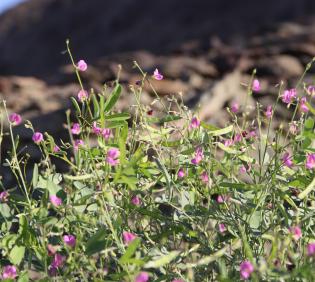
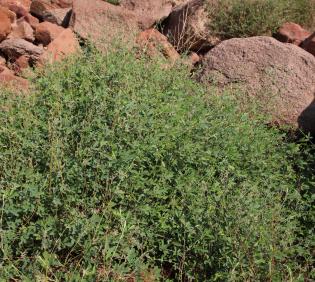
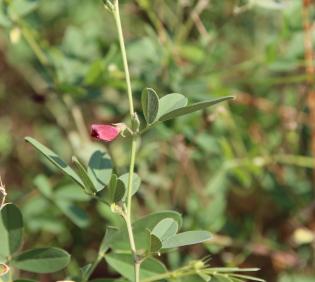
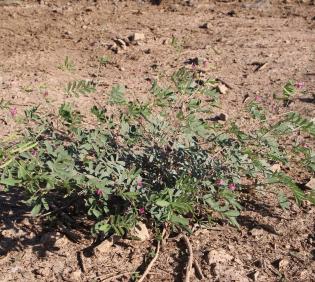
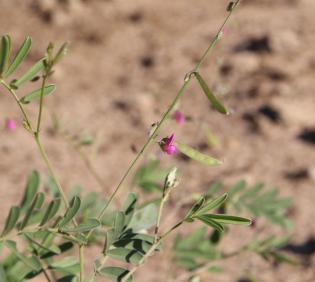
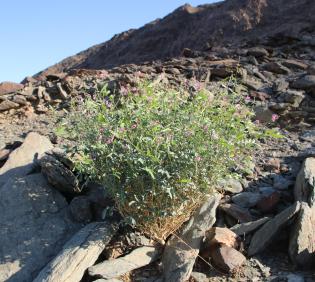
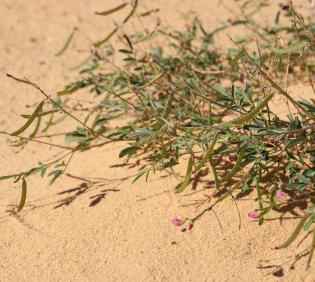
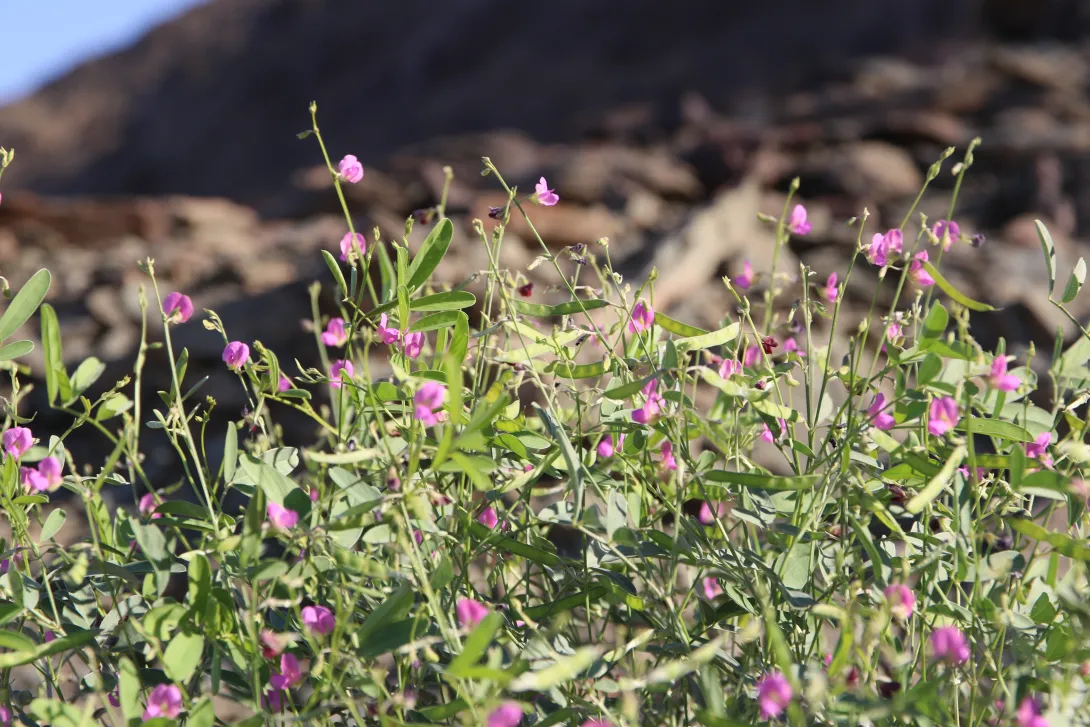
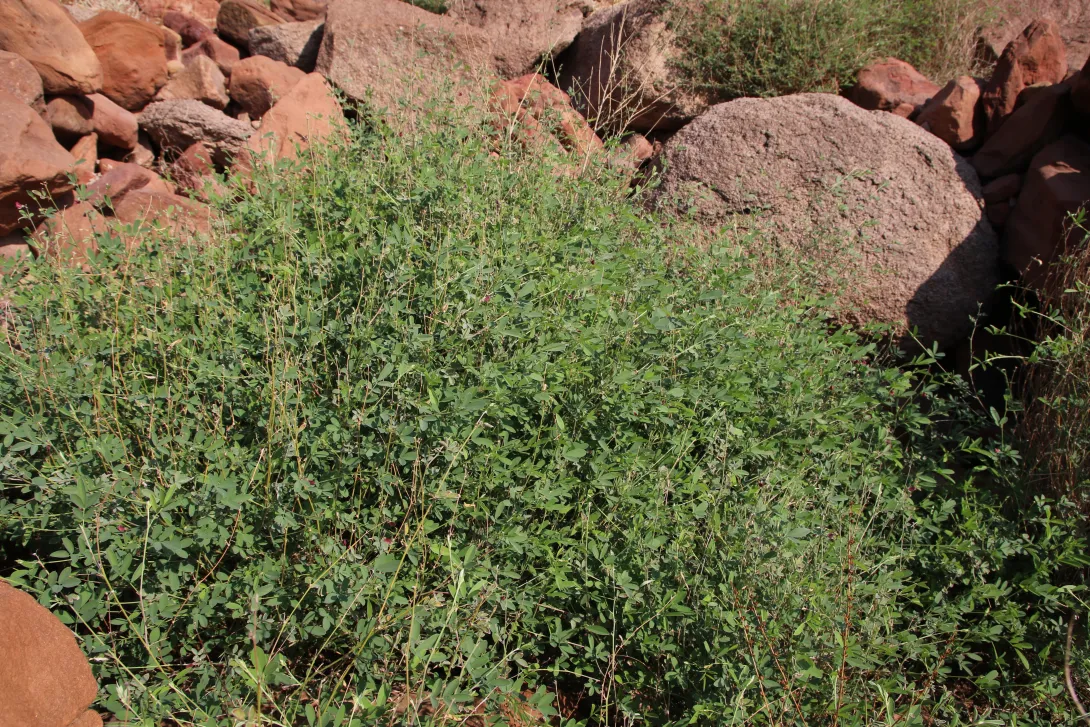
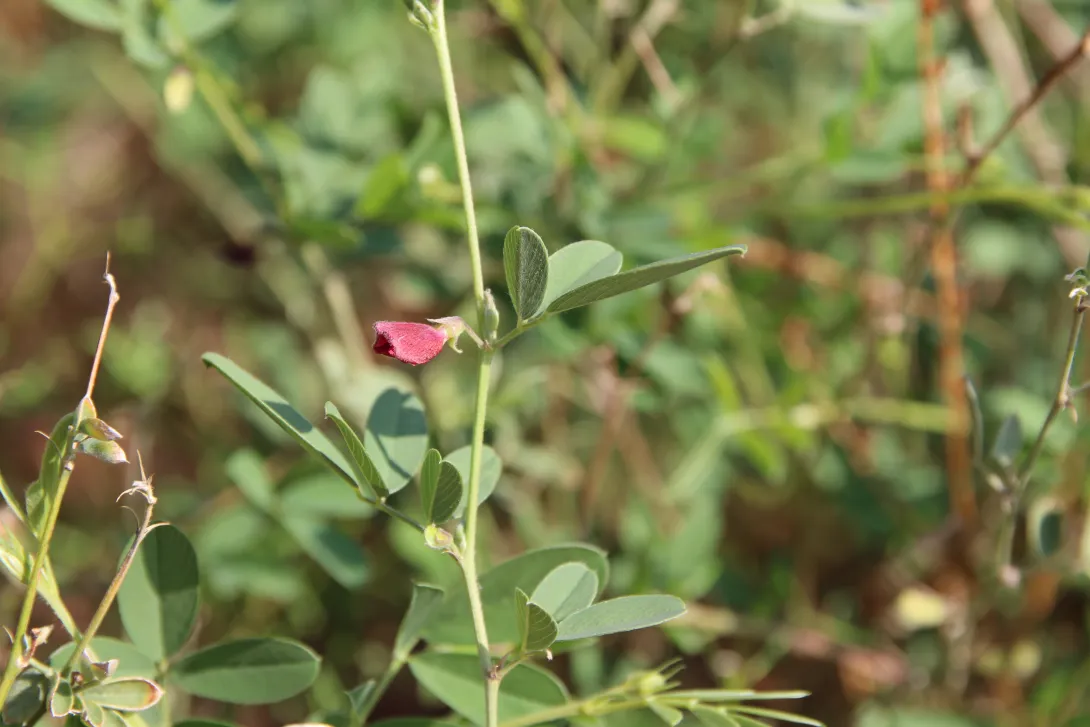
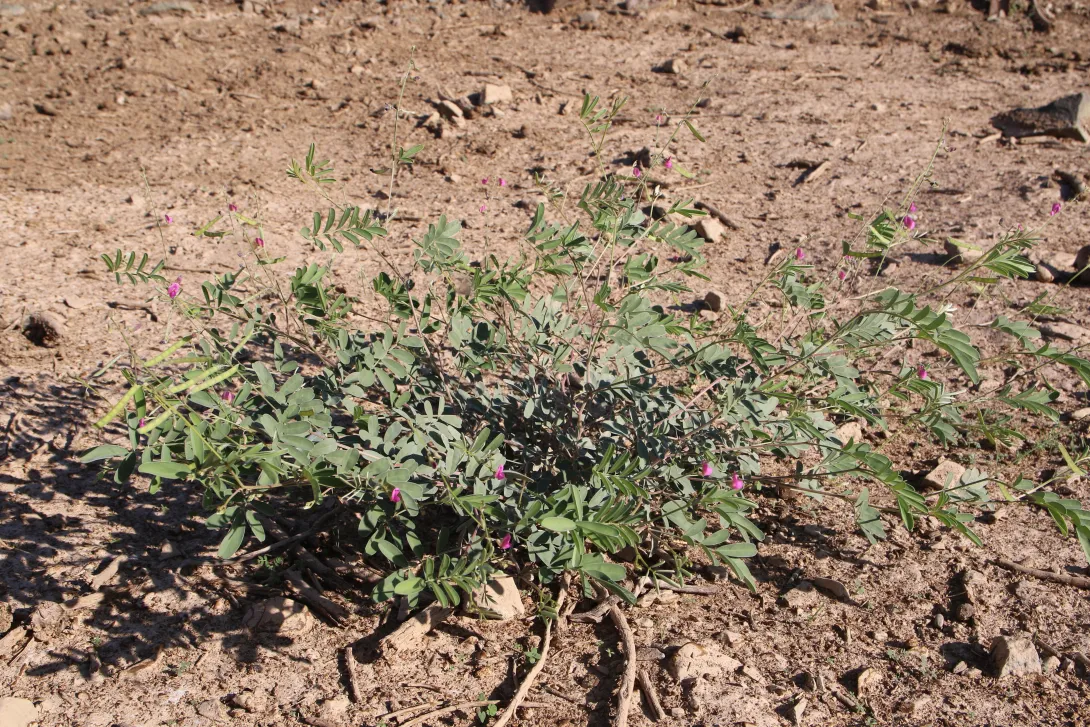
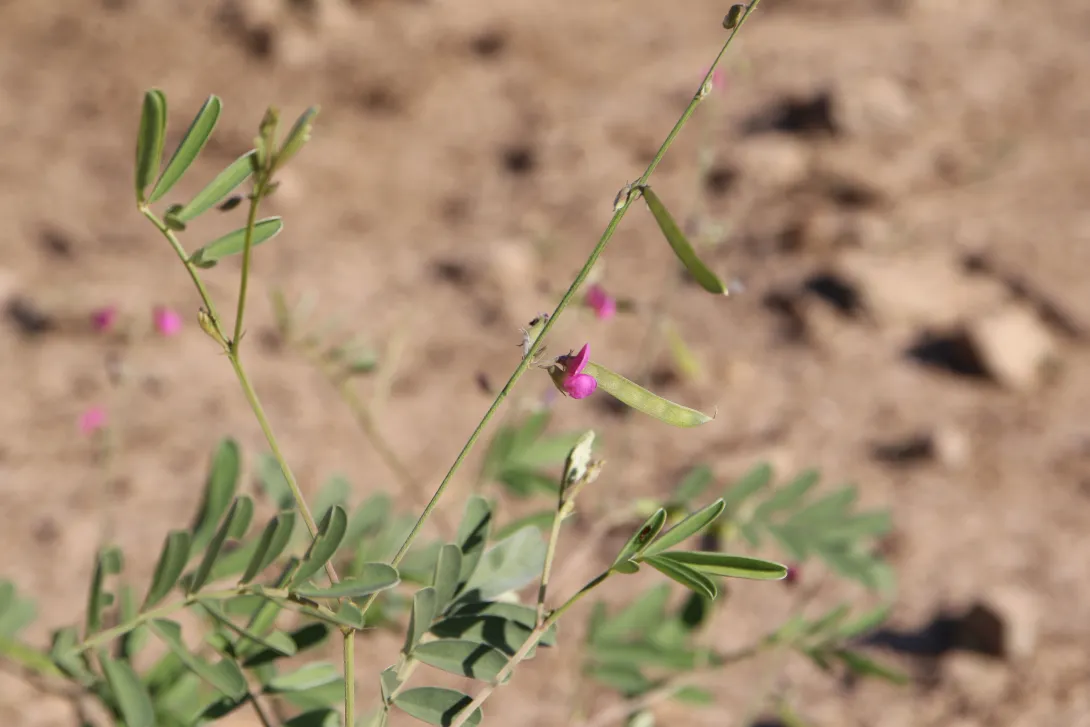
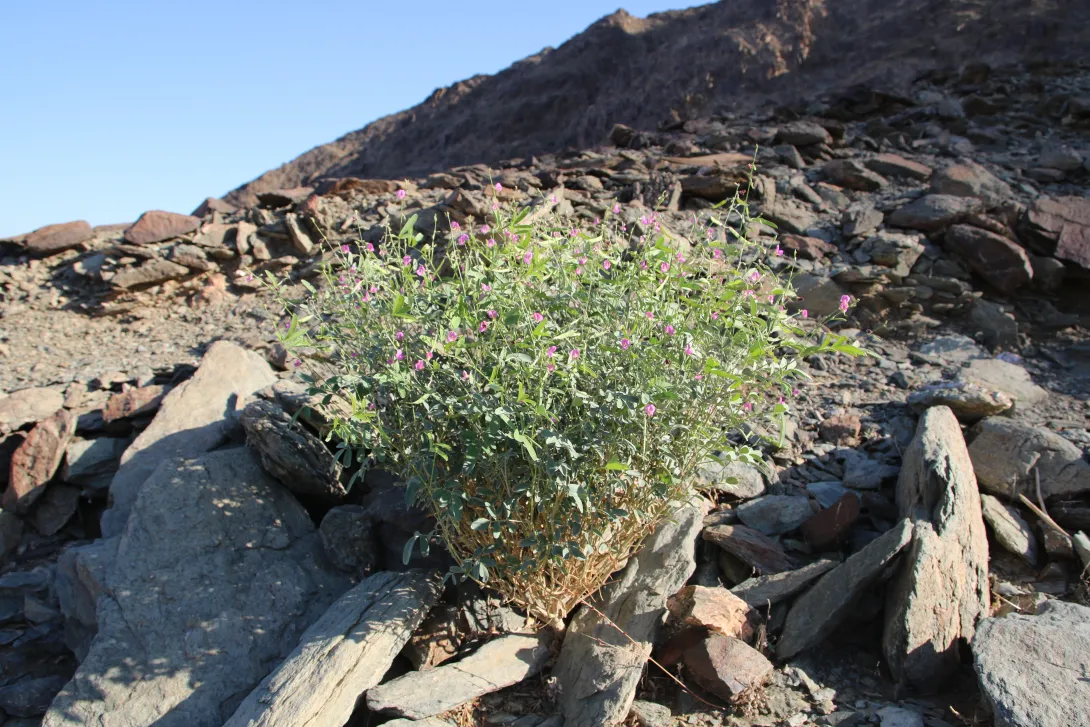
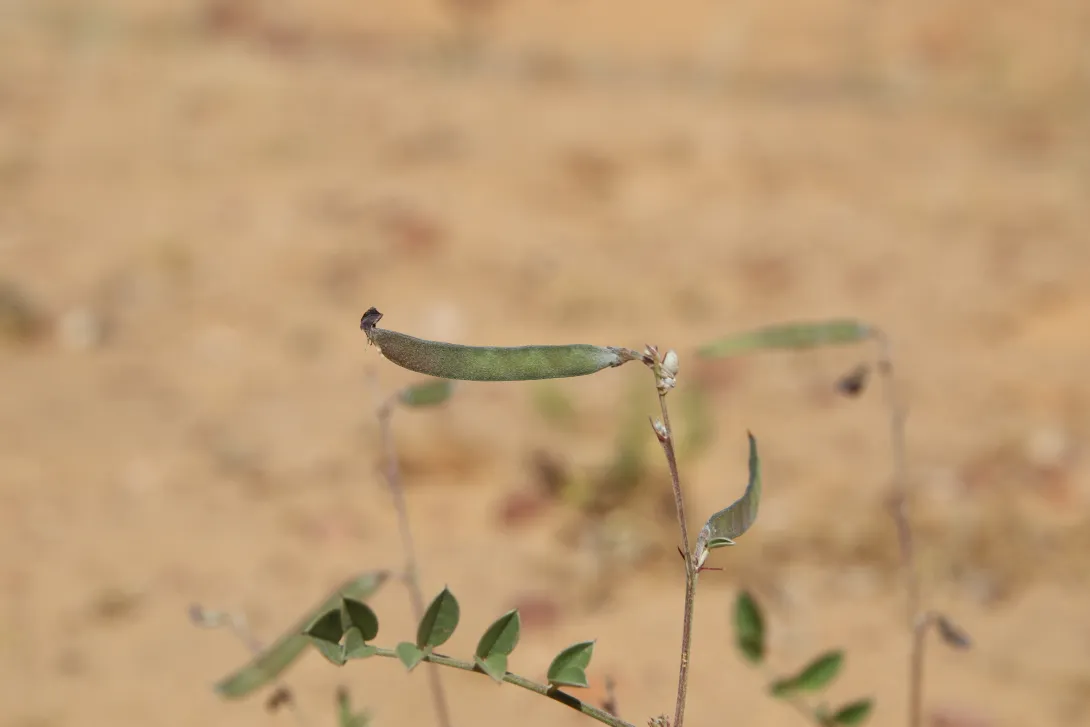
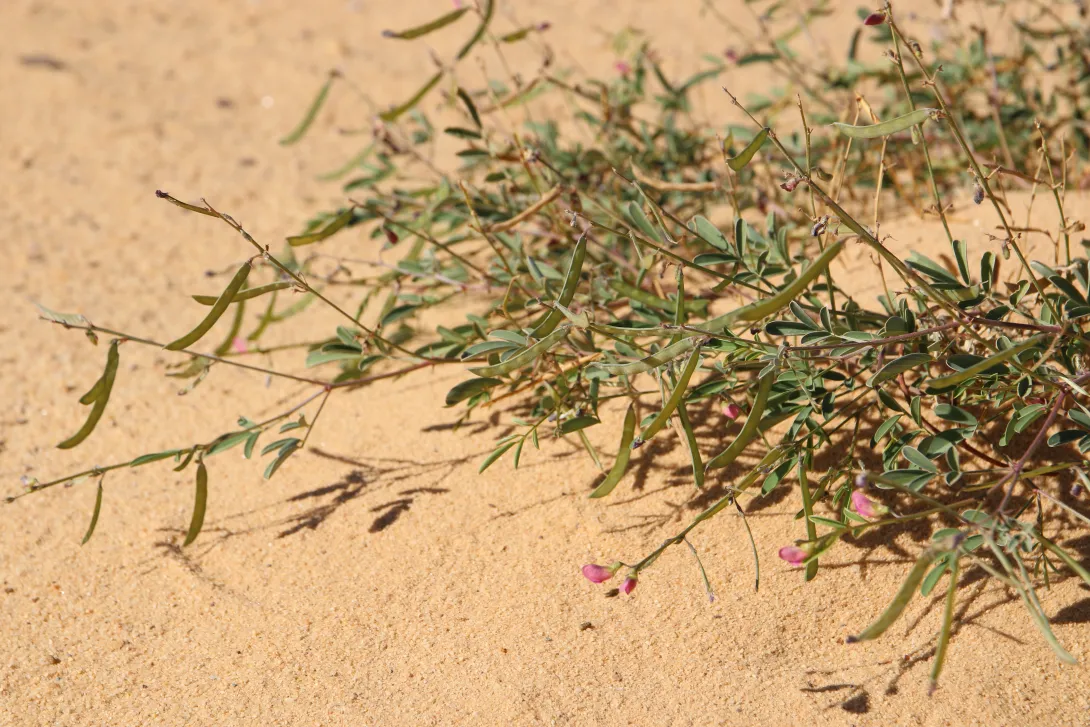
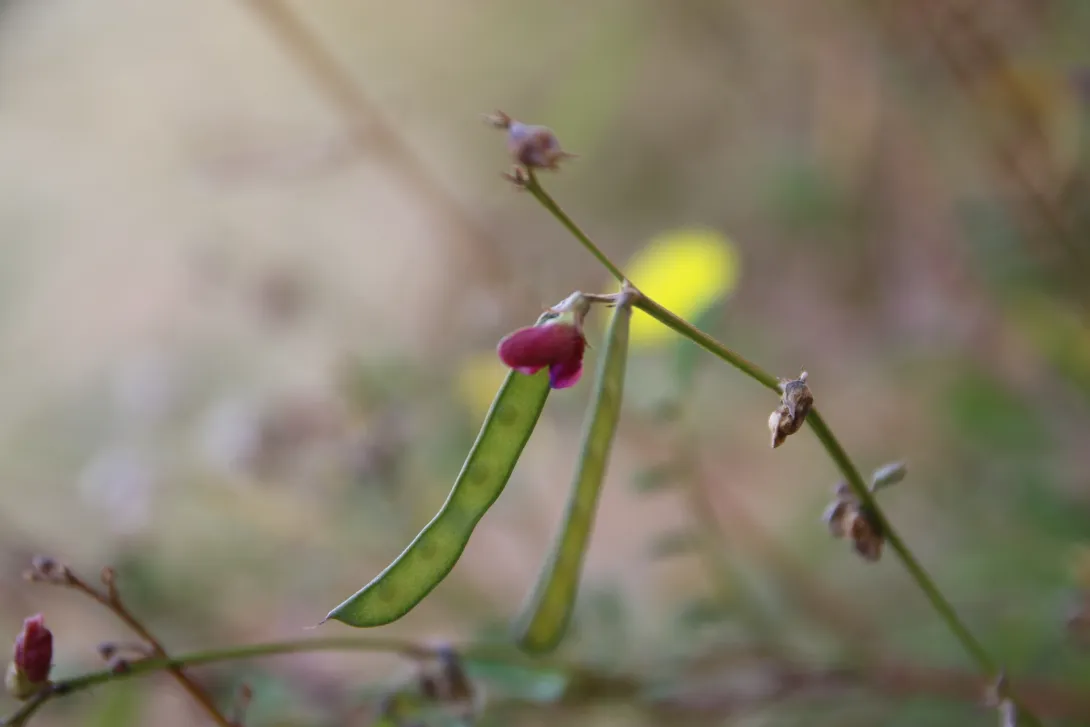
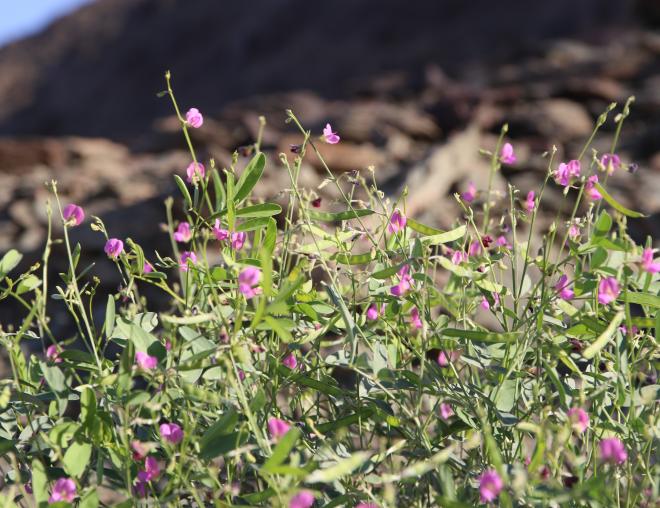
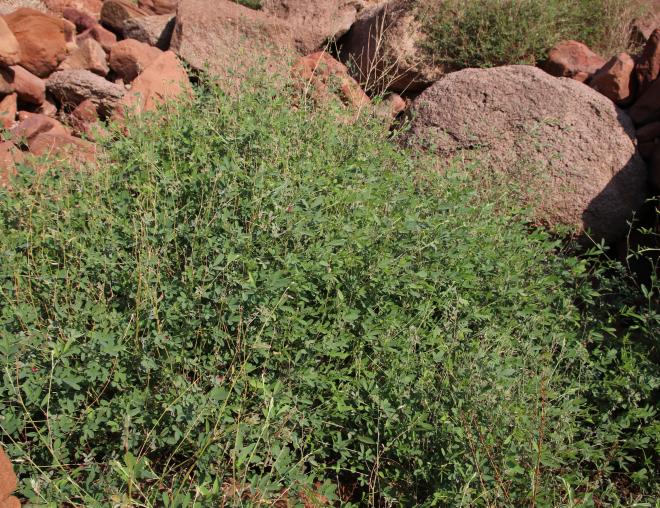
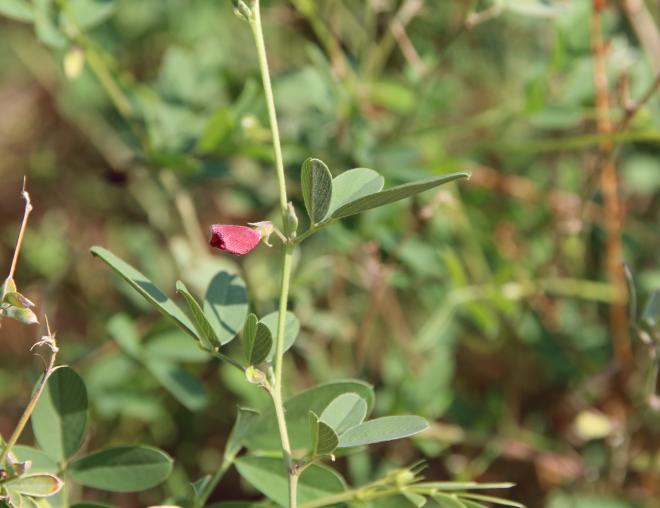
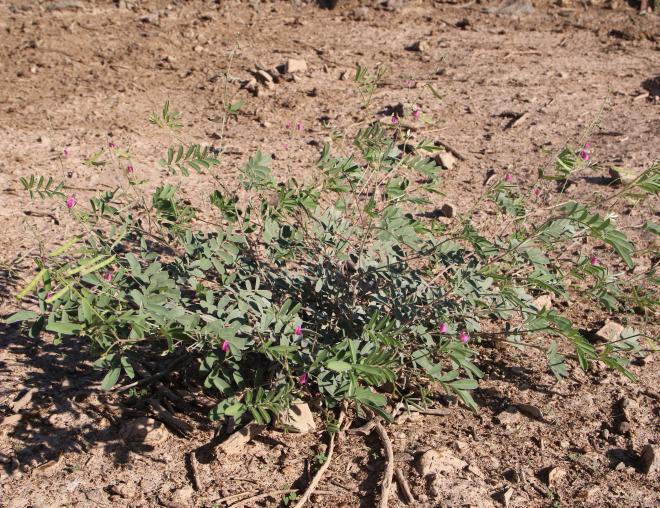
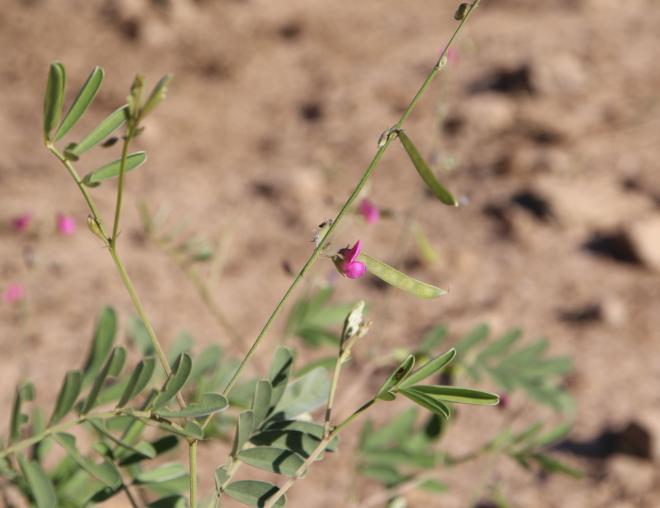
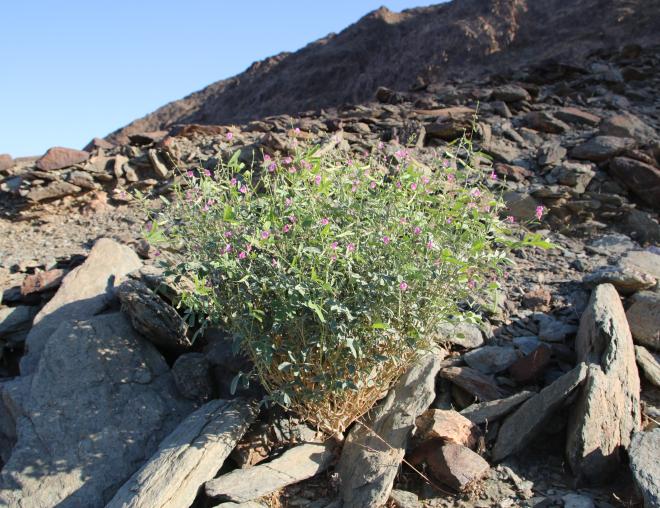
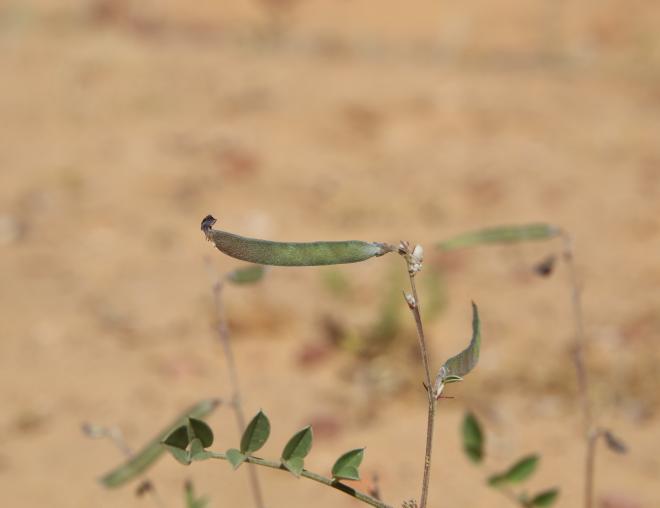
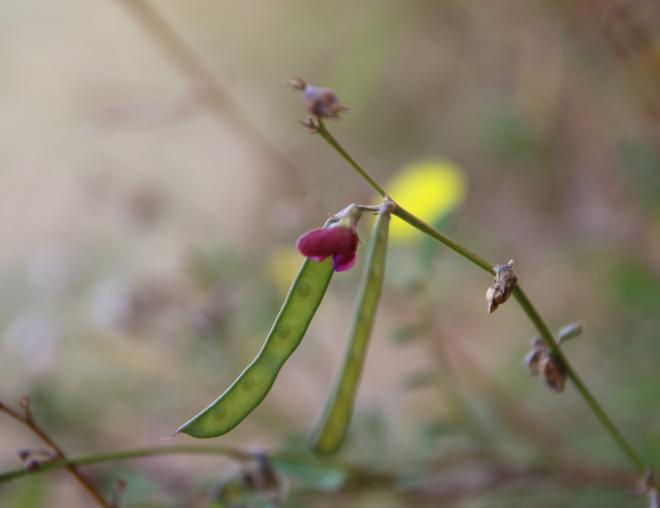
Annual or short-lived perennial herbs, 50-80 cm tall. Branches appressed- to spreading-pubescent. Leaves petiolate; stipules setaceous-triangular, 2-3 mm long, with a prominent midrib; leaflets 4-17, elliptic-oblong to oblanceolate-cuneate, 7-34 x 2-7 mm, densely hairy on both sides or glabrescent, thinly appressed-hairy on the upper surface and appressed-pubescent below, obtuse or emarginate, mucronate or not. Pseudoracemes lax, several-flowered. Flowers red to reddish purple, occasionally white, about 8 mm long. Pods up to 40 x 4 mm, slightly curved, glabrescent to densely hairy, more or less curved, 5-9-seeded.
- Growth Form
-
Description
-
Habitat and Distribution
- Habitat
-
Geographical Distribution Range
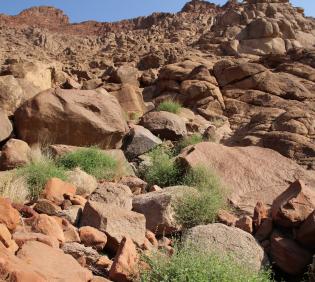
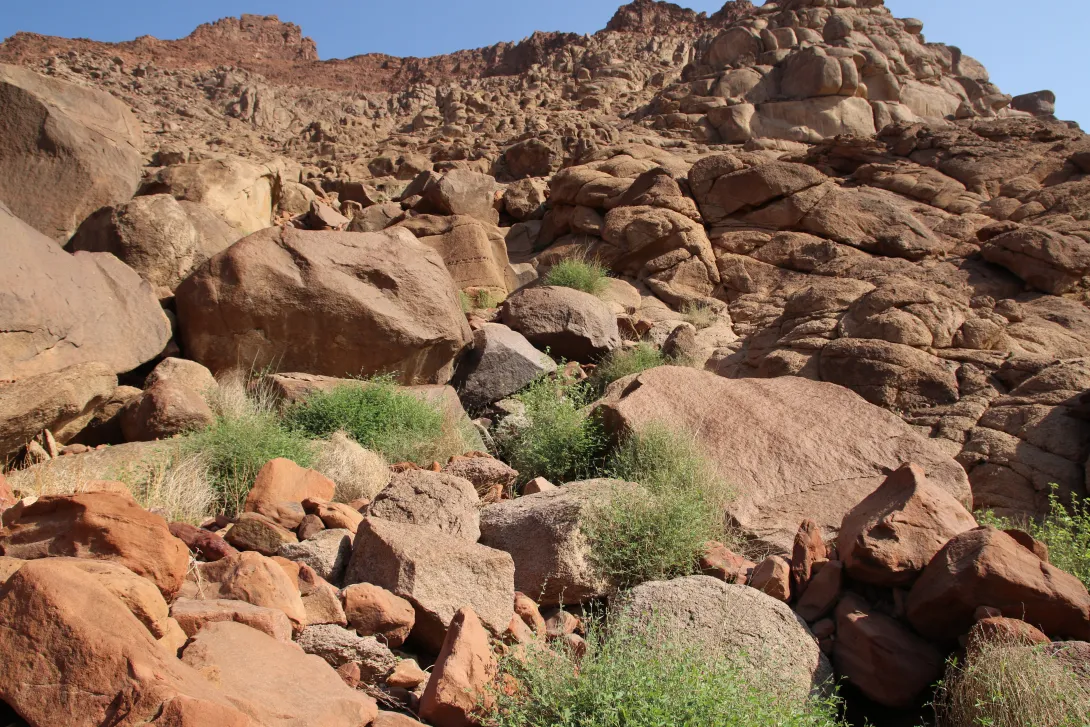
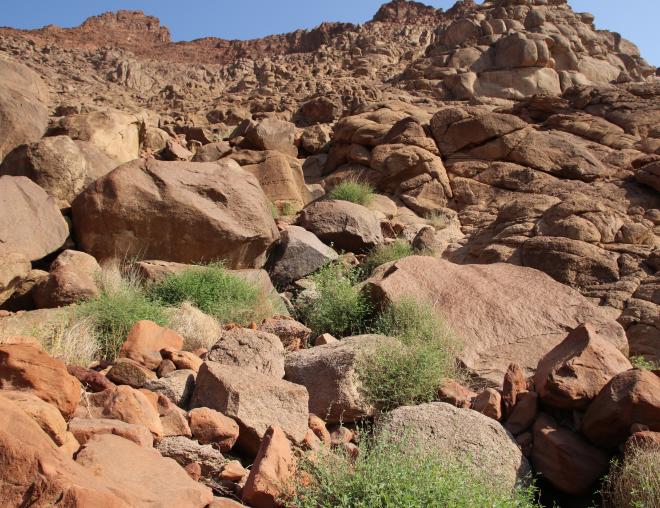
This Sudanian sub-species is distributed from Chad, through Middle East and to India. For the Arabian Peninsula, it native to Jordan, Saudi Arabia, Qatar, the Gulf States, Yemen, Oman as well as Socotra.
-
Ecology
-
Phenology
JanFebMarAprMayJunJulAugSepOctNovDecFloweringFructification
- Origin
-
IUCN Red List Category
 Not Evaluated
-
Phenology
-
Uses and Values
-
Aromatic and Medicinal Use
Medicinal use
-
Description of Traditional Uses
Tephrosia taxa are recorded in traditional medicine, especially for skin and digestive complaints; some local uses also involve plant-based pest control.
-
Aromatic and Medicinal Use
Gallery