Tamarix aphylla (L.) H.Karst.
اثل
Syn. Thuja aphylla L. (1755)
Athel Pine
Tamaricaceae
1 / 5


-
Morphological Description
-
Description
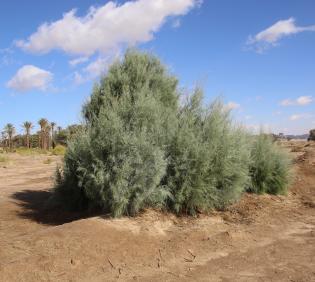
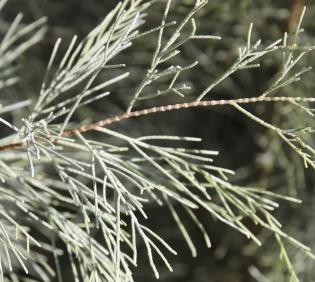
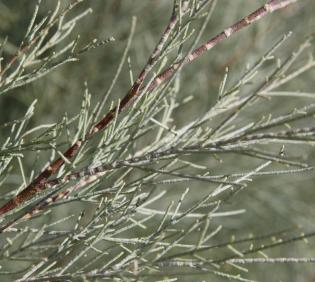
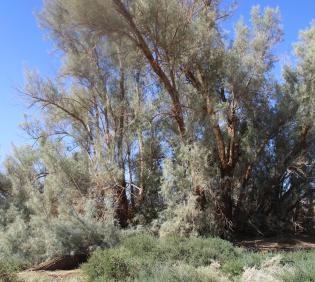
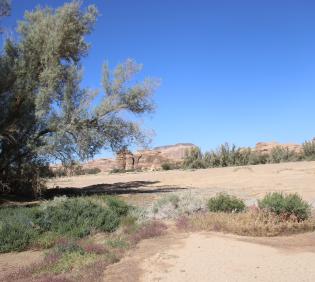
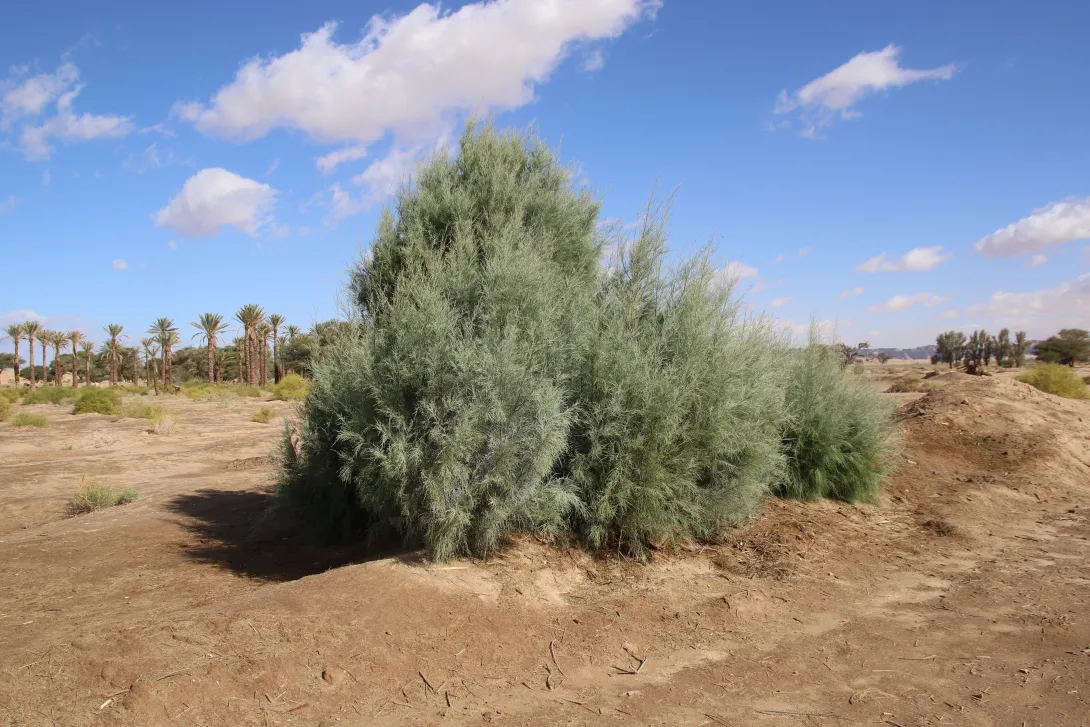
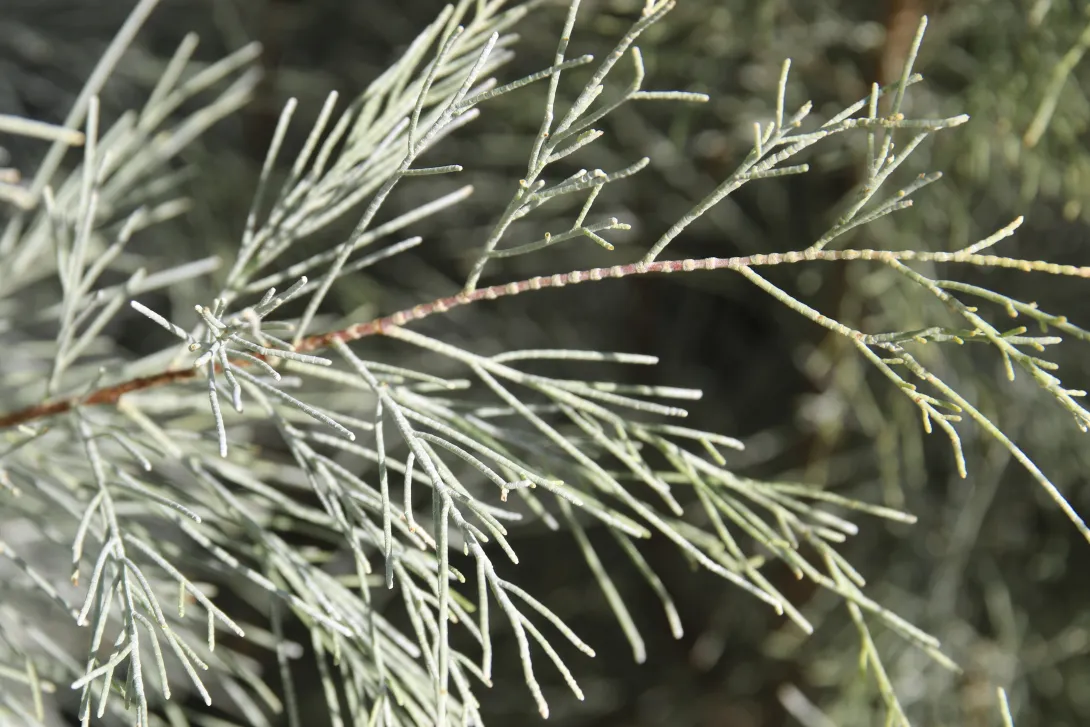
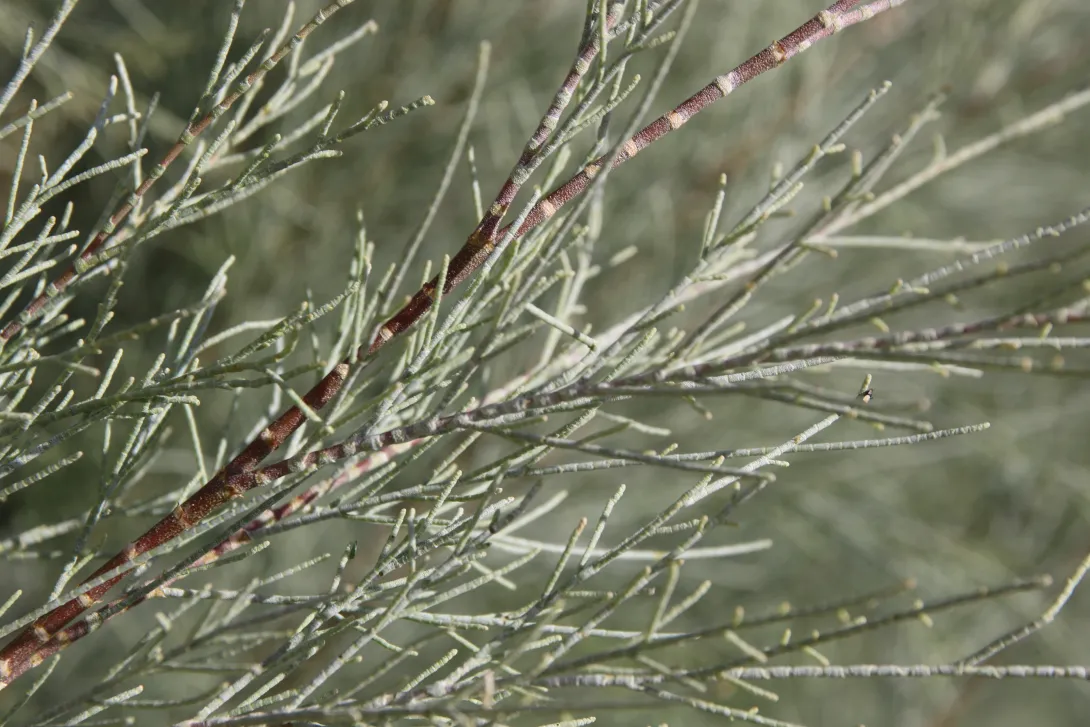
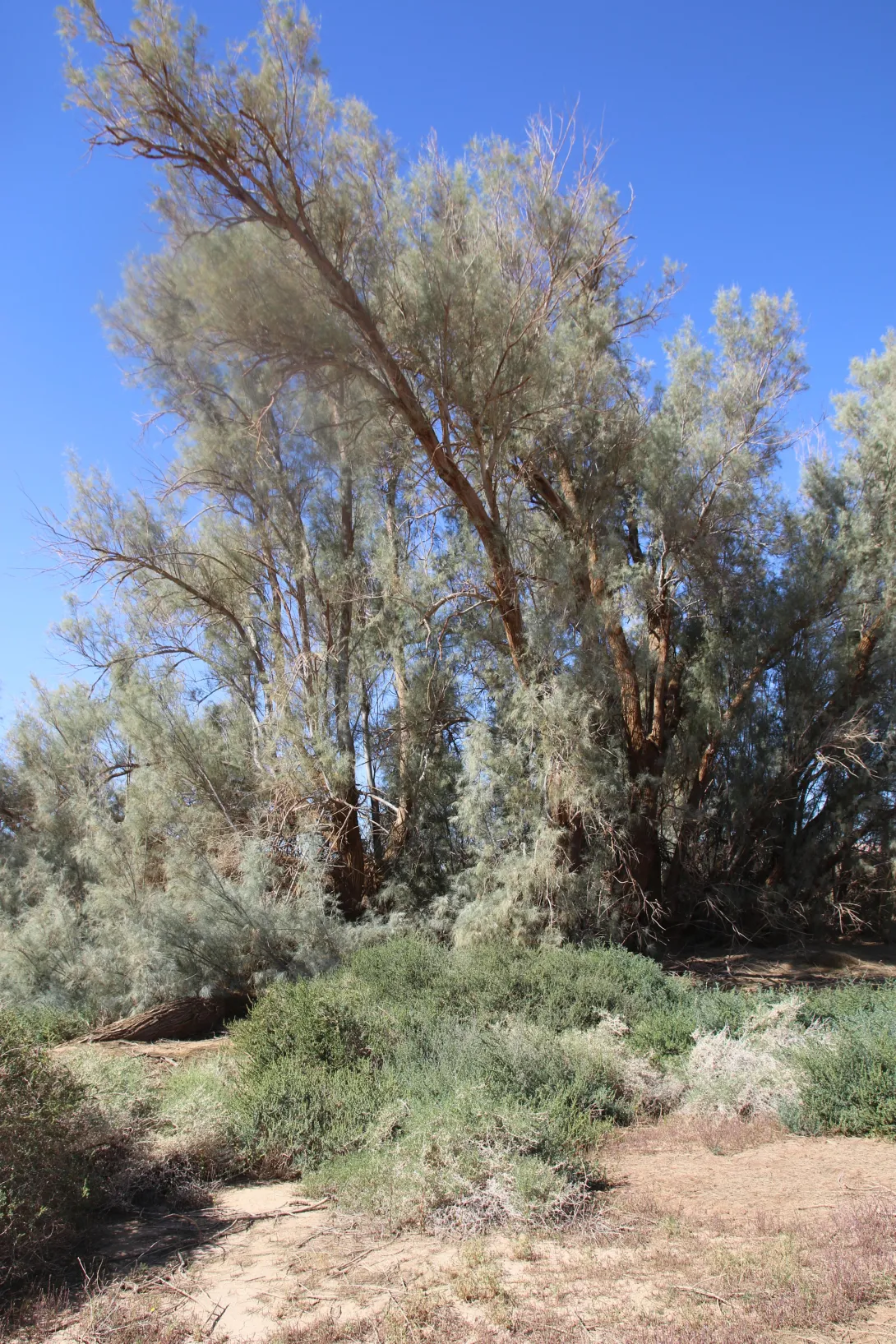
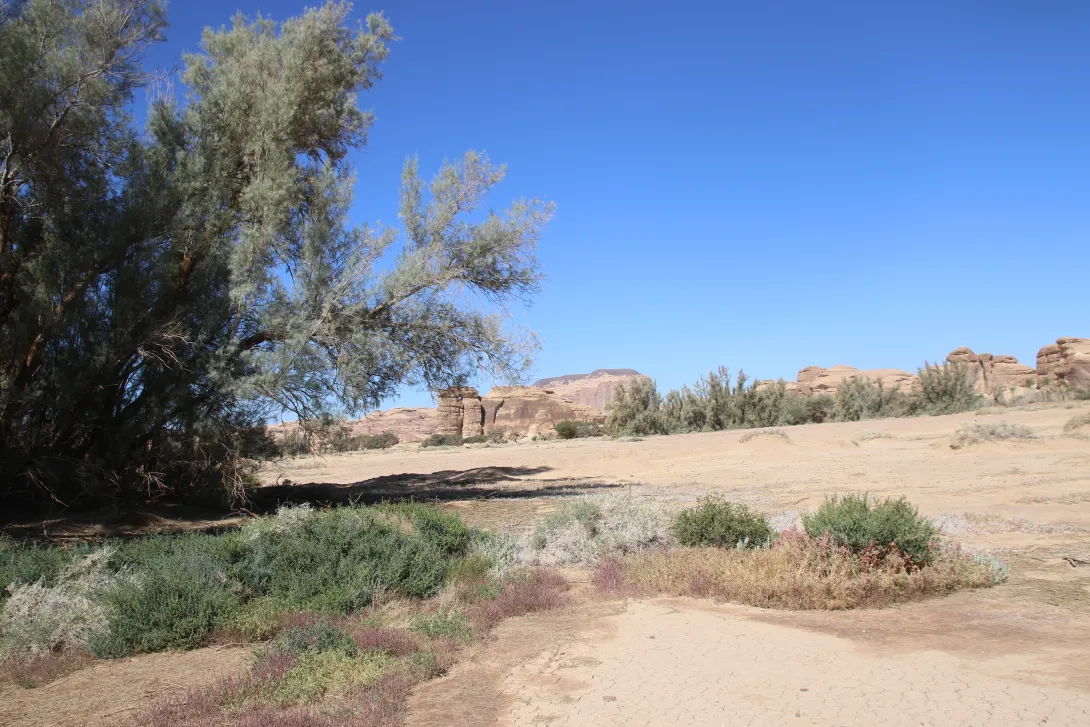
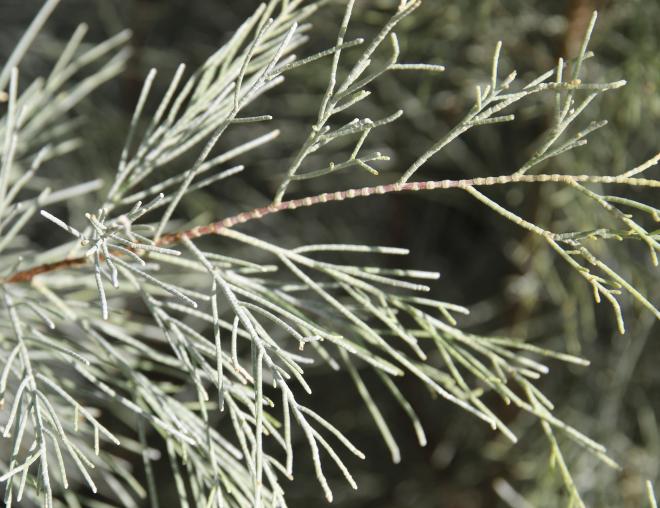
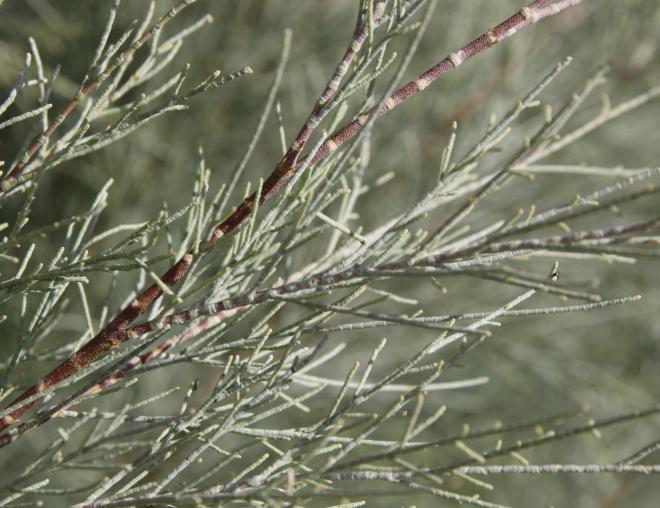
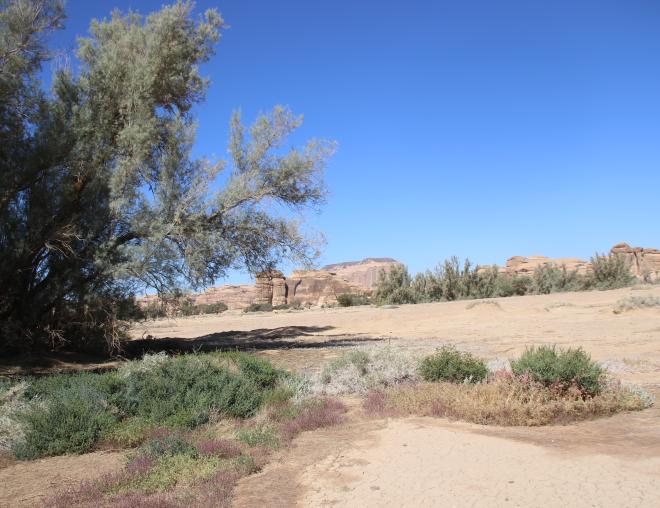
Trees, up to 15 m tall, bark dark brown to brown; branches needle-like large. Leaves sessile, vaginate, completely encircling the stem. Panicles 4-6 cm long, rather open. Flowers subsessile. Sepals 1-1.25 mm long, entire, trullate ovate, subobtuse. Petals 5.2-2.25 mm long, elliptic or elliptic-obovate, obtuse, caducous or sub-persitent. Stamens 5. Capsule conical, opening by 3 valves. Seeds numerous, smooth, elliptic with pappus hairs at the apex.
- Growth Form
-
Description
-
Habitat and Distribution
- Habitat
-
Geographical Distribution Range
This Sudanian species is distributed from North Africa, through Middle East and to India. For the Arabian Peninsula, it native to Jordan, Saudi Arabia, Kuwait, Qatar, the Gulf States, Yemen, Oman as well as Socotra. It has also been introduced to Spain, Australia, Mexico, the Dominican Republique and the United States.
-
Ecology
-
Phenology
JanFebMarAprMayJunJulAugSepOctNovDecFloweringFructification
- Origin
-
IUCN Red List Category
 Least Concern
-
Phenology
-
Uses and Values
-
Aromatic and Medicinal Use
Medicinal use
-
Other Usages
Palatable; Melliferous
-
Description of Traditional Uses
Used for windbreaks, shade, fuelwood, fencing. Traditional applications include preparations from the foliage or bark, while flowers may support bees.
-
Aromatic and Medicinal Use
Gallery