Allium atroviolaceum Boiss.
الكراث
Syn. Allium ampeloprasum subsp. atroviolaceum (Boiss.) K.Richt.
Black-violet Leek, Broadleaf Wild Leek, Elephant Garlic
Amaryllidaceae
1 / 10


-
Morphological Description
-
Description
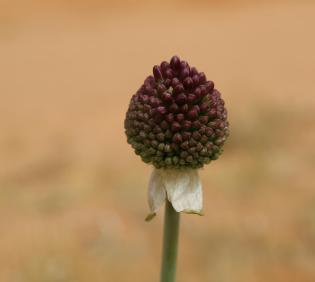
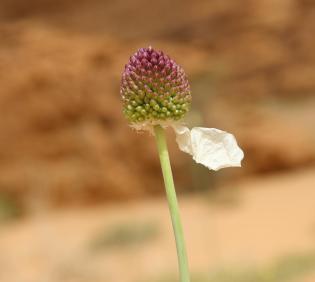
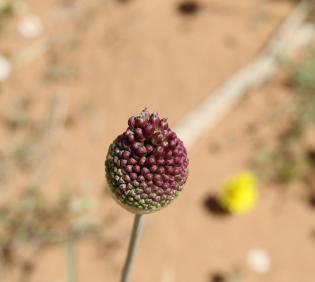
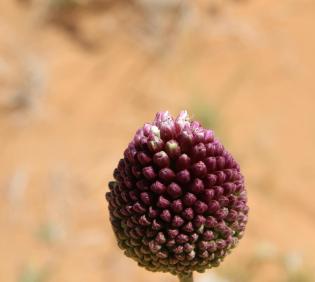
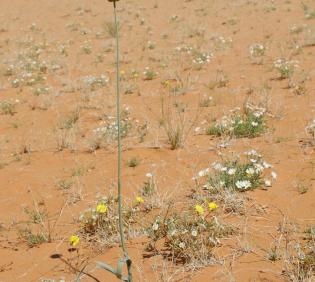
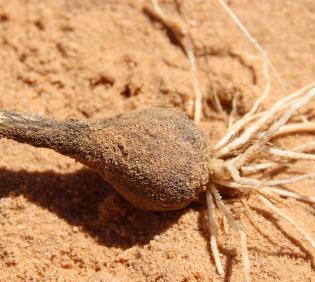
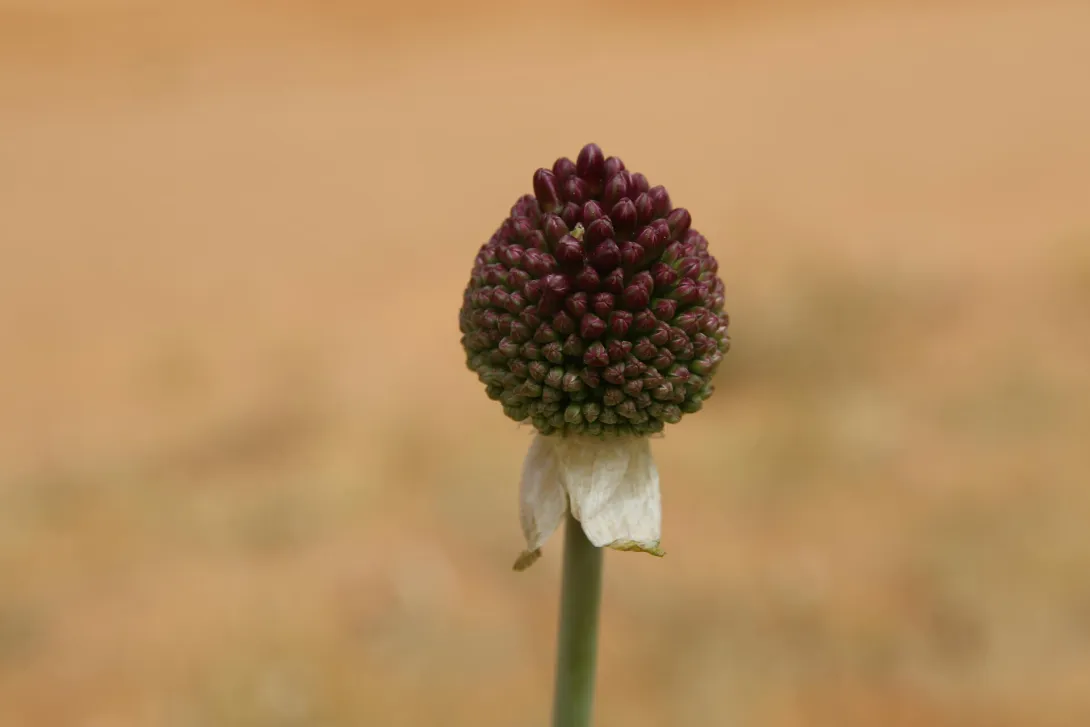
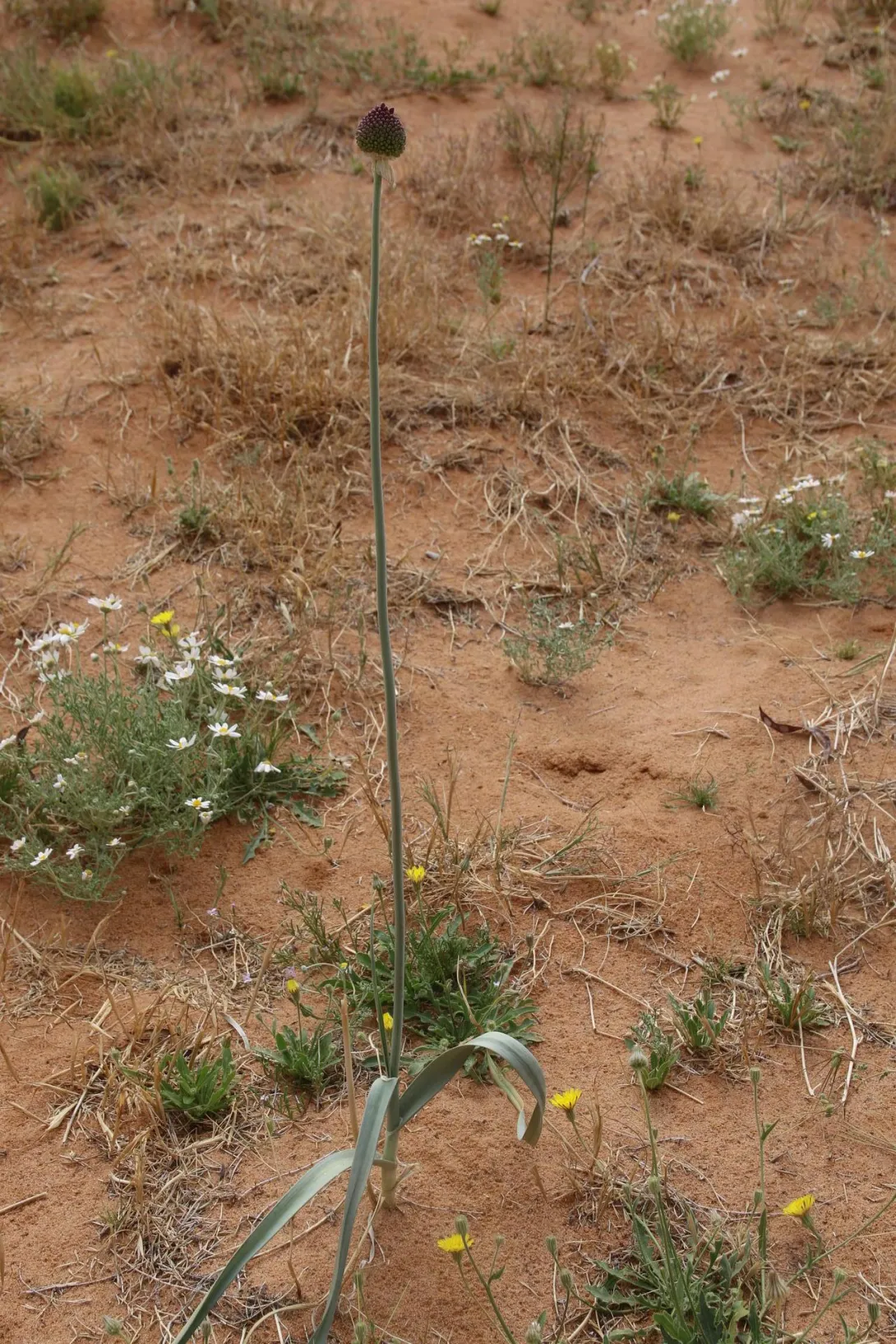
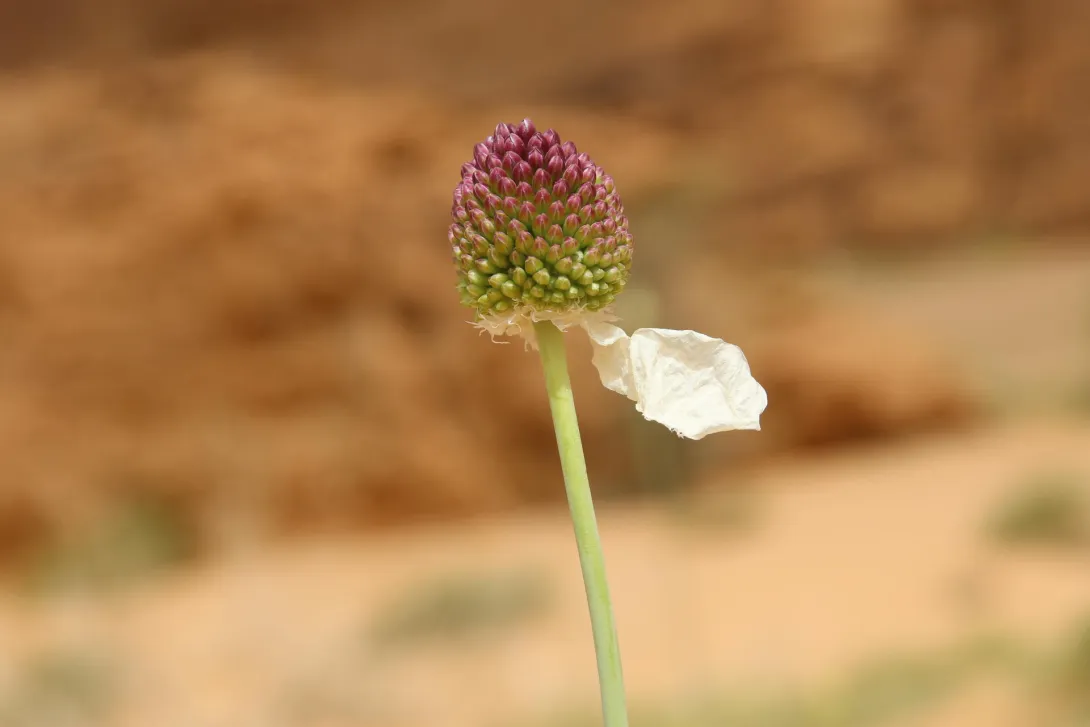
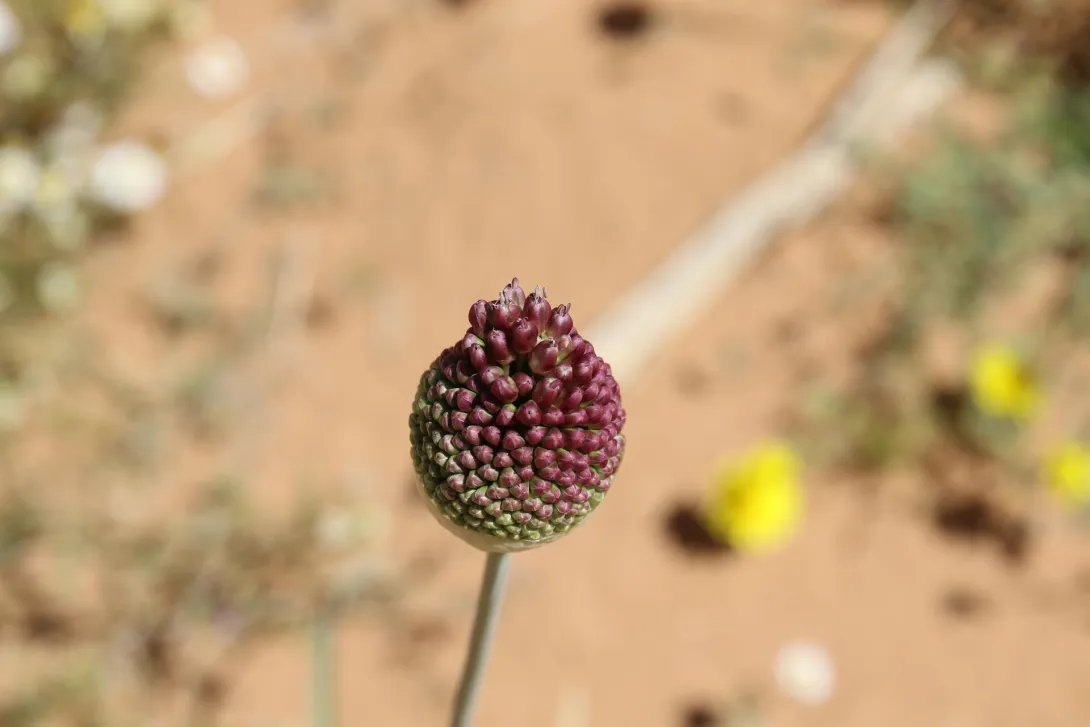
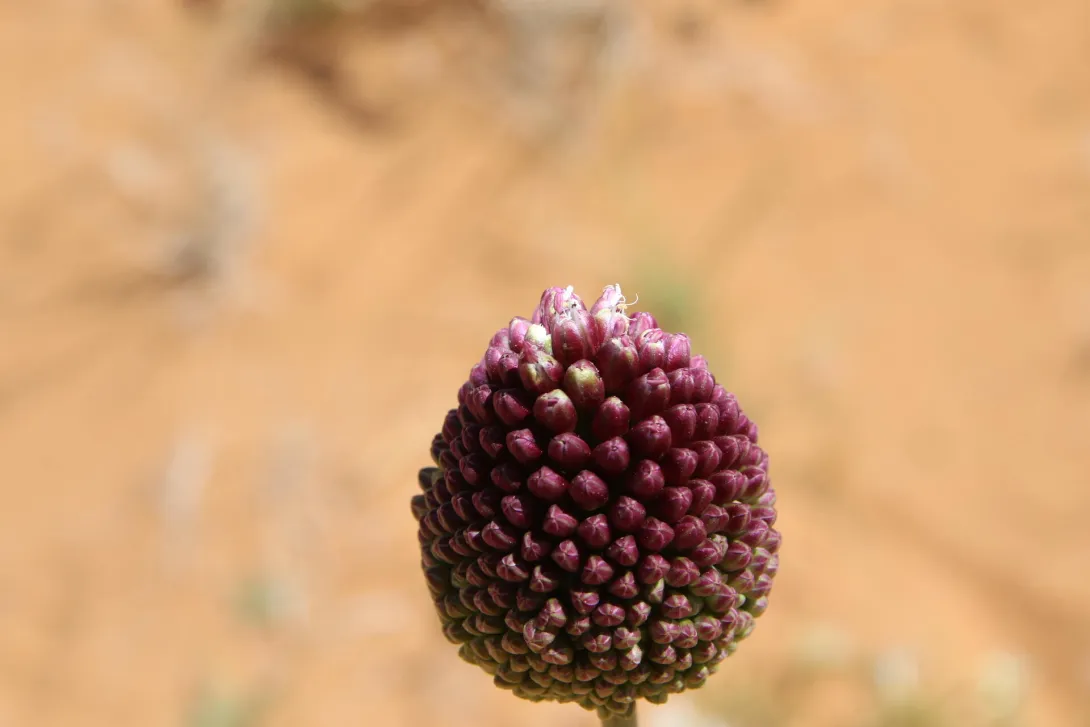
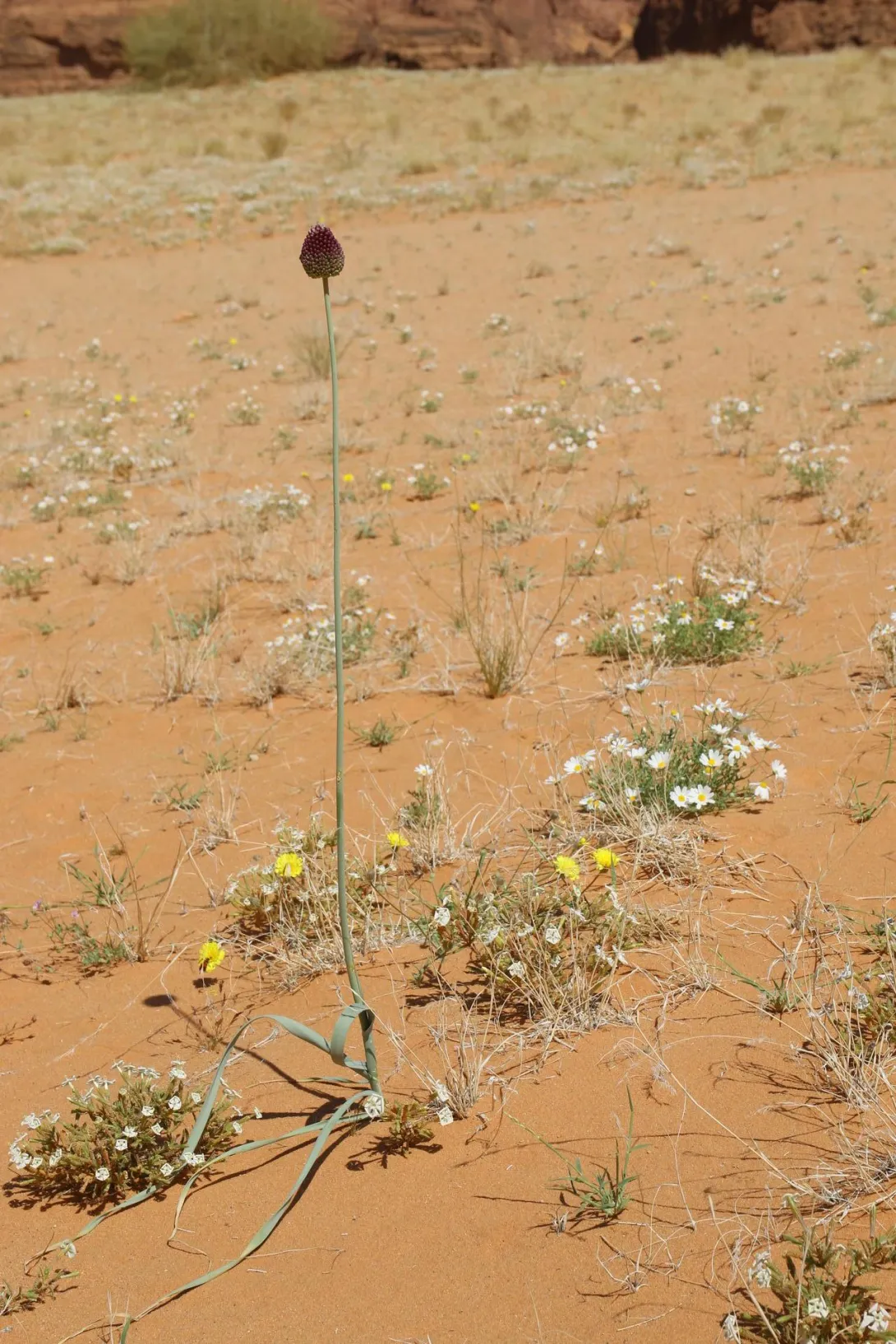
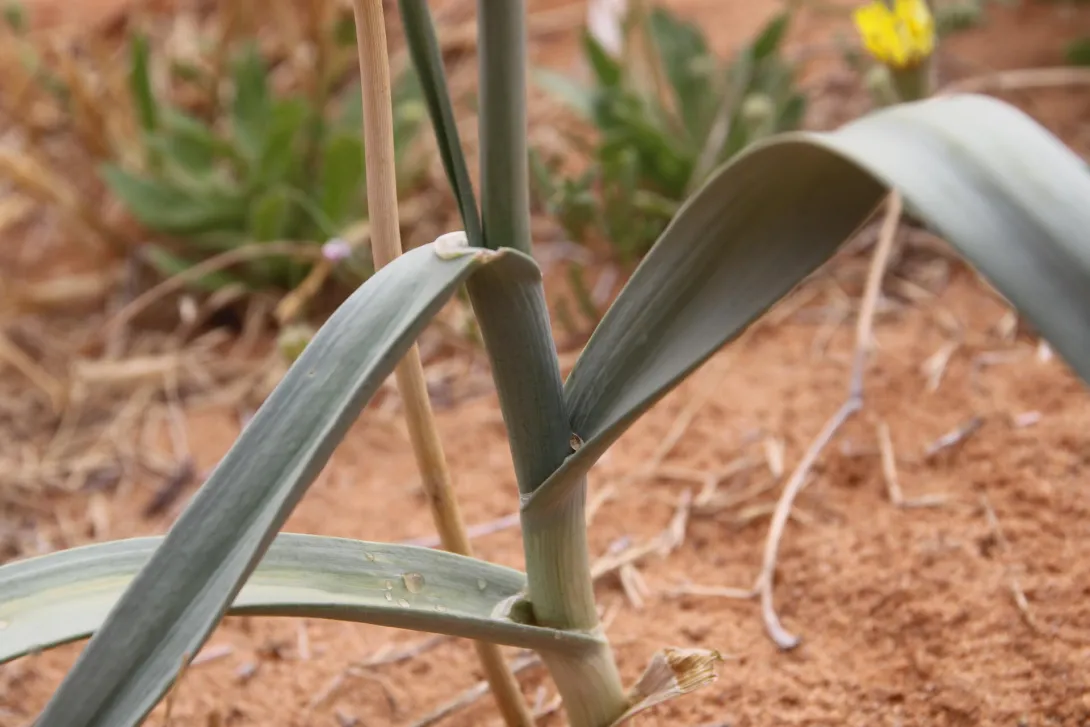
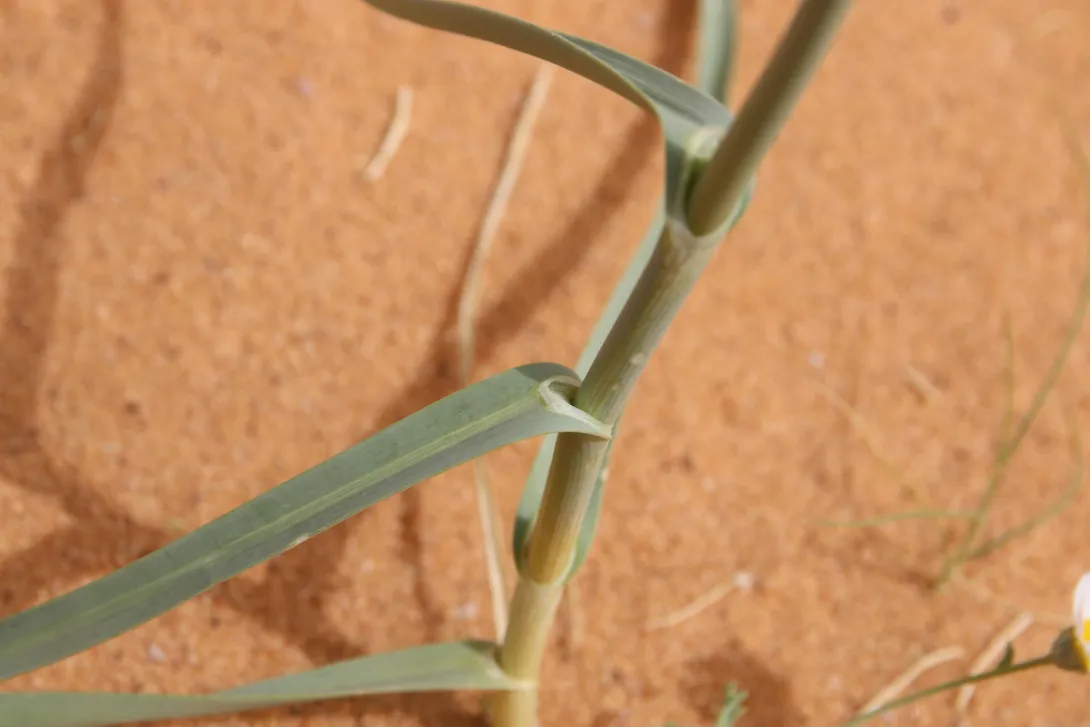
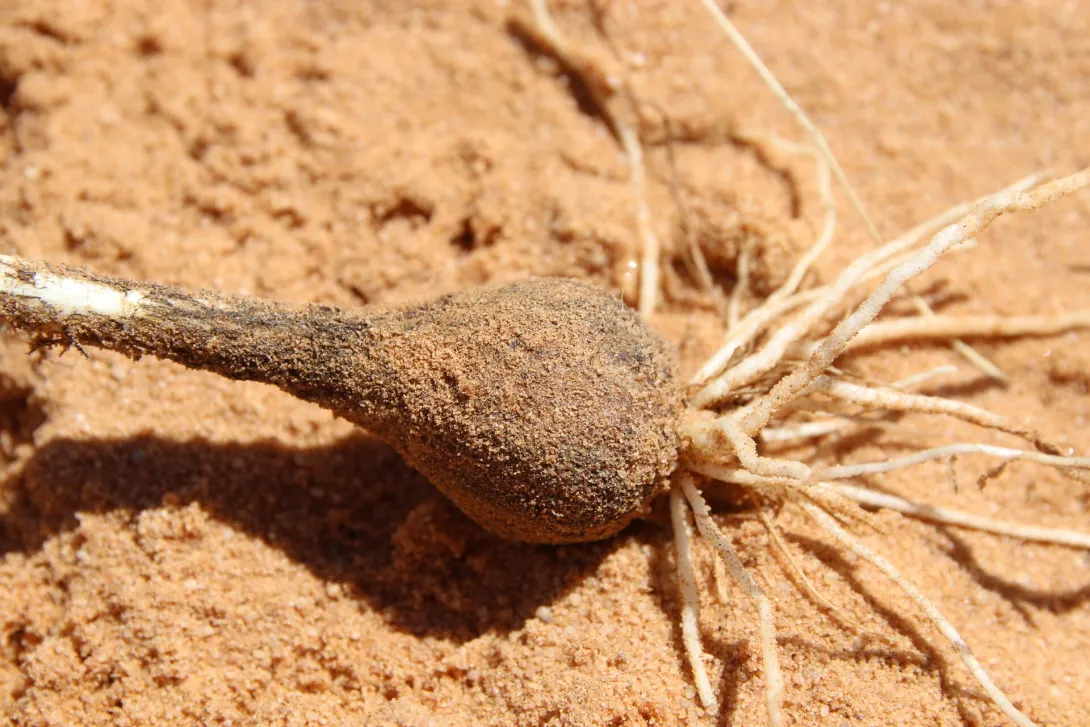
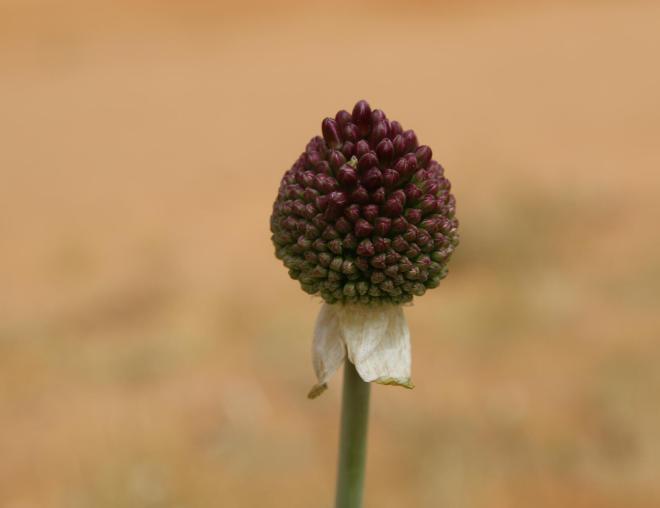
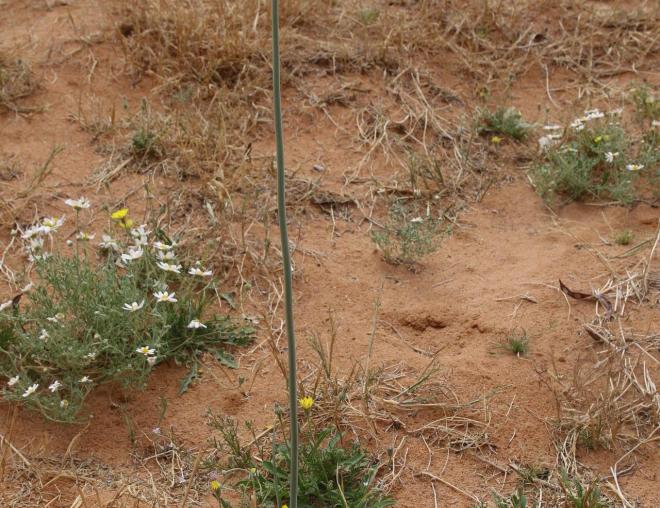
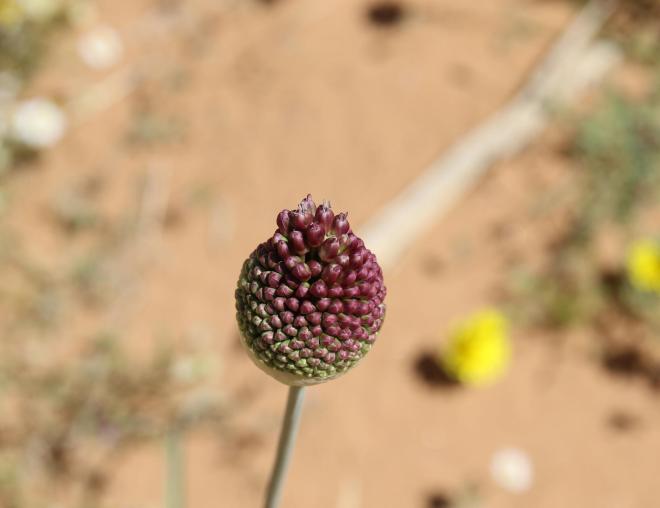
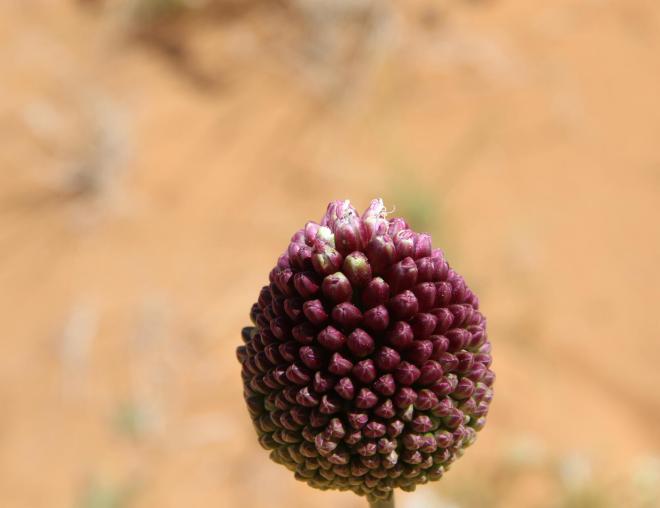
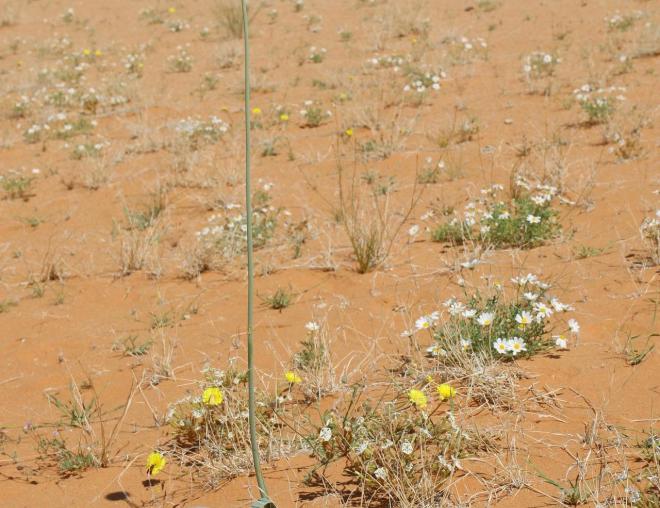
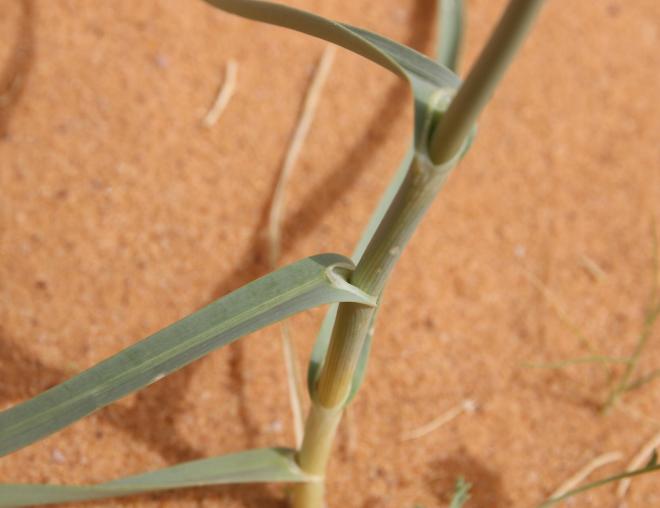
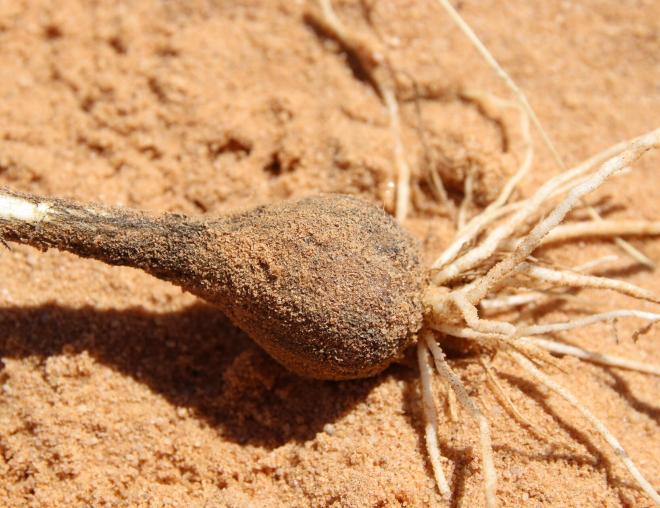
Perennial bulbous herb, up to 80 cm tall, arising from ovoid bulbs covered with membranous tunics. Leaves linear, flat to canaliculate, shorter than scape. Inflorescence a dense spherical umbel, subtended by membranous spathe. Flowers numerous, campanulate, with tepals dark violet to purplish, 5–7 mm long. Stamens exserted. Capsule trilocular, dehiscent, with few angular black seeds.
- Growth Form
-
Description
-
Habitat and Distribution
- Habitat
-
Geographical Distribution Range
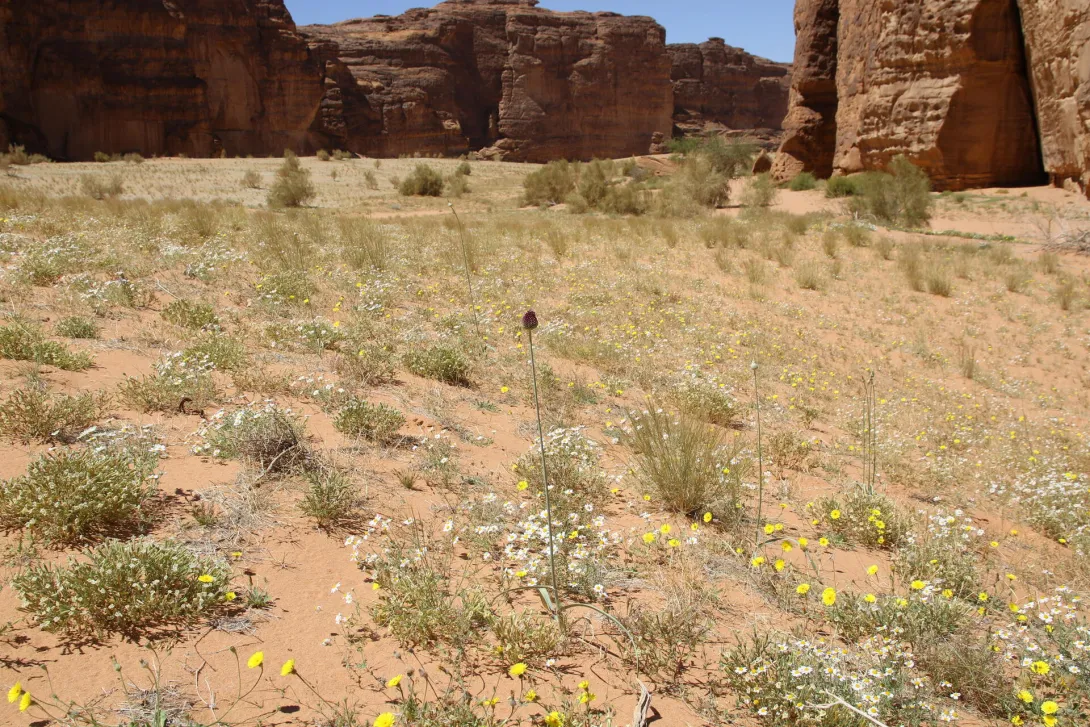
This Mediterranean and Irano-Turanian species is widely distributed from Eastern Europe to Central and Western Asia, including the Middle East. For Arabian Peninsula, it only native to Saudi Arabia.
-
Ecology
-
Phenology
JanFebMarAprMayJunJulAugSepOctNovDecFloweringFructification
- Origin
-
IUCN Red List Category
 Data Deficient
-
Remarks
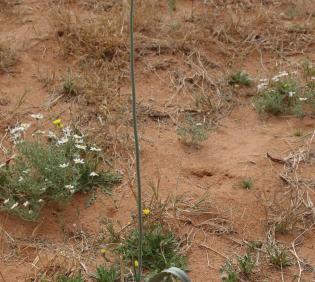
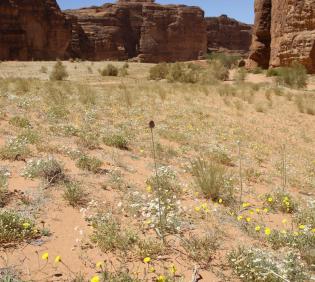
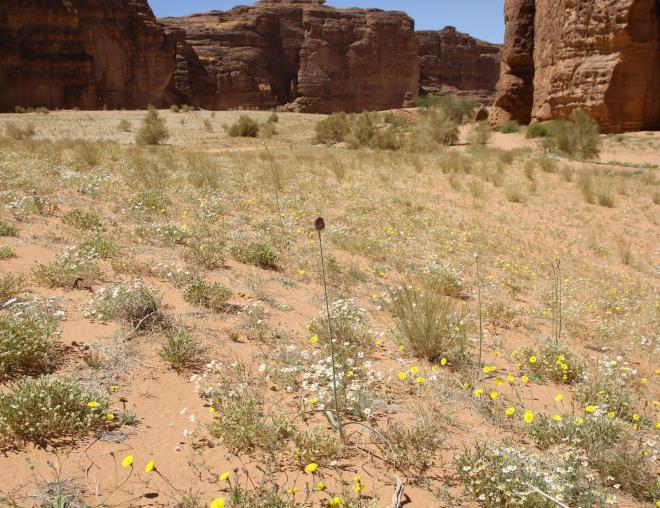
Black-violet Leek grows in dense clusters, typically in sandy dunes within well-preserved, localized habitats. It was traditionnaly collected as vegetable.
-
Phenology
-
Uses and Values
-
Other Usages
Palatable; Edible for birds
-
Description of Traditional Uses
The fresh leaves are documented as a culinary ingredient, notably used in the preparation of a traditional Iranian dish known as "Aash."
-
Other Usages
Gallery